

Ever stared at the mirror after brushing, only to notice that stubborn film still clinging to your teeth? That lingering coat is plaque, the sneaky buildup that loves to hide in hard‑to‑reach spots and can turn a fresh feeling into a not‑so‑fresh one within minutes.
You're not alone. Millions worldwide wrestle with plaque daily, especially those dealing with gum sensitivity or occasional dental pain. The frustration is real – you want a clean, confident smile without resorting to harsh chemicals that can irritate sensitive gums.
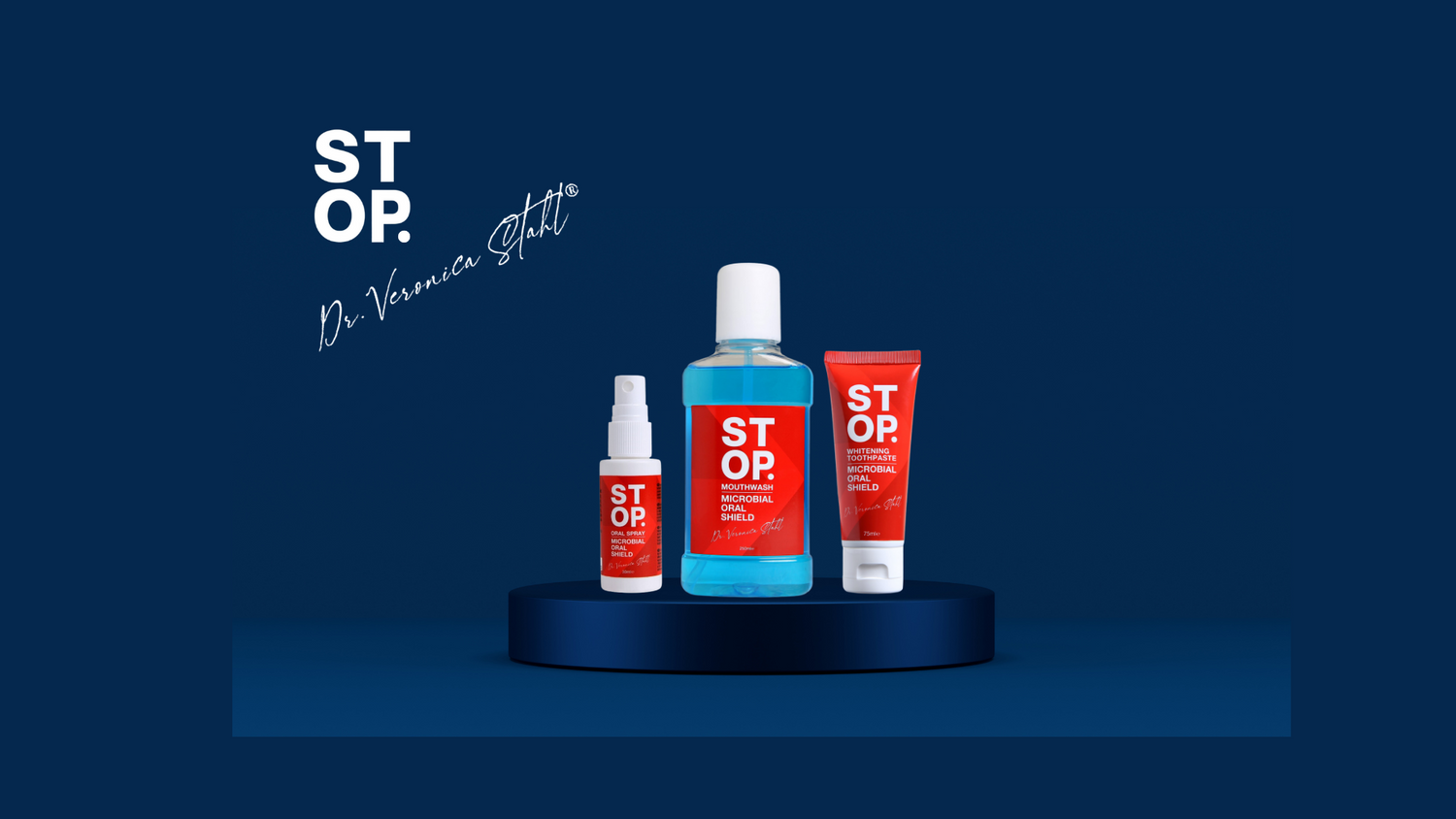
That's where a well‑formulated plaque‑removing mouthwash steps in. Think of it as the finishing touch after you brush and floss, a gentle rinse that reaches the nooks your brush can't. Our own plaque‑removing mouthwash blends CBD, Dead Sea minerals, and botanical extracts to break down biofilm while soothing inflamed tissue.
So, how does it actually work? The active ingredients target the sticky matrix that holds bacteria together, making it easier to wash away. At the same time, anti‑inflammatory compounds calm the gums, reducing bleeding and discomfort. Real‑world users report noticing a fresher breath and a smoother feel after just a week of consistent use.
Imagine you’re on a business trip in Berlin and your hotel only offers a generic mint rinse. You could grab a travel‑size bottle of our mouthwash from the local pharmacy or order it online ahead of time – the convenience means you never miss a day of protection.
Ready to make it a habit? Here are three quick steps you can start today:
- Brush thoroughly for two minutes, focusing on the gum line.
- Floss to dislodge food particles.
- Rinse with a capful of plaque‑removing mouthwash for 30 seconds, then spit. Do this once daily, ideally after your evening routine.
Wondering how this fits into a broader wellness plan? Pairing oral care with overall health strategies can amplify results. For a holistic approach, check out XLR8well’s proactive health programs – they complement oral wellness by supporting immune function and reducing systemic inflammation.
Bottom line: a targeted plaque‑removing mouthwash isn’t just a luxury; it’s a practical tool that bridges the gap between daily brushing and lasting gum health. Give it a try, and you might find yourself smiling a little more confidently every day.
TL;DR
A plaque‑removing mouthwash packed with CBD, Dead Sea minerals and soothing botanicals breaks down biofilm, eases gum inflammation, and leaves your breath fresh for the whole day.
Use a capful after brushing and flossing each night, and within a week you’ll notice smoother gums, less bleeding, and confidence to smile wherever you go.
Step 1: Choose the Right Plaque Removing Mouthwash
Ever stood in front of the bathroom mirror, squeezed a splash of mouthwash, and thought, “Is this really doing anything?” You’re not alone. The truth is, not every rinse is created equal, and picking the right formula can feel like navigating a maze of minty promises.
First, ask yourself what you actually need. Are you battling stubborn plaque on the back molars? Do you have gums that bleed at the slightest tug? Or maybe you’re sensitive to alcohol and want something gentle enough for daily use? Your answers will steer you toward the ingredients that matter.
Look for CBD and Dead Sea minerals. In our experience, the combination of cannabidiol (CBD) and mineral‑rich seawater does more than freshen breath – CBD calms inflammation while the minerals help break down the bio‑film that holds plaque together. This dual action is why many of our customers notice smoother gums after just a week.
Another red flag to watch for is high alcohol content. Alcohol can sting, especially if you’ve got sensitive gums or a recent dental procedure. Opt for an alcohol‑free, plant‑based mouthwash that still packs a punch against bacteria. Look for botanical allies like neem, clove oil, or green tea – they provide natural antimicrobial power without the burn.
And don’t forget the pH balance. A mouthwash that’s too acidic can erode enamel over time. Aim for a formula that sits around neutral pH (6.5‑7.0). Many premium options list this on the label, but if it’s missing, you can usually find the info in the FAQ or product details page.
So, how do you actually compare products? Grab a piece of paper and jot down three columns: Ingredient Focus, Gum Sensitivity, and Flavor/After‑taste. Fill in each mouthwash you’re considering, then rank them. The one that scores highest on soothing ingredients and low on irritants is likely your best bet.
Does this sound overwhelming? It doesn’t have to be. Think of it like choosing a coffee blend – you’ll gravitate toward the roast that feels right for your palate. The same principle applies to oral care.
Once you’ve zeroed in on a candidate, give it a test run. Use it twice a day for seven days, and watch for three key signals: reduced plaque on the tongue, less gum bleeding after flossing, and a fresher breath that lasts beyond the morning coffee.
If you’re already thinking about a holistic health routine, consider pairing your oral care with a proactive wellness program. XLR8well offers supplements and lifestyle plans that complement the anti‑inflammatory benefits of a CBD‑infused mouthwash, helping you feel balanced from the inside out.
And for those who love cutting‑edge tech, the Healy frequency device is another tool that aims to promote physiological harmony – a nice sidekick to your daily rinse if you’re into bio‑feedback and holistic optimization.
Bottom line: the right plaque‑removing mouthwash isn’t just about a fresh scent. It’s about ingredients that target bio‑film, respect your gum health, and fit your lifestyle. When you match those criteria, you’ll notice the difference the very next time you smile at yourself in the mirror.
Step 2: Master the Proper Rinsing Technique
We’ve picked the right mouthwash, now let’s talk about the part that most people skim over: the actual swish. It sounds simple, but the way you rinse can mean the difference between a quick‑fix and a lasting clean.
First, picture this: you’ve just brushed and flossed, the bristles have swept away the bulk of food debris, and you’re about to reach for that capful of plaque‑removing mouthwash. If you just gulp it down or gulp‑swirl for a few seconds, the biofilm disruptors don’t get enough contact time to break down the sticky matrix. Think of it like trying to dissolve sugar with a splash of water – you need a little patience.
Here’s the step‑by‑step routine we recommend:
- Measure precisely. Use the cap that comes with the bottle – usually about 15 ml. Too little, and you won’t saturate the whole mouth; too much, and you waste product.
- Tilt your head back slightly. This helps the liquid flow to the back of the tongue and the hard‑to‑reach molar zones where plaque loves to hide.
- Swish with purpose. Start with a gentle 2‑second swirl, then ramp up to a firm 30‑second motion. Aim for a “V” shape in your mouth: top teeth, bottom teeth, and the inner cheek surfaces. You’ll feel a slight resistance – that’s the mouthwash doing its job.
- Don’t gargle. The formula is designed for oral surfaces, not the throat. Spitting it out preserves the active ingredients for future use.
- Spit, don’t rinse. After you’ve swished, simply spit the liquid into the sink. Resist the urge to follow up with water; it would dilute the lingering benefits.
Why does the “don’t rinse” rule matter? The minerals and CBD in our formula continue to coat the enamel for a few minutes after you spit, creating a protective barrier that fights plaque formation. Rinsing with plain water would wash that layer away.
Let’s bring in a real‑world scenario. Maria, a freelance graphic designer who travels between Amsterdam and Berlin, used to rinse for just 5 seconds and still woke up with morning film. After she tried the 30‑second technique, she noticed the film disappearing by lunchtime. She says it felt “like a tiny workout for my mouth” – a bit odd, but it stuck.
Another tip from our dental partners: if you have sensitive gums, try a two‑phase approach. Start with a gentle 10‑second swirl, pause, then finish with the full 30 seconds. This eases the tissues into the active ingredients without a sudden sting.
And here’s a quick checklist you can keep on your bathroom mirror:
- Capful measured? ✅
- Head tilted back? ✅
- 30‑second “V” swish? ✅
- Spit, don’t rinse? ✅
Seeing this on a sticky note makes the habit feel almost automatic. Consistency is key – the mouthwash works best when you use it at the same time each day, preferably after your evening brushing routine.
For a deeper dive into how timing affects gum health, check out our guide on how to use CBD mouthwash for inflamed gums. It walks you through the ideal moments to rinse for maximum soothing effect.
If you’re already thinking about a full‑body wellness routine, consider pairing your oral care with a visit to Sade Skin. Their professional skin‑care treatments complement a fresh smile by keeping your overall appearance radiant – a little extra confidence never hurts.
Bottom line: mastering the rinse isn’t about fancy gadgets, it’s about a few mindful seconds that let the science in the mouthwash do its work. Try the 30‑second “V” swish tonight, note how your gums feel tomorrow, and you’ll soon see less plaque, less irritation, and a brighter smile that lasts.
Step 3: Determine Frequency and Timing for Optimal Results
Ever wonder why some days your gums feel fresh and other days they’re still a little sore, even though you’re using the same mouthwash? The missing piece is often *when* and *how often* you rinse.
We’re not talking about a vague “once a day” rule. Plaque‑removing mouthwash works best when it aligns with your mouth’s natural rhythm – the moments when bacteria are most vulnerable and the gum tissue is ready to absorb the soothing ingredients.
Morning vs. evening: does timing matter?
After a night of sleep, plaque has been silently building while you were unconscious. A quick rinse right after your morning brush can knock down that overnight biofilm before it hardens into tartar. On the flip side, an evening rinse after your final brush gives the CBD, Dead Sea minerals, and botanical extracts a chance to coat your teeth overnight, creating a protective barrier while you sleep.
In practice, many of our worldwide users report noticing the biggest difference when they add a second rinse before bed. It’s like setting a night‑time guard for your gums.
How many times is enough?
For most gum‑sensitive folks aged 18‑70, twice‑daily use – once in the morning and once before bed – hits the sweet spot. If you’re dealing with extra plaque buildup from a high‑carb diet or frequent coffee, a third “mid‑day” rinse after lunch can keep the biofilm from re‑forming.
But don’t overdo it. The active ingredients are potent, and rinsing more than three times a day can lead to a temporary tingling sensation – a sign you’re saturating the mouth beyond what the tissues need.
Pairing the rinse with your daily habits
Think of your oral routine like a small orchestra. Your brush is the percussion, floss is the strings, and the mouthwash is the wind section – it needs the right tempo. Here’s a quick timing checklist:
- Morning: brush → floss (optional) → mouthwash (30‑second “V” swish) → no water rinse.
- Mid‑day (if needed): sip water, wait 30 minutes after meals, then a quick 15‑second rinse.
- Evening: brush → floss → mouthwash → let the coating work while you sleep.
And remember, the “no‑rinse” rule after spitting is crucial. Rinsing with water wipes away the lingering minerals that keep plaque at bay.
What the science says
The Cleveland Clinic explains that plaque is a sticky film of bacteria that constantly forms on teeth and, if not removed, can lead to cavities and gum disease. Regular disruption of this film – especially at key times like after meals and before sleep – helps prevent it from hardening into tartar (plaque basics).
Our own formula adds CBD, which has anti‑inflammatory properties, so timing your rinse when gums are most inflamed (often after a rough meal or before bed) maximises relief.
Real‑world rhythm
Picture this: you’re on a train from Berlin to Amsterdam, grabbing a quick snack, and you notice a hint of film on your teeth. A 15‑second mid‑day rinse in the bathroom car keeps the film from setting, and you still have a fresh feeling when you arrive.
Another scenario – you’re a night‑owl gamer who skips dinner brushing. A quick “after‑game” rinse before hitting the pillow can stop the overnight plaque surge, letting you wake up ready for a fresh smile.
It’s all about finding the rhythm that fits your lifestyle. You don’t need a strict schedule; just anchor the rinses to moments you already have – after your morning brush and before you crawl into bed.
Want a deeper dive into why the timing works? Check out why plant‑based mouthwash works for more insights on ingredient activation.
And if you learn best by watching, this short video walks through the optimal timing and frequency step‑by‑step:
Bottom line: set your plaque‑removing mouthwash to match your day’s natural peaks – a quick morning swish, an optional midday top‑up, and a protective night rinse. Stick to that pattern for at least a week, and you’ll notice less film, calmer gums, and a confidence boost that lasts.
Step 4: Complementary Oral Hygiene Practices
So you’ve nailed the rinse – now what? Think of oral care like a band. The mouthwash is the lead guitarist, but you still need the rhythm section to keep the groove tight. Adding a few simple practices can turn a good routine into a great one, especially if you’re battling plaque, sensitive gums, or that stubborn film that loves to reappear.
First, let’s talk floss. You might wonder, "Do I really need both floss and mouthwash?" The short answer is yes. A quick look at the research shows floss physically pulls plaque out from between teeth – places a swish can’t reach – while mouthwash kills the bacteria that remain. The two work together like a tag team, each covering the other’s blind spots. Mouthwash vs. floss explains why the combo is more effective than either alone.
1. Floss with intention
Grab a piece of floss that feels comfortable – waxed, unwaxed, or a glide‑style thread. Slip it gently between each tooth, forming a C‑shape around the side. Slide up and down a few times, then move to the next gap. It only takes 2‑3 minutes, and you’ll notice less film after a week.
Pro tip: keep a floss holder by the sink so you’re less likely to skip it. If you’re on the go, a pocket‑sized floss pick does the trick.
2. Gentle tongue cleaning
The tongue hosts a lot of the same bacteria that cause plaque. A soft tongue scraper or the back of a toothbrush can sweep away that coating. Do it after you rinse – you’ll taste the fresh mint longer and give your mouth a cleaner canvas for the next day.
3. Rinse with water (the right way)
After you’ve spitted out the mouthwash, wait about 15 minutes before drinking or eating. This gives the CBD, minerals, and botanicals a chance to settle on the enamel. If you absolutely need to hydrate sooner, sip water gently rather than gulping – you don’t want to wash away the protective film.
4. Choose a supportive toothpaste
Pairing your plaque‑removing mouthwash with a toothpaste that contains gentle abrasives and soothing agents (like aloe or chamomile) keeps the whole system balanced. Look for formulas that are fluoride‑free if you have sensitive gums – many of our customers love the synergy between a calming toothpaste and our CBD‑infused rinse.
Curious about botanical blends? Check out our guide on the benefits of botanical mouthwash for deeper insight.
5. Lifestyle tweaks that matter
What you eat influences plaque formation more than you think. Sticky carbs, sugary drinks, and frequent snacking feed the bacteria. Swap out soda for water, choose crunchy veggies like carrots, and consider a short post‑meal rinse with plain water to wash down food particles before the plaque‑removing mouthwash does its magic.
And don’t forget hydration – a well‑lubricated mouth produces saliva, the natural defender against plaque. Aim for eight glasses a day, and keep a bottle handy at your desk.
Quick checklist
- Floss daily (2‑3 min)
- Scrape tongue after mouthwash
- Wait 15 min before eating/drinking
- Use a gentle, botanical‑friendly toothpaste
- Limit sugary snacks, stay hydrated
Put these steps on a sticky note on your mirror – the visual cue makes the habit feel almost automatic.
Comparison table
| Complementary Practice | How to Do It | Key Benefit |
|---|---|---|
| Flossing | Slide C‑shaped floss between each tooth, move up‑down | Removes plaque from tight spaces where brush can't reach |
| Tongue scraping | Use a soft scraper or back of toothbrush after rinse | Reduces bacterial load and improves breath freshness |
| Post‑rinse water wait | Delay eating/drinking 15 minutes after mouthwash | Allows CBD, minerals, and botanicals to bond with enamel |
When you layer these habits with the plaque‑removing mouthwash, you create a multi‑layered defense that keeps biofilm at bay and soothes gums. Give it a week, track how your gums feel, and you’ll likely notice less redness, fewer morning films, and a confidence boost that sticks.
Bottom line: the mouthwash is powerful, but it shines brightest when you back it up with floss, tongue care, smart timing, and a few lifestyle tweaks. Your smile will thank you.
Step 5: Monitor Progress and Know When to Seek Professional Care
Alright, you’ve got the mouthwash routine locked down. The next question is: how do you know it’s actually working, and when should you call in a dentist? The answer lives in a simple habit – tracking what you feel and see every day.
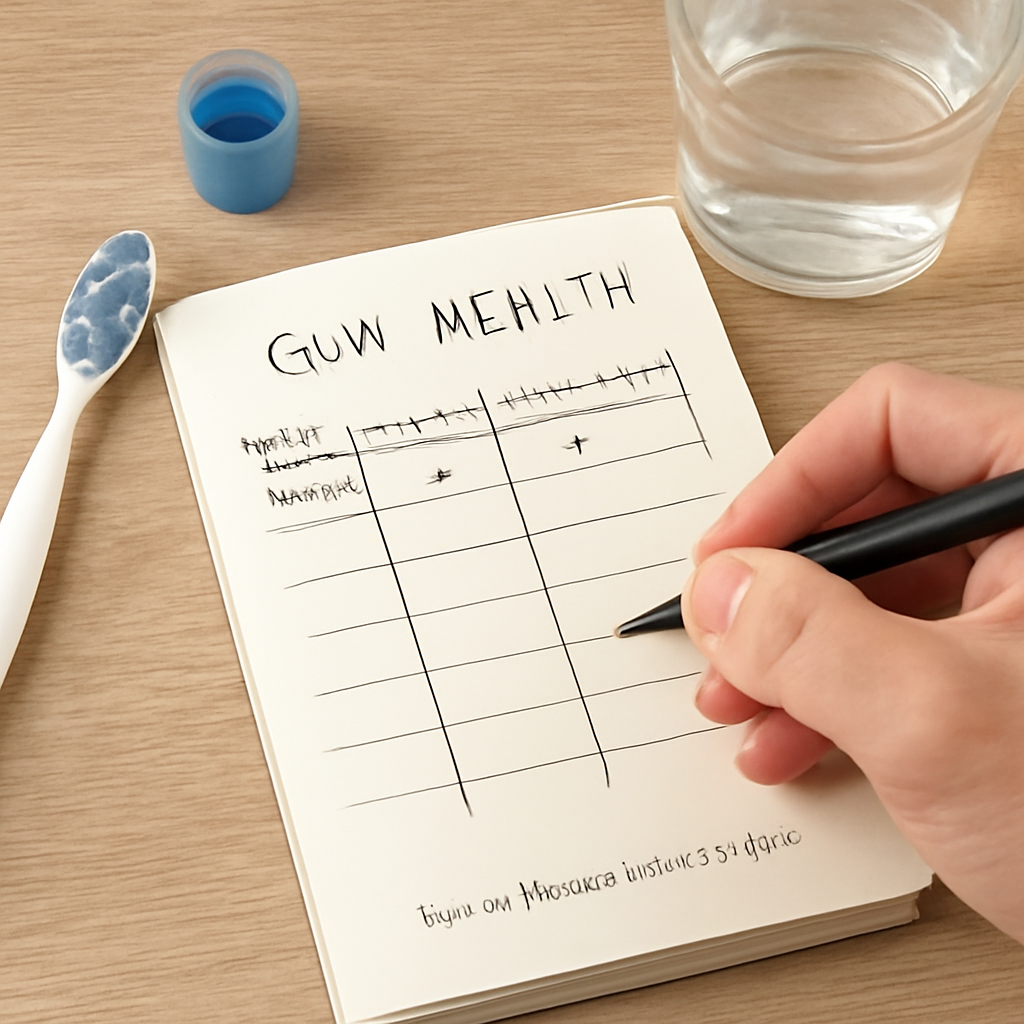
Set up a quick‑look log
Grab a sticky note, a small notebook, or the notes app on your phone. Each morning and night, jot down three things:
- Gum colour or swelling (e.g., "pink, no bleeding" or "red, slight bleed").
- Any film or plaque you can see on the front teeth.
- How your mouth feels – fresh, tingly, sore, or completely normal.
It only takes a few seconds, and after a week you’ll start spotting patterns. If the red spots are fading and the film disappears by lunch, you’re on the right track. If nothing changes after two weeks, it’s a signal to tweak the routine or seek help.
Real‑world checkpoints
Take Maya, a freelance designer who works from cafés across Europe. She started noting that her gums felt less sore after the first three days, but by day ten she saw a tiny line of pink‑red along the gum line that wouldn’t go away. She took her log to a local dentist, who diagnosed early‑stage gingivitis and suggested a deeper clean plus a short course of an antimicrobial rinse. Maya’s quick log saved her from a bigger problem down the road.
Then there’s Tom, a retiree in the Netherlands who uses the mouthwash after every brush. He writes, “Day 5: no bleeding, day 12: still no film, feeling great.” He kept the log for a month, and when his dentist asked about his routine, Tom could show the consistent improvement – the dentist simply gave him a green light to keep going.
When to hit the alarm bell
Even the best plaque‑removing mouthwash can’t fix everything. Watch for these red flags and book an appointment promptly:
- Bleeding that lasts more than a minute after rinsing.
- Persistent bad breath that doesn’t improve after a week of use.
- Pain or tenderness when chewing, especially on one side.
- Visible pockets or gaps forming between gum and tooth.
- Swelling that spikes after meals or when you’re stressed.
If any of these show up more than twice in a 14‑day span, it’s time to let a professional take a look.
Use a simple progress chart
Visual cues are powerful. Draw a three‑column table on a sheet of paper:
Day | Gum Colour / Swelling | Plaque Visible | Notes
Shade the cells green when things improve, yellow for “no change,” and red for a setback. Over a month you’ll see a colour‑coded story of how your mouth is responding. The act of shading also reinforces the habit – you’re literally watching your health improve.
Couple the data with lifestyle tweaks
Sometimes the numbers (or colours) won’t budge because something else is pulling the rug. Check these common culprits:
- Frequent sugary snacks – even a handful of dried fruit can feed plaque.
- Not drinking enough water – saliva is your natural plaque‑fighter.
- Skipping the 15‑minute wait after rinsing before you eat or drink.
Adjust one variable at a time, note the effect in your log, and you’ll pinpoint the real blocker.
Quick self‑check checklist
Before you head to the dentist, run through this short list:
- Did you use the mouthwash exactly as instructed (30‑second “V” swish, no water rinse)?
- Is your log showing at least a slight improvement in gum colour or reduced film?
- Have you ruled out diet or hydration issues?
If the answer is “yes” to all and problems persist, schedule a visit. Dentists can spot early gum recession, hidden calculus, or underlying infections that a mouthwash alone can’t address.
Remember, monitoring isn’t about obsessing over every tiny change – it’s about catching trends early enough to intervene before a small irritation becomes a chronic issue.
 .
.Bottom line: a quick log, a colour‑coded chart, and a keen eye for warning signs turn your daily rinse into a proactive health strategy. Keep the data coming, trust your gut (and your gums), and you’ll know exactly when the routine is winning and when a professional’s expertise is the next step.
FAQ
What exactly is a plaque removing mouthwash and how does it work?
In plain terms, a plaque removing mouthwash is a rinse that contains ingredients designed to break down the sticky bio‑film that clings to teeth after you brush. The formula typically includes bio‑film disruptors (like CBD or plant extracts), mineral boosters that remineralise enamel, and soothing botanicals that calm irritated gums. By swishing for the recommended 30 seconds, those actives get a chance to dissolve the film and leave a protective layer on the tooth surface.
Can I use a plaque removing mouthwash if I have sensitive gums or dental pain?
Absolutely – the very reason we created this type of rinse is to help people whose gums bleed or ache with ordinary, alcohol‑based mouthwashes. The anti‑inflammatory botanicals (neem, clove, tulsi) work gently, while the CBD component is known for its calming effect on inflamed tissue. Start with the standard 30‑second “V” swish, and if you feel a mild tingle, you can begin with a softer 10‑second swirl and build up.
How often should I rinse with a plaque removing mouthwash for best results?
Most of our worldwide users see the biggest benefit with a twice‑daily routine: once after their evening brush and once after the morning brush. If you’re a heavy coffee drinker or snack a lot, a quick 15‑second midday rinse can keep the bio‑film from re‑forming. Just avoid going over three rinses a day; too much can cause a temporary tingling sensation that means you’re over‑saturating the tissues.
Do I need to avoid eating or drinking after using the mouthwash?
Yes – give the active ingredients at least 15 minutes to settle on the enamel before you sip, chew, or snack. That waiting period lets the CBD, minerals, and botanicals form a thin protective coating that continues to fight plaque even after you’ve spit out the rinse. A quick glass of water is fine after the wait, but try to keep food and sugary drinks at bay until the coating has set.
Is it safe to use a plaque removing mouthwash together with other oral‑care products like toothpaste or floss?
Definitely. Think of the mouthwash as the finishing note in a three‑part harmony: brush first, floss second, then rinse. The toothpaste cleans the surface, floss removes debris between teeth, and the rinse attacks the remaining film while soothing the gums. Just remember the “no‑rinse” rule after spitting – don’t follow up with another mouthwash or a water rinse right away.
What signs tell me the mouthwash is actually helping my gums?
Look for a few clear cues: the pink‑red colour of your gums should become a healthier pink, bleeding should lessen or disappear after flossing, and the visible film on front teeth should fade by lunchtime. You might also notice fresher breath that lasts longer and a slight reduction in that tight, uncomfortable feeling when you brush. If these trends appear over a week, the rinse is doing its job.
When should I see a dentist even if I’m using a plaque removing mouthwash?
Even the best rinse can’t replace professional care. Schedule a visit if bleeding lasts more than a minute after rinsing, if you develop persistent bad breath that doesn’t improve after a week, or if you feel pain when chewing on one side. Also, any new pockets or gaps forming between gum and tooth are red flags. A quick dental check‑up will catch early gum recession or hidden calculus that a rinse alone can’t address.
Conclusion
We've walked through how a plaque removing mouthwash fits into a full oral‑care routine, from picking the right formula to mastering the swish and tracking progress. The common thread? Consistency, timing, and a little bit of mindfulness.
So, what does that look like on a busy day? You brush, floss, then cap off the night with a 30‑second V‑shaped rinse – no water afterward, just let the CBD, Dead Sea minerals, and soothing botanicals linger. In the morning, repeat the quick rinse to knock down any overnight biofilm.
Keep a tiny log – gum colour, any film, and how your mouth feels. If you notice steady pink gums, less bleeding, and a fresher breath that lasts, you’re on the right track. If things stall after two weeks, tweak the timing or add a midday top‑up, and don’t hesitate to book a check‑up.
Remember, a mouthwash is a powerful ally, but it’s not a substitute for professional care. Think of it as the final brushstroke on a painting you’ve already prepared.
Ready to give your gums the boost they deserve? Try the routine, watch the changes, and let your smile do the talking.