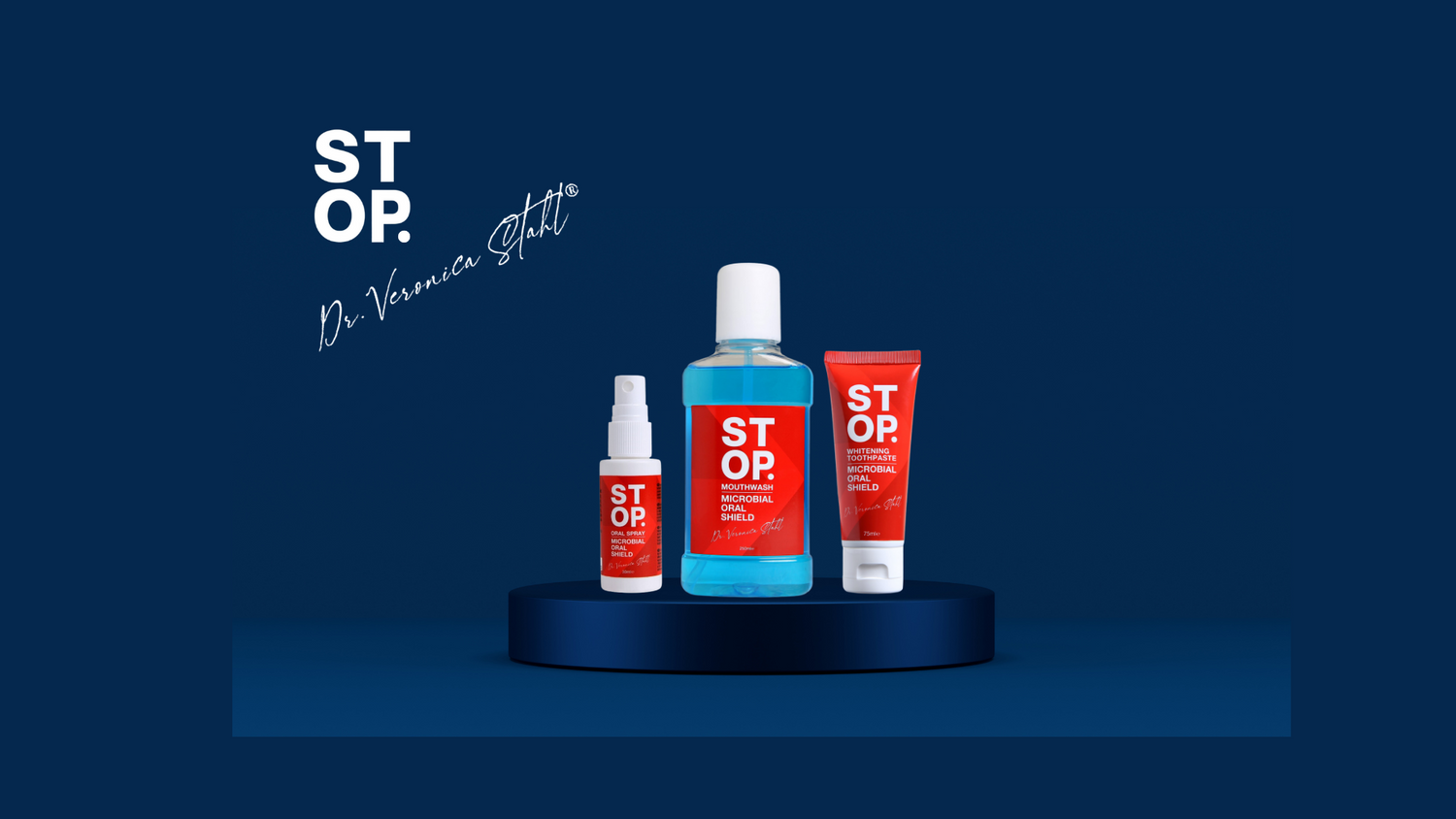


Finding truly gentle oral care without sacrificing effectiveness can feel challenging, especially if you want to avoid fluoride and harsh chemicals. For many thoughtful consumers across France and Germany, the answer lies in natural ingredients with multifunctional benefits. Research now confirms that herbal compounds and minerals like hemp and Dead Sea elements deliver antimicrobial, anti-inflammatory, and antioxidant effects that address multiple oral health concerns at once. This overview makes it simple to understand how botanicals and mineral-rich solutions can support your journey toward a cleaner, stronger smile.
Table of Contents
- Natural Ingredients In Oral Hygiene Explained
- Types Of Natural Ingredients And Their Effects
- How Hemp And Dead Sea Minerals Support Oral Health
- Comparing Natural And Fluoride-Based Oral Care
- Safety, Risks, And Common Mistakes To Avoid
Key Takeaways
| Point | Details |
|---|---|
| Natural Ingredients Offer Comprehensive Benefits | Natural compounds, such as those from hemp and Dead Sea minerals, address multiple oral health issues simultaneously, including antimicrobial, anti-inflammatory, and regenerative effects. |
| Reduced Side Effects Compared to Fluoride | Users of natural oral care products report fewer instances of tooth sensitivity and mucosal irritation than those using conventional fluoride treatments. |
| Holistic Health Alignment | Natural oral care aligns with the wellness philosophy of many consumers in Europe, focusing on prevention and tissue regeneration rather than merely protecting existing dental structures. |
| Consistency is Key to Success | Users should commit to at least four weeks of regular use for natural formulations to demonstrate their full benefits and support oral health effectively. |
Natural Ingredients in Oral Hygiene Explained
The shift toward natural ingredients in oral care reflects a growing body of scientific evidence supporting what many cultures have known for centuries. When you examine the mechanisms behind natural ingredients, you discover that plants and minerals work differently than synthetic additives. They operate through multiple pathways simultaneously. Herbal compounds exhibit antimicrobial, anti-inflammatory, and antioxidant properties that address oral health from multiple angles. This means a single ingredient like hemp can tackle bacterial growth while simultaneously calming inflamed gum tissue. For someone living in Frankfurt or Lyon who has struggled with conventional fluoride treatments, this represents a fundamentally different approach to what healthy teeth and gums actually mean.
The specific benefits of natural ingredients address the core concerns many European consumers face. Antimicrobial action prevents the pathogenic bacteria responsible for cavities and periodontal disease from establishing themselves in your mouth. Anti-inflammatory properties directly reduce the swelling and bleeding associated with gingivitis, which affects roughly 40 percent of adults across Germany and France. Antioxidant compounds protect your oral tissues from oxidative stress caused by diet, environmental factors, and aging. Consider Dead Sea minerals: these contain trace elements that strengthen tooth enamel while facilitating mineral exchange with your teeth. Bee-derived substances like propolis and honey demonstrate significant antimicrobial and anti-inflammatory effects that reduce plaque accumulation and support healing of minor oral wounds. Hemp specifically contains compounds that support tissue regeneration and possess natural antimicrobial characteristics. When these ingredients combine in a formulation designed by Dr. Veronica Stahl and her research team, they create a comprehensive system rather than a single-function product.
What distinguishes natural ingredients in dental care is that they rarely produce the side effects associated with conventional fluoride treatments. Users report fewer cases of fluorosis, tooth sensitivity, and chemical irritation. Your mouth’s natural bacterial ecosystem remains more balanced when exposed to ingredients that work with your oral biology rather than against it. The lack of synthetic additives means reduced exposure to potential endocrine disruptors that some consumers, particularly in Germany and France where regulatory awareness runs high, wish to eliminate from their daily routines. This matters when you consider that you apply these products twice daily, every single day, for decades. The cumulative exposure to natural compounds aligns better with the holistic health philosophy many European consumers already maintain regarding diet and personal care.
Pro tip: When transitioning to natural oral care, give the ingredients 3-4 weeks to show results, as natural formulations work through gentler mechanisms than harsh chemical treatments, and your mouth’s tissues need time to respond to this different support system.
Types of Natural Ingredients and Their Effects
Natural oral care draws power from specific plant compounds and minerals, each contributing distinct therapeutic actions. The most effective ingredients work through multiple mechanisms simultaneously, which explains why they often outperform single-action synthetic alternatives. Neem stands out as perhaps the most researched natural ingredient for oral health. This plant contains compounds that directly attack oral bacteria, reduce gum inflammation, and promote tissue healing. Green tea delivers polyphenols that function as antioxidants, protecting your gum tissue from inflammatory damage while simultaneously inhibiting bacterial growth. Aloe vera provides soothing properties that calm irritated tissues and accelerate the healing of minor oral wounds. Propolis, derived from bee hives, combines antimicrobial strength with anti-inflammatory action that addresses both infection and swelling. Dead Sea minerals contribute trace elements like magnesium and calcium that your teeth actively absorb, strengthening enamel structure. Hemp adds another dimension through cannabinoid compounds that support tissue regeneration and possess inherent antimicrobial characteristics. When you examine how natural ingredients like neem and green tea manage plaque and gingivitis, the research shows they achieve results comparable to conventional treatments while introducing fewer side effects.

The specific effects these ingredients produce address the actual concerns affecting German and French consumers. Antimicrobial action targets the bacterial species responsible for both cavity formation and periodontal disease progression. You encounter bacteria like Streptococcus mutans and Porphyromonas gingivalis constantly, and conventional products simply kill them through harsh chemical action. Natural compounds work more subtly, making it difficult for these bacteria to establish themselves in your mouth without the collateral damage to beneficial oral flora. Anti-inflammatory effects address gingivitis at its root by calming the immune overresponse that causes swelling and bleeding. Antioxidant protection shields your gum tissues from oxidative stress caused by smoking, alcohol, dietary habits, and aging. Analgesic properties reduce discomfort without numbing your mouth completely. Healing effects accelerate tissue repair, meaning minor wounds and irritated areas recover faster. Systematic reviews demonstrate that natural formulations achieve comparable plaque reduction to synthetic products while patients report better tolerance and fewer instances of tooth sensitivity. This matters in practical terms: you stick with treatments that feel comfortable, making consistency and compliance higher with natural formulations.
The phytochemical profiles behind these ingredients explain their multifaceted benefits. These are the active compounds within plants that plants themselves produce for protection and health. When you use products containing these compounds, you’re accessing millions of years of plant evolution designed to combat microbial threats. Neem contains azadirachtin and other sulfur compounds that bacteria simply cannot develop resistance against. Green tea’s catechins function as antioxidants but also prevent bacterial adhesion to tooth surfaces. Aloe vera contains polysaccharides and lectins that stimulate healing processes in gum tissue. Propolis delivers over 300 bioactive compounds including flavonoids that work synergistically. Benefits of natural toothpaste for sensitive teeth become apparent when you understand that these gentler compounds strengthen enamel structure rather than simply masking sensitivity through numbing agents. The combination approach used by Stop Oral Care, where multiple natural ingredients work together in formulations developed by Dr. Veronica Stahl, creates what researchers call a comprehensive therapeutic system. Your mouth benefits not from a single sledgehammer effect but from coordinated action across multiple biological pathways simultaneously.
Pro tip: Start by using one natural oral care product for a full month before evaluating results, since your mouth’s bacterial ecosystem and tissue response patterns require time to shift from conventional treatments, and premature switching prevents you from experiencing the full benefits these ingredients deliver.
How Hemp and Dead Sea Minerals Support Oral Health
Hemp and Dead Sea minerals represent two distinct yet complementary approaches to natural oral care, each addressing different aspects of dental health through different biological mechanisms. Hemp contains compounds that work at the cellular level, while Dead Sea minerals provide structural support for tooth and gum tissue. Understanding how these ingredients function separately and together explains why formulations combining them create such comprehensive results. Hemp seed oil and hemp-derived compounds like cannabinoids deliver anti-inflammatory and antimicrobial properties that reduce gum inflammation while simultaneously inhibiting bacterial growth. This dual action matters because many oral problems involve both infection and inflammatory response simultaneously. When bacteria establish themselves in periodontal pockets, your immune system overreacts, causing the swelling and bleeding associated with gingivitis. Hemp compounds calm this immune overresponse while eliminating the bacterial trigger, addressing the problem from both directions. Dead Sea minerals, by contrast, work through a different pathway entirely. These minerals contain trace elements like magnesium, calcium, potassium, and bromide that your teeth and gums actively absorb and utilize. Magnesium strengthens crystalline enamel structure, making your teeth more resistant to acid attack. Calcium supports bone density in your jaw, preventing the bone loss that accompanies advanced periodontal disease. Bromide possesses natural antimicrobial characteristics that complement hemp’s action.
The practical impact of these ingredients becomes evident when you consider what actually happens in your mouth daily. Your saliva constantly bathes your teeth and gums, and the mineral content of that saliva directly influences enamel health. When you use products containing Dead Sea minerals, you’re replenishing the mineral supply your mouth needs for optimal function. Think of it like this: conventional fluoride coats your tooth surface, but Dead Sea minerals actively strengthen the underlying structure. Hemp compounds penetrate deeper, addressing inflammation at the cellular level where it originates. Together, plant-infused oral care formulations with hemp and Dead Sea salt create what Dr. Veronica Stahl’s research team describes as a regenerative system rather than simply a protective barrier. Your gums don’t just stop bleeding and swelling; they actually heal and strengthen. Your teeth don’t just resist decay; they remineralize. This distinction matters tremendously for long-term oral health. Over five years or ten years, the difference between temporary symptom management and actual tissue regeneration accumulates substantially. German and French consumers, accustomed to thinking about health holistically rather than treating isolated symptoms, recognize this regenerative approach as aligned with their broader wellness philosophy.
The synergistic effect of combining hemp and Dead Sea minerals deserves specific attention. Neither ingredient works in isolation as effectively as they do together. Hemp’s anti-inflammatory and antimicrobial action creates an environment where healing can occur. Dead Sea minerals then supply the building blocks your tissues need to actually repair and strengthen. Your gums contain collagen, proteoglycans, and mineralized bone, all of which require specific trace elements to rebuild after inflammatory damage. Calcium and magnesium from Dead Sea minerals enable this reconstruction. Meanwhile, hemp compounds prevent new inflammation from disrupting the healing process. The cannabinoids in hemp also support what researchers call the endocannabinoid system in oral tissues, which regulates pain perception and immune response. This means users often report reduced sensitivity and discomfort alongside visible improvements in gum appearance. Bleeding stops first, usually within two to three weeks. Swelling reduces gradually over four to eight weeks. Tissue color improves as blood flow normalizes and inflammatory mediators decrease. Some users with receding gums report actual tissue regeneration, though this requires consistent use over several months. The reason this progression follows a predictable timeline relates to how tissue healing actually works biologically: first inflammation must reduce, then new cells must form, then these cells must mature and produce structural proteins. You cannot accelerate this process, but you can support it optimally by providing both the anti-inflammatory action hemp delivers and the mineral substrate Dead Sea minerals supply.
Pro tip: Pair your hemp and Dead Sea mineral toothpaste with consistent twice-daily use and a dedicated mouthwash containing the same ingredients, since the combination of ingredients working throughout the day produces substantially faster and more dramatic results than using only one product.
Comparing Natural and Fluoride-Based Oral Care
The debate between natural and fluoride-based oral care has shifted dramatically in recent years as scientific evidence accumulates supporting both approaches. Rather than viewing these as opposing camps, it helps to understand what each accomplishes and where they differ fundamentally. Fluoride has dominated conventional dentistry for over seventy years because it demonstrates clear effectiveness at preventing dental caries through a specific mechanism: it makes enamel more resistant to acid attack by forming fluorapatite crystals on the tooth surface. This mechanism works, and dentists worldwide have documented measurable cavity reduction in populations using fluoride toothpaste consistently. However, the mechanism tells you something important: fluoride is primarily defensive. It protects existing tooth structure from decay but does not regenerate damaged tissue or address underlying inflammation. Natural oral care products operate through entirely different mechanisms. Natural toothpastes with herbal ingredients like neem and aloe vera achieve comparable gingivitis reduction to fluoride formulations while producing fewer adverse effects like mucosal irritation and oral sensitivity. Rather than coating teeth defensively, natural ingredients address the root causes of oral disease: bacterial colonization, inflammatory response, and mineral deficiency. This distinction matters tremendously when you evaluate long-term oral health outcomes.
The practical differences emerge when you consider what happens in your mouth over years of use. Fluoride works topically, meaning it affects primarily the outer enamel surface where it forms protective compounds. Users consistently experience cavity prevention when fluoride exposure remains consistent. However, fluoride does not address gum disease, which progresses through inflammation and bone loss driven by bacterial biofilm and immune overresponse. Some users experience tooth sensitivity from fluoride exposure, particularly if they have thin enamel or gum recession. A small percentage report mucosal irritation or other systemic concerns, which has driven research into alternatives. Natural formulations containing neem, aloe vera, propolis, and hemp address multiple pathways simultaneously. Antimicrobial action reduces bacterial load. Anti-inflammatory action calms immune response. Antioxidant protection shields tissues from oxidative damage. Mineral supplementation like Dead Sea elements strengthens both enamel and bone structure. Fluoride-free alternatives using hydroxyapatite and natural remineralizing agents match fluoride performance for cavity prevention while supporting tissue regeneration rather than merely preventing decay. This means your teeth become stronger and your gums actually heal rather than remaining perpetually inflamed beneath a protective chemical barrier.
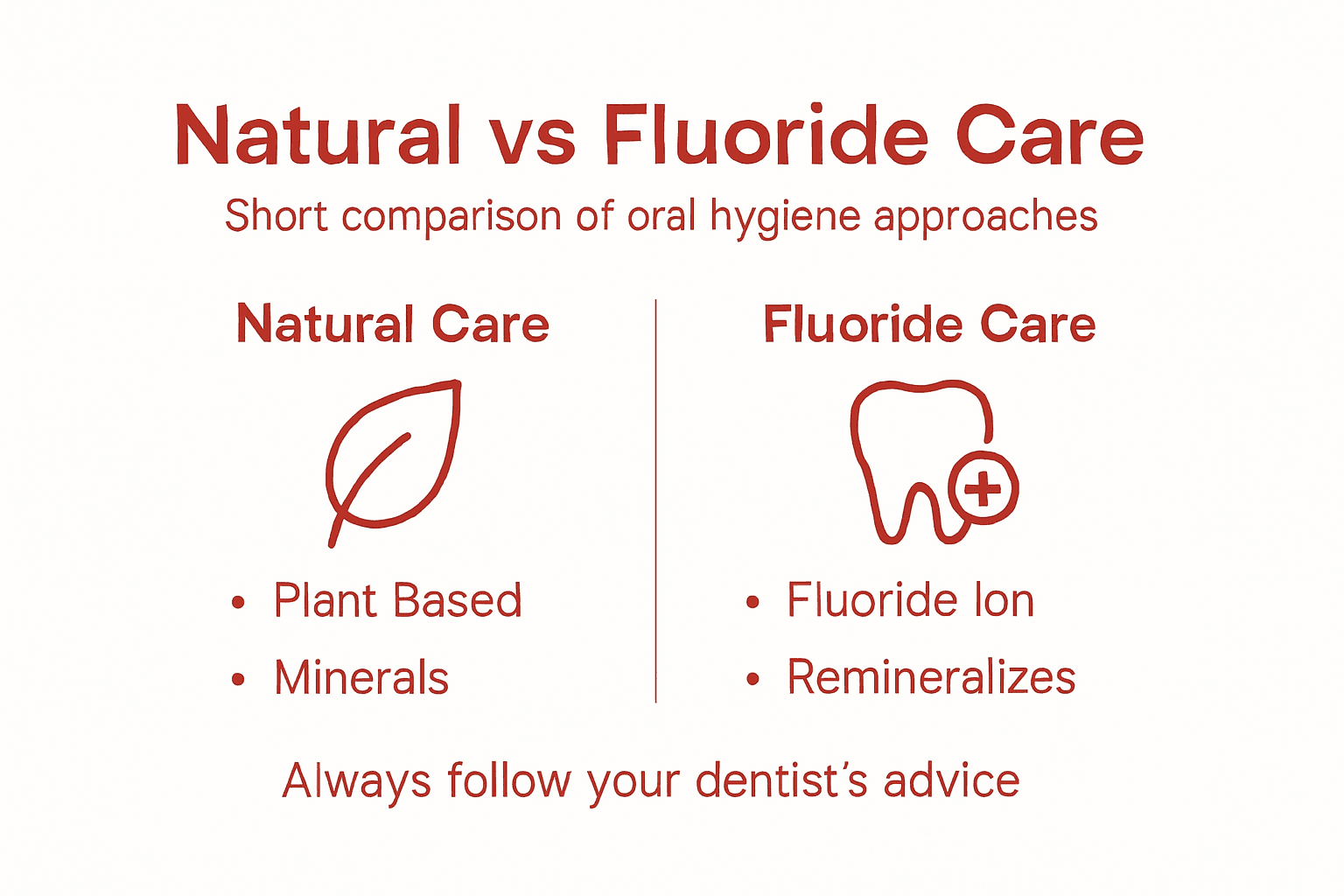
For German and French consumers specifically, the choice between these approaches often reflects deeper values about health philosophy. European regulatory frameworks tend to be more cautious about fluoride, particularly regarding systemic exposure through water fluoridation and cumulative daily ingestion from toothpaste. Many parents in these regions prefer avoiding unnecessary fluoride exposure, especially for young children whose developing systems have greater sensitivity to trace elements. How to switch to fluoride-free dental care naturally requires understanding that the transition involves allowing your mouth’s natural healing mechanisms to activate after potentially years of relying on fluoride’s defensive protection. This transition typically takes four to eight weeks, during which gum inflammation may temporarily increase as your immune system actively processes accumulated bacterial biofilm rather than merely suppressing it chemically. The endpoint, however, delivers superior results: gums that heal and strengthen rather than remaining dependent on chemical intervention. Your teeth remineralize through natural processes rather than relying on topical fluoride applications. Your overall oral microbiome balances toward beneficial bacteria rather than remaining suppressed. This regenerative approach aligns with the holistic health principles that motivate many European consumers to seek natural alternatives.
The choice ultimately depends on your specific oral health needs and your philosophy about prevention versus regeneration. If you have significant active cavity disease and want rapid protective action, fluoride demonstrates unmatched efficiency. If you struggle with gum disease, sensitivity, inflammation, or systemic health concerns and want solutions addressing root causes, natural formulations deliver superior outcomes. Many consumers find that starting with natural products and giving them adequate time produces results matching or exceeding fluoride alternatives while supporting overall health rather than addressing oral health in isolation. Stop Oral Care’s formulations, developed by Dr. Veronica Stahl and her research team, represent the cutting edge of natural oral care, combining multiple mechanism-of-action ingredients to deliver comprehensive results without fluoride or synthetic additives. The evidence increasingly supports that this represents not a compromise but an advancement in how we think about oral health.
Here’s how natural and fluoride-based oral care approaches differ in key areas:
| Attribute | Natural Oral Care | Fluoride-Based Oral Care |
|---|---|---|
| Main Mechanism | Addresses root causes | Provides acid resistance |
| Gum Disease Impact | Reduces inflammation, supports healing | Mainly prevents cavities |
| Long-Term Effects | Regenerates tissues, strengthens enamel | Protects enamel, may not heal gums |
| Common Side Effects | Rare, possible plant sensitivities | Tooth sensitivity, possible irritation |
| Preferred By | Holistic, ingredient-conscious consumers | Rapid cavity prevention seekers |
Pro tip: If transitioning from fluoride, expect your gums to experience temporary inflammation as your mouth’s natural immune response activates, but this phase typically resolves within four to six weeks as natural ingredients reduce bacterial load and inflammation simultaneously.
Safety, Risks, and Common Mistakes to Avoid
Natural oral care products deliver genuine benefits, but they are not automatically risk-free simply because their ingredients come from plants and minerals. Understanding potential safety concerns and how to avoid common mistakes determines whether your transition to natural products succeeds or creates unexpected problems. The primary safety consideration involves allergic reactions and sensitivities. Natural ingredients like neem, aloe vera, propolis, and hemp contain multiple bioactive compounds, and some people react to specific components within these ingredients. Someone with a bee allergy, for instance, should avoid propolis-containing products entirely. Others may experience contact dermatitis from essential oils or plant extracts if their skin barrier is compromised. Natural oral care products require careful use given potential allergic reactions and ingredient concentration variability that can affect both efficacy and safety. The second critical safety issue concerns ingredient concentration. Reputable manufacturers like Stop Oral Care standardize their formulations and concentrate ingredients to therapeutically effective levels while maintaining safety margins. However, not all natural product companies follow rigorous quality control standards. Variable ingredient concentrations mean you cannot guarantee efficacy, and in some cases, excessive concentrations of certain plant compounds could theoretically cause irritation. This is why selecting products from manufacturers with scientific backing and transparent ingredient documentation matters tremendously. Dr. Veronica Stahl’s formulations specify exact ingredient percentages and concentrations, eliminating the guesswork that plagues less rigorous companies.
A frequently overlooked but serious risk involves accidental ingestion, particularly affecting children. Unlike conventional toothpastes where fluoride toxicity concerns are well-established and publicized, toothpaste ingestion risks are less commonly discussed for natural products, though caregivers must enforce proper usage and prevent accidental swallowing. Parents in Germany and France rightly worry about children ingesting toothpaste, and while natural formulations reduce fluoride toxicity risks, concentrated plant extracts and minerals still pose theoretical concerns if swallowed in significant quantities. The solution is straightforward: supervise young children during brushing, teach them to spit rather than swallow, and store toothpaste securely where children cannot access it independently. This applies equally to all toothpastes, natural or conventional. Another mistake people commonly make involves expecting immediate results and abandoning products prematurely. Natural formulations work more gently than harsh chemical treatments, which means they require consistent use over adequate timeframes before delivering visible results. Your mouth’s tissue turnover, bacterial ecosystem rebalancing, and inflammatory response all follow biological timelines you cannot accelerate. Gum bleeding typically stops within two to three weeks, but complete tissue healing requires six to twelve weeks of consistent twice-daily use. Users who switch products every week or two never allow their mouth’s biology to respond adequately and conclude natural products do not work based on insufficient trial.
A third common mistake involves using natural products as replacements for professional dental care. Natural ingredients support excellent oral health, but they do not replace professional cleanings, diagnostic examination, or treatment of existing dental disease. Someone with undiagnosed cavities or advanced periodontal disease needs professional intervention regardless of their toothpaste choice. Natural oral care excels at prevention and maintenance alongside professional care. It performs poorly when expected to serve as a sole treatment for significant existing disease. Additionally, some users make the mistake of assuming all natural products are created equally. Ingredient sourcing, manufacturing standards, and formulation design vary dramatically across the market. Products made in unregulated facilities using poorly-sourced ingredients deliver unreliable results and sometimes introduce contaminants. Products formulated by dental specialists like Dr. Veronica Stahl, manufactured under strict quality control, and containing standardized ingredient concentrations deliver consistent, reliable results. The price difference reflects this quality disparity, and attempting to save money by purchasing poorly-made natural products ultimately costs more in disappointing results and wasted purchases.
Storage and usage mistakes also undermine results. Natural ingredients are often more sensitive to temperature extremes, light exposure, and humidity than conventional products. Leaving your toothpaste in a hot bathroom or direct sunlight can degrade bioactive compounds, reducing efficacy without your knowledge. Proper storage in a cool, dry location away from direct sunlight preserves ingredient stability. Additionally, using too little product or brushing for insufficient time wastes the benefits these ingredients offer. Natural formulations work optimally when used generously and with adequate brushing time to allow ingredients contact with all tooth and gum surfaces. Finally, failing to maintain consistency defeats the purpose. Natural oral care delivers benefits through sustained, consistent use. If you brush thoroughly twice daily for two weeks and then skip three days, your mouth’s biology resets, and inflammatory processes recommence. The key to success involves treating natural oral care as a permanent lifestyle change rather than a temporary experiment.
Common mistakes can undermine results; here’s what to watch out for:
| Mistake | What Happens | Prevention Tip |
|---|---|---|
| Inconsistent Usage | Reduced effectiveness | Brush twice daily for months |
| Failing to Check Allergies | Adverse reactions possible | Review ingredients carefully |
| Expecting Instant Results | Premature product switching | Allow at least 4 weeks for change |
| Using Low-Quality Products | Unreliable outcomes | Choose reputable manufacturers |
| Improper Storage | Active compounds degrade | Store cool, dry, shielded from sun |
Pro tip: Store your natural toothpaste and mouthwash in a cool, dry cabinet away from direct sunlight and heat, and use generous amounts with thorough two-minute brushing twice daily to maximize ingredient contact with teeth and gum tissues.
Experience the Power of Natural Ingredients for Your Oral Health Today
If you have been seeking a solution that tackles the root causes of oral issues such as gum inflammation, bacterial imbalance, and enamel weakening you are not alone. Many consumers struggle with the side effects of conventional fluoride products and want a natural alternative that supports regeneration and long-term wellness. This article highlighted the unique benefits of hemp and Dead Sea minerals working together to provide antimicrobial, anti-inflammatory, and remineralizing effects with none of the typical chemical irritation.

Discover how Stop Oral Care’s innovative, fluoride-free formulations combine these scientifically backed ingredients crafted by Dr. Veronica Stahl to deliver healthier gums and stronger teeth. Visit our STOP Oral Care collection to explore the full range of natural toothpaste, mouthwash, and oral sprays designed for those who value safety and holistic oral health. Take control of your smile and embrace a truly regenerative approach for lasting results. Start your natural oral care journey now at https://stop-oralcare.com and experience a new standard in prevention and healing.
Frequently Asked Questions
What are the benefits of using natural ingredients in oral hygiene products?
Natural ingredients provide multiple benefits, including antimicrobial, anti-inflammatory, and antioxidant properties that help combat bacterial growth, reduce gum inflammation, and protect oral tissues from oxidative stress.
How do natural ingredients compare to fluoride in oral care?
Natural ingredients address root causes of dental issues like bacterial colonization and inflammation, while fluoride primarily protects existing tooth structure by enhancing acid resistance. Natural products often produce fewer side effects and support long-term healing of gums and teeth.
How long does it typically take to see results from natural oral care products?
It generally takes about 3-4 weeks of consistent use to see visible improvements, as natural formulations work more gently than chemical treatments and require time for the mouth’s tissues to respond.
Are there any risks associated with using natural oral care products?
While natural ingredients are typically safe, there can be risks of allergic reactions or sensitivities to specific compounds. It’s essential to check ingredient lists and consult a healthcare professional if you have concerns.