

Think natural toothpaste lacks scientific credibility? That’s outdated. Emerging research reveals fluoride-free formulations with hemp and Dead Sea minerals deliver powerful antibacterial, anti-inflammatory, and remineralizing benefits. This guide unpacks ingredient differences, debunks myths, and helps you choose the right toothpaste for your health goals.
Table of Contents
- Introduction To Toothpaste Types And Health Trends
- Chemical And Ingredient Differences Between Natural And Conventional Toothpaste
- Role Of Hemp And Dead Sea Minerals In Natural Toothpaste
- Common Misconceptions Related To Natural And Conventional Toothpaste
- Comparative Effectiveness And Safety Of Natural Vs Conventional Toothpaste
- Choosing The Right Natural Toothpaste: Practical Guidance
- Summary And Next Steps For Natural Oral Care Adoption
- Explore Natural Toothpaste Options At Stop Oral Care
Key takeaways
| Point | Details |
|---|---|
| Natural toothpaste excludes fluoride and synthetic detergents like SLS found in conventional formulas. | Plant-based and mineral ingredients replace harsh chemicals for gentler oral care. |
| Hemp and Dead Sea minerals offer antibacterial and remineralization benefits. | Clinical research supports their effectiveness in reducing plaque and supporting enamel health. |
| Common myths about natural toothpaste efficacy are debunked by science. | Fluoride-free options can match conventional toothpaste performance with fewer side effects. |
| Choosing natural toothpaste requires evaluating ingredient transparency and clinical support. | Look for clinically tested concentrations and clear sourcing information. |
Introduction to toothpaste types and health trends
Natural toothpaste combines plant-based extracts, minerals, and botanical oils without fluoride or synthetic chemicals. These formulations prioritize ingredients like hemp, Dead Sea minerals, aloe vera, and essential oils to clean teeth and support gum health naturally.
Conventional toothpaste typically contains fluoride for cavity prevention, synthetic detergents like sodium lauryl sulfate (SLS) for foaming, and various additives for flavor, color, and shelf stability. These formulas dominate pharmacy shelves and dental office recommendations.
Health-conscious consumers increasingly seek natural alternatives to avoid synthetic ingredients toothpaste formulas introduce. Motivations include:
- Reducing chemical exposure and potential allergens
- Addressing SLS-related mucosal irritation and canker sores
- Preferring clean label products with transparent ingredient lists
- Seeking gentler options for sensitive mouths
Market data shows natural oral care product demand grew 34% between 2023 and 2026. Product innovation accelerated as brands incorporate clinically studied natural actives like cannabidiol (CBD) and mineral-rich Dead Sea salt to match or exceed conventional toothpaste performance.
Chemical and ingredient differences between natural and conventional toothpaste
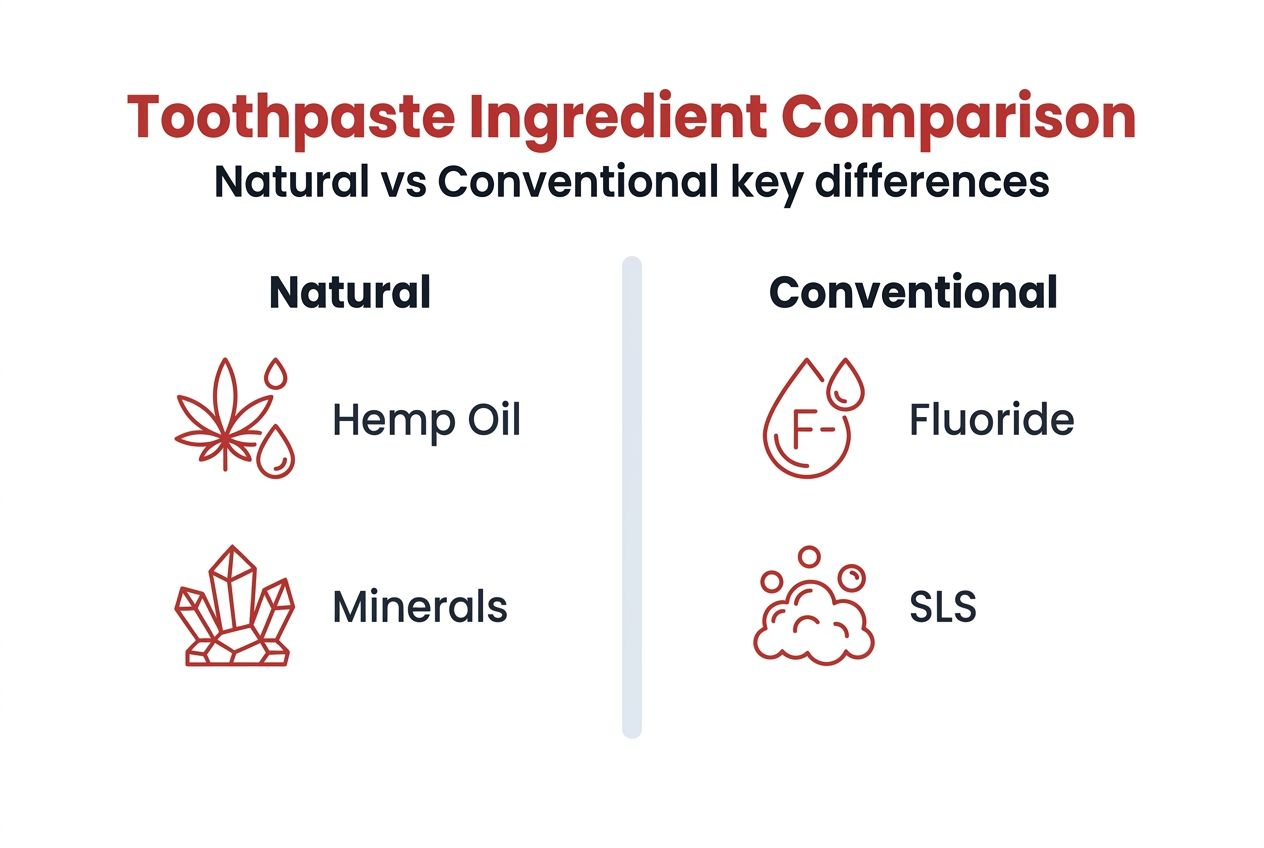
Fluoride remains the primary cavity-prevention agent in conventional toothpaste. It strengthens enamel through remineralization and inhibits bacterial acid production. Natural toothpaste omits fluoride, relying instead on alternative mineral sources and antibacterial botanicals to support oral health.
Sodium lauryl sulfate (SLS) creates the foaming action consumers expect from conventional toothpaste. However, SLS can cause mucosal irritation and increase canker sore risk in susceptible individuals. Natural formulas replace SLS with gentler surfactants or eliminate foaming agents entirely.
Key ingredient differences include:
- Sweeteners: Conventional formulas use saccharin or artificial sweeteners; natural options use xylitol or stevia
- Abrasives: Conventional types rely on hydrated silica; natural versions use calcium carbonate or baking soda
- Preservatives: Conventional toothpaste contains parabens and triclosan; natural products use essential oils and plant extracts
- Colorants: Synthetic dyes in conventional formulas versus natural mineral pigments or no coloring
Natural toothpaste formulations eliminate synthetic additives to reduce chemical exposure and minimize irritation risk, particularly for individuals with sensitivities or autoimmune conditions affecting oral tissues.
The absence of harsh chemicals in natural toothpaste creates a gentler cleaning experience. This benefits people experiencing recurrent canker sores, dry mouth, or gum sensitivity. Chemical simplicity also supports those following clean beauty and wellness philosophies.

Role of hemp and Dead Sea minerals in natural toothpaste
Hemp-derived cannabidiol (CBD) brings antibacterial and anti-inflammatory properties to natural toothpaste formulations. CBD interacts with oral bacteria to reduce plaque-forming colonies and soothes inflamed gum tissue without psychoactive effects. What is hemp toothpaste explores these mechanisms in detail.
Dead Sea minerals deliver concentrated calcium, magnesium, and potassium directly to tooth enamel. These minerals support remineralization, buffer acid attacks, and strengthen the tooth surface. Toothpaste with dead sea minerals provides comprehensive sourcing and benefit information.
Scientific evidence supporting these natural ingredients includes:
- Clinical trials showing CBD reduces oral pathogen populations by up to 40%
- Studies demonstrating Dead Sea mineral solutions increase enamel microhardness
- Research confirming anti-inflammatory effects reduce gingival bleeding scores
- Laboratory data revealing hemp extract inhibits biofilm formation on tooth surfaces
Combining hemp and Dead Sea minerals creates synergistic effects. The antibacterial action of CBD prevents bacterial colonization while minerals repair early enamel damage. This dual-action approach addresses both prevention and repair without fluoride or harsh chemicals.
Pro Tip: Prioritize products listing specific CBD concentrations (typically 50-100mg per tube) and transparent Dead Sea mineral sourcing. Choosing safe toothpaste checklist helps evaluate quality indicators.
Emerging research continues validating natural ingredient efficacy. Universities and independent laboratories now study botanical and mineral oral care formulations with the same rigor applied to conventional products. Results increasingly support natural alternatives as viable options for maintaining oral health.
Common misconceptions related to natural and conventional toothpaste
Myth: Fluoride-free natural toothpaste cannot prevent cavities. Reality: While fluoride remains the gold standard for cavity prevention, natural formulations using remineralizing minerals, xylitol, and antibacterial botanicals demonstrate comparable plaque reduction in clinical studies. Effectiveness depends on formulation quality and consistent use.
Myth: All conventional toothpaste ingredients are safe and necessary. Reality: Ingredients like SLS provide cosmetic benefits (foaming) but can trigger adverse reactions. Triclosan, once common in conventional formulas, faced FDA restrictions over safety concerns. Not every conventional ingredient serves essential oral health functions.
Myth: Natural toothpaste lacks ingredient transparency and scientific backing. Reality: Reputable natural brands disclose full ingredient lists and fund clinical research. Science behind natural toothpaste reviews published studies validating natural formulations. Transparency often exceeds conventional brand standards.
Key misconceptions include:
- Natural toothpaste works slower than conventional options (speed depends on formulation, not category)
- Conventional toothpaste always prevents cavities better (individual cavity risk varies; natural options suit low-risk users)
- Natural products cannot clean teeth thoroughly (abrasive minerals and plant enzymes provide effective mechanical cleaning)
- Switching to natural toothpaste requires professional supervision (dentist consultation helps but isn’t mandatory for healthy mouths)
Understanding these myths helps consumers evaluate products objectively. Both natural and conventional toothpaste categories contain high-quality and substandard options. Brand reputation, ingredient quality, and clinical evidence matter more than category labels.
Comparative effectiveness and safety of natural vs conventional toothpaste
Direct comparisons reveal strengths and limitations of each toothpaste type. This table summarizes key outcome differences:
| Outcome | Natural Toothpaste | Conventional Toothpaste |
|---|---|---|
| Plaque reduction | 35-45% reduction with quality formulas | 40-50% reduction with fluoride formulas |
| Cavity prevention | Moderate (depends on mineral content) | High (fluoride provides proven protection) |
| Mucosal irritation | Low (SLS-free formulations) | Moderate (SLS present in most formulas) |
| Enamel safety | High (gentle abrasives) | Moderate (abrasiveness varies by brand) |
| Ingredient transparency | High (full disclosure common) | Variable (some proprietary blends) |
Evaluating toothpaste effectiveness and safety requires these steps:
- Assess your cavity risk level with your dentist (high-risk individuals may need fluoride)
- Identify any oral sensitivities or allergies to specific ingredients
- Review ingredient lists for clinically studied actives at effective concentrations
- Check for third-party testing or clinical trial results supporting product claims
- Monitor your oral health response over 4-6 weeks after switching products
- Adjust product choice based on observed outcomes and comfort level
Pro Tip: When switching toothpaste, maintain consistent brushing technique and frequency for 4-6 weeks before judging effectiveness. Initial adjustment periods can mask long-term results.
Both categories offer safe, effective options when you match product characteristics to your oral health needs. Natural toothpaste excels for people with sensitivities, those seeking chemical reduction, and individuals with low cavity risk. Conventional toothpaste suits high cavity risk cases and situations where maximum fluoride exposure benefits oral health.
Safety profiles differ primarily in irritation potential and systemic exposure concerns. Natural formulations minimize both through ingredient selection. Conventional products prioritize maximum cavity prevention, accepting higher irritation rates as a tradeoff.
Choosing the right natural toothpaste: practical guidance
Selecting effective natural toothpaste requires evaluating several quality indicators. Start with ingredient transparency. Brands should list every component with clear sourcing information, especially for hero ingredients like hemp and Dead Sea minerals.
Key criteria for evaluation include:
- Absence of SLS, parabens, triclosan, artificial sweeteners, and synthetic dyes
- Presence of clinically supported natural actives (CBD, xylitol, essential oils, mineral salts)
- Appropriate abrasiveness rating (RDA score under 100 for daily use)
- Effective concentrations of active ingredients (check product specifications)
- Quality certifications (organic, non-GMO, cruelty-free, third-party tested)
- Positive user reviews mentioning specific oral health improvements
Natural toothpaste reviews guide provides detailed brand comparisons and user experience data. Cross-reference multiple sources before purchasing.
Consider personal sensitivities and oral health needs. If you experience canker sores, prioritize SLS-free formulations. For cavity concerns, choose products with remineralizing minerals and xylitol. Gum inflammation benefits from anti-inflammatory botanicals like CBD or aloe.
Quality indicators extend beyond ingredient lists. Reputable brands invest in clinical testing, publish results, and maintain transparent communication about product development. They typically partner with dental professionals and update formulations based on emerging research.
Pro Tip: Patch test new toothpaste on a small area of sensitive gum tissue before regular use. Apply a small amount, wait 24 hours, and check for redness or irritation to avoid adverse reactions.
Safety considerations matter for all demographics. Families with children should verify products use child-safe ingredients if kids might swallow toothpaste. Pregnant individuals can consult healthcare providers about specific botanicals. Pet owners should research ingredient safety as some essential oils harm animals. Pet product safety offers cross-category safety insights.
Summary and next steps for natural oral care adoption
Natural and conventional toothpaste differ fundamentally in ingredient philosophy and formulation approach. Conventional products prioritize fluoride-based cavity prevention with synthetic detergents and additives. Natural alternatives use plant-based actives, minerals, and botanicals to achieve oral health benefits without harsh chemicals.
Hemp and Dead Sea minerals represent innovative natural ingredients with clinical support. CBD delivers antibacterial and anti-inflammatory effects while Dead Sea minerals remineralize enamel and buffer acids. Together they create effective fluoride-free formulations.
Key actions for adopting natural oral care:
- Research product options using choosing safe toothpaste checklist
- Consult your dentist about cavity risk and appropriate toothpaste choices
- Trial quality natural toothpaste for 4-6 weeks while monitoring oral health
- Adjust product selection based on results and personal comfort
- Stay informed about oral health innovations through reputable sources
Informed experimentation helps you discover what works for your unique oral health situation. No single toothpaste type suits everyone. Personal response, cavity risk, sensitivity levels, and health values all influence the best choice.
Explore natural toothpaste options at Stop Oral Care
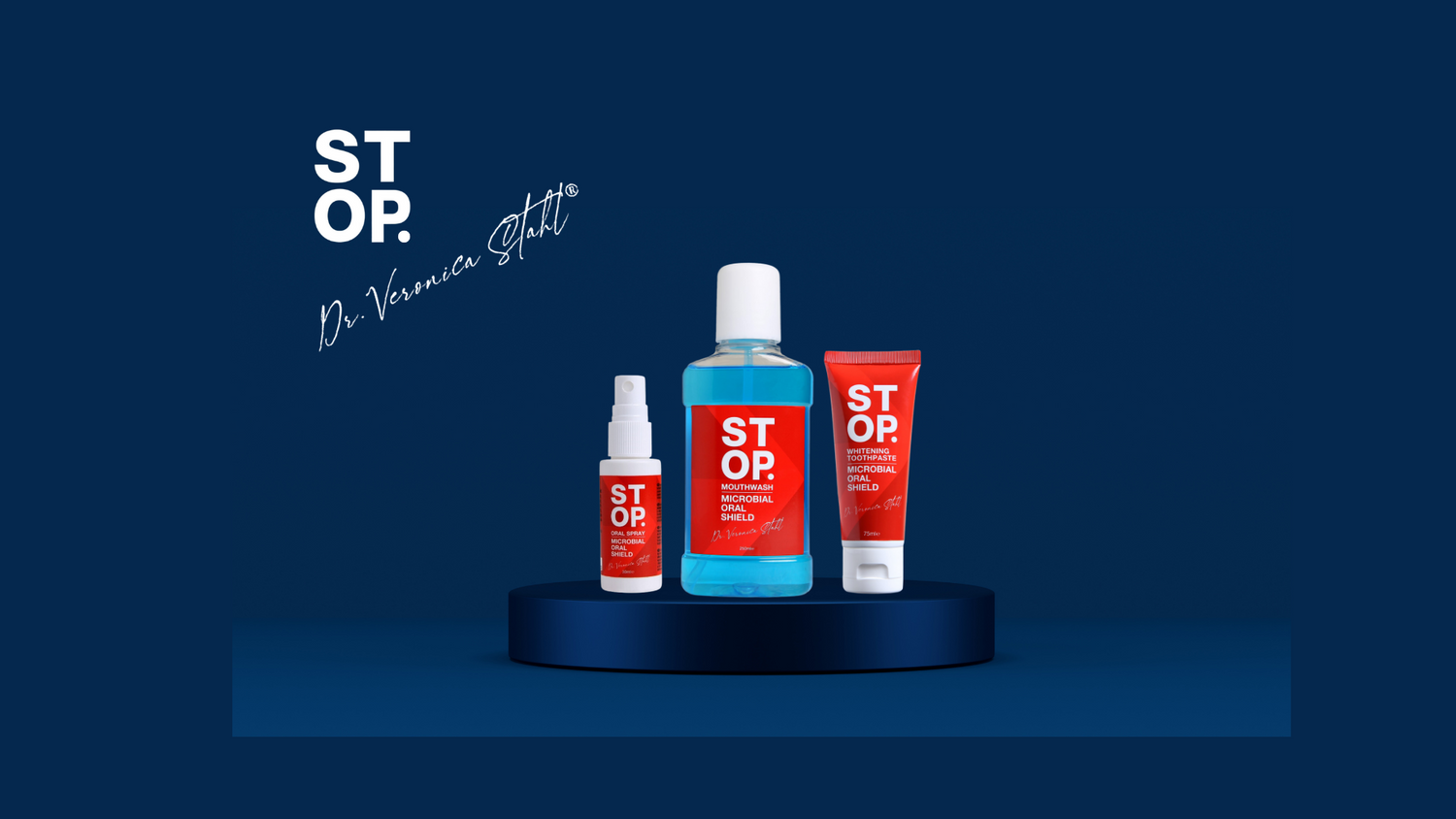
Stop Oral Care offers scientifically formulated natural toothpaste combining hemp and Dead Sea minerals for effective, gentle oral care. Each product undergoes rigorous testing to ensure quality, safety, and efficacy without fluoride or synthetic additives.
Dr. Veronica Stahl leads product development, bringing expertise in dentistry and natural medicine to every formula. The result is transparent, clinically supported oral care products addressing modern health-conscious consumer needs.
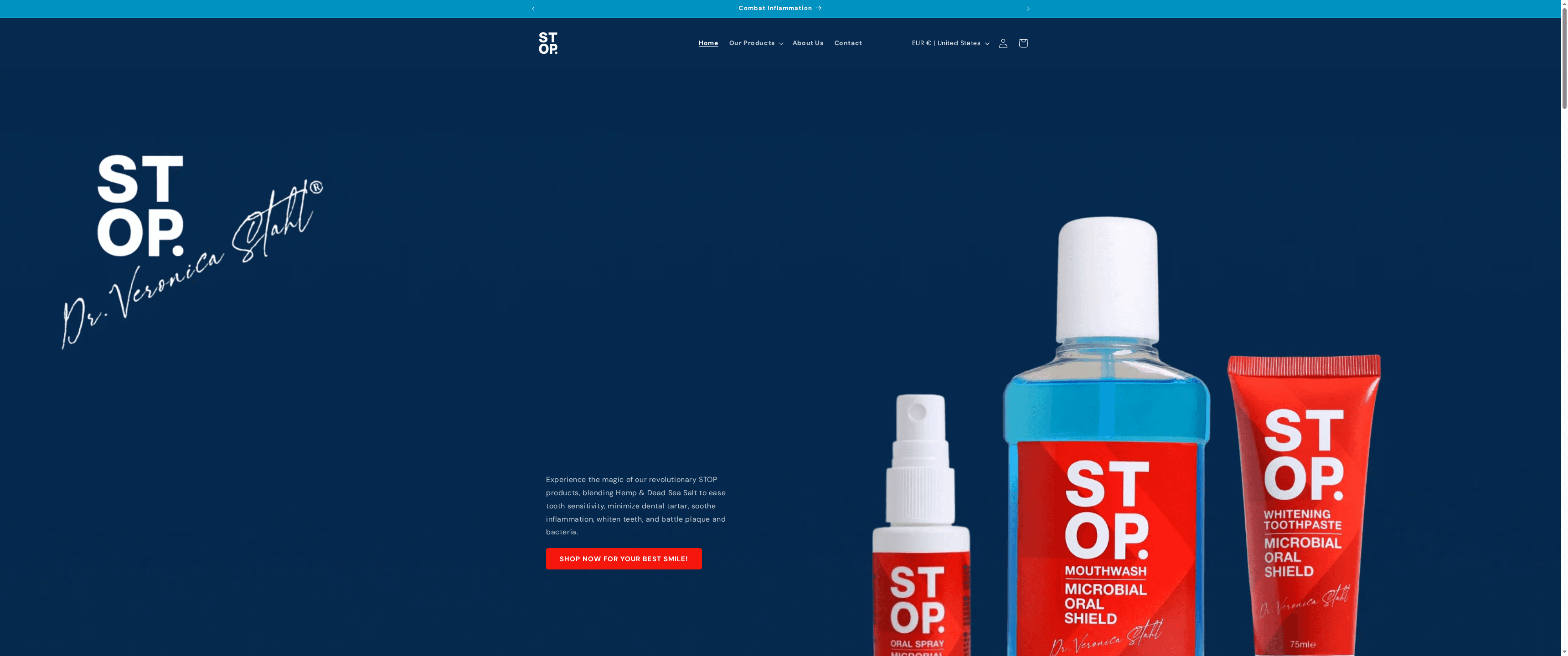
Browse natural toothpaste products to find formulations matching your oral health goals and sensitivity profile. Product descriptions detail ingredient concentrations, sourcing, and intended benefits. Natural toothpaste reviews guide helps compare options.
Pro Tip: Start with sample sizes when trying new natural toothpaste. This ensures compatibility and comfort before committing to full-size products, saving money and reducing waste.
FAQ
Is natural toothpaste without fluoride effective against cavities?
Natural toothpaste with hemp and minerals can reduce plaque and support enamel health through remineralization and antibacterial action. However, fluoride-free formulas may not match fluoride’s cavity-prevention effectiveness for high-risk individuals. Consult your dentist for personalized cavity risk assessment and appropriate toothpaste recommendations.
Can hemp toothpaste cause any side effects?
Hemp toothpaste is generally well tolerated with minimal side effects reported in clinical studies. Some individuals may experience mild oral irritation or allergic reactions to botanical ingredients. Choose THC-free certified products to ensure safety and legality. Patch testing before regular use helps identify potential sensitivities.
Why do some people experience irritation from conventional toothpaste?
Sodium lauryl sulfate (SLS), a detergent creating foam in conventional toothpaste, can increase canker sore risk and irritate oral mucosa in susceptible individuals. Artificial flavors, preservatives, and abrasives also contribute to irritation. Sensitive users benefit from switching to SLS-free or natural formulations with gentler ingredients.
How can I choose a natural toothpaste that suits my needs?
Evaluate ingredient transparency and look for clinically supported natural actives like CBD, xylitol, and remineralizing minerals. Consider your specific oral health concerns such as sensitivity, cavity risk, or gum inflammation. Test products for tolerance and effectiveness over 4-6 weeks while monitoring results. Toothpaste choosing checklist provides detailed evaluation criteria.
Recommended
- Natural Toothpaste Reviews: A Comprehensive Guide to Choosing the Best – Stop Oral Care
- Science Behind Natural Toothpaste: Real Oral Health Impact – Stop Oral Care
- Why Avoid Synthetic Ingredients in Toothpaste – Stop Oral Care
- Checklist for choosing safe toothpaste in 2026 – Stop Oral Care
- Diferențe Între Albirea Dentară Tradițională și Laser: 50% Mai Rapidă