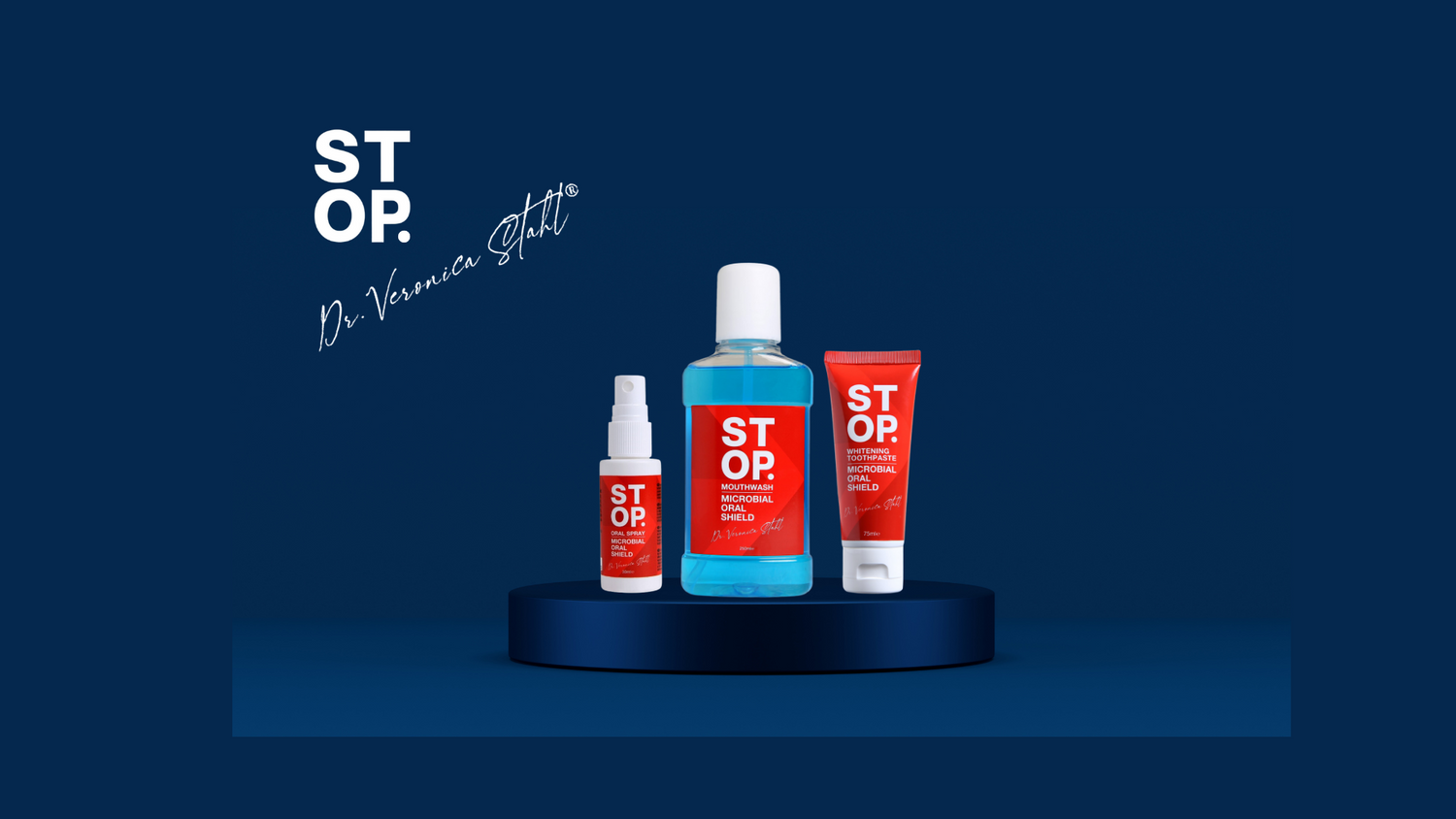


Rinse with warm salt water, apply a cold compress to acute swelling, and cut out tobacco, alcohol, and rough brushing for the next 48 hours. These three steps reduce bacterial load and inflammation quickly and safely, according to Dr. Veronica Stahl of Stop-oralcare. Home care is a bridge, not a cure. See a dentist if tenderness lasts longer than two weeks or gets worse.
TL;DR:
- Saltwater rinses three to four times daily effectively draw out fluids and reduce bacterial load, aiding quick relief when used correctly.
- Cold compresses are best in the first 24 hours for swelling, then switch to warm compresses to relieve dull, aching pain.
- Proper use of turmeric paste and diluted hydrogen peroxide can help, but they should be patch-tested, diluted, and used with caution to prevent irritation.
- Persistent tenderness beyond two weeks, spreading facial swelling, fever, or pus signals the need for urgent dental care.
- Gentle, ingredient-based oral care with soft brushes and alcohol-free rinses supports healing without further tissue irritation.
Table of Contents
- Tender Gums Home Remedy Options That Actually Reduce Pain
- Adjust Your Oral Care Routine While Gums Heal
- When Home Remedies Aren’t Enough: Red Flags to Watch
- What the Evidence Actually Supports
- Your 48-Hour Plan for Calming Tender Gums
- Why We Favor Gentle, Ingredient-Led Care
- Where Stop-oralcare Fits Into Your Recovery
- Sources
- FAQ
Tender Gums Home Remedy Options That Actually Reduce Pain
Most tender gum home remedy methods work by one of two mechanisms: they pull fluid and bacteria away from inflamed tissue, or they calm the inflammatory response directly. Here’s how to use the most effective ones without making things worse.
Saltwater rinse. Dissolve half a teaspoon of salt in eight ounces of warm water and swish for 30 seconds, up to three or four times a day. The salt draws excess fluid out of swollen tissue through osmosis and lowers the bacterial count in your mouth, which is why it’s the most commonly recommended first-line remedy for sore or swollen gums. It’s gentle enough to use daily and costs nothing.
Compresses: hot or cold, depending on the cause. Use a cold compress against the outside of your cheek for the first 24 hours if you’re dealing with sudden swelling or a minor injury. Switch to a warm compress after that, or if the tenderness feels more like a dull, aching pressure than sharp swelling. Warmth increases blood flow and can ease chronic discomfort; cold slows swelling before it sets in.
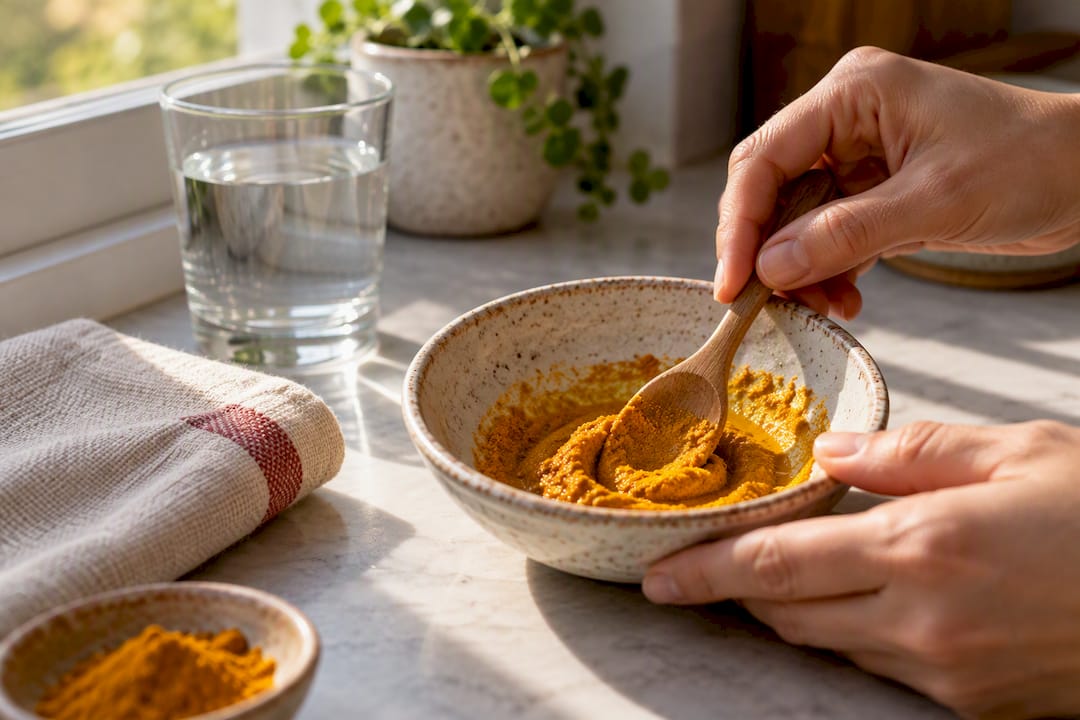
Turmeric paste or rinse. Mix turmeric powder with a small amount of water to form a paste, and hold it against the gums for a few minutes before rinsing. Curcumin, the active compound in turmeric, has documented anti-inflammatory and antimicrobial effects and has been shown to reduce plaque and gingivitis indices in several studies. Expect temporary yellow staining on teeth and fabric, and skip this remedy if you have a known turmeric or ginger allergy.
Tea bag compress. Steep a black, green, or chamomile tea bag, let it cool slightly, then press it against the sore area for five minutes. Black and green tea contain tannins that may help reduce inflammation; chamomile is milder and better suited to very sensitive tissue.
Diluted hydrogen peroxide rinse. Mix equal parts 3% hydrogen peroxide and water, swish for no more than 30 seconds, and spit. This can reduce oral bacterial load when used occasionally, but frequent or full-strength use irritates soft tissue. Never swallow it, and limit use to a few times a week at most.
Oil pulling and essential oils. If you try oil pulling, swish coconut or sesame oil for 10 to 15 minutes and spit it out (never swallow). Diluted peppermint or tea tree oil rinses can offer antimicrobial benefits, but essential oils are concentrated and can burn mucous membranes undiluted. Avoid essential oil rinses if you’re pregnant or treating a child, and always patch-test on the inside of your cheek first.
Topical gels and OTC pain relief. Benzocaine-based gels numb the area temporarily and are fine for occasional use on adults, following the package dosing. Ibuprofen or acetaminophen at standard over-the-counter doses handles pain that rinses alone don’t touch, but treat these as short-term measures, not a fix for the underlying cause.
- Saltwater: 3 to 4 rinses daily, 30 seconds each
- Cold compress: first 24 hours for acute swelling
- Turmeric paste: once daily, patch-test first
- Hydrogen peroxide: 2 to 3 times weekly, diluted, never swallowed
Pro Tip: Keep a small log of which remedy you use and when. If your gums aren’t noticeably calmer within three or four days, that’s useful information for your dentist, not a sign to add more remedies at once.
Adjust Your Oral Care Routine While Gums Heal
Switch to a soft-bristle brush and use short, gentle strokes at the gumline rather than aggressive back-and-forth scrubbing. Skip alcohol-based mouthwashes and heavily flavored toothpaste for now. Both can sting inflamed tissue and slow healing. A natural, alcohol-free rinse is a more comfortable choice while you’re recovering.
Avoid crunchy, acidic, or very spicy foods, and drink water throughout the day. Hydration keeps saliva flowing, and saliva is your mouth’s natural defense against the bacteria that irritate gum tissue.
- Floss once daily, but glide gently rather than snapping the floss against the gumline
- Rinse with warm water after meals if brushing feels too uncomfortable
- Choose lukewarm foods and drinks over very hot or cold ones
- Replace your toothbrush if the bristles are frayed or stiff
When Home Remedies Aren’t Enough: Red Flags to Watch
Home remedies calm symptoms, but they don’t treat an underlying infection or advancing gum disease. If the cause is bacterial or structural, swelling and tenderness will keep coming back no matter how often you rinse.
- Tenderness lasting more than two weeks. Cleveland Clinic advises scheduling a dental visit if swollen or sore gums don’t improve within that window.
- Spreading facial swelling. This can signal an abscess or infection moving beyond the gum tissue.
- Fever, difficulty breathing, or trouble swallowing. These are emergency signs that need immediate medical attention, not another rinse.
- Visible pus or a bad taste that won’t go away. Both point to active infection that home care can’t resolve.
What the Evidence Actually Supports
Clinical interest in natural gum remedies has grown, but the evidence varies by ingredient. Saltwater rinses have the most consistent support: they’re low-risk and reliably reduce swelling and bacterial load with regular use. Tea tree and peppermint oils show antimicrobial activity in controlled settings, but the same oils can irritate unprotected tissue at the wrong concentration. Diluted hydrogen peroxide has a defined, narrow safe-use window.
The gap between what’s tested in a lab and what’s mixed in a kitchen sink is real. Effective doesn’t mean unlimited, and natural doesn’t mean risk-free. Patch-test, dilute conservatively, and stop if irritation increases.
Herbal and essential-oil remedies for gum inflammation show a coherent but limited body of evidence, strong enough to justify cautious home use, not strong enough to replace professional treatment for persistent problems.
Your 48-Hour Plan for Calming Tender Gums
Follow a simple rhythm for the first two days rather than trying every remedy at once.
- Morning: warm saltwater rinse, then a gentle brushing with a soft-bristle brush
- Midday: cold compress if swelling is present, or a warm compress for dull aching
- Evening: second saltwater rinse, optional turmeric paste application, topical gel if pain persists
- Throughout: steady water intake, no tobacco or alcohol, no crunchy or spicy foods
If tenderness hasn’t eased by day three, or if you notice fever, spreading swelling, or pus, call a dentist and be ready to describe how long symptoms have lasted, whether swelling has spread, and any fever you’ve had.
Why We Favor Gentle, Ingredient-Led Care
Tender gum tissue doesn’t need aggressive intervention. It needs consistency and ingredients that calm rather than irritate. That’s the reasoning behind an approach using fluoride-free formulas built around hemp and Dead Sea minerals rather than harsh detergents or alcohol. Check individual product pages for full ingredient lists before switching your routine.
— Veronica
Where Stop-oralcare Fits Into Your Recovery
Home remedies handle the immediate discomfort, but your daily toothpaste and mouthwash either support that healing or work against it every single time you brush. A product line built around fluoride-free formulas using hemp and Dead Sea minerals instead of alcohol or harsh detergents that sting already-tender tissue.

The STOP | Protective & Whitening Toothpaste (12,99 €) and STOP | Mouthwash (20,00 €) are designed for daily use on sensitive gums, while the STOP | Protective Oral Spray (11,99 €) gives you a portable, topical option for moments when you need relief between brushings. All three are detailed with full ingredient breakdowns on the Stop-oralcare product page, so you can check what’s in them before switching your routine, and it’s worth mentioning any new topical product to your dentist if you’re actively treating an inflammation issue. If daily discomfort has become routine, browse the full product line and see which formula matches how you brush, rinse, and recover.
Sources
- Swollen gums - Cleveland Clinic
- Herbal agents and periodontal health - PMC
- Home remedies for swollen gums - Healthline
This article is general information, not a substitute for advice from a qualified doctor. Consult a qualified healthcare professional about your own circumstances before acting on anything here.
FAQ
How Do I Get Rid of Tender Gums at Home?
Start with warm saltwater rinses three to four times a day, apply a cold or warm compress depending on whether swelling is acute or chronic, and switch to a soft-bristle brush. These steps reduce bacteria and inflammation without further irritating tissue, but they won’t resolve an underlying infection on their own.
Can Sore Gums Heal on Their Own?
Mild gum tenderness from minor irritation, like aggressive brushing or a small food scrape, often heals within a few days on its own. Tenderness tied to plaque buildup or gum disease typically doesn’t resolve without improved hygiene or professional cleaning, and persistent cases need a dentist visit after two weeks.
Should I Still Brush Inflamed Gums?
Yes, but switch to a soft-bristle brush and use gentle, short strokes rather than skipping brushing entirely. Avoiding the area lets plaque build up further and can make the inflammation worse, so gentle consistent cleaning matters more than intensity.
What Is a Natural Anti-Inflammatory for Gums?
Turmeric (curcumin) is one of the better-studied natural anti-inflammatory options, with documented effects on plaque and gingivitis indices. Warm saltwater rinses and diluted tea tree or peppermint oil rinses also show anti-inflammatory and antimicrobial activity when used carefully and in proper dilution.
Are Stop-oralcare Products Safe to Use Alongside Home Remedies?
Yes. The STOP | Mouthwash ($20.00) and STOP | Protective & Whitening Toothpaste ($12.99) use fluoride-free, hemp and Dead Sea mineral formulas designed to avoid the alcohol and harsh detergents that can irritate already tender gums. Check the ingredient list before combining any new product with an active home remedy routine.