

TL;DR:
- Natural, herbal ingredients like green tea, ginger, and probiotics effectively support sensitive gum health.
- Evidence-backed fluoride-free routines include herbal rinses, oil pulling, and professional cleanings as complementary methods.
- Combining traditional herbal practices with scientific validation enhances safe, effective daily gum care.
Individuals with sensitive gums face a persistent clinical challenge: identifying oral care solutions that are both effective and gentle enough for daily use. Conventional fluoride-based products, while widely prescribed, are not universally tolerated, and demand for evidence-backed natural alternatives continues to grow. Herbal remedies provide documented antimicrobial and anti-inflammatory benefits, making them scientifically credible options for sensitive gum management. This guide presents structured, evidence-based criteria for selecting gum-protecting solutions, reviews top natural ingredients, compares fluoride-free methods, and outlines practical daily routines for individuals committed to natural oral health.
Table of Contents
- Criteria for selecting gum-protecting solutions
- Top natural ingredients for sensitive gums
- Comparing popular fluoride-free methods
- Daily routines for maintaining healthy gums
- Our take: The overlooked synergy between modern science and ancient gum care
- Discover gentle, science-backed solutions for your sensitive gums
- Frequently asked questions
Key Takeaways
| Point | Details |
|---|---|
| Choose proven natural actives | Ingredients like ginger, maca, and green tea catechins with scientific backing are most effective. |
| Rely on gentle routines | Soft brushing, careful flossing, and daily salt rinses keep sensitive gums safe. |
| Combine professional and home care | Natural methods support clinical cleanings, but don’t replace professional dental visits. |
| Avoid harsh chemicals | Fluoride-free, botanical oral solutions help reduce irritation and inflammation. |
Criteria for selecting gum-protecting solutions
Selecting a gum-protecting solution for sensitive tissue requires more than a preference for natural ingredients. The method or product must satisfy several measurable criteria to be considered clinically appropriate for regular use.
Effectiveness backed by scientific studies is the first and most essential criterion. Solutions should demonstrate measurable reductions in pathogenic bacteria, gingival inflammation, or bleeding indices. Herbal remedies with tannins and oils have accumulated evidence for efficacy in peer-reviewed literature, providing a reliable foundation for selection.
The following criteria should guide every purchasing or protocol decision:
- Scientific validation: Evidence from controlled studies, not only traditional use
- Gentleness for daily use: pH-neutral formulations that do not erode enamel or irritate gingival tissue
- Fluoride-free and natural origin: Botanical, mineral, or probiotic sources free of synthetic additives
- Ease of integration: Products compatible with standard brushing and rinsing routines
- Dual-action properties: Solutions offering both antimicrobial and anti-inflammatory effects
- Transparent labeling: Full ingredient disclosure with documented sourcing
Gentleness for daily use is especially critical for individuals whose gingival tissue exhibits recession, hyperemia (increased blood flow and redness), or chronic irritability. Abrasive or high-alcohol formulations may worsen these conditions. Reviewing safe mouthwash ingredients before selecting a rinse is a practical first step.
Fluoride-free and natural origin matters for individuals who experience fluoride sensitivity, parents seeking safer pediatric options, or those following integrative health protocols. This criterion does not reduce efficacy expectations but shifts the benchmark to botanical and mineral evidence bases.
Ease of use in home routines ensures adherence. The most scientifically robust formulation is clinically irrelevant if the patient does not use it consistently. Products requiring complex preparation or specialized equipment are less likely to be maintained over time.
Pro Tip: Look for solutions with both antimicrobial and anti-inflammatory properties. Single-action products may address microbial load without reducing tissue inflammation, leaving gingival irritation unresolved.
With criteria established, let’s explore the top evidence-backed options for sensitive gum protection.
Top natural ingredients for sensitive gums
Now that we know what to look for, let’s break down which natural ingredients offer the strongest protection for sensitive gum tissue.
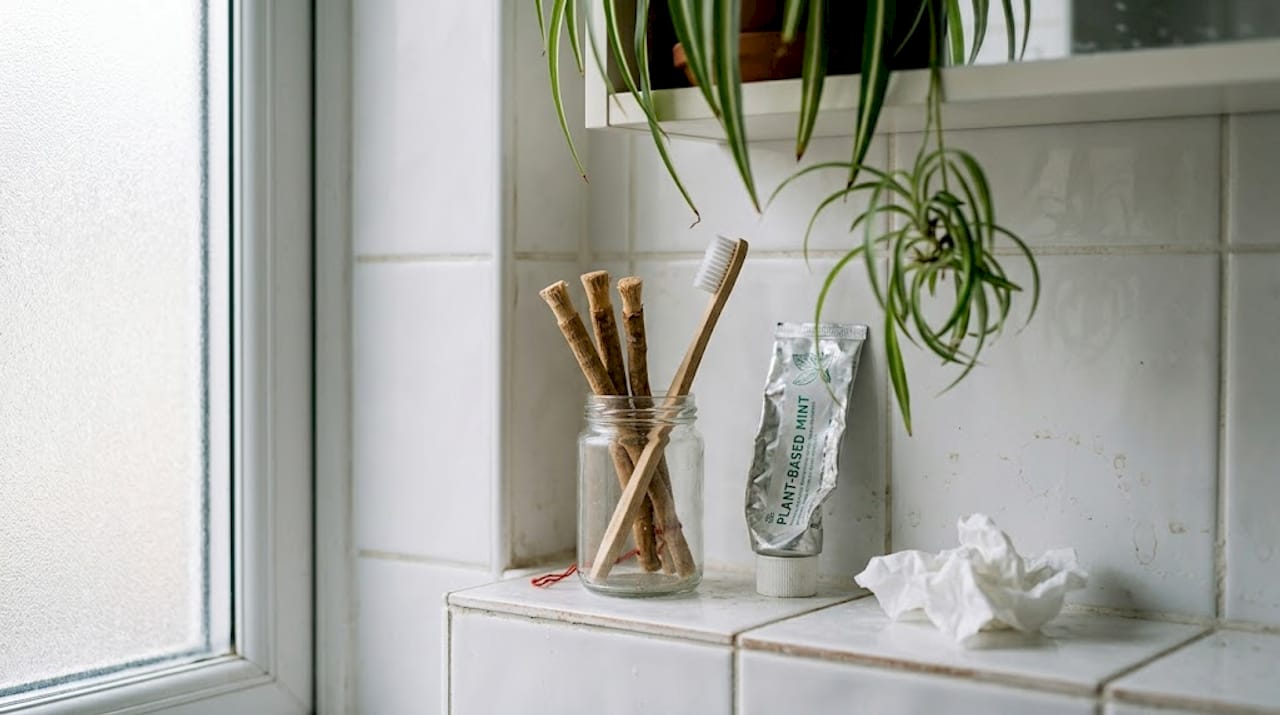
Herbal twigs sourced from plants such as Salvadora persica (miswak) are rich in tannins, silica, and volatile oils. These compounds deliver measurable antimicrobial activity against periodontal pathogens. Plant-based twigs and oils demonstrate documented benefits in controlled oral health studies, including reductions in plaque index and gingival bleeding scores.
Green tea EGCG (epigallocatechin gallate) is a polyphenol with potent antimicrobial and antioxidant properties. EGCG inhibits the growth of Streptococcus mutans and Porphyromonas gingivalis, two bacteria strongly associated with caries and periodontitis respectively. Its anti-inflammatory mechanism further reduces prostaglandin-mediated tissue degradation in gingival tissue.
Ginger and maca dentifrices represent a newer category of evidence-backed natural oral care. Ginger dentifrice improves enamel microhardness and maca dentifrice boosts the calcium-to-phosphorus (Ca/P) ratio, directly supporting remineralization at the enamel-gingival interface. Ginger’s superior microhardness recovery makes it a particularly strong candidate for individuals experiencing enamel softening near exposed root surfaces.
Probiotics such as Lactobacillus reuteri regulate the oral microbiome by competing with pathogenic species for adhesion sites and nutrients. This mechanism reduces pathogen load without the cytotoxicity associated with chlorhexidine rinses, making probiotics a safer long-term option for daily sensitive gum management.
Key natural ingredients at a glance:
- Herbal twigs (tannins, oils): Antimicrobial and anti-inflammatory
- Green tea EGCG: Inhibits periodontal pathogens, reduces oxidative tissue stress
- Ginger dentifrice: Superior enamel microhardness recovery
- Maca dentifrice: Increases Ca/P ratio, supports remineralization
- Probiotics: Microbiome regulation, pathogen displacement
- Dead Sea minerals: Mineral replenishment and tissue support
For further context on integrating these options, natural remedies for sensitive gums and natural mouthwash for gum disease provide expanded clinical context for daily application.
Pro Tip: Choose products that use multiple natural actives rather than a single ingredient. Synergistic formulations address microbial, inflammatory, and remineralization targets simultaneously, improving overall outcomes.
Comparing popular fluoride-free methods
After reviewing ingredient options, let’s evaluate how different fluoride-free methods perform in real-world gum care protocols.
“Professionally monitored routines are key to preventing periodontitis.”
Oil pulling and salt rinses are effective adjuncts for gum health when incorporated into a broader oral hygiene protocol. Neither method is intended to replace mechanical plaque removal or professional scaling, but both carry meaningful supportive evidence.
| Method | Key benefit | Ease of use | Gum health evidence |
|---|---|---|---|
| Oil pulling | Reduces oral bacterial load | Moderate | Moderate (adjunct) |
| Salt water rinse | Anti-inflammatory, wound support | High | Moderate (adjunct) |
| Herbal mouthwash | Antimicrobial, anti-inflammatory | High | Strong (multiple RCTs) |
| Professional cleaning | Removes subgingival calculus | Requires appointment | Very strong (clinical standard) |
Oil pulling involves swishing a vegetable-based oil (typically sesame or coconut) for 10 to 20 minutes. It reduces salivary counts of S. mutans and Lactobacillus species and shows modest reductions in plaque and gingivitis scores. Its limitation is that it does not penetrate subgingival pockets.
Salt water rinses deliver sodium chloride in solution to inflamed gingival tissue, reducing edema and microbial load at superficial wound sites. Review the salt water rinse guide for concentration and frequency recommendations.
Herbal mouthwashes formulated with botanical actives (such as tea tree oil, neem, or green tea) consistently outperform oil pulling in randomized controlled trials measuring gingival index and plaque scores. Understanding botanical mouthwash benefits clarifies why these formulations often outperform single-ingredient rinses.
Professional cleaning (scaling and root planing where indicated) remains the clinical gold standard for gum disease management. All natural methods discussed serve adjunct roles.
Pros and cons summary:
- Oil pulling: Low cost, accessible; slow results, time-consuming
- Salt rinse: Widely available, fast relief; temporary anti-inflammatory effect only
- Herbal mouthwash: Sustained microbial control; product quality varies widely
- Professional cleaning: Definitive subgingival debridement; requires clinical access
Daily routines for maintaining healthy gums
Understanding how to compare methods, we can now design a daily routine that keeps sensitive gums healthy over time.
A structured daily protocol integrates multiple evidence-backed steps without overburdening the individual. Soft brushing and flossing mechanics are critical for preventing gingival recession and do not need to be aggressive to be effective. Technique quality matters more than duration.
Recommended daily routine (step by step):
- Morning brush: Use a soft-bristled toothbrush and a natural, fluoride-free dentifrice. Brush for two minutes using gentle circular strokes. Avoid horizontal scrubbing.
- Interdental cleaning: Floss once daily using waxed floss or an interdental brush. Work gently below the gingival margin without snapping the floss against tissue.
- Rinse with herbal or salt water mouthwash: Apply a botanical rinse or dilute salt solution for 30 to 60 seconds post-brushing.
- Midday hydration: Drink water consistently to prevent xerostomia (dry mouth), which elevates microbial growth risk.
- Evening repeat: Repeat the morning brushing and rinsing protocol before sleep.
- Weekly oil pulling session: Incorporate two to three oil pulling sessions per week as an additional adjunct.
| Routine step | Frequency | Tool/product |
|---|---|---|
| Soft brushing | Twice daily | Soft-bristle toothbrush, natural dentifrice |
| Flossing | Once daily | Waxed floss or interdental brush |
| Herbal or salt rinse | Once or twice daily | Botanical mouthwash or saline solution |
| Oil pulling | 2 to 3 times per week | Coconut or sesame oil |
| Professional cleaning | Every 3 to 6 months | Dental hygienist |
For expanded guidance on building these habits, oral hygiene tips for sensitive care provides updated 2026 recommendations for fluoride-free protocols.
Natural adjuncts support but do not replace professional clinical care. Scheduling professional cleanings every three to six months is essential for individuals with documented gingival sensitivity or previous periodontal disease.
Pro Tip: Monitor gum changes monthly using a consistent reference, such as photographing gingival margins or noting any bleeding during flossing. Adjust your routine promptly if new symptoms emerge rather than waiting for a scheduled appointment.
Our take: The overlooked synergy between modern science and ancient gum care
Most guides on natural gum care default to one of two positions: an endorsement of traditional herbal practices with minimal clinical validation, or a purely evidence-based framework that dismisses indigenous methods as anecdotal. Neither approach fully serves the individual with sensitive gums.
The more accurate and clinically productive perspective recognizes that indigenous plant-based oral care is now backed by rigorous scientific review. Ancient methods like herbal twig use and botanical rinses were not validated merely because they felt natural; they persisted because they worked. Modern science now explains the mechanisms. Tannins disrupt bacterial cell membranes. Volatile oils inhibit biofilm adhesion. This knowledge should not replace traditional practice but should refine it.
“True gum health lies at the intersection of heritage and science.”
For individuals exploring this intersection, understanding how to choose CBD mouthwash for sensitive gums illustrates how emerging botanical actives are now meeting formal evidence standards.
Pro Tip: Do not dismiss traditional techniques before consulting your dentist about their evidence base. Many ancient practices have now been validated and can be safely integrated into a modern protocol.
Discover gentle, science-backed solutions for your sensitive gums
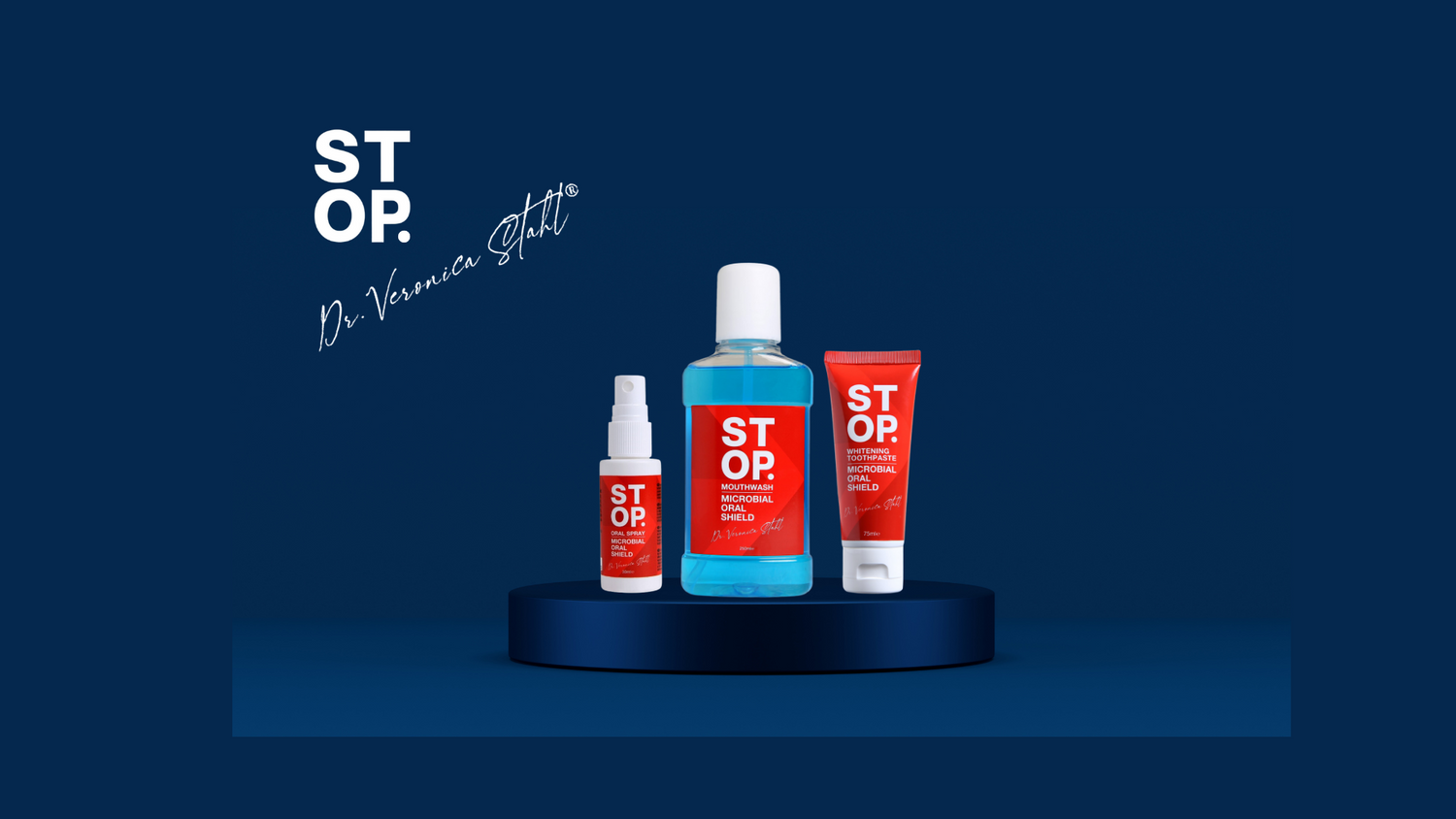
If you are ready to make natural gum care a consistent part of your daily routine, Stop Oral Care provides a structured starting point. The platform offers scientifically validated, fluoride-free oral care formulations developed under the guidance of Dr. Veronica Stahl, combining hemp-derived actives and Dead Sea minerals with peer-reviewed evidence.

For individuals seeking fluoride-free oral care solutions, the Stop Oral Care product range includes toothpastes, mouthwashes, and oral sprays formulated specifically for sensitive gum tissue. The best natural mouthwash solutions guide offers a curated review of evidence-backed rinses to help you identify the most appropriate option for your specific gum health profile.
Frequently asked questions
What are the most effective natural remedies for sensitive gums?
Ginger, maca, and green tea catechins, combined with oil pulling and probiotics, offer the strongest antimicrobial and anti-inflammatory effects supported by current scientific literature for sensitive gum management.
How often should I use a salt water rinse for gum health?
Daily or several times per week is safe and appropriate for most individuals; a salt rinse as adjunct complements but does not replace other oral hygiene steps.
Is professional dental cleaning necessary if I use natural remedies?
Yes; professional cleanings remain essential for subgingival plaque and calculus removal, and natural remedies serve as supportive adjuncts rather than clinical replacements.
Can fluoride-free products really protect sensitive gums?
Yes; research confirms that fluoride-free herbal ingredients such as botanical extracts and plant-based oils deliver evidence-backed antimicrobial and anti-inflammatory protection for sensitive gingival tissue.
Recommended
- 7 Examples of Safe Mouthwash Ingredients for Sensitive Gums – Stop Oral Care
- Tips for healthy gums: natural and fluoride-free care – Stop Oral Care
- 7 Essential Oral Health Tips 2025 for Sensitive Teeth – Stop Oral Care
- How to Prevent Gingivitis Naturally: Simple Steps for Healthy Gums – Stop Oral Care
- PRODENTIM Review (2025) — oral probiotic