

Gingivitis can creep up on anyone, but you don’t need harsh chemicals to stop it. The truth is, simple daily habits and natural ingredients can keep your gums pink and pain‑free.
First, think about what your mouth actually needs: a balanced microbiome, gentle cleaning, and a little extra mineral support. Swapping a conventional mouthwash for a plant‑based option can cut down irritation while still fighting the bad bugs. Why Use Plant‑Based Mouthwash for Oral Health explains how botanical extracts calm inflammation and keep plaque in check without the burn of alcohol or synthetic agents.
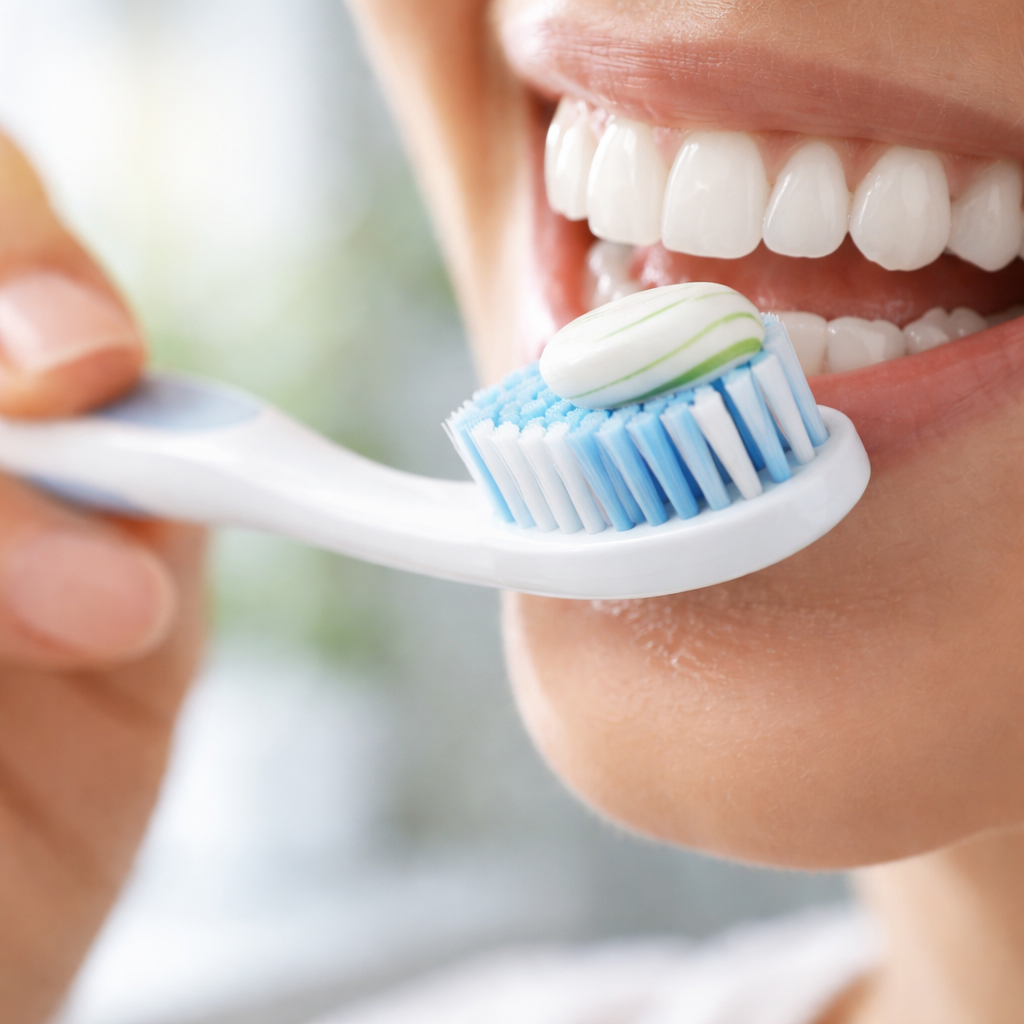
Second, brush with a soft‑bristled brush and use a pea‑sized dab of a natural toothpaste that contains soothing agents like CBD, aloe vera, or marine algae. Those ingredients calm swollen gums and help the tissue heal faster.
Third, add a mineral rinse once a day. A calcium‑phosphate mouthwash floods the enamel with the exact minerals it needs to repair tiny gaps, which in turn supports gum health by reducing the acid attacks that trigger inflammation.
Don’t forget to rinse with water after meals and chew sugar‑free gum that contains xylitol. Xylitol pulls sugar away from the bacteria that cause plaque, giving your gums a break.
Finally, keep an eye on your diet. Foods rich in vitamin C, omega‑3s, and antioxidants—think oranges, walnuts, and leafy greens—feed your gums from the inside out.
Follow these steps and you’ll see how easy it is to protect your smile without resorting to harsh chemicals.
Step 1: Adopt a Thorough Brushing Routine
Start each morning and night with a soft‑bristled brush. Hold the brush at a 45‑degree angle and use gentle, circular motions. A light touch protects the gum line and still moves plaque away.
Use just a pea‑sized dab of a natural toothpaste. Best Natural Toothpaste Without Fluoride shows why a small amount is enough – it lets the soothing ingredients work without over‑scrubbing.
Don't rush. Spend about 30 seconds on each quadrant. If you feel a tug, ease up. The goal is to clean, not to scrape.
Looking for extra support? XLR8well offers broader wellness tips that complement a solid oral routine, like stress‑relief practices that keep your gums calm.
After you finish brushing, give your mouth a quick water rinse. This washes away loose debris and keeps the toothpaste from sitting too long on the gums.
For a nutritional edge, consider a daily multivitamin. How to choose a quality Multivitamin for Men Over 40 explains which vitamins help gum health, like C and D.
Finally, check the brush every three months and replace it when the bristles look frayed. A fresh brush keeps the cleaning action consistent.
Step 2: Choose Natural Antibacterial Mouthwashes
Now that you’ve got a solid brushing habit, the next move is to pick a mouthwash that fights germs without harsh chemicals. Look for a formula that uses plant extracts, CBD, or minerals instead of alcohol or synthetic agents.
Start by checking the label for ingredients like aloe vera, tea tree oil, or marine algae. Those botanicals help calm inflamed gums while keeping bad bacteria in check. A good rule of thumb is to choose a rinse that feels mild on the tongue – no burning, no strong after‑taste.
Here’s a quick way to test it: swish a tablespoon of the mouthwash for 30 seconds, then spit. If it leaves a gentle, fresh feel and your gums don’t tingle, you’ve likely found a winner.
Want a mineral boost? Pair a botanical rinse with a Calcium Phosphate Mouthwash guide that floods enamel with the exact minerals it needs to heal tiny cracks and reduce acidity.
Use the mouthwash once a day, preferably after your evening brush. That timing lets the ingredients work while you sleep, giving gums a chance to recover.
Pro tip: if you’re sensitive to strong flavors, dilute the rinse with a splash of water before you swish. It still delivers the anti‑bacterial action but feels softer.
Watch this short video for a visual walk‑through of the swish technique.
After you finish, avoid eating or drinking for at least 15 minutes so the natural actives can settle into the gum tissue. Stick with this routine for a couple of weeks and you should notice less redness and less plaque build‑up.
Step 3: Incorporate Anti-Inflammatory Foods (Video)
Now that your rinse is set, it’s time to feed your gums from the inside. Anti‑inflammatory foods act like a gentle shield that keeps the bad bugs from getting a foothold.
Start with a handful of berries each morning. Blueberries, strawberries, and raspberries are packed with antioxidants that calm swelling. Toss them in a bowl of plain yogurt for extra calcium – the combo helps rebuild tiny cracks in enamel while soothing the gum line.
Next, add a spoonful of ground flax or chia seeds to your smoothie. Those seeds supply omega‑3s that research links to lower gum inflammation. Blend with spinach, a splash of orange juice, and a pinch of ginger for a bright, gut‑friendly drink.
For lunch or dinner, reach for leafy greens like kale or Swiss chard. They deliver vitamin C, a key player in collagen production, which keeps gum tissue strong. A quick side salad dressed with olive oil and a squeeze of lemon gives you extra anti‑oxidant power.
Don’t forget nuts. A small serving of walnuts or almonds adds healthy fats and zinc, both shown to support gum health. Keep the portion modest – a few nuts are enough to make a difference.
Want to see how these foods fit into a daily routine? Check out the benefits of botanical mouthwash page for a simple visual guide that pairs diet tips with mouth‑care steps.
Finally, stay hydrated. Drinking water throughout the day washes away food particles and keeps your saliva flowing, which naturally fights plaque. Aim for at least eight glasses, and you’ll notice less redness and fewer flare‑ups as you follow these steps on how to prevent gingivitis naturally.
Comparison of Popular Natural Remedies for Gingivitis
There are a lot of home tricks people try for sore gums. Some work better than others. Below is a quick look at the most talked‑about natural options and how they stack up.
We pull the data from a recent review of home remedies that tested things like oil pulling, essential oils, and food‑based fixes Rejuv Health. Use this as a cheat sheet when you decide what to try.
Here’s how each remedy compares:
| Remedy | How to use | Key benefit / note |
|---|---|---|
| Coconut oil pulling | Swish 1 Tbsp warm oil for 5‑10 min, spit out. | May lower bad bacteria; easy to do at home. |
| Lemongrass oil rinse | Mix 2‑3 drops in 1 cup water, swish 30 sec. | Strong anti‑bacterial power, but watch for irritation. |
| Aloe vera gel | Apply a thin layer to gums, leave 2 min, rinse. | Soothes inflammation and feels cool. |
Pick one that fits your routine. For example, if you like a quick morning habit, a 5‑minute oil pull can slot in before breakfast. If you prefer a short rinse after brushing, the lemongrass mix takes just seconds.
Remember to keep the mouth clean with a soft brush and a gentle natural toothpaste. If you want a broader view of how new natural tools fit into modern care, check out our guide on Innovative Dental Care: Natural Solutions. Try one remedy for two weeks, watch the gum colour and bleeding, then adjust or combine with another if needed.
Step 4: Maintain Healthy Lifestyle Habits
Keeping gums healthy isn’t just about what you put in your mouth. It’s also about how you live every day.
Getting enough sleep lets your body repair gum tissue. Aim for 7‑8 hours and notice less bleeding.
Drink water often. Saliva washes away food bits and keeps bacteria low. If you’re on coffee, add a glass of water after each cup.
Stress can spike inflammation, which shows up as red, sore gums. Try a quick 5‑minute breathing drill when you feel tense.
Move your body. Light cardio boosts circulation, feeding gums with nutrients. A 20‑minute walk after dinner is an easy habit.
Here’s a real‑world tip: Maria, a busy freelancer, swapped late‑night snacking for a short evening stretch and a glass of water. Within two weeks her gums felt less sore.
Research from Cleveland Clinic notes that regular home care plus good lifestyle habits can reverse early gum inflammation.
Try this checklist each day: 1) Sleep 7‑8 hrs. 2) Sip water between meals. 3) Do a 5‑minute stress break. 4) Walk 20 mins. 5) Finish with a gentle mouth rinse.
Set a phone reminder so you don’t miss a step.
Cutting back on alcohol and quitting smoking can drop gum irritation fast. Even a few days without a cigarette can lower bleeding.
Add vitamin C foods like oranges or a supplement. Vitamin D helps your body absorb calcium, which keeps teeth firm.

Stick with these simple moves and you’ll give your gums the support they need to stay pink and strong. Your gums will thank you with less pain and brighter smiles.
Additional Natural Remedies to Support Gum Health
Green tea makes a simple rinse. Brew a bag, let it cool, swish for 30 seconds, then spit. The catechins calm inflammation and cut plaque. Do it twice a day after meals.
Clove oil is a tiny powerhouse. Mix a drop with a teaspoon of carrier oil, dab on sore spots, wait two minutes, then rinse. The eugenol in clove numbs pain and fights bacteria.
Aloe vera gel works like a cool compress. Scoop a spoonful, spread on gums, leave for a minute, then rinse. It soothes swelling without a sting.
Turmeric paste is another anti‑inflammatory aid. Stir half a teaspoon of powder with a bit of water or honey, apply to gums, let sit five minutes, brush away. The curcumin helps keep gums pink.
Honey, especially raw, adds a gentle antibacterial layer. Swirl a teaspoon in your mouth for a minute before brushing. It coats the tissue and slows bad bugs.
Stop oral care’s CBD‑infused mouthwash can slot into any of these habits. The calming cannabinoids ease redness and support the natural defenses you’re already building.
Try one remedy for a week, note any change in bleeding or soreness, then add another if you feel comfortable. A small routine like this can keep gingivitis at bay without harsh chemicals.
Common Myths About Gingivitis and Natural Prevention
Myth #1: Scrubbing your teeth harder will get rid of gum bleed.
Hard brushing actually wears down gum tissue and pushes plaque deeper. A gentle 45° angle with a soft brush does the job better. One dentist in Brussels told a client that switching to a light touch stopped the daily blood spots in just a week.
Myth #2: A single herbal rinse can replace daily care.
Tea‑tree oil or clove oil are great helpers, but they don’t remove the biofilm that starts the problem. Use a plant‑based mouthwash after you brush, then follow with a short rinse of the herb if you like. The combo keeps germs low without over‑relying on one trick.
Myth #3: Sugar‑free gum alone protects gums.
Chewing gum does boost saliva, but it won’t clean the spaces between teeth. Pair gum with floss or an interdental brush, and you’ll see less swelling. A busy freelancer in London tried gum plus a quick floss, and the gum redness faded in ten days.
What to do instead:
1. Brush twice a day with a soft brush, light pressure.
2. Swish a plant‑based rinse for 30 seconds after brushing.
3. Add a short herbal rinse (like a clove drop) if you feel sore.
4. Finish with floss or a tiny water pick before bed.
These steps cut plaque by up to 40 % in a couple of weeks, according to dental studies.
Frequently Asked Questions
What are the first steps to how to prevent gingivitis naturally?
Start with a soft brush and hold it at a 45° angle. Use tiny circles and press lightly, the bristles should do the work. Brush twice a day for two minutes each time. Follow with a plant‑based mouthwash that has no alcohol; it calms inflammation and cuts bacteria. Finish with floss or a tiny water pick before bed to pull out what the brush missed.
How often should I brush and floss to keep my gums healthy?
Aim for two minutes of brushing each session – humming a short tune helps you keep time. Split your mouth into four parts and spend about 30 seconds on each. Use a soft brush on the outer, inner and chewing surfaces. Floss once a day, sliding the thread gently between each tooth to break the plaque film. A quick water‑pick at night adds extra clean‑up without harsh force.
Can natural mouthwashes replace traditional ones?
A good natural mouthwash swaps out alcohol and strong mint for soothing botanicals. Look for aloe vera, tea tree oil or a bit of CBD, they calm gums and keep bad bugs down. Swish for 30 seconds after you brush, then spit. Because it’s mild, you can use it every night without the burn that many traditional rinses cause. STOP Oral Care’s plant‑based formula is a simple option that fits this rule.
Do certain foods help stop gum inflammation?
Eating the right foods gives your gums extra armor. Berries are packed with antioxidants that calm swelling. Leafy greens like kale bring vitamin C, which builds strong collagen for gum tissue. Add a spoon of flax or chia seeds for omega‑3s that lower inflammation. A handful of walnuts gives zinc, another mineral that supports gum health. Mix these into meals or snacks and you’ll see less redness over time.
Is oil pulling effective for gingivitis?
Oil pulling uses a spoonful of oil, usually coconut, swished for five to ten minutes. Some people notice a short‑term drop in plaque, but it never replaces brushing or flossing. If you try it, do it before breakfast and spit the oil into the trash, never swallow. Keep the habit short and watch for any irritation; stop if your gums feel sore.
When should I see a dentist if natural methods aren't enough?
If bleeding gums last more than two weeks, or you feel pain while chewing, it’s time to book a dentist. Persistent swelling, pus or a bad taste can signal a deeper infection that home care won’t fix. A professional can check for early periodontitis and give you targeted treatment. While natural steps help, they’re not a replacement for proper dental care when signs stay.
Conclusion and Next Steps
We’ve walked through the simple habits that let you stop gingivitis without harsh chemicals. Soft brushing, a gentle plant‑based rinse, anti‑inflammatory foods, and a few lifestyle tweaks all work together to keep gums pink.
Now pick three actions you can start today. First, swap your regular toothpaste for a CBD‑infused, mineral‑rich formula. Second, add a daily handful of berries or a spoon of chia seeds to a snack. Third, set a reminder to floss each night.
Stick with the routine for two weeks. If bleeding still shows up, or you feel pain while chewing, book a visit with your dentist. A quick professional check can spot early issues before they grow.
Remember, preventing gingivitis naturally is about consistency, not perfection. Small, steady steps give you a healthier smile that lasts.
Take a moment tonight to set a timer for two minutes and try the new routine. You’ll notice less redness and fresh breath within days.