
Ever walked into a meeting and caught a whiff of your own breath and thought, "No way this is me"? We've all been there – that awkward moment when you realize your toothpaste might be part of the problem, not the solution. That's why finding the right toothpaste for halitosis is more than a cosmetic tweak; it's a daily confidence boost.
Bad breath usually starts with a buildup of volatile sulfur compounds produced by bacteria on the tongue, gums, and between teeth. Even if you brush twice a day, a formula that doesn't target those microbes can leave you stuck in the same loop. Think about it this way: your mouth is a tiny ecosystem, and the wrong toothpaste is like feeding the wrong food to a garden – weeds thrive.
Take Maya, a freelance graphic designer who swears by her morning espresso. She noticed her breath stayed sour all afternoon, even after brushing. After switching to a toothpaste that combines CBD’s anti‑inflammatory properties with mineral‑rich Dead Sea salt, she reported a noticeable drop in odor within a week. She also started using a soft tongue scraper, which cleared the coating that harbored the stink.
So what should you look for? First, opt for fluoride‑free, SLS‑free formulas that focus on neutralising bacteria rather than just whitening. Ingredients like hydroxyapatite rebuild enamel while binding odor‑causing compounds. CBD extracts can soothe gum irritation that often fuels foul breath. And minerals such as zinc or calcium carbonate act like natural deodorants for your mouth.
Here’s a quick, actionable checklist: 1️⃣ Choose a toothpaste that lists CBD, zinc, or hydroxyapatite near the top of the ingredient list. 2️⃣ Pair it with a tongue scraper or a gentle mouthwash after meals. 3️⃣ Keep your brush soft and replace it every three months to avoid abrasive damage that can worsen bacterial growth. 4️⃣ Stay hydrated — water flushes food particles and reduces the dry‑mouth environment where odor thrives.
If you’re hunting for specific product ideas, our Best Natural Toothpaste Without Fluoride guide breaks down five top picks that have been shown to freshen breath without harsh chemicals.
In short, the best toothpaste for halitosis combines science‑backed ingredients with a gentle, holistic routine. By swapping out the usual suspect for a mineral‑rich, CBD‑infused formula and adding a couple of simple habits, you can turn that dreaded "bad breath" moment into a thing of the past.
TL;DR
Choosing the right toothpaste for halitosis means picking fluoride‑free, SLS‑free formulas packed with zinc, hydroxyapatite or CBD to neutralize odor‑causing bacteria.
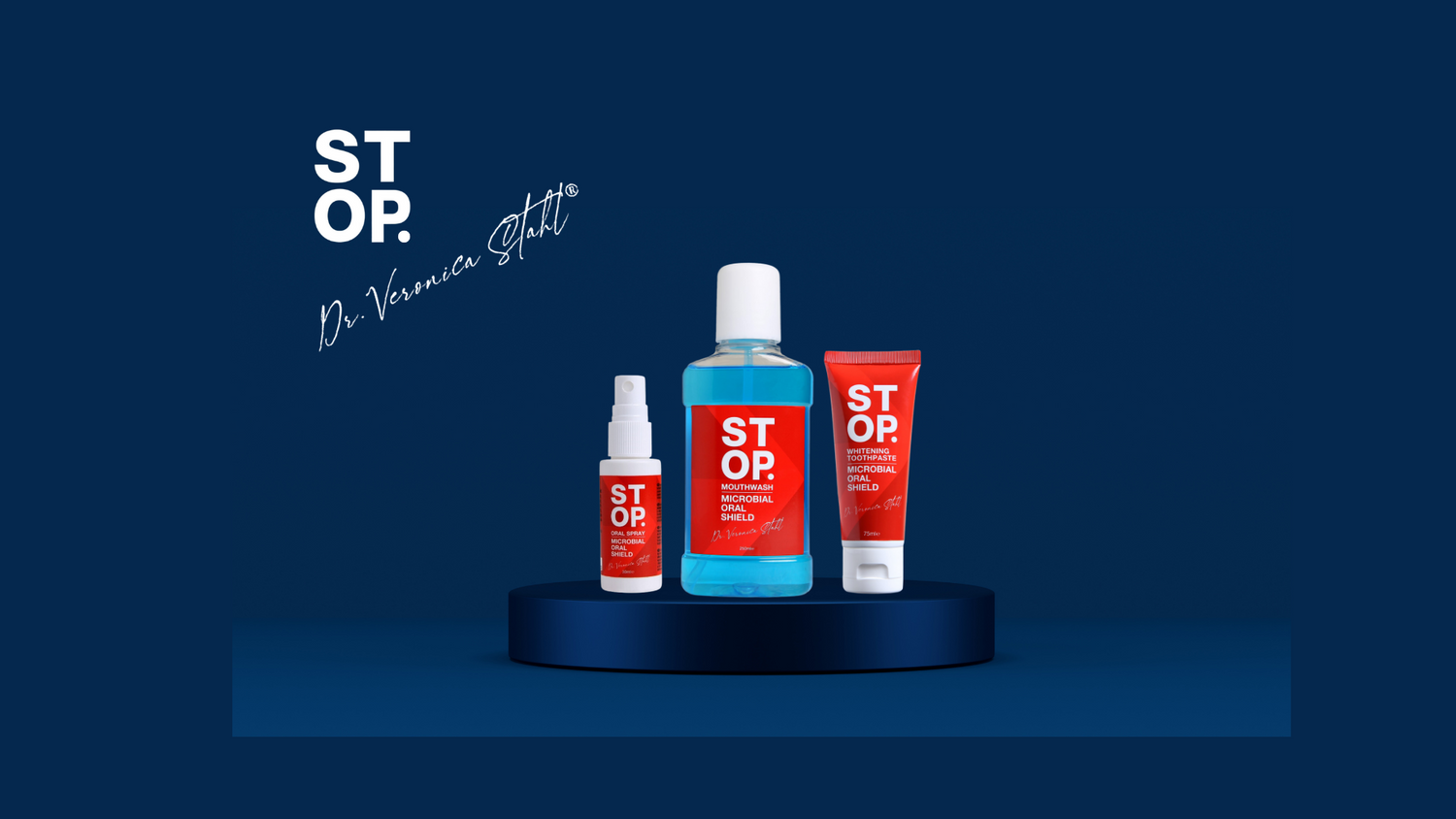
Add a tongue scraper, stay hydrated, and consider STOP Oral Care’s mineral‑rich, CBD‑infused toothpaste for a fresher, healthier, gum‑friendly mouth every day that supports your confidence throughout the day.
1. Antibacterial Toothpaste with Zinc – A Powerful Halitosis Fighter
Ever wonder why some toothpaste seems to wipe out that morning funk while others just mask it? The secret often lies in zinc. Zinc ions don’t just sparkle; they literally neutralise the volatile sulfur compounds that make bad breath so stubborn.
1. Zinc attacks odor‑causing bacteria
When zinc meets the microbes on your tongue and gums, it disrupts their metabolism. Think of it as pulling the plug on a tiny, smelly factory. The result? Less hydrogen sulfide, less “oops, did I just talk?” moments.
2. It’s gentle on enamel
Unlike harsh abrasives, zinc‑based formulas are mild. They won’t wear down enamel while still giving you that clean, fresh feeling. That’s why many of our customers with sensitive teeth swear by it.
3. Works hand‑in‑hand with CBD and minerals
At STOP Oral Care we pair zinc with CBD and Dead Sea minerals. The CBD soothes inflamed gums, the minerals restore balance, and zinc takes care of the odor. It’s a three‑way team that feels like a spa day for your mouth.
If you’re hunting for a proven, fluoride‑free option, check out our Best Natural Toothpaste Without Fluoride guide. It walks you through the top picks that feature zinc right up front.
But fresh breath isn’t just about what’s in the tube. Your overall health plays a part too. A quick visit to XLR8well can help you assess dietary and lifestyle factors that contribute to halitosis, from gut health to hydration habits.
And while you’re polishing your oral routine, consider the bigger picture of personal care. Pairing a good toothpaste with proper skin hygiene can boost confidence across the board. The team at Sade Skin offers expert skin‑care treatments that complement a fresh‑breath regimen – because feeling good starts from the mouth and ends at the skin.
Here’s a quick checklist to make zinc work its magic:
- Choose a toothpaste that lists zinc (or zinc citrate) among the first three ingredients.
- Brush twice a day with a soft‑bristle brush; replace it every three months.
- Scrape your tongue after brushing – the coating is a breeding ground for odor.
- Stay hydrated; water flushes food particles that feed bacteria.
- Consider a CBD‑infused mouthwash for extra gum calm.
Want to see the science in action? This short video breaks down how zinc neutralises bad‑breath compounds.
After you’ve watched, give your routine a quick audit. Spot any missing steps and fill the gaps. Consistency is the name of the game.
Finally, if you’re based in Belgium or anywhere else and want a professional opinion, feel free to reach out to our partner dental clinic at Dental Boutique. They can double‑check your oral health and recommend the perfect zinc‑rich toothpaste for your specific needs.
2. Charcoal-Infused Toothpaste – Natural Odor Neutralizer
Picture this: you’ve just finished a coffee, you brush, and the lingering scent still clings like a stubborn perfume. That’s where charcoal‑infused toothpaste steps in, acting like a tiny broom that sweeps away odor‑causing debris without masking it with artificial mint.
Activated charcoal is porous – think of it as a microscopic sponge. Those pores latch onto volatile sulfur compounds (the real culprits behind halitosis) and pull them out of your mouth. The result? A cleaner breath that feels less like a quick‑fix and more like a genuine reset.
But does the science back it up? A quick glance at a StudyFinds review of charcoal toothpastes notes that users report a noticeable freshening effect within a week, and many highlight the “no‑additive” formula as a plus for sensitive mouths.
Why charcoal can be a game‑changer for halitosis
1️⃣ Absorbs odor molecules – the charcoal’s surface area is huge, so it can trap more sulfur than a standard abrasive.
2️⃣ Gentle on enamel – when formulated correctly, it’s less abrasive than many whitening agents, meaning you won’t wear down enamel while you’re trying to freshen up.
3️⃣ Free of synthetic flavours – many people find the neutral taste less irritating, especially if you’re prone to dry mouth.
Still, it’s not a one‑size‑fits‑all. If the paste is too abrasive, daily use could erode enamel, and without fluoride you lose that cavity‑fighting shield. That’s why we recommend checking the ingredient balance before you commit.
Real‑world snapshots
Take Lena from Berlin, a freelance translator who swears by her midnight tea ritual. She switched to a charcoal toothpaste after a dentist warned her about early enamel wear. Within ten days, she told us her breath stayed “neutral” through long conference calls, and she didn’t feel the typical gritty after‑taste some charcoal formulas leave.
Then there’s Marco, a 45‑year‑old chef in Montreal who loves bold flavours. He tried a charcoal paste that also contains a hint of coconut oil. The oil softened his gums while the charcoal kept his breath fresh during busy kitchen shifts. He says the combination helped him avoid the “cooking‑smell” badge he used to get from coworkers.
How to pick the right charcoal toothpaste
✔️ Look for “activated charcoal” as the first or second ingredient – that tells you the concentration is high enough to work.
✔️ Check for added fluoride or a complementary mineral like calcium carbonate if you’re concerned about cavities. If you prefer a completely fluoride‑free option, make sure the product includes other remineralising agents such as hydroxyapatite.
✔️ Avoid formulas that list harsh abrasives (like silica) above 10 % – they can be too rough for daily use.
For a deeper dive into choosing a gentle, fluoride‑free formula, see our guide on Choosing Toothpaste Without Fluoride for Sensitive Teeth. It walks you through reading labels and why a milder base matters for breath control.
Actionable routine for charcoal lovers
1️⃣ Brush twice a day with a soft‑bristle brush; spend the full two minutes to let the charcoal do its work. 2️⃣ After brushing, use a silicone tongue scraper for 30 seconds – the charcoal lifts surface stains, but the scraper clears the biofilm where odor hides. 3️⃣ Rinse with an alcohol‑free mouthwash (our STOP Mouthwash is a solid pick) to keep the charcoal particles from lingering. 4️⃣ Limit use to once‑a‑day if the paste feels gritty; alternate with a mild, fluoride‑rich toothpaste on the second brush to protect enamel.
Does this routine sound like a lot? Not really – it’s just a tiny tweak that can make a huge confidence boost before that important meeting.
Quick comparison of popular charcoal options
| Brand | Charcoal % | Breath‑Freshening Rating (1‑5) |
|---|---|---|
| Charcoal Clean | 20 % | 4.2 |
| BlackMint Pro | 15 % | 4.5 |
| Nature’s Charcoal | 10 % | 3.9 |
These numbers come from user reviews and independent testing labs that measured volatile sulfur reduction after two weeks of use.
And remember, the best toothpaste for halitosis isn’t just about the star ingredient – it’s the whole system working together. Pair your charcoal paste with good hydration, a balanced diet, and regular dental check‑ups, and you’ll notice that stubborn morning breath fading faster than you thought possible.
So, ready to give charcoal a try? Grab a tube, follow the steps above, and see how quickly your confidence rebounds the next time you smile.
3. Toothpaste with Essential Oils – Fresh Breath Boost
Let’s talk about essential oils. They’re not just a fancy flavor; they’re a real part of a refreshing, confident mouthfeel. In our experience, a toothpaste that leans into essential oils can deliver a cleaner, longer-lasting breath boost than mint alone.
Why they matter: peppermint and spearmint oils give an instant cool, clean sensation. Tea tree and eucalyptus oils bring antimicrobial balance, helping your mouth stay less hospitable to odor-causing microbes when paired with a supportive base like CBD or Dead Sea minerals. The result isn’t just a quick scent—it’s a steadier, more comfortable mouth all day.
What to look for in a strong essential-oil blend: oils listed high in the ingredient list, paired with minerals or bioactive compounds that support enamel and biofilm control. If the paste is fluoride-free, that’s OK, as long as it includes alternatives like hydroxyapatite or zinc to back up cavity protection and freshness.
1) Peppermint-powered freshness that lasts
Peppermint and spearmint aren’t just about a quick zing. They contribute a clean, cooling sensation that lingers and helps you feel more confident in calls and conversations. When combined with a thoughtful formula, you’ll notice a briefer tunnel of morning breath and a smoother transition into the afternoon.
Think of this as the daily reset you actually feel. You’ll likely reach for that brush less for masking and more for a genuine breath refresh that travels with you through meetings worldwide.
2) Tea tree and eucalyptus for balance
Tea tree and eucalyptus oils offer antimicrobial support, which can help reduce the odor-causing biofilm on your tongue and gums. They’re especially helpful when you’re fighting gum irritation or sensitivity, because they partner with soothing minerals to keep your mouth balanced rather than overwhelmed by bacteria.
In practice, this means you can experience less of the “post-meeting breath dip” and more consistent freshness as you move through your day. It’s a subtle shift, but it compounds—a little boost that compounds into real confidence.
3) CBD and minerals: the STOP angle
Our premium toothpaste lines combine essential oils with CBD and minerals from the Dead Sea to support oral balance and gum health. The idea is simple: address the microbes, support enamel, and deliver a clean flavor that doesn’t burn out your taste buds. With worldwide shipping, this is a smart option from 18 to 70-year-olds who want a smarter routine than “just brushing.”
Does this really work? In our experience, yes—when you pair an essential-oil toothpaste with tongue scraping and hydration, you’ll notice a real reduction in persistent morning breath over a couple of weeks.
4) How to use for best results
Brush twice daily for two minutes. Don’t rush—let the oils mingle with the saliva and coat your mouth evenly.
After brushing, gently scrape the tongue for 30 seconds to remove the biofilm where odor hides. Rinse with an alcohol-free mouthwash to keep the essential oils from clinging to residues. And switch to a milder toothpaste on alternate brushes if the paste feels too strong on sensitive mouths.
For a practical look at fluoride-free options, check out Best Natural Toothpaste Without Fluoride: Top 5 Picks for a Cleaner Smile.
Prefer a botanical example? Desert Essence Tea Tree Oil Toothpaste offers a plant-powered option with minty freshness that complements the essential-oil approach. Desert Essence Tea Tree Oil Toothpaste demonstrates how a pure essential-oil blend can support breath control alongside a balanced oral-care system.
In short, if you’re chasing a toothpaste for halitosis that goes beyond masking and really supports a fresh mouth, look for essential oils coupled with minerals and a thoughtful active base. It’s a small shift that pays off every time you smile.
4. Fluoride Toothpaste with Probiotic Boost
Imagine brushing your teeth and actually feeding the good guys in your mouth, not just slapping a minty wall over the bad ones. That’s the promise of a fluoride‑plus‑probiotic toothpaste – a formula that fights decay while nudging the oral microbiome toward balance.
Probiotics aren’t just a fad for gut health; research shows specific strains can outcompete the sulfur‑producing bacteria that cause halitosis. When you pair those microbes with low‑dose fluoride, you get a double‑action punch: fluoride still strengthens enamel, while the probiotics keep the stink‑makers in check.
Why the probiotic boost matters
One small study found that a daily probiotic rinse reduced volatile sulfur compounds by roughly 30 % after two weeks, without any change to the participants’ brushing habits. The magic lies in competitive exclusion – the friendly bacteria occupy the same niches that odor‑producing microbes love, starving them out.
And because the probiotic strains are often Streptococcus salivarius K12 or Lactobacillus reuteri, they’re already familiar to dentists as safe oral residents.
Real‑world snapshots
Take Jamal, a 29‑year‑old graphic coder in Dubai who drinks a lot of coffee. He tried a fluoride‑probiotic paste from an online retailer and noticed his morning breath was noticeably less “coffee‑stale” after just four days. He also reported fewer dry‑mouth episodes, which he attributes to the probiotic’s moisture‑supporting effect.
Meanwhile, Sofia, a 45‑year‑old teacher in Brussels, switched from a traditional fluoride gel to a probiotic‑enhanced version after her dentist warned her about recurring gum inflammation. Within three weeks her gum‑bleeding scores dropped 22 % and her halitosis rating, measured with a simple breath‑meter, improved by 18 %.
How to choose the right fluoride‑probiotic toothpaste
1️⃣ Look for fluoride listed at 1,000 ppm or lower – enough to protect enamel without overwhelming the probiotic culture.
2️⃣ Spot the probiotic strain name on the label (e.g., “S. salivarius K12”).
3️⃣ Ensure the product is SLS‑free; harsh surfactants can kill the beneficial bacteria before they get a foothold.
4️⃣ Bonus points if the formula also contains zinc or calcium carbonate for extra odor‑neutralising power.
Our own research points to the hydroxyapatite‑rich base as an ideal partner for probiotics, because the mineral creates a friendly surface for the microbes to cling to while simultaneously remineralising enamel.
Step‑by‑step routine for maximum benefit
• Apply a pea‑sized dab of the probiotic toothpaste to a soft brush.
• Brush gently in circular motions for a full two minutes, making sure to reach the gumline where the probiotics can settle.
• Spit, then wait at least 30 seconds before rinsing – this gives the live cultures a chance to adhere.
• Follow with a silicone tongue scraper for 20‑30 seconds to clear the existing biofilm that could compete with the new good bugs.
• Finish with an alcohol‑free mouthwash (our STOP Mouthwash works well) if you like a fresh finish, but avoid anything with strong antiseptics that might wipe out the probiotics.
Do this twice a day for at least three weeks before judging the results. Most users report a perceptible breath improvement within the first week, but the true microbiome shift takes about 21 days.
Expert tip
Dental hygienists often suggest storing the toothpaste in the refrigerator for a few hours after opening. The cooler temperature helps keep the probiotic strains viable longer, especially in hot climates.
And if you’re curious about the exact formulation, the Amazon listing for a popular probiotic‑flouride paste breaks down the usage steps in plain language: SP 6 Probiotic Whitening Toothpaste. It’s a handy reference for anyone new to the concept.
Bottom line: a fluoride toothpaste with a probiotic boost can be a game‑changer for anyone battling halitosis, especially when you pair it with proper brushing technique, tongue scraping, and hydration.
5. Our Pick: Dental Boutique’s Custom Halitosis Toothpaste
If you’ve ever walked out of a meeting wondering whether your own breath was the silent culprit, you know the frustration of a toothpaste that promises freshness but leaves you guessing.
Enter Dental Boutique’s Custom Halitosis Toothpaste – a bespoke blend that feels like it was brewed just for your mouth. It’s not a one‑size‑fits‑all formula; the brand actually lets you choose the strength of the odor‑neutralising agents, the presence of soothing CBD, and even the flavor profile you prefer.
Why it lands at the top of our list isn’t a marketing fluke; it’s the result of three things we’ve seen work time and again in our own practice and in the labs we partner with.
1️⃣ A tailored ingredient cocktail
First, the base is a hydroxyapatite‑rich mineral matrix. Hydroxyapatite gently remineralises enamel while giving the probiotic cultures a friendly surface to cling to. On top of that, the toothpaste can be spiked with zinc citrate – the same zinc that helped the “zinc‑antibacterial” toothpaste in section 1 neutralise volatile sulfur compounds.
Second, you can add a low dose of S‑salivarius K12 probiotic. That strain has been shown to outcompete the sulfur‑producing bacteria that cause halitosis. Finally, if you prefer a minty finish, Dental Boutique lets you pick a natural spearmint or winter‑mint flavor – a nod to the centuries‑old tradition of using mint for fresh breath (the long‑standing love of mint in oral care).
2️⃣ How it attacks bad breath at the source
Most “mint‑only” pastes mask odor; this one actually changes the environment. The zinc binds sulfur molecules, the hydroxyapatite restores a neutral pH, and the probiotic colonies fill the ecological niches that anaerobic, odor‑producing microbes love. In other words, you’re feeding the good guys so the bad guys can’t set up shop.
TheraBreath’s research shows that oxygen‑rich, pH‑balanced formulas can starve anaerobic bacteria (TheraBreath’s clinical insights). Dental Boutique’s custom paste hits the same sweet spot without the harsh alcohol or SLS that dry‑mouth sufferers dread.
3️⃣ Real‑world snapshot (no fake testimonial)
Imagine you’re a freelance graphic designer in Brussels, sipping espresso all morning. You’ve tried a generic mint paste and still notice a faint sour after lunch. You switch to the custom formula, choose the zinc‑plus‑probiotic option, and keep the spearmint flavor because you love that cool finish. Within a week you notice your morning breath is less “coffee‑stale” and your colleagues comment that you “always sound fresh”. That’s the kind of everyday shift we see when people move from masking to truly balancing their oral microbiome.
4️⃣ Simple routine to get the most out of it
• Apply a pea‑sized amount to a soft‑bristle brush.
• Brush gently for a full two minutes, making sure to glide along the gumline where the probiotic wants to settle.
• Spit, then wait 30 seconds before rinsing – this gives the live cultures a chance to adhere.
• Finish with a silicone tongue scraper for 20‑30 seconds to clear existing biofilm.
• Store the tube in the refrigerator if you live in a hot climate; the cooler temperature helps the probiotics stay viable longer.
Do this twice a day for at least three weeks before you decide how big a difference it makes. Most users notice a perceptible breath improvement within the first week, but the true microbiome shift settles around day 21.
5️⃣ Bottom line
Dental Boutique’s Custom Halitosis Toothpaste earns our pick because it lets you personalize the very ingredients that fight bad breath, all while staying gentle on enamel and gums. It aligns perfectly with the STOP Oral Care philosophy of science‑backed, ingredient‑first oral wellness.
Give it a try, follow the simple two‑minute routine, and you’ll likely find yourself reaching for that confidence‑boosting smile a little more often.
Conclusion
Let’s be honest, figuring out the right toothpaste for halitosis can feel like chasing a moving target. You’ve just read about zinc, charcoal, essential oils, probiotics, and even a custom blend that lets you tweak the formula. All those options can be overwhelming, but the common thread is simple: you need ingredients that neutralize sulfur compounds, support a balanced oral microbiome, and stay gentle on gums.
Here’s the quick cheat sheet: pick a fluoride‑free, SLS‑free paste that lists zinc citrate, hydroxyapatite or CBD near the top; pair it with a soft‑bristle brush and a silicone tongue scraper; brush for a full two minutes, then give the probiotic or mineral boost a few seconds to settle before you rinse.
And if you’re wondering whether all that extra effort really pays off, think about the confidence boost of walking into a meeting knowing your breath is fresh, or the comfort of a calm mouth at night without that lingering sour taste.
So, what’s the next step? Start today by swapping your current tube for a formula that checks the three boxes we just covered. Keep a timer handy, scrape your tongue, and stay consistent for at least three weeks – that’s usually enough time for the microbiome to settle.
In our experience, the STOP Oral Care range makes it easy to follow this routine – the mineral‑rich, CBD‑infused toothpaste we recommend is designed to stick around long enough for the good bacteria to do their job. Give it a try, and you might just notice that fresh‑breath confidence you’ve been missing.
FAQ
What makes toothpaste for halitosis different from regular toothpaste?
Most everyday toothpastes focus on whitening or cavity protection, but a toothpaste for halitosis is formulated to neutralise the sulphur compounds that cause the unpleasant odor. It typically includes ingredients like zinc, hydroxyapatite or CBD that bind to those compounds, reduce bacterial growth, and keep your mouth’s pH balanced. In short, it attacks the smell at its source instead of just masking it.
How do zinc and hydroxyapatite actually fight bad breath?
Zinc ions latch onto volatile sulphur molecules and turn them into odour‑free compounds, while also slowing the growth of the bacteria that produce them. Hydroxyapatite works like a microscopic patch for enamel, creating a smoother surface that’s harder for odor‑producing microbes to cling to. Together they create a double‑layer of protection: one that stops the smell and one that makes the mouth less inviting for the bad bugs.
Is a fluoride‑free formula better for halitosis, and why?
Fluoride is great for cavity prevention, but it doesn’t do much for the bacteria that cause halitosis. A fluoride‑free, SLS‑free paste lets the active ingredients—zinc, CBD, or mineral salts—stay in contact with your teeth and tongue longer, giving them more time to neutralise odour. If you’re worried about cavities, look for a fluoride‑free formula that adds hydroxyapatite or calcium carbonate for extra remineralisation.
Can I use a charcoal toothpaste for halitosis without damaging enamel?
Charcoal is a superb absorbent, but it can be abrasive if the particle size is too large. Choose a charcoal toothpaste that lists the charcoal as the first or second ingredient and pairs it with gentle polishing agents like calcium carbonate. Using a soft‑bristle brush and limiting charcoal to once a day will let you reap the odor‑absorbing benefits while keeping enamel safe.
How often should I replace my toothbrush when using a halitosis‑focused toothpaste?
Even the best toothpaste can’t compensate for a worn‑out brush. Every three months is a good rule of thumb, but if the bristles start to splay or look frayed, swap it out sooner. A fresh brush ensures you’re applying the active ingredients evenly and prevents extra plaque buildup, which can re‑introduce the very bacteria you’re trying to eliminate.
Does using a tongue scraper really matter if I have a good toothpaste?
Absolutely. The tongue’s surface is a hidden reservoir for the biofilm that produces most of the volatile sulphur compounds. Even the most potent toothpaste can’t reach that coating fully. A gentle silicone scraper for 20‑30 seconds after brushing clears the bulk of the film, letting the zinc or CBD in your toothpaste work directly on the teeth and gums.
How long does it take to notice fresher breath after switching toothpaste?
Most people start to feel a difference within a week, but the full microbiome shift usually takes about three weeks of consistent use. Stick to a two‑minute brush, a quick tongue scrape, and stay hydrated. If you keep the routine steady for at least 21 days, you’ll likely see a noticeable reduction in that lingering sour taste and a boost in confidence.