

Up to 20% of people experience irritation from sodium lauryl sulfate (SLS) in their toothpaste, yet many remain unaware this common detergent causes their symptoms. This guide explains what SLS free toothpaste is, why it matters for oral health, and how natural fluoride-free alternatives can reduce irritation while effectively protecting your teeth. You’ll learn to identify gentler ingredients and choose toothpaste that aligns with your health priorities.
Table of Contents
- Introduction To SLS Free Toothpaste
- Understanding Sodium Lauryl Sulfate (SLS) And Its Role In Toothpaste
- Health Benefits Of SLS Free Toothpaste
- Why Choose Fluoride-Free Toothpaste Alongside SLS Free
- Alternatives To SLS In Natural Toothpaste Formulations
- Common Misconceptions About SLS And Toothpaste Effectiveness
- Choosing The Right SLS Free Toothpaste For Your Needs
- Conclusion And Next Steps For Natural Oral Care
- Explore Safe, Natural Oral Care Options
- Frequently Asked Questions
Key takeaways
| Point | Details |
|---|---|
| SLS causes irritation | Sodium lauryl sulfate is a detergent that disrupts oral mucosa and causes sensitivity in up to 20% of users. |
| SLS free reduces ulcers | Eliminating SLS from toothpaste decreases canker sores by 50% within four weeks in clinical studies. |
| Natural alternatives exist | Gentle surfactants like decyl glucoside from coconut provide effective cleaning with 40-60% less irritation. |
| Fluoride is optional | Mineral substitutes such as hydroxyapatite protect teeth without fluoride for those preferring natural options. |
| Ingredient awareness matters | Evaluating toothpaste labels and allowing four weeks to assess effects ensures the best personal choice. |
Introduction to SLS free toothpaste
Sodium lauryl sulfate is a surfactant commonly added to toothpaste to create the foaming sensation many associate with thorough cleaning. This detergent appears in roughly 90% of conventional toothpastes, making it nearly ubiquitous in oral care products. While foam feels satisfying during brushing, SLS serves a purely cosmetic function rather than enhancing actual cleaning power.
The prevalence of SLS sensitivity affects up to 20% of toothpaste users, though many don’t connect their symptoms to this ingredient. Common reactions include mouth irritation, tissue dryness, burning sensations, and increased susceptibility to canker sores. These issues drive growing consumer interest in SLS free alternatives that deliver effective oral hygiene without the harsh side effects.
SLS free toothpaste eliminates this problematic detergent while maintaining cleaning efficacy through gentler surfactants or mechanical abrasives. Natural formulations often combine mineral-based ingredients with plant-derived foaming agents that respect oral tissue integrity. Understanding what sets these products apart empowers consumers to make informed choices aligned with their sensitivity levels and health values.
People seeking SLS free toothpaste benefits typically notice reduced irritation within weeks of switching. Key indicators of SLS sensitivity include:
- Recurrent mouth ulcers or canker sores
- Persistent dryness or peeling of oral tissues
- Burning sensation during or after brushing
- Increased gum sensitivity or redness
- Prolonged healing time for minor mouth injuries
Recognizing these symptoms represents the first step toward choosing toothpaste that supports rather than compromises oral health.
Understanding sodium lauryl sulfate (SLS) and its role in toothpaste
As a surfactant, SLS works by reducing surface tension between liquids and solids, allowing toothpaste to spread easily and penetrate spaces between teeth. This chemical property creates the familiar lather that many consumers mistakenly equate with cleaning effectiveness. In reality, foam production has no correlation with plaque removal or cavity prevention.
The impact of SLS on oral lining extends beyond superficial irritation. Research demonstrates SLS disrupts the protective mucous barrier that shields delicate mouth tissues from bacteria and chemical exposure. This disruption increases mucosal permeability by up to 30%, allowing irritants easier access to underlying tissue layers. The compromised barrier explains why SLS users experience heightened sensitivity to acidic foods, temperature extremes, and minor abrasions.
Scientific findings reveal SLS’s mechanism of irritation involves protein denaturation and lipid extraction from cell membranes. These actions weaken the structural integrity of oral epithelial cells, leading to inflammation and tissue damage over time. Individuals with naturally thinner or more permeable oral mucosa face elevated risk for severe reactions.
Studies show SLS increases mucosal permeability by up to 30%, which drives the preference for SLS free products among people with sensitive oral tissues and recurrent ulceration patterns.
Key effects of SLS on oral health include:
- Stripping natural oils from mucous membranes
- Denaturing protective salivary proteins
- Increasing tissue vulnerability to bacterial invasion
- Triggering inflammatory immune responses
- Prolonging healing time for existing lesions
Understanding these mechanisms clarifies why eliminating SLS offers significant benefits for sensitive mouths beyond simple comfort improvements.
Health benefits of SLS free toothpaste
Clinical evidence demonstrates a 50% decrease in ulcer incidence within four weeks when patients with recurrent aphthous stomatitis switch to SLS free formulations. This dramatic reduction stems from eliminating the chemical irritation that triggers or exacerbates canker sore development. Individuals who experience monthly outbreaks often achieve complete resolution by removing SLS from their oral care routine.
Beyond ulcer prevention, SLS free toothpaste reduces overall oral mucosa irritation and tissue dryness. Users report decreased burning sensations, less gum tenderness, and faster healing of minor mouth injuries. The gentler chemical profile allows natural protective mechanisms to function optimally without constant barrier disruption.

Dental professionals increasingly endorse SLS free options for patients presenting with chronic oral sensitivity or unexplained tissue reactions. Many dentists now screen for SLS sensitivity when patients report persistent mouth discomfort despite good hygiene practices. The widespread professional recognition validates consumer concerns about this common ingredient.
Primary health advantages of switching to SLS free toothpaste include:
- Significant reduction in canker sore frequency and severity
- Improved oral tissue hydration and barrier function
- Decreased inflammation and redness of gums
- Enhanced comfort during and after brushing
- Better tolerance of acidic or spicy foods
Pro Tip: Track your symptoms for four weeks after switching to SLS free toothpaste to objectively measure improvement. Note ulcer frequency, tissue sensitivity, and overall oral comfort to confirm the change benefits your specific situation.
Why choose fluoride-free toothpaste alongside SLS free
The growing consumer preference for chemical-free oral care extends beyond avoiding SLS to questioning fluoride necessity. While fluoride effectively prevents cavities through enamel remineralization, some individuals prefer natural mineral alternatives due to concerns about systemic absorption or personal health philosophies. Pairing fluoride-free formulations with SLS free options creates a fully natural approach to oral hygiene.
Hydroxyapatite emerges as the leading fluoride substitute, comprising the same mineral that forms 97% of tooth enamel. This calcium phosphate compound repairs microscopic enamel defects and reduces sensitivity by filling exposed dentinal tubules. Studies comparing hydroxyapatite to fluoride show comparable cavity prevention rates when used consistently.
Natural mineral substitutes complement SLS free formulations by addressing multiple oral health goals simultaneously. The combination reduces chemical exposure while maintaining effective protection against decay and sensitivity. Consumers seeking holistic wellness appreciate toothpaste that aligns ingredient choices with broader health values.
Our guide to choosing fluoride free toothpaste explores mineral alternatives in depth. Key considerations when combining fluoride-free and SLS free choices include:
- Hydroxyapatite concentration for adequate remineralization
- Additional minerals like calcium and phosphate
- Natural antibacterial agents such as xylitol
- Abrasive agents that clean without damaging enamel
- Personal sensitivity history and cavity risk level
The safety profile of mineral-based toothpastes appeals to parents, pregnant women, and anyone minimizing synthetic chemical exposure while maintaining excellent oral health.
Alternatives to SLS in natural toothpaste formulations
Natural toothpaste manufacturers replace SLS with gentler surfactants like decyl glucoside derived from coconut oil and corn glucose. These plant-based alternatives provide sufficient foaming action to distribute paste throughout the mouth while exhibiting 40-60% lower irritation potential in standardized tests. The improved safety profile makes them suitable for even the most sensitive oral tissues.
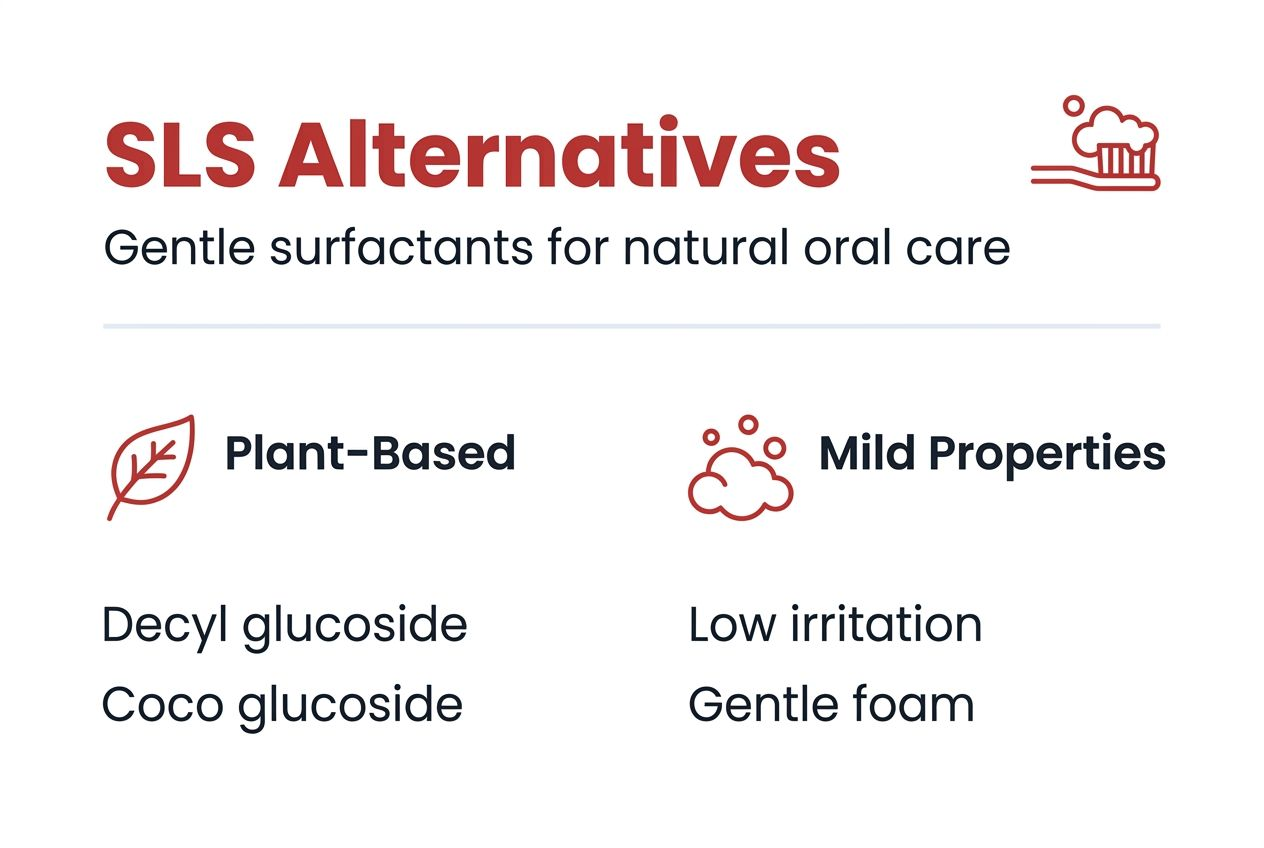
Cocoa glucoside and lauryl glucoside represent additional mild surfactants extracted from renewable plant sources. These ingredients maintain biodegradability and environmental friendliness while delivering effective cleaning performance. Their gentle action preserves the oral mucosa’s protective barrier rather than disrupting it.
| Surfactant Type | Source | Irritation Potential | Foaming Level |
|---|---|---|---|
| Sodium Lauryl Sulfate | Synthetic petroleum | High (100% baseline) | Very High |
| Decyl Glucoside | Coconut + corn glucose | Low (40% of SLS) | Moderate |
| Cocoa Glucoside | Coconut + sugar | Very Low (30% of SLS) | Moderate |
| Lauryl Glucoside | Coconut + palm kernel | Low (45% of SLS) | Moderate |
Consumers should examine ingredient lists for these natural surfactants when selecting SLS free toothpaste. Quality formulations clearly label their foaming agents and often highlight plant-based origins. The transparency helps informed decision-making and builds trust in natural oral care products.
Benefits of plant-derived surfactants include:
- Minimal disruption to oral mucosa integrity
- Biodegradable and environmentally sustainable
- Effective distribution of active ingredients
- Suitable for sensitive mouths and children
- Compatible with other natural ingredients
Recognizing these alternatives on labels empowers consumers to confidently choose products that clean effectively without harsh chemical side effects.
Common misconceptions about SLS and toothpaste effectiveness
The persistent myth that SLS is essential for effective teeth cleaning stems from decades of marketing associating foam with cleanliness. In reality, mechanical action from brushing and mild abrasives remove plaque, while SLS merely creates visual and tactile effects consumers expect. Studies comparing SLS and SLS free formulations show identical plaque removal and cavity prevention rates.
Another misconception conflates SLS safety concerns with fluoride debates, creating confusion about which ingredient causes specific problems. SLS irritates oral tissues through direct chemical action, while fluoride concerns center on systemic absorption and potential toxicity at high doses. These represent entirely separate considerations requiring independent evaluation.
| Myth | Evidence-Based Reality |
|---|---|
| SLS creates superior cleaning | Mechanical brushing and abrasives remove plaque; foam is cosmetic only |
| More foam means cleaner teeth | Foam production has zero correlation with cleaning efficacy |
| SLS free toothpaste doesn’t work | Clinical studies show identical plaque removal and cavity rates |
| Natural alternatives are less effective | Plant-based surfactants clean as well with lower irritation |
| You need chemicals for proper oral care | Mineral and plant ingredients provide complete protection |
Understanding that foam serves purely psychological purposes frees consumers from the false belief that less lather means inadequate cleaning. Many users initially find SLS free toothpaste unsatisfying due to reduced foam, but adaptation occurs within days as they recognize continued oral health.
Key facts dispelling SLS myths include:
- Plaque removal depends on brush technique, not foam volume
- Natural surfactants distribute ingredients as effectively as SLS
- Clinical outcomes match or exceed SLS formulations
- Reduced foam actually improves rinsing efficiency
- Sensitivity reduction outweighs any perceived foam deficit
Educating yourself about these realities ensures product choices based on health benefits rather than marketing-created expectations.
Choosing the right SLS free toothpaste for your needs
Selecting optimal SLS free toothpaste requires systematic evaluation of ingredients, sensitivity patterns, and personal health priorities. Follow this decision framework to identify products matching your specific needs:
- Review ingredient lists for gentle surfactants like decyl glucoside or cocoa glucoside instead of SLS.
- Determine fluoride preference based on cavity risk, age, and personal health philosophy.
- Check for complementary natural ingredients such as xylitol, hydroxyapatite, or essential oils.
- Assess abrasive agents to ensure enamel-safe cleaning without excessive wear.
- Consider flavor preferences and texture, as enjoyment encourages consistent use.
- Consult your dentist if you have specific oral health conditions requiring targeted treatment.
Personal sensitivity history significantly influences ideal product selection. Individuals with recurrent canker sores prioritize SLS elimination above all other factors, while those with cavity-prone teeth may emphasize remineralizing ingredients. Understanding your primary oral health challenge guides appropriate choices.
Explore our recommendations for the best toothpaste without SLS to compare formulations. Our safe toothpaste checklist 2026 provides detailed evaluation criteria. For comprehensive guidance, review our analysis on choosing toothpaste without SLS and fluoride.
Pro Tip: Give new toothpaste a full four-week trial before judging effectiveness. Oral tissue adaptation and symptom improvement require consistent use over time, and premature switching prevents accurate assessment of benefits.
Conclusion and next steps for natural oral care
Eliminating SLS from your toothpaste significantly reduces oral irritation, ulcer frequency, and tissue damage while maintaining excellent cleaning performance. Natural alternatives using plant-based surfactants and mineral ingredients provide complete oral health protection aligned with wellness values. Understanding ingredient functions empowers informed choices that prioritize both efficacy and safety.
The shift toward chemical-free oral care reflects growing consumer awareness of how daily products impact long-term health. Evaluating toothpaste ingredients with the same scrutiny applied to food or skincare ensures your oral hygiene routine supports rather than compromises overall wellness. Small changes like choosing SLS free formulations yield measurable improvements in comfort and oral health outcomes.
Take action by reviewing your current toothpaste ingredients and considering whether SLS elimination might benefit your specific situation. Consult dental professionals about sensitivity concerns and explore natural alternatives that match your oral health needs. Prioritizing ingredient awareness represents an investment in lifelong oral wellness.
Explore safe, natural oral care options
After understanding the benefits of eliminating harsh chemicals from your oral care routine, the natural next step involves finding products that deliver on these principles. Stop Oral Care offers a complete line of SLS free, fluoride-free toothpaste formulated with hemp extracts and Dead Sea minerals for gentle yet effective cleaning. These natural oral care products combine scientific research with plant-based ingredients to reduce irritation while protecting against cavities and sensitivity.
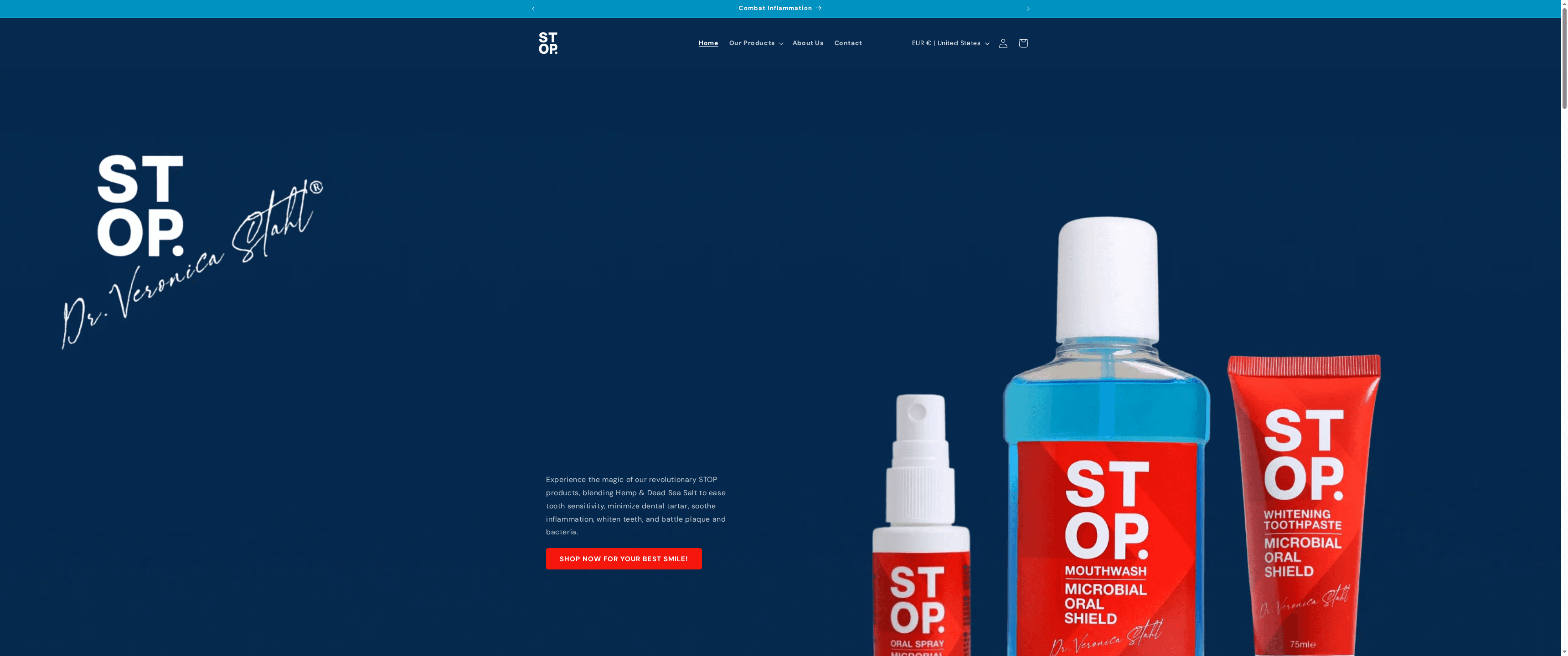
Our formulations replace synthetic detergents with mineral-rich compounds that remineralize enamel and soothe oral tissues. Each product undergoes rigorous testing to ensure safety and efficacy for even the most sensitive mouths. Whether you’re managing recurrent ulcers or simply seeking cleaner ingredients, our range provides solutions aligned with your health priorities. Visit our website to explore options that support your journey toward natural, chemical-free oral wellness.
Frequently asked questions
What causes sensitivity to sodium lauryl sulfate in toothpaste?
SLS sensitivity arises from its detergent properties that strip protective oils and proteins from oral mucosa, increasing tissue permeability and vulnerability to irritation. The chemical denatures cell membrane lipids, weakening the structural integrity of epithelial cells lining the mouth. Individuals with naturally thinner mucosa or compromised immune function face higher sensitivity risk. Switching to SLS free toothpaste allows the protective barrier to restore itself, reducing symptoms within weeks.
Is fluoride safe to use with SLS free toothpaste?
Fluoride is generally safe and effective for cavity prevention when used in recommended concentrations, and many SLS free toothpastes include it as an active ingredient. The two components address different oral health aspects: fluoride remineralizes enamel while SLS absence protects soft tissues. People choosing fluoride-free options do so based on personal preference, concerns about systemic absorption, or desire for fully natural formulations. Both fluoride-containing and fluoride-free SLS free toothpastes provide excellent oral health outcomes.
Will SLS free toothpaste foam as much as regular toothpaste?
SLS free toothpaste typically produces less foam because alternative surfactants generate gentler lather while maintaining cleaning effectiveness. Plant-based foaming agents like decyl glucoside create moderate foam sufficient for ingredient distribution without excessive bubbles. Foam serves purely cosmetic purposes and provides no cleaning benefit, so reduced lather doesn’t indicate inferior performance. Most users adapt to lower foam levels within days once they understand effective cleaning depends on mechanical brushing action, not bubble volume.
How long does it take to notice benefits after switching to SLS free toothpaste?
Clinical studies show symptom improvement within four weeks of consistent SLS free toothpaste use, with many users noticing reduced irritation within the first two weeks. Individuals with recurrent canker sores often experience decreased ulcer frequency and severity during this initial month. Tissue healing and barrier restoration occur gradually as SLS exposure ends and natural protective mechanisms recover. Maintaining consistent use throughout the four-week period allows accurate assessment of personal benefits and optimal oral health improvements.
Recommended
- SLS-Free Toothpaste Benefits: A Gentler Clean – Stop Oral Care
- Best Toothpaste Without SLS: Top Picks for Gentle, Effective Cleaning – Stop Oral Care
- Choosing Toothpaste Without Sodium Lauryl Sulfate and Fluoride for Sen – Stop Oral Care
- Silica Free Toothpaste: A Complete Guide to Choosing, Using, and Makin – Stop Oral Care