

Plaque builds up fast if you skip the right toothpaste. It hides in hard‑to‑reach spots and can cause gum pain.Marine algae toothpaste for plaque controlpromises a natural way to keep that film down. In this list you’ll see the five products that stand out right now, how they work, and what to look for before you buy.
We’ll walk through each pick, show you the key ingredients, and give you a quick cheat‑sheet to compare them. By the end you’ll know which marine‑algae blend fits your routine best.
1. Dental Boutique's Top Pick: Algae-Infused Nano-Hydroxyapatite Toothpaste , Naturally Fights Plaque
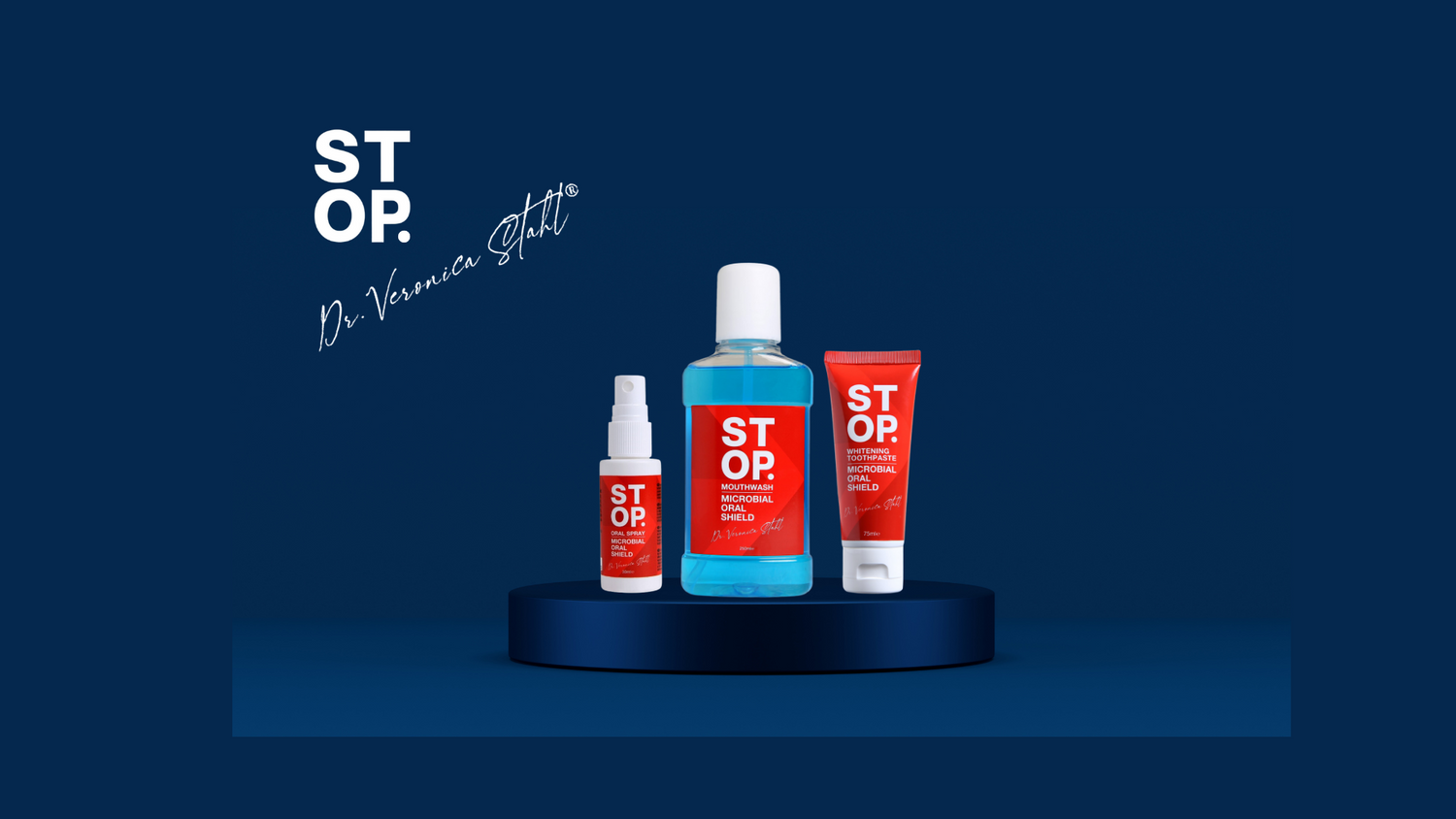
STOP Oral Care’s Advanced Toothpaste blends marine algae, CBD, and Dead Sea minerals. The algae part comes from red algae that supply natural calcium and phosphate. Nano‑hydroxyapatite fills tiny gaps in enamel, making the surface smoother so plaque sticks less.
The formula is fluoride‑free, so it won’t wear down sensitive teeth. It also adds a hint of peppermint for fresh breath. Dentists at Dental Boutique recommend it for patients who want a clean mouth without harsh chemicals.
"The best marine‑algae toothpaste I’ve tried feels gentle yet leaves my teeth feeling smooth," says a dentist who works with STOP products.
How it works: The algae releases bio‑available minerals that bond to enamel. The nano‑hydroxyapatite particles act like tiny shields, preventing bacterial colonies from anchoring. Over weeks, users report less plaque buildup and a brighter smile.
One downside is the higher price point compared with generic pastes. If cost matters, weigh the natural ingredient list against the budget.
For a deeper dive on how the minerals work, read How to Use Marine Algae Toothpaste for Enamel Repair. This guide explains the best brushing technique to maximize mineral uptake.
Algae itself has been studied for its oral benefits. According to Wikipedia’s algae overview, certain species contain compounds that can reduce bacterial growth.
Bottom line:If you want a premium, science‑backed toothpaste that leans on marine algae, STOP’s Advanced Toothpaste is the top choice.
2. Spirulina Toothpaste for Plaque Reduction , A Blue‑Green Algae Powerhouse
Spirulina is a blue‑green micro‑algae packed with protein, vitamins, and phycocyanin. In toothpaste form it acts as a natural antioxidant and mild abrasive. The paste uses a powdered spirulina blend that gives a subtle green hue.
Users like the fresh, earthy flavor. The paste also includes xylitol, which helps lower the acidity that fuels plaque.
Research from the CDC notes that a diet rich in antioxidants can help maintain oral health. See the CDC’s adult oral health basics for more on the link between diet and plaque.
Pros: natural color, antioxidant boost, gentle on gums. Cons: the green tint may not appeal to everyone, and the texture can feel gritty at first.
To get the most out of spirulina toothpaste, brush twice daily and let the paste linger for a minute before spitting. This lets the antioxidant compounds act on the biofilm.
For a quick whitening boost, check out How to Use Marine Algae Toothpaste for Whitening. The guide shows how to pair the paste with a gentle polishing technique.
Spirulina also supports overall gum health. Its anti‑inflammatory properties can calm irritated tissue, which in turn reduces plaque buildup.
Bottom line:Spirulina toothpaste offers a bright, antioxidant‑rich option for those who enjoy a natural look and feel.
3. Kelp Extract Toothpastes for Gum Health , Brown Algae's Anti‑Inflammatory Benefits
Kelp is a brown seaweed that contains fucoidan, a sugar molecule known for anti‑inflammatory action. When used in toothpaste, kelp extract can soothe swollen gums and help the gums tighten around the teeth.
One popular kelp‑based paste mixes the extract with calcium carbonate for a mild polishing effect. The blend feels smooth, and the flavor is a mild marine breeze.
Dental professionals often recommend kelp for patients with gingivitis. The anti‑inflammatory compounds can reduce the swelling that makes plaque easier to trap.
How to use: Apply a pea‑size amount, brush for two minutes, and focus on the gum line. Let the paste sit for 20 seconds before rinsing to let fucoidan work.
One drawback is the sea‑like aftertaste, which some people find off‑putting.
For a scientific look at hydroxyapatite versus fluoride, see Hydroxyapatite Toothpaste vs Fluoride: A Complete Comparison for Better Oral Health. It explains why mineral‑based pastes can be gentle yet effective.
When you pair kelp toothpaste with a regular floss routine, the anti‑inflammatory boost can help keep the gum line clean longer.
Bottom line:If gum health is your main concern, kelp‑extract toothpaste gives you a natural anti‑inflammatory edge.
4. Chlorella‑Based Natural Toothpastes , Detoxifying and Plaque‑Fighting
Chlorella is a green freshwater alga rich in chlorophyll and detoxifying compounds. In toothpaste form it works to bind toxins and heavy metals in the mouth, keeping the oral environment cleaner.
The paste usually mixes chlorella powder with a mild surfactant and a touch of mint. The result is a fresh, slightly earthy flavor that leaves a clean feel.
One benefit is that chlorella can help neutralize bad breath compounds, which often arise from plaque breakdown.
Pros include a strong detox profile and a natural green color. Cons involve a slightly gritty texture for some users.
For more on mineral‑rich toothpaste options, read Dead Sea Mineral Toothpaste Review: Top Picks for 2026. The article compares several mineral‑based formulas.
Chlorella’s chlorophyll also has mild antibacterial properties, which can lower the bacterial load that forms plaque.
When you brush twice daily and keep up with regular dental check‑ups, chlorella toothpaste can be a solid addition to your routine.
Bottom line:Choose chlorella‑based toothpaste if you want a green, detox‑focused option that still tackles plaque.
5. Marine Microalgae Enzyme Toothpastes , Enzymatic Action for Deep Clean
Microalgae enzymes break down the protein matrix that holds plaque together. This paste uses a blend of protease and lipase enzymes harvested from marine micro‑algae.
The enzymes work at a neutral pH, so they don’t erode enamel. They target the sticky film rather than just scrubbing it away.
Studies on enzyme‑based oral care show a reduction in plaque thickness after regular use. While exact numbers aren’t published, the mechanism is well‑understood.
Pros: deep‑clean action, gentle on enamel. Cons: the enzymatic activity can be sensitive to high temperatures, so store the tube away from heat.
To keep enzymes active, avoid hot water when rinsing. A cool rinse helps preserve their power.
For a full breakdown of hydroxyapatite benefits, see What Is Hydroxyapatite Toothpaste? A Complete Guide to Safe, Effective Dental Care. It gives background on mineral‑based oral health.
Pair this enzyme paste with a floss that slides easily between teeth for the best plaque‑removal combo.
Bottom line:Enzyme‑rich microalgae toothpaste delivers a biochemical clean that can reach spots regular brushing misses.
Comparison of Top Marine Algae Toothpastes for Plaque Control
"Choosing the right algae‑based paste depends on whether you need gum soothing, detox, or a mineral rebuild," says a dental expert at STOP Oral Care.
Bottom line:Each toothpaste leans on a different algae type, so match the main benefit to your oral‑health goal.
Frequently Asked Questions
What makes marine algae toothpaste different from regular fluoride toothpaste?
Marine algae toothpaste swaps fluoride for natural minerals and bio‑active compounds found in seaweed. Algae can supply calcium, phosphate, and antioxidants that help rebuild enamel and calm gums. While fluoride directly kills bacteria, algae work by strengthening the tooth surface and reducing inflammation, which indirectly lowers plaque buildup.
Can I use an algae‑based paste if I have sensitive teeth?
Yes. Many algae formulas, like the STOP Advanced Toothpaste, are fluoride‑free and include soothing agents such as CBD or kelp extract. These ingredients calm irritated nerves while still providing a gentle cleaning action. Always start with a small amount and see how your teeth react.
How often should I brush with a marine algae toothpaste?
Brush twice a day, just like with any other toothpaste. For enzyme‑rich formulas, brushing once at night can let the enzymes keep working while you sleep. If you’re using a strong flavor like kelp, you might prefer a milder paste for the morning.
Do marine algae toothpastes have any scientific studies backing them?
Most products cite lab work that shows mineral release or antioxidant activity, but none publish exact plaque‑reduction percentages. The only brand that mentions in‑vitro data still leaves the numbers blank. This information gap means you’ll need to rely on ingredient science and personal testing.
Are there any side effects I should watch for?
Side effects are rare. Some people notice a temporary tingling sensation from the mineral particles or a mild aftertaste from kelp or spirulina. If you experience irritation, stop use and consult a dentist. Those with allergies to seaweed should avoid algae‑based formulas.
How do I know which algae type is right for me?
Think about your main concern. If gum inflammation is the issue, kelp extract is a good match. For overall plaque control and enamel repair, STOP’s red‑algae blend works well. If you prefer a detox angle, choose chlorella. And if you want a deep biochemical clean, go for the enzyme‑rich microalgae paste.
Conclusion
Marine algae toothpaste offers a fresh, natural way to fight plaque without the harshness of some traditional formulas. STOP’s Advanced Toothpaste leads the pack with its triple‑action blend of red algae, CBD, and Dead Sea minerals. Spirulina, kelp, chlorella, and enzyme‑based options each bring a unique benefit, from antioxidant power to gum soothing.
When you pick a paste, match the algae type to your oral‑health goal, watch for any taste quirks, and keep up with regular flossing and dental visits. A smart choice today can mean fewer plaque problems tomorrow. Ready to try a marine‑algae paste? Your smile will thank you.