

Your tooth enamel is the hardest stuff in your body. But it wears down. Acid from food, brushing too hard, and time all take a toll. Once it's gone, your body can't grow it back. That's the bad news.
Here's the good news. Science shows that some toothpastes can help repair early damage. They put back minerals your enamel has lost. And the latest star ingredient? Marine algae. These sea plants are full of calcium and other minerals that your teeth need.
But not all marine algae toothpastes work the same. Some have real proof. Others just have fancy labels. This guide will show you exactly how to use marine algae toothpaste for enamel repair. You'll learn which ingredients matter, how to brush for best results, and what products actually back up their claims with research.
Our research team looked at five marine algae toothpastes on the market. We checked ingredient lists, clinical evidence, and customer claims. Only one in five actually had clinical research backing. Two had no proof at all. That gap between marketing and science is why this guide exists. For personalized advice, visit our partner dental clinic at https://dentalboutique.be.
Bottom line: The right toothpaste plus the right technique can help your enamel repair itself. Let's walk through how to do it.
Step 1: Understand How Marine Algae Toothpaste Repairs Enamel
Your enamel is made mostly of minerals. When acids from food or bacteria attack it, those minerals leach out. This is called demineralization. If it goes on long enough, you get cavities or sensitivity.
Marine algae toothpaste for enamel repair works by putting those minerals back. The key is that some algae, like Lithothamnion calcareum, are packed with calcium carbonate. Research published in the International Journal of Environmental Research and Public Health shows this red algae can help remineralize enamel just as well as fluoride. In one study, a solution of this algae actually prevented mineral loss from intact enamel and helped rebuild demineralized surfaces. You can read the full study here.
Think of it this way. Your enamel is like a brick wall. Acids chip away at the mortar. The calcium from marine algae acts like new mortar. It fills in the gaps and strengthens the wall. But not all algae work the same way. Some types, like red seaweed (Chondrus crispus), have prebiotic fibers that feed good bacteria. Those bacteria then produce acids that actually protect your enamel. It's a different approach, but it still helps.
The most direct way marine algae helps is through hydroxyapatite. That's a form of calcium phosphate that makes up your enamel. Some toothpastes use hydroxyapatite derived from red algae. This is important because your body recognizes it and uses it to rebuild. Natural toothpaste brands often highlight this ingredient because it's fluoride-free but still effective. For a deeper look at how fluoride-free options stack up, check out our guide on Dead Sea Mineral Toothpaste Enamel Repair Benefits.
So when you choose a marine algae toothpaste for enamel repair, you want one that has hydroxyapatite or a high calcium content. Look for specific algae names like Lithothamnion calcareum or general "marine algae extract". Just remember, not all extracts are created equal. Some are just filler.
Bottom line: Marine algae toothpastes work by supplying calcium and minerals that your enamel uses to repair itself, with the best results coming from algae that naturally contain hydroxyapatite.
Step 2: Choose the Right Marine Algae Toothpaste
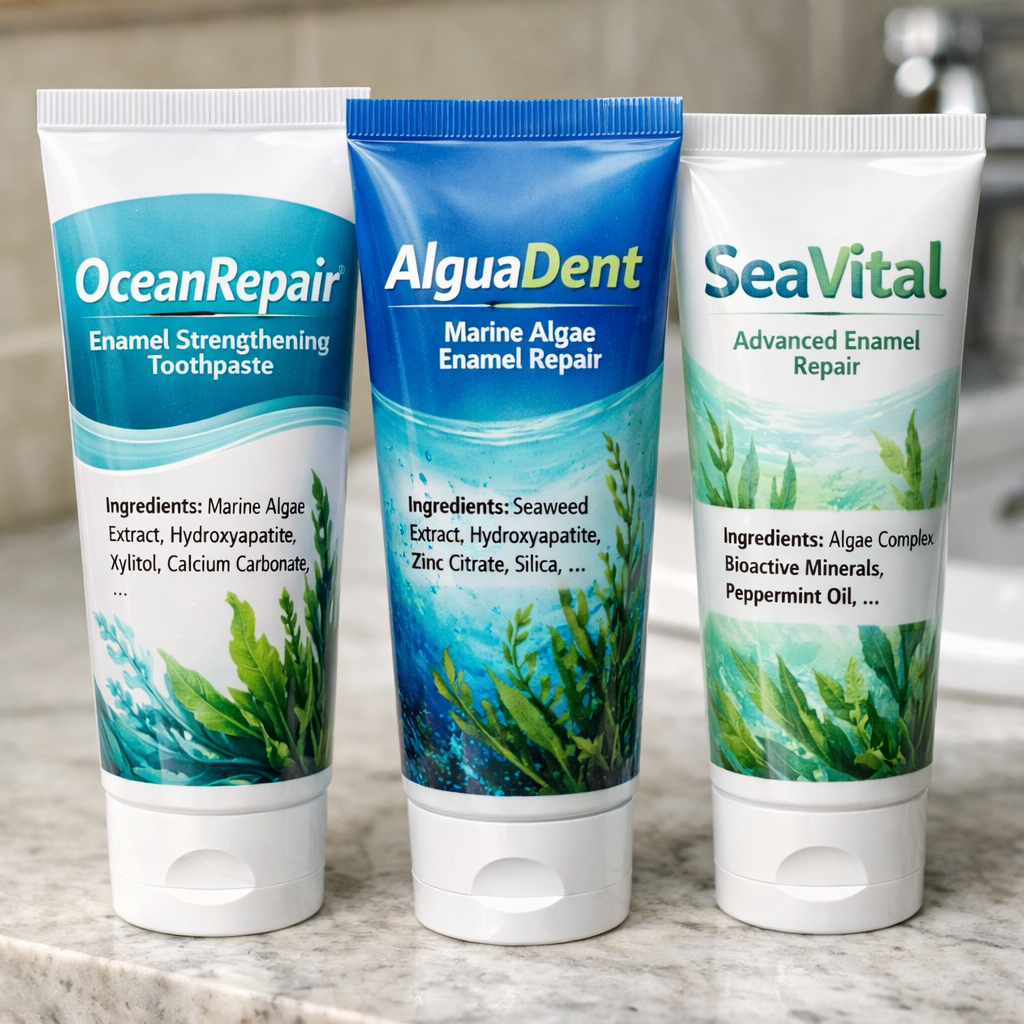
Not all marine algae toothpastes are equal. Some are backed by real science. Others just say "marine algae" on the box. Our research found that only 20% of products actually cite clinical evidence. That means 4 out of 5 are basically guessing.
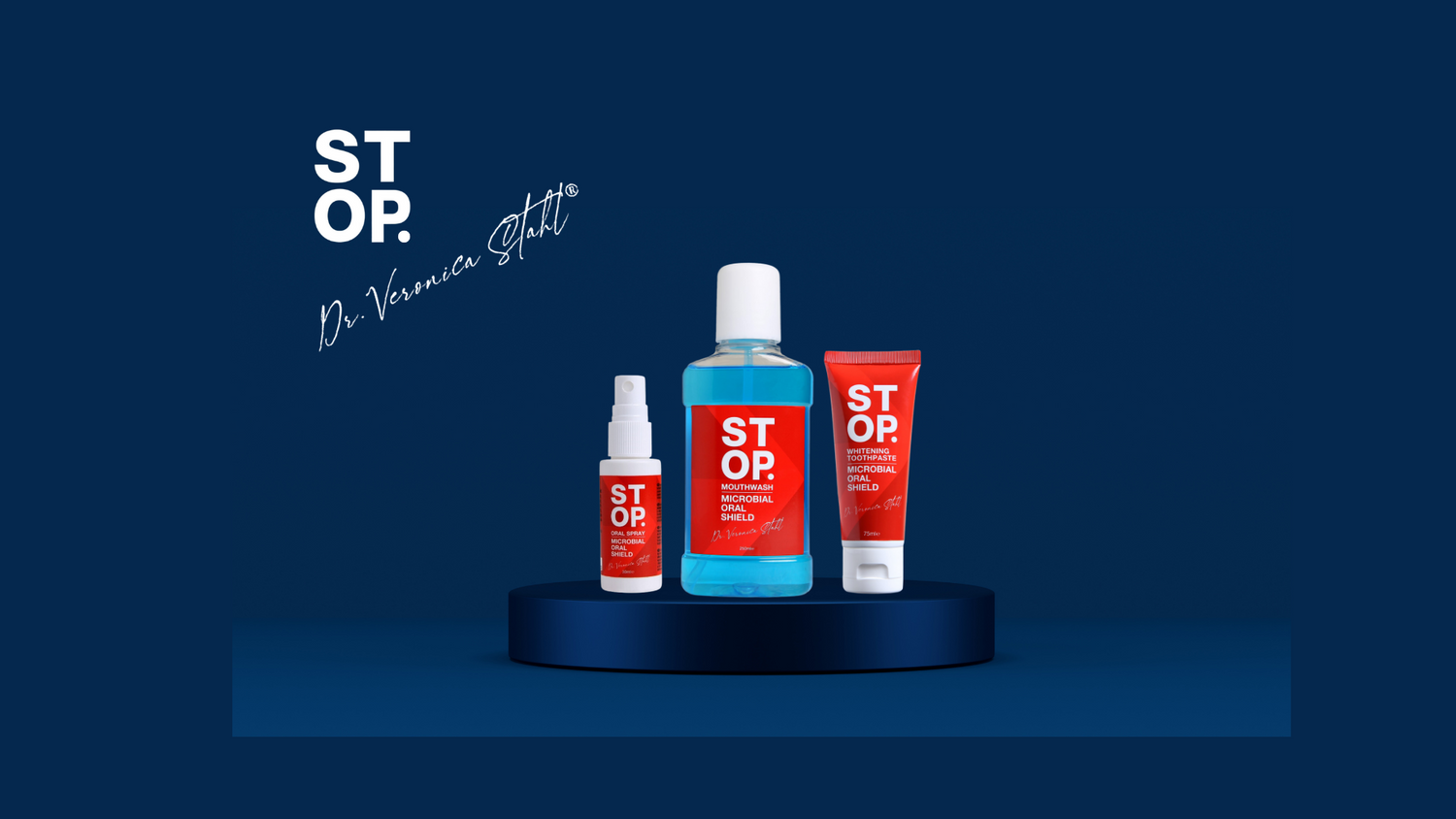
So how do you pick the right one? Start by looking at the ingredients. Our top pick, STOP Advanced Toothpaste, contains marine algae extract plus CBD and Dead Sea minerals. That's a triple-action formula. CBD helps soothe gums, Dead Sea minerals supply trace elements, and the algae provides calcium. It's designed for overall oral wellness, not just one problem.
If you have sensitive teeth or veneers, Weluxia Natural Mineral Toothpaste is a strong second choice. It uses Lithothamnium calcareum (red algae) as its source of hydroxyapatite. That's the same type of algae that the research study used. Weluxia even cites clinical research on their website, showing remineralization and enamel protection. But remember, our pick offers a broader range of benefits for most people.
Another option is Cannabite F. This one has a pomegranate and algae formulation. It's the only brand that provides in-vitro lab data from dental plaque samples. That's good, but in-vitro doesn't always mean it works in your mouth. Real-world results matter more.
Then there's Revitin. It uses red seaweed (Chondrus crispus) for its prebiotic fibers. Instead of directly remineralizing, it feeds good bacteria that protect enamel. That's a clever approach, but it lacks direct clinical evidence for enamel repair. The last option is STOP Oral Care Toothpaste, which also has red-algae hydroxyapatite and Dead Sea minerals, but no clinical proof stated. For a full breakdown of brands, see our Complete Guide to Toothpaste for Enamel Repair.
Bottom line: The best marine algae toothpaste for enamel repair is one with proven ingredients and clinical support, like our pick STOP Advanced Toothpaste, which combines algae with CBD and Dead Sea minerals for maximum benefit.
Step 3: Brush Correctly with Marine Algae Toothpaste
Even the best toothpaste won't help if you brush wrong. Marine algae toothpaste for enamel repair needs time to work. The minerals need to sit on your teeth long enough to bond with the enamel.
Here's the correct method:
- Use a pea-sized amount. That's all you need. More toothpaste doesn't mean more repair. It just creates foam that you spit out.
- Wet your brush lightly. Don't soak it. Too much water dilutes the toothpaste. You want the algae minerals concentrated on your teeth.
- Brush for a full two minutes. Set a timer if you have to. Most people brush for 45 seconds. That's not enough. The calcium needs contact time to adsorb onto the enamel surface. Studies show that two minutes of brushing with a remineralizing toothpaste significantly increases mineral uptake.
- Use gentle circular motions. Scrubbing back and forth wears down enamel. Small circles along the gumline and on each tooth surface are better. Let the toothpaste do the work.
- Don't rinse immediately. This is crucial. After you spit, wait at least 30 seconds before rinsing with water. Better yet, don't rinse at all. Just spit out the excess foam and leave the rest on your teeth. The minerals need that time to stick. Many dentists now recommend "spit don't rinse" for optimal fluoride or remineralization treatment.
Watch a dental hygienist demonstrate this technique in the video below.
For even better results, consider using a toothpaste that also helps plaque removal. Marine algae has natural plaque-fighting properties. To learn more, read our Marine Algae Toothpaste for Plaque Removal guide.
Bottom line: Brush gently for two minutes with a pea-sized amount, avoid rinsing right away, and give the algae minerals time to bond for effective enamel repair.
Step 4: Establish a Consistent Routine for Enamel Repair
Consistency is everything. Using marine algae toothpaste for enamel repair once a week won't do much. You need to use it twice a day, every day, for at least three months to see noticeable improvement.
Think of it like watering a plant. One big splash won't keep it alive. Small regular drinks do. The same goes for your enamel. Each brushing session deposits a microscopic layer of minerals. Over time, those layers add up and fill in the tiny cracks and weak spots.
Set a routine that you can stick to. Brush in the morning after breakfast and at night before bed. Keep your toothpaste in the same spot. Use a timer or a toothbrush app. Some electric toothbrushes have a two-minute timer built in.
Don't skip the night brushing. That's the most important one. While you sleep, your mouth produces less saliva. Saliva normally helps neutralize acid and wash away food particles. But at night, your teeth are more vulnerable. The minerals from the toothpaste have a longer time to work because you won't be eating or drinking for hours.
Combine your toothpaste with other enamel-friendly habits. Avoid acidic drinks like soda and citrus juice. If you do have them, rinse your mouth with water afterward and wait 30 minutes before brushing. Brushing right after acid exposure actually scrubs away softened enamel.
Also, consider using a straw for acidic beverages. That keeps the liquid away from your teeth. And chew sugar-free gum with xylitol after meals. Xylitol stimulates saliva flow and helps neutralize acid. It's a simple addition that supports the work your toothpaste is doing.
For a complete approach, pair your marine algae toothpaste with a compatible mouthwash. Our Marine Algae Toothpaste for Gum Health guide explains how to build a full oral care routine.
Bottom line: Build a consistent twice-daily routine, prioritize nighttime brushing, and support your toothpaste with enamel-friendly habits for the best repair.
Step 5: Support Enamel Repair with Additional Dental Habits
Marine algae toothpaste for enamel repair is powerful, but it works best as part of a bigger plan. Your daily habits outside of brushing matter just as much.
Watch what you eat. Foods rich in calcium help your teeth from the inside. Dairy products, leafy greens, almonds, and sardines are good picks. Vitamin D is also critical because it helps your body absorb calcium. Get some sunlight or eat fatty fish. If you're deficient, consider a supplement after talking to your doctor.
Cut down on sugar. Bacteria in your mouth feed on sugar and produce acid. Less sugar means less acid attacking your enamel. It's that simple. Aim for less than 25 grams of added sugar per day.
Stay hydrated. Dry mouth speeds up enamel erosion. Saliva is your mouth's natural defense. It neutralizes acids and washes away food particles. Drink water throughout the day. If you have chronic dry mouth, try sugar-free lozenges or a humidifier at night.
Use a soft-bristled toothbrush. Hard bristles can scrape away enamel over time. Soft bristles are gentler and just as effective if you use proper technique.
Avoid grinding your teeth. Bruxism wears down enamel faster than anything else. If you wake up with a sore jaw or headache, you might be grinding at night. A mouthguard from your dentist can protect your teeth.
Let's put it all in a quick-reference table.
| Habit | Why It Helps | How to Do It |
|---|---|---|
| Eat calcium-rich foods | Provides building blocks for remineralization | Include dairy, greens, almonds daily |
| Limit acidic drinks | Reduces direct acid attacks on enamel | Drink through a straw, rinse with water after |
| Use a straw | Bypasses teeth, reduces acid contact | Sip sodas or fruit juice through a straw |
| Chew xylitol gum | Stimulates saliva, neutralizes bacteria acids | Chew after meals for 5-10 minutes |
| Nighttime mouthguard | Prevents wear from grinding | Get fitted by your dentist |
| Hydrate frequently | Maintains saliva flow and pH balance | Drink water every 1-2 hours |
For more tips on keeping gums healthy along with your enamel, check out our Seaweed Toothpaste Guide: Benefits, DIY Recipe, and Buying Tips.
Bottom line: Combine your marine algae toothpaste with a low-sugar diet, good hydration, and protective habits like using a straw and a soft brush to maximize enamel repair.
Frequently Asked Questions
How long does it take for marine algae toothpaste to repair enamel?
Enamel repair is a slow process. Most people see noticeable improvements in tooth sensitivity and surface texture after about three months of twice-daily use. For full remineralization of early lesions, it can take six to twelve months. The key is consistency and using a toothpaste with proven ingredients like hydroxyapatite from red algae. Our pick, STOP Advanced Toothpaste, is designed for long-term use.
Can marine algae toothpaste really rebuild enamel?
It can remineralize and strengthen weakened enamel, but it cannot grow back enamel that has been completely lost. Once the full thickness is gone, only a dentist can repair it with fillings or veneers. However, for early-stage demineralization (white spots or sensitivity), marine algae toothpaste for enamel repair can reverse the damage by depositing calcium and phosphate minerals onto the enamel surface.
Is marine algae toothpaste safe for sensitive teeth?
Yes, it's often recommended for sensitivity. Many marine algae toothpastes are fluoride-free and gentle. Weluxia Natural Mineral Toothpaste specifically targets sensitive teeth. But if you have severe sensitivity, check with your dentist first. Some brands may contain abrasive ingredients like calcium carbonate that could worsen sensitivity if used incorrectly.
How is marine algae toothpaste different from regular fluoride toothpaste?
Marine algae toothpaste uses natural mineral sources instead of synthetic fluoride. The algae provides calcium and often other trace minerals that support enamel health. Some people prefer it because they're concerned about fluoride side effects. Research from the study we cited shows that Lithothamnion calcareum can be just as effective as fluoride for remineralization. However, both are effective. Choose based on your personal preference and dental needs.
Can I use marine algae toothpaste with my electric toothbrush?
Absolutely. In fact, electric toothbrushes can make the application more consistent. Use the sensitive or gentle mode to avoid over-scrubbing. Apply a pea-sized amount directly onto the brush head and run it for a full two minutes. The combination of a good brush and marine algae toothpaste for enamel repair can speed up results.
What should I avoid when using marine algae toothpaste?
Avoid rinsing your mouth immediately after brushing. Spit out the excess but try not to rinse with water for at least 30 minutes if possible. Also avoid eating or drinking anything for 30 minutes to let the minerals bond. Avoid using very hot water to wet your brush, as heat can break down some of the beneficial ingredients. And don't brush harder thinking it will help - gentle circular motion is best.
Does marine algae toothpaste whiten teeth?
It can have a mild whitening effect by removing surface stains through gentle polishing. The calcium and hydroxyapatite can also make teeth appear whiter by smoothing the enamel surface, which reflects light better. However, it's not a bleaching agent. For dramatic whitening, you'd need professional treatment. But for gradual, natural-looking brightening, marine algae toothpaste is a good option.
Can children use marine algae toothpaste?
Yes, but check the age recommendations on the package. Many natural toothpastes are safe for children over age 2 because they don't contain fluoride. However, children under 6 should use only a tiny smear and be supervised to avoid swallowing too much. Always confirm with your pediatric dentist before switching. Our pick STOP Advanced is formulated for adults, but there are kid-friendly marine algae options.
Conclusion
Marine algae toothpaste for enamel repair is a real, science-backed option. It's not a magic cure. But it can help your teeth rebuild minerals and become stronger over time. The key is choosing the right product and using it correctly.
We've covered five steps in this guide. First, understand how the algae works. Second, pick a toothpaste with proven ingredients like hydroxyapatite from red algae. Our top recommendation is STOP Advanced Toothpaste, which combines marine algae with CBD and Dead Sea minerals for complete oral wellness. Third, brush properly for two minutes and don't rinse right away. Fourth, stick to a consistent twice-daily routine. Fifth, support your efforts with good diet and habits.
Remember our research: only 1 in 5 marine algae toothpastes has clinical evidence backing it up. Don't fall for marketing hype. Read labels. Look for real ingredients. And if you're unsure, ask your dentist. For personalized advice, visit https://dentalboutique.be.
Your enamel can't grow back, but you can protect what you have and even repair early damage. Start today. Your teeth will thank you.