

You cannot regrow lost enamel, but proven home measures can halt further erosion and help remineralize early damage. Once the outer mineral layer of a tooth wears away, it is gone permanently. But early-stage mineral loss, the soft, chalky patches that show up before visible wear, can be strengthened and reversed using topical fluoride and behavior change.
The actions that matter most: brush with a remineralizing toothpaste (fluoride or hydroxyapatite), neutralize acid exposure with water or a baking-soda rinse, chew sugar-free gum to boost saliva, cut back on acidic sipping habits, and wait before brushing after anything acidic touches your teeth.
- Use a fluoride or hydroxyapatite toothpaste daily, not occasionally
- Rinse with water or diluted baking soda right after acid exposure
- Wait at least 30 minutes before brushing following acidic food, drinks, or vomiting
- Chew sugar-free gum after meals to stimulate saliva flow
- See a dentist if you notice sensitivity, yellowing, pitting, or suspect reflux
Pro Tip: If you only adopt one habit this week, make it the post-acid water rinse. It costs nothing, takes ten seconds, and directly protects enamel that’s already softened.
Key Takeaways
Enamel erosion home remedies work by neutralizing acid quickly, supporting saliva flow, and using a remineralizing toothpaste consistently, but they cannot reverse enamel that has already worn away.
| Point | Details |
|---|---|
| Enamel loss is permanent | Once enamel wears through, it cannot regrow; only early mineral loss can be strengthened. |
| Timing beats intensity | Rinse with water immediately after acid exposure, then wait 30 to 60 minutes before brushing. |
| Saliva is your best defense | Sugar-free xylitol gum and consistent hydration keep natural remineralization active. |
| Watch for escalating signs | Persistent sensitivity, pitting, or reflux symptoms mean it’s time for a dental visit. |
| Fluoride-free options exist | Stop-oralcare’s hydroxyapatite toothpaste and mineral mouthwash support enamel using the same mineral chemistry as saliva, without fluoride. |
This article is general information, not a substitute for advice from a qualified doctor. Consult a qualified healthcare professional about your own circumstances before acting on anything here.
Table of Contents
- Enamel erosion home remedies: what enamel is and how erosion actually happens
- What causes enamel erosion, and how do you spot it early?
- Can enamel be rebuilt? What the evidence says about remineralization
- Enamel erosion home remedies: the exact steps to follow
- Building a daily routine and knowing when to call a dentist
- Dr. Veronica Stahl on fluoride-free enamel support
- What actually moves the needle on enamel, and what doesn’t
- How Stop-oralcare fits into an enamel-support routine
- Sources
Enamel erosion home remedies: what enamel is and how erosion actually happens
Enamel is the hardest substance your body produces, made almost entirely of hydroxyapatite, a crystalline calcium phosphate structure that shields the softer dentin underneath. It has no living cells and no blood supply, which is precisely why it cannot heal itself the way skin or bone does.
Erosion is a chemical process, not a bacterial one. Acids from food, drinks, or stomach fluid dissolve the mineral structure directly, softening it before it eventually wears away. That distinguishes erosion from cavities, which form when oral bacteria feed on sugar and produce localized acid pockets that eat through enamel at specific spots.
The good news sits in the gray zone between healthy enamel and fully eroded enamel. Early demineralization, sometimes visible as chalky white spots, can be re-hardened if you intervene before the structure collapses entirely. That is the window every home remedy in this article is trying to catch.
- Enamel: 96% mineral, primarily hydroxyapatite, with no regenerative capacity
- Erosion: acid dissolves mineral structure broadly across the surface
- Decay: bacteria produce localized acid, creating pits and cavities
- Early mineral loss: reversible with fluoride, calcium, and phosphate exposure
- Full-thickness enamel loss: permanent, requires dental treatment
What causes enamel erosion, and how do you spot it early?
Most erosion traces back to how often, not how much, acid touches your teeth. Sipping soda over two hours does more damage than drinking the same can in five minutes, because each sip resets the acid attack on your enamel.
Common dietary triggers include soda, sports drinks, citrus fruit, wine, and vinegar-based dressings. Internal acid sources matter just as much: GERD, chronic reflux, and bulimia expose teeth to stomach acid that is considerably more corrosive than anything in a soft drink. Certain medications, particularly antihistamines, antidepressants, and blood pressure drugs, reduce saliva flow and remove the mouth’s natural buffering system.
Mechanical habits compound the damage. Brushing immediately after something acidic scrubs away enamel that has gone temporarily soft. Teeth grinding (bruxism) wears enamel through friction rather than chemistry, and abrasive whitening powders or hard-bristled brushes accelerate both problems.
- Sensitivity to hot, cold, or sweet foods that appears suddenly
- Teeth that look more yellow as dentin shows through thinning enamel
- Surfaces that turn shiny, smooth, or develop small pits
- Rounded or transparent-looking edges on front teeth
- Cracks or chips that seem to appear without injury
Can enamel be rebuilt? What the evidence says about remineralization
Enamel cannot be “rebuilt” in the sense of regenerating new tissue, but early mineral loss can be strengthened through remineralization, a process where calcium and phosphate ions redeposit into the weakened crystal structure. Saliva does this constantly in the background, which is why a dry mouth accelerates erosion so noticeably.
Topical fluoride remains the standard treatment dentists reach for first. It works by converting hydroxyapatite into fluorapatite, a more acid-resistant version of the same mineral. Stannous fluoride adds a mild antibacterial effect on top of that, which helps with sensitivity. Neither fluoride compound reverses enamel that has already worn through. Both only strengthen what remains.
Hydroxyapatite toothpaste offers a fluoride-free route that works by supplying the exact mineral enamel is made of, directly to the tooth surface, and it has growing supportive evidence as a legitimate alternative for people who want to avoid fluoride.
- Fluoride/stannous fluoride: converts enamel to a more acid-resistant form
- Hydroxyapatite: supplies the mineral enamel is built from directly
- Saliva: delivers calcium and phosphate naturally, all day
- Practical takeaway: pick one dentist-approved topical agent and use it consistently
Enamel erosion home remedies: the exact steps to follow
This is where the checklist becomes concrete. The remedies below are ordered by how much protective effect they actually deliver, based on how dentists prioritize acid neutralization, remineralization, and saliva support.
1. Rinse with water immediately after acid exposure
The moment you finish a soda, a glass of wine, or a citrus snack, swish plain water around your mouth for 20 to 30 seconds. This dilutes the acid sitting on your teeth and buys your saliva time to start neutralizing it. It is the single cheapest, fastest habit on this list, and most people skip it entirely.
2. Use a baking soda rinse after heavy acid exposure
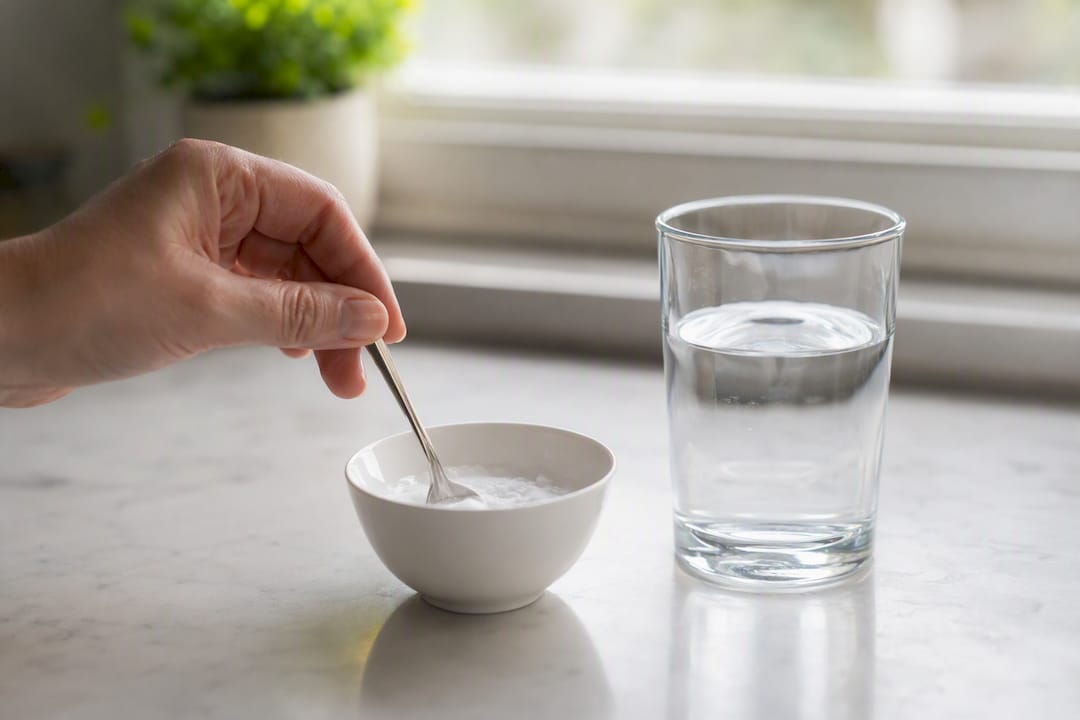
Water works for everyday exposure, but after vomiting, severe reflux, or something intensely acidic, a stronger neutralizer helps more. Mix one teaspoon of baking soda into about 250 ml (roughly one cup) of water and swish for 30 seconds, then spit it out. Sodium bicarbonate neutralizes acid directly, which is exactly what your enamel needs in that window. Do not brush right after. That comes later.
3. Wait 30 to 60 minutes before brushing
This is the step most people get backward. Right after acid exposure, enamel is temporarily softened, and brushing at that moment scrubs away mineral that would otherwise reharden on its own. Dental researchers recommend waiting at least 30 minutes before brushing following anything acidic, giving saliva time to buffer the surface first. When you do brush, use a soft-bristled brush and light pressure. Aggressive scrubbing is a mechanical cause of erosion in its own right, not just a missed opportunity to help.
4. Choose the right remineralizing toothpaste
If your dentist has recommended fluoride, a fluoride toothpaste used twice daily remains one of the most reliable ways to strengthen enamel that has started to soften. If you are specifically looking for a fluoride-free option, hydroxyapatite toothpaste used consistently, per the product’s instructions, supplies the same mineral your enamel is made from. Consistency matters more than which one you pick. Switching formulas every few weeks defeats the purpose.
5. Chew sugar-free gum after meals
Chewing gum containing xylitol for 10 to 20 minutes after eating stimulates saliva flow, and saliva is your mouth’s built-in acid buffer and mineral delivery system. Avoid sugared gum entirely. It feeds the exact bacteria you are trying to keep away from your enamel.

6. Stay hydrated throughout the day
Dry mouth is one of the most underrated causes of accelerated erosion, particularly for anyone on antihistamines, antidepressants, or blood pressure medication. Drinking water consistently, not just at meals, keeps saliva flowing at a volume that can actually do its job.
7. Time your acidic foods strategically
Eat citrus fruit, tomatoes, or vinegar-based dressings as part of a meal rather than as a standalone snack. Other foods and saliva triggered by chewing help buffer the acid. Sipping acidic drinks over an extended period is worse than drinking them quickly, so if you are having soda or wine, finish it rather than nursing it, and use a straw when it makes sense to reduce direct contact with your front teeth.

8. Finish meals with dairy products like milk or cheese to help neutralize residual acid
Dairy at the end of a meal helps neutralize residual acid and supplies calcium and phosphate at the exact moment your enamel could use them. It is a small habit that costs nothing and takes advantage of something you’re already eating.
- Skip undiluted lemon juice, apple cider vinegar rinses, or any “detox” acid swish. These directly erode enamel; there is no version of this that helps.
- Skip charcoal powder, baking soda used as an abrasive scrub, or crushed aspirin as a whitening hack. Abrasive particles wear enamel mechanically, which is a different but equally permanent form of damage.
- The baking soda rinse described above is a diluted solution swished and spit out, not a paste rubbed onto teeth. That distinction is the difference between neutralizing acid and grinding it in.
Building a daily routine and knowing when to call a dentist
A prevention routine only works if it is boring enough to repeat every day without thinking about it. The checklist below covers the habits worth building into your morning and evening, plus the warning signs that mean home care alone is not enough anymore.
- Brush twice daily with a soft-bristled brush and your chosen remineralizing toothpaste
- Floss once daily to keep bacteria from compounding acid damage between teeth
- Chew xylitol gum after meals, especially when you cannot brush right away
- Drink water throughout the day rather than only with meals
- Avoid sipping acidic drinks slowly; finish them or use a straw
- Rinse with water or a baking soda solution after any acidic exposure
Home remedies have a ceiling, and it is worth knowing where it sits. See a dentist if sensitivity persists for more than a week or two, if you notice visible pitting, chipping, or rapid changes in tooth color, or if you suspect frequent reflux or vomiting is exposing your teeth to stomach acid regularly. A dental evaluation catches erosion before it progresses to something home care cannot touch.
Clinical treatments scale with severity. Topical fluoride varnish applied in-office is stronger than anything available over the counter. Bonding repairs small chips and areas of visible wear. Veneers or crowns become necessary when enamel loss is extensive enough to compromise the tooth’s structure. A custom night guard addresses grinding, which no amount of toothpaste or rinsing will solve on its own.
Dr. Veronica Stahl on fluoride-free enamel support
Dr. Veronica Stahl, a dentist and natural medicine researcher who leads product development at Stop-oralcare, has focused much of her clinical work on formulating oral care that supports enamel without relying on fluoride. Her position is straightforward: fluoride-free does not mean evidence-free, and it does not mean incompatible with standard dental guidance.
Hydroxyapatite and mineral-rich formulations work with the same remineralization chemistry your saliva already uses. The goal isn’t to replace what a dentist recommends. It’s to give people a scientifically grounded option when they specifically want to avoid fluoride.
Stop-oralcare’s hydroxyapatite toothpaste and Dead Sea mineral formulations are built around that principle, supplying calcium, magnesium, and phosphate compounds directly to enamel surfaces. The full product rationale and supporting research explains how the formulation targets early demineralization specifically.
- Choose fluoride when your dentist has diagnosed active, moderate to severe erosion
- Consider hydroxyapatite formulations when you want a fluoride-free daily option backed by mineral science
- Never substitute either for a dental visit when warning signs appear
What actually moves the needle on enamel, and what doesn’t
Most enamel advice online treats every remedy as equally important, and that framing does readers a disservice. Acid neutralization and timing, rinsing with water, waiting before brushing, matter more than almost anything else on this list, because they address the exact mechanism that causes damage in the first place. A lot of well-meaning advice buries that fact under a longer list of minor tweaks that feel productive but do far less.
The conventional wisdom I’d push back on hardest is the assumption that brushing harder or more often compensates for a poor diet. It does not. Aggressive brushing on softened enamel accelerates the exact problem it’s meant to prevent. Frequency and timing of acid exposure explain more of a person’s erosion risk than brushing habits ever will.
If you take one thing from this article, prioritize the water rinse and the 30 minute wait before anything else. They are free, immediate, and they directly interrupt the chemistry of erosion while it’s happening, rather than trying to patch damage after the fact.
— Veronica
How Stop-oralcare fits into an enamel-support routine
Stop-oralcare gives you a fluoride-free way to put the remineralization habits above into practice every day, without guessing which ingredients actually reach your enamel.
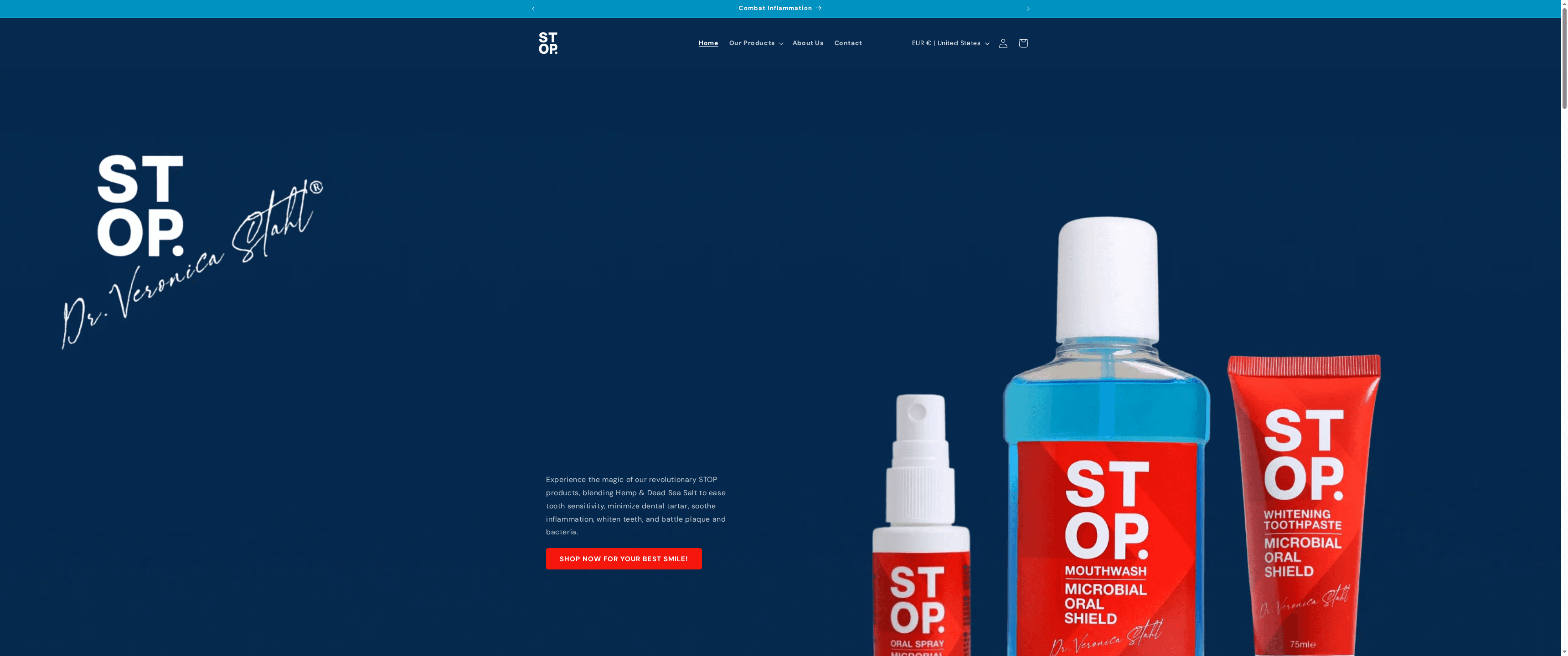
The hydroxyapatite toothpaste works as your twice-daily base, supplying the same mineral your enamel is made of directly to the tooth surface. The Dead Sea mineral mouthwash adds a second layer after meals or acidic exposure, and the oral spray gives you a quick option for the moments a full brushing routine isn’t practical, right after a snack at your desk, or before bed when your mouth has gone dry. For step-by-step usage guidance, the complete guide to enamel-repair toothpaste walks through how to build these products into the timing windows covered earlier in this article, including why waiting after acid exposure still applies even with a fluoride-free formula.
If your dentist has specifically recommended fluoride for active erosion, follow that guidance first. For daily prevention and early-stage support, visit the Stop Oral Care landing page to see the full product lineup and find the routine that matches your sensitivity level.
Sources
- Tooth Erosion: Stages, Causes & Treatment — Cleveland Clinic
- Dental erosion — Better Health Channel (Victoria)
- Tooth Enamel: Erosion and Restoration — WebMD
- Enamel: your teeth’s natural defense — Delta Dental
Recommended
- Toothpaste for Enamel Repair: A Complete Guide to Restoring Dental Hea – Stop Oral Care
- Enamel Protection: 30% Stronger Teeth Without Fluoride – Stop Oral Care
- Effective Natural Mouthwash for Gum Disease: 5 Home Remedies Backed by – Stop Oral Care
- How to Use Marine Algae Toothpaste for Enamel Repair – Stop Oral Care