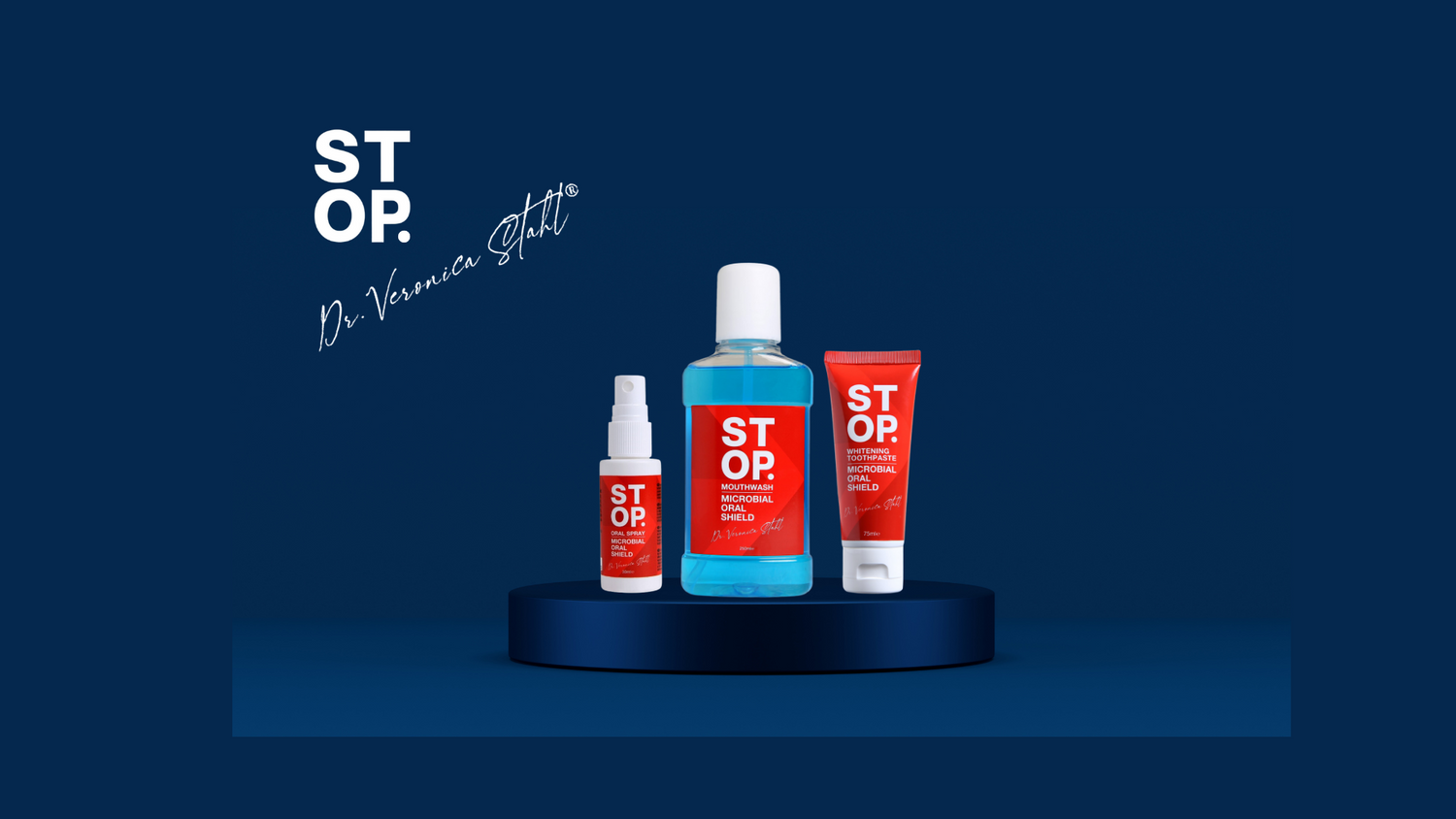


Many people assume fluoride is the only proven way to protect tooth enamel effectively. However, emerging clinical evidence demonstrates that natural mineral toothpaste showed 30-40% enamel hardening similar to low-fluoride products in clinical trials. This guide explores how enamel functions as your teeth’s primary defense and reveals scientifically backed, fluoride-free methods to preserve it. You’ll discover natural alternatives that work, practical lifestyle changes, and how to choose products that genuinely protect your enamel without compromise.
Table of Contents
- Understanding Enamel: Composition And Function
- How Enamel Protects Teeth And Risks Of Erosion
- Role Of Fluoride And Alternatives In Enamel Care
- Natural Alternatives To Fluoride For Enamel Preservation
- Common Misconceptions About Enamel Care
- How Lifestyle And Diet Influence Enamel Integrity
- Practical Application: Choosing Enamel-Friendly Products
- Discover Innovative Fluoride-Free Dental Care At Stop Oral Care
- Frequently Asked Questions About Enamel And Fluoride-Free Dental Care
Key Takeaways
| Point | Details |
|---|---|
| Enamel is irreplaceable | As the body’s hardest tissue, enamel cannot regenerate once damaged, making preservation critical for lifelong dental health. |
| Natural minerals work | Dead Sea minerals and hemp extracts provide effective enamel protection comparable to fluoride alternatives. |
| Diet matters significantly | High calcium intake and limiting acidic foods reduces enamel erosion risk by approximately 25%. |
| Misconceptions abound | Fluoride-free products can match fluoride effectiveness when formulated with clinically tested natural minerals. |
| Product selection is crucial | Low abrasiveness and bioactive minerals are essential features for effective enamel-friendly dental care. |
Understanding Enamel: Composition and Function
Dental enamel is the hardest substance in the human body, composed mainly of hydroxyapatite crystals providing mechanical protection against physical and chemical damage. This remarkable tissue consists of 96% mineral content, primarily arranged in tightly packed crystalline structures that create an impenetrable barrier for your teeth. The remaining 4% contains water and organic proteins that support structural integrity.
Enamel serves multiple protective functions essential for dental health:
- Shields inner tooth layers from physical wear caused by chewing, grinding, and daily use
- Creates a chemical barrier against acids produced by bacteria and dietary sources
- Prevents painful sensitivity by protecting nerve-rich dentin underneath
- Maintains tooth structure and prevents rapid decay progression
Understanding enamel’s unique properties reveals why protection strategies matter so much. Enamel loss is irreversible because enamel is acellular and lacks regenerative capacity; thus, preserving existing enamel is critical for long-term dental health. Unlike bone or skin, damaged enamel cannot heal or grow back. Once erosion occurs, you permanently lose that protective layer.
This biological reality makes prevention your only viable strategy. Every erosion incident compounds over time, gradually exposing vulnerable dentin and increasing cavity risk. When enamel wears thin, you experience heightened sensitivity to temperature changes and sweet foods. Advanced enamel loss eventually leads to structural tooth damage requiring extensive dental intervention.
The acellular nature of enamel means no living cells exist within it to facilitate repair. This design maximizes hardness but eliminates self-healing capabilities. Consequently, your daily care choices directly determine whether your enamel remains strong for decades or deteriorates prematurely.
How Enamel Protects Teeth and Risks of Erosion
Enamel’s protective mechanisms operate through both physical hardness and chemical resistance. The crystalline structure withstands enormous bite forces, distributing pressure evenly across tooth surfaces. This prevents cracks and fractures during normal function. Chemically, intact enamel resists acid penetration, maintaining stable pH levels at the tooth surface.
However, this defense system has vulnerabilities. Acidic pH below 5.5 causes enamel demineralization; bacterial acids from oral biofilm contribute to enamel erosion. When your mouth environment becomes too acidic, minerals literally dissolve from enamel crystals. This demineralization process weakens the structure progressively.
Several factors accelerate enamel erosion:
- Bacterial plaque produces lactic acid as microorganisms metabolize sugars and carbohydrates
- Dietary acids from citrus fruits, soft drinks, and vinegar-based foods directly attack enamel
- Frequent snacking maintains prolonged acidic conditions without recovery time
- Dry mouth reduces saliva’s natural buffering and remineralization capacity
- Aggressive brushing with abrasive products physically wears enamel away
Research indicates that enamel begins demineralizing within minutes when oral pH drops below the critical 5.5 threshold. Regular acid exposure from multiple sources creates cumulative damage. Morning coffee, afternoon soda, and evening wine each contribute acid attacks throughout the day. Between these exposures, your enamel struggles to remineralize before the next acidic challenge arrives.
The consequences of ongoing erosion become increasingly severe. Initial stages cause subtle sensitivity and slight transparency at tooth edges. Moderate erosion creates visible yellowing as dentin shows through thinned enamel. Advanced cases result in rough texture, significant discoloration, and painful sensitivity that interferes with eating and drinking. At this stage, dental intervention becomes necessary to prevent further damage and restore function.

Role of Fluoride and Alternatives in Enamel Care
Fluoride has dominated enamel protection discussions for decades due to its specific biochemical action. When fluoride contacts enamel, it replaces hydroxyl groups in hydroxyapatite crystals, creating fluorapatite. Fluoride forms fluorapatite enhancing acid resistance by 30%; other minerals support enamel remineralization without fluoride. This modified crystal structure resists acid dissolution more effectively than natural hydroxyapatite.
Yet fluoride isn’t the only mineral capable of strengthening enamel. Calcium and phosphate ions naturally present in saliva continuously repair minor demineralization. When supplied in optimal concentrations through dental products, these minerals accelerate remineralization beyond baseline rates. Magnesium and potassium similarly contribute to crystal stability and growth.
Clinical research demonstrates that properly formulated fluoride-free products achieve comparable results. Products containing bioactive mineral complexes show enamel hardness improvements matching low-fluoride alternatives in controlled studies. The key lies in delivery method, mineral concentration, and supporting ingredients that enhance mineral uptake.
| Aspect | Fluoride Products | Natural Mineral Products |
|---|---|---|
| Primary Mechanism | Forms fluorapatite crystals | Delivers calcium, magnesium, phosphate for hydroxyapatite repair |
| Acid Resistance Boost | Approximately 30% improvement | 15-30% improvement depending on formulation |
| Safety Profile | Effective at low doses; toxicity concerns at high doses | Generally recognized as safe with minimal toxicity risk |
| Remineralization Speed | Rapid fluorapatite formation | Gradual hydroxyapatite crystal growth |
| Long-term Efficacy | Well-established through decades of research | Emerging evidence supports comparable outcomes |
Pro Tip: Regardless of fluoride content, choose products with balanced abrasiveness rated below 70 RDA (Relative Dentin Abrasivity). High abrasiveness removes more enamel than remineralization can replace, creating net loss over time.
The mineral approach focuses on supporting your enamel’s natural composition rather than altering it. Hydroxyapatite remains the gold standard for enamel structure. Supplying abundant building blocks enables continuous repair of microscopic damage before it progresses. Combined with antimicrobial ingredients that reduce acid-producing bacteria, mineral-based products address both sides of the enamel equation.
Natural Alternatives to Fluoride for Enamel Preservation
Innovative natural ingredients offer compelling alternatives for health-conscious consumers seeking effective enamel protection. Dead Sea minerals increase enamel hardness up to 15% in studies; hemp extracts reduce acidogenic bacteria by up to 45%. These results demonstrate that nature provides powerful tools for dental health when applied scientifically.
Dead Sea minerals represent a concentrated source of beneficial elements. The unique geological formation creates exceptionally high concentrations of magnesium, calcium, potassium, and bromide. When incorporated into dental formulations, these minerals penetrate enamel surface irregularities, filling microscopic defects and strengthening the overall structure. Studies measuring surface microhardness show measurable improvements after regular use.
Hemp extracts contribute through antimicrobial mechanisms. Cannabinoids and terpenes naturally present in hemp demonstrate significant activity against Streptococcus mutans and other cavity-causing bacteria. By reducing bacterial populations, hemp extracts decrease lactic acid production in your mouth. Less acid means fewer demineralization episodes and better enamel preservation.
Key natural ingredients for enamel protection include:
- Calcium carbonate and calcium phosphate supply primary building blocks for hydroxyapatite crystal repair and growth.
- Magnesium chloride from Dead Sea sources enhances crystal stability and accelerates remineralization processes.
- Hemp seed oil and extracts provide antimicrobial cannabinoids that reduce acid-producing bacterial populations.
- Xylitol inhibits bacterial metabolism and maintains neutral pH, preventing acid attacks.
- Potassium compounds strengthen enamel while reducing sensitivity by calming nerve responses.
Combination formulations leveraging multiple natural ingredients often outperform single-ingredient approaches. The synergistic effect addresses enamel health from multiple angles simultaneously. Minerals rebuild structure while antimicrobials reduce threats and pH buffers maintain favorable conditions.
Pro Tip: Look for products listing specific mineral sources and concentrations rather than vague “natural mineral” claims. Clinical testing validates Dead Sea minerals and hemp-based formulations for enamel benefits, so verified ingredients matter.
These natural alternatives work best as part of comprehensive oral care routines. No single product provides complete protection. Combining gentle brushing technique, mineral-rich products, beneficial diet choices, and regular dental monitoring creates optimal conditions for enamel preservation throughout your lifetime.
Common Misconceptions About Enamel Care
Several persistent myths about enamel care mislead consumers into suboptimal product choices. Understanding the scientific reality helps you make informed decisions aligned with actual enamel needs rather than marketing hype or outdated assumptions.
Misconception 1: Fluoride-free products cannot effectively protect enamel. Scientific evidence shows fluoride-free products with natural minerals can achieve enamel remineralization comparable to low-fluoride products. Properly formulated alternatives deliver measurable enamel hardness improvements in clinical trials. The key differentiator is formulation quality, not fluoride presence.
Misconception 2: Enamel can regenerate if you use the right products. No product regenerates lost enamel. The acellular structure prevents any biological regrowth mechanism. Products can only remineralize existing enamel by repairing microscopic surface damage. Once enamel erodes completely through to dentin, that loss is permanent.
Misconception 3: Whitening products strengthen enamel. Most whitening agents focus on stain removal or bleaching, not structural improvement. Many whitening products increase sensitivity by temporarily opening enamel pores. Unless specifically formulated with remineralizing ingredients, whitening products typically don’t enhance enamel strength.
Misconception 4: More abrasive products clean better and protect enamel more. Excessive abrasiveness removes enamel faster than natural processes can repair it. While some abrasiveness is necessary for effective cleaning, high RDA values cause net enamel loss. Gentle formulations with appropriate abrasiveness preserve more enamel long term.
Misconception 5: Natural products lack scientific validation. Modern natural dental care draws from rigorous clinical research. Peer-reviewed studies document the efficacy of specific natural ingredients like Dead Sea minerals and hemp extracts. The evidence base continues expanding as research interest grows.
These misconceptions often stem from decades of marketing emphasizing fluoride as the only legitimate option. As scientific understanding advances, the evidence increasingly supports multiple valid approaches to enamel protection. Your choice should depend on personal health philosophy, ingredient preferences, and verified product efficacy rather than outdated assumptions.
How Lifestyle and Diet Influence Enamel Integrity
Your daily habits and food choices profoundly impact enamel preservation beyond product selection. Diet rich in calcium, phosphate, and low in fermentable carbohydrates supports enamel remineralization and reduces acid attack frequency. Understanding these connections empowers you to make choices that actively protect your enamel.
Dietary calcium and phosphate directly supply the raw materials for enamel repair. Dairy products, leafy greens, nuts, and fortified foods provide abundant calcium. Fish, poultry, and legumes deliver phosphate. Regular intake maintains high salivary concentrations of these minerals, enabling continuous remineralization throughout the day. Research indicates adequate mineral nutrition reduces erosion rates by approximately 25%.
Conversely, certain foods and beverages accelerate enamel damage:
- Soft drinks and energy drinks combine sugar with phosphoric or citric acid, creating double threats
- Citrus fruits and juices provide beneficial vitamins but also erosive acids requiring moderation
- Wine, especially white varieties, maintains low pH that demineralizes enamel during consumption
- Sticky candies and dried fruits prolong sugar contact time, extending acid production periods
- Frequent snacking prevents pH recovery between meals, maintaining acidic conditions
Timing and consumption patterns matter as much as food choices. Eating acidic or sugary foods with meals rather than as isolated snacks reduces total acid exposure time. Saliva production increases during meals, providing natural buffering and faster pH recovery. Finishing meals with cheese or milk helps neutralize acids and supply remineralization minerals.
Lifestyle habits also significantly influence enamel health. Adequate hydration maintains saliva production essential for natural protection. Regular water consumption throughout the day rinses away food particles and dilutes acids. Avoiding tobacco and limiting alcohol prevents dry mouth conditions that compromise enamel defense mechanisms.
Stress management supports enamel preservation indirectly through reduced teeth grinding and clenching. Chronic bruxism wears enamel mechanically, creating damage that acids then exploit. Addressing stress through healthy coping mechanisms protects both enamel and overall wellbeing.
Practical Application: Choosing Enamel-Friendly Products
Selecting effective fluoride-free dental products requires understanding key formulation characteristics beyond marketing claims. Armed with scientific knowledge, you can identify products genuinely supporting enamel preservation.
Prioritize products with verified low to medium abrasiveness. RDA values below 70 clean effectively without excessive enamel removal. Many natural products fall in the 40 to 60 range, balancing cleaning power with gentleness. Manufacturers should provide RDA data for transparency.
Seek formulations featuring clinically tested natural minerals:
- Dead Sea mineral complexes with documented enamel hardening effects
- Calcium and phosphate compounds that support hydroxyapatite formation
- Magnesium sources that enhance remineralization processes
- Xylitol or other pH-neutral sweeteners that inhibit bacterial acid production
Antimicrobial ingredients reduce the bacterial acid threat directly. Hemp extracts, essential oils like tea tree or peppermint, and other botanical antimicrobials decrease populations of cavity-causing bacteria. This approach prevents acid formation rather than just neutralizing it after production.
Avoid products with harsh surfactants that may irritate sensitive oral tissues. Sodium lauryl sulfate creates foaming but can cause irritation in some users. Gentler alternatives maintain cleaning efficacy while being kinder to delicate tissues.
Pro Tip: When transitioning to fluoride-free products, monitor your enamel sensitivity and appearance for the first few weeks. Most people experience no issues, but gradual transition allows you to assess how your teeth respond.
Consider your specific needs when selecting products. Those with existing sensitivity benefit from potassium-containing formulations that calm nerve responses. People prone to staining need balanced abrasiveness that removes surface discoloration without damaging enamel. Dry mouth sufferers should choose products that stimulate saliva production.
Read ingredient lists carefully and research unfamiliar components. Comprehensive guidance on choosing fluoride-free options helps navigate the expanding market. Look for brands committed to transparency about sourcing, testing, and efficacy evidence. Third-party testing and clinical studies add credibility beyond marketing language.
Successful fluoride-free dental hygiene requires consistent application of proper technique alongside quality products. Even the best formulation cannot compensate for aggressive brushing or inadequate coverage. Gentle circular motions, appropriate brushing duration, and thorough coverage ensure products deliver their full protective benefits.
Discover Innovative Fluoride-Free Dental Care at Stop Oral Care
Now that you understand the science behind enamel preservation and natural alternatives, you’re ready to explore products that align with these principles. Stop Oral Care offers a carefully curated range of fluoride-free dental solutions formulated with the natural minerals and botanical extracts discussed throughout this guide.
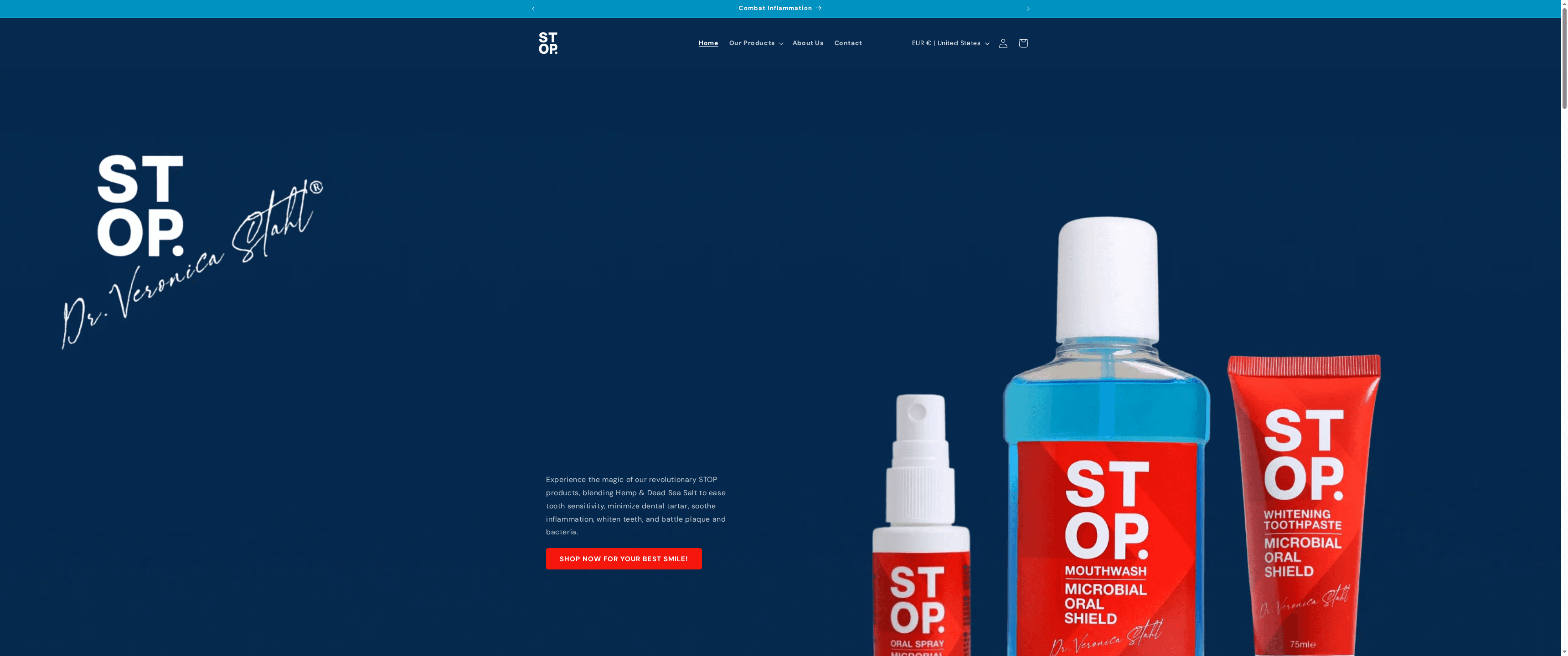
Our mineral-rich toothpastes featuring Dead Sea minerals deliver the clinically proven enamel-strengthening benefits you’ve learned about here. Each formulation combines optimal mineral concentrations with gentle abrasives and effective antimicrobials. Hemp-infused options provide additional bacterial defense while supporting overall oral health.
Transitioning to natural dental care becomes simple with our expert guidance. Detailed instructions for switching to fluoride-free routines address common concerns and ensure smooth transitions. Our products undergo rigorous testing to verify efficacy, safety, and quality before reaching your bathroom.
Join thousands of health-conscious consumers who’ve discovered that effective enamel protection doesn’t require compromise. Stop Oral Care combines scientific rigor with natural formulations, delivering results you can feel and trust. Explore our complete range today and experience the difference that evidence-based natural dental care makes.
Frequently Asked Questions About Enamel and Fluoride-Free Dental Care
How do researchers measure enamel strength improvements in clinical studies?
Scientists use surface microhardness testing to measure enamel strength before and after product use. This technique applies controlled force to enamel surfaces and measures indentation depth, with shallower indentations indicating harder, stronger enamel. Advanced methods like scanning electron microscopy visualize crystal structure changes at microscopic levels.
Are fluoride-free dental products safe for daily long-term use?
Yes, quality fluoride-free products formulated with natural minerals are safe for daily use over extended periods. These products avoid toxicity concerns associated with fluoride ingestion while providing effective enamel protection. Choose products from reputable manufacturers that conduct safety testing and use food-grade ingredients.
Can natural dental products reduce existing tooth sensitivity?
Many natural formulations effectively reduce sensitivity through multiple mechanisms. Potassium compounds calm nerve responses, while remineralizing minerals fill microscopic tubules that transmit pain signals. Hemp extracts provide anti-inflammatory benefits that support tissue health. Most users notice sensitivity improvements within two to four weeks of consistent use.
How frequently should I replace my fluoride-free toothpaste?
Replace toothpaste every three to four months, or sooner if you notice changes in texture, taste, or effectiveness. Natural products without synthetic preservatives may have shorter shelf lives than conventional options. Store toothpaste in cool, dry locations away from direct sunlight to maximize freshness and ingredient stability.
What dietary habits best support natural enamel preservation?
Emphasize calcium-rich foods like dairy, leafy greens, and fortified alternatives. Limit acidic beverages and sugary snacks, especially between meals. Drink water throughout the day to maintain saliva production. Finish meals with cheese or milk to neutralize acids and supply remineralization minerals. Avoid prolonged sipping of acidic drinks.
Do children need different fluoride-free products than adults?
Children’s developing enamel benefits from gentler formulations with age-appropriate flavors. Look for products specifically labeled for children with lower abrasiveness and pleasant tastes that encourage consistent use. Supervise young children during brushing to ensure proper technique and prevent excessive swallowing. Consult your pediatric dentist about appropriate product selection for your child’s specific needs.
Recommended
- Mineral Toothpaste: Relief and Protection Without Fluoride – Stop Oral Care
- Hydroxyapatite Toothpaste vs Fluoride: A Comprehensive Comparison for – Stop Oral Care
- The Complete Guide to Remineralizing Toothpaste Without Fluoride – Stop Oral Care
- Is Fluoride Free Toothpaste Effective: A Complete Guide to Benefits, R – Stop Oral Care