

If you suffer from sensitive teeth and want natural dental care without fluoride, knowing which ingredients truly work can be overwhelming. Many products claim natural benefits yet confuse consumers with vague labels and unproven formulas. This guide clarifies the science behind fluoride-free ingredients, explains safety considerations, and walks you through a practical selection process. You will learn to confidently choose natural toothpaste that protects and soothes sensitive teeth.
Table of Contents
- Prerequisites: What You Need Before Choosing Natural Toothpaste
- Scientific Backing for Fluoride-Free Active Ingredients
- Safe Natural Abrasives and Cleansing Agents
- How to Evaluate Product Ingredient Lists and Avoid Common Mistakes
- Step-by-Step Process for Choosing the Right Natural Toothpaste
- Common Mistakes and Troubleshooting
- Expected Results and Timelines for Benefits
- Explore Safe, Natural Oral Care Products Today
- FAQ
Key Takeaways
| Point | Details |
|---|---|
| Nano-hydroxyapatite effectiveness | Toothpastes containing nano-hydroxyapatite prevent cavities as effectively as fluoride products. |
| Avoid harmful additives | Skip products with SLS and triclosan to prevent oral irritation and health risks. |
| Careful ingredient evaluation | Thorough review of ingredient lists helps avoid common product selection mistakes. |
| Timeline for sensitivity relief | Most users experience noticeable improvement after 4 to 6 weeks of consistent use. |
Prerequisites: What You Need Before Choosing Natural Toothpaste
Before selecting a natural toothpaste, you need to establish foundational knowledge about your oral health and product research tools. Understanding your specific needs prevents mismatched purchases and wasted money.
First, assess your sensitivity level. Do cold drinks cause sharp pain, or does brushing trigger discomfort? Knowing the severity helps you identify which active ingredients will provide relief. Second, familiarize yourself with key toothpaste components and how they impact dental health. Terms like remineralization, enamel repair, and antibacterial agents should become part of your vocabulary.
Third, learn the differences between fluoride and fluoride-free options. While fluoride has been the standard for decades, newer alternatives like nano-hydroxyapatite offer similar benefits without potential fluoride risks. Finally, ensure you have access to ingredient lists and clinical study information. Most reputable brands publish full ingredient disclosures on their websites or product packaging.
Consider these essential preparation steps:
- Identify your primary oral health concerns beyond sensitivity, such as cavity prevention or gum inflammation
- Research basic dental terminology to understand product claims
- Bookmark trusted dental health websites for ingredient verification
- Create a list of ingredients you want to avoid based on personal sensitivities
Having this groundwork in place streamlines your selection process. For additional context on making informed choices, explore this guide to choosing fluoride-free toothpaste that covers key decision factors.
Scientific Backing for Fluoride-Free Active Ingredients
Understanding which fluoride-free ingredients have clinical support helps you distinguish effective products from marketing hype. Several natural alternatives now have substantial research validating their efficacy.
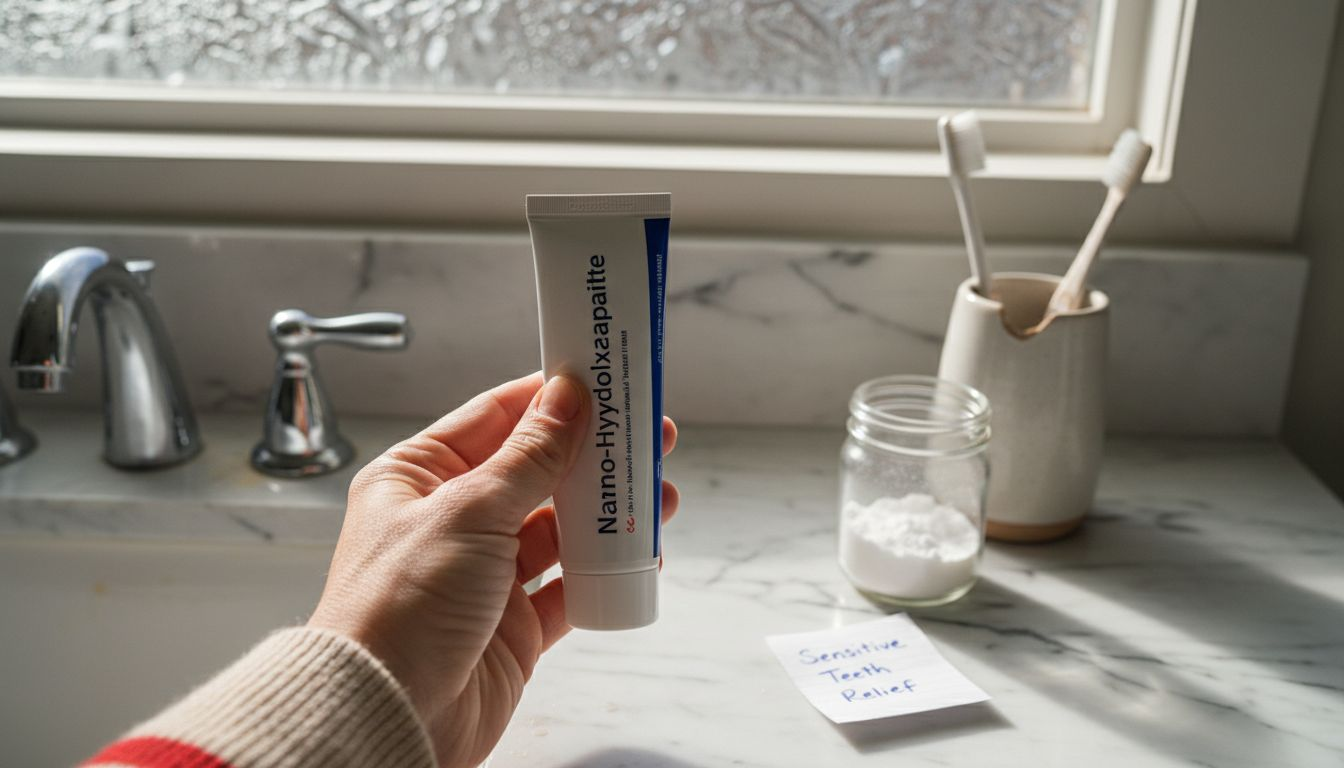
Nano-hydroxyapatite stands out as the most promising fluoride alternative. This compound closely mimics the mineral composition of tooth enamel, enabling it to repair microscopic damage and strengthen teeth. Nano-hydroxyapatite toothpaste prevents cavities as effectively as fluoride toothpaste without the associated risks, according to recent clinical evidence reviews. The particles are small enough to penetrate enamel surface irregularities and bond with existing tooth structure.
Xylitol, a natural sugar alcohol derived from plants, offers additional benefits. It reduces populations of Streptococcus mutans, the primary bacteria responsible for tooth decay. Unlike regular sugars, xylitol cannot be metabolized by harmful bacteria, effectively starving them while maintaining a pleasant taste.
Plant extracts provide complementary benefits for gum health and inflammation reduction:
- Chamomile soothes inflamed gum tissue and reduces sensitivity
- Aloe vera promotes healing of minor oral wounds
- Green tea extract offers antioxidant protection against cellular damage
- Licorice root exhibits antimicrobial properties without harsh chemicals
These ingredients work synergistically to create comprehensive oral care:
Natural ingredients like nano-hydroxyapatite and xylitol address both enamel health and bacterial balance, providing complete protection without fluoride exposure concerns.
For more detailed guidance on selecting products with these beneficial ingredients, review this resource on choosing fluoride-free toothpaste for sensitive teeth. You can also explore expert recommendations for the best natural fluoride-free toothpastes available today.
Safe Natural Abrasives and Cleansing Agents
The cleaning agents in toothpaste determine how effectively it removes plaque without damaging sensitive enamel. Natural options provide gentle yet thorough cleaning when formulated properly.
Calcium carbonate and baking soda serve as the most common mild abrasives in natural toothpastes. Both effectively remove surface stains and biofilm without excessive enamel wear. Fluoride-free toothpaste formulations often use natural abrasives like calcium carbonate or baking soda to safely clean teeth, providing effective cleaning with lower abrasivity scores than conventional options.
Hydrated silica represents another safe abrasive when used within controlled concentrations. Its particle size and hardness make it effective for polishing without scratching enamel. The key is ensuring the product uses pharmaceutical-grade silica at appropriate levels.
Plant-based cleansers offer antimicrobial benefits beyond simple cleaning. Coconut oil, for instance, contains lauric acid that disrupts bacterial cell membranes. This reduces harmful bacteria populations without harsh detergents that strip beneficial oral microbiome members.
Avoid sodium lauryl sulfate (SLS), a foaming agent linked to oral tissue irritation. While it creates the foamy sensation many associate with cleanliness, it provides no actual cleaning benefit. For sensitive mouths, SLS-free formulations significantly reduce irritation. Check out options for best toothpaste without SLS that prioritize gentle cleaning.
Safe Abrasives Comparison
| Abrasive Type | Abrasivity Score (RDA) | Best For | Caution |
|---|---|---|---|
| Calcium Carbonate | 40-90 | Daily use, mild cleaning | Ensure fine particle size |
| Baking Soda | 7 | Gentle polishing | Can be too mild alone |
| Hydrated Silica | 30-200 | Stain removal | Verify pharmaceutical grade |
| Charcoal | 70-90 | Whitening | Use sparingly, can be abrasive |
Pro tip: Check the Relative Dentin Abrasivity (RDA) score if available. Scores below 70 are ideal for sensitive teeth, while scores above 150 may cause enamel wear with daily use. Most natural toothpastes fall between 40 and 100, providing safe cleaning without damage.
How to Evaluate Product Ingredient Lists and Avoid Common Mistakes
Reading ingredient lists critically separates truly safe products from those hiding problematic additives behind natural branding. Many products labeled natural still contain irritants or ineffective ingredients.
Start by ignoring marketing claims on the front of packaging. Terms like “natural,” “botanical,” and “plant-based” lack regulatory definitions and guarantee nothing about safety or efficacy. Many fluoride-free toothpaste brands on the market claim natural ingredients but lack independent clinical testing to confirm efficacy, making ingredient verification essential.
Common irritants to avoid include:
- Sodium lauryl sulfate (SLS) causes oral mucosa irritation and canker sores
- Triclosan, an antibacterial agent linked to hormone disruption
- Parabens used as preservatives but associated with allergic reactions
- Artificial sweeteners like saccharin that provide no oral health benefits
- Synthetic dyes such as FD&C colorants serving only cosmetic purposes
Avoid toothpaste with sodium lauryl sulfate (SLS) as it can cause oral mucosa irritation and negatively affect sensitive teeth, particularly for those already experiencing discomfort. Learn more about why to avoid synthetic ingredients in your oral care products.
Follow this checklist when evaluating products:
- Read the complete ingredient list, not just highlighted active ingredients
- Verify the first five ingredients, as these comprise the bulk of the formula
- Cross-reference unfamiliar ingredients using trusted databases
- Look for third-party certifications like USDA Organic or EWG Verified
- Search for published clinical studies supporting efficacy claims
- Check customer reviews for reports of irritation or ineffectiveness
Harmful vs. Safe Ingredient Comparison
| Ingredient Category | Harmful Options | Safe Alternatives |
|---|---|---|
| Foaming Agent | Sodium lauryl sulfate | Coco-glucoside, soap bark extract |
| Preservative | Parabens, triclosan | Grapefruit seed extract, vitamin E |
| Sweetener | Saccharin, aspartame | Xylitol, stevia |
| Abrasive | Harsh silicas (RDA >150) | Calcium carbonate, fine silica |
| Flavor | Artificial flavoring | Essential oils, natural mint |
Pro tip: Use the Environmental Working Group’s Skin Deep database to quickly check ingredient safety ratings. Enter each questionable ingredient to see its hazard score and known concerns. This takes minutes but prevents months of using potentially irritating products.
Step-by-Step Process for Choosing the Right Natural Toothpaste
Applying your ingredient knowledge through a systematic selection process ensures you find a product matching your specific needs. This step-by-step approach minimizes trial and error.
-
Define your primary oral health goals. List whether you prioritize sensitivity relief, cavity prevention, whitening, or gum health. Rank these by importance.
-
Research products containing proven active ingredients for your goals. Prioritize toothpaste with nano-hydroxyapatite or xylitol for sensitivity and cavity prevention, as these have the strongest clinical support.
-
Review complete ingredient lists for each candidate product. Eliminate any containing irritants from your avoid list, particularly SLS, triclosan, or parabens. Resources on choosing toothpaste without SLS and fluoride can guide this evaluation.
-
Verify product transparency and clinical backing. Look for brands publishing ingredient sources, manufacturing standards, and study references. Absence of this information suggests marketing over substance.
-
Compare remaining options based on practical factors:
- Price per ounce for value assessment
- Flavor preferences for consistent use
- Texture, as some natural pastes feel grittier than conventional ones
- Packaging, preferring recyclable materials
- Company values aligning with your priorities
-
Purchase small sizes or sample packs initially. Testing multiple products helps identify the best match for your mouth chemistry and preferences.
-
Commit to a trial period. Use your chosen product exclusively for at least four weeks before judging effectiveness. Sensitivity improvements take time as enamel remineralizes.
Pro tip: Keep a simple journal during your first month, noting any changes in sensitivity, gum appearance, or overall mouth feel. This objective tracking reveals subtle improvements you might otherwise miss and helps you decide whether to continue or try another option.
Common Mistakes and Troubleshooting
Even with careful selection, users often make predictable errors that undermine their natural toothpaste experience. Recognizing these pitfalls helps you avoid frustration and premature product abandonment.
The most common mistake involves trusting natural labels without ingredient verification. Consumers often mistakenly believe natural toothpaste means safe without ingredient checks, leading to inadvertent use of irritating or ineffective products. Always read the full ingredient list regardless of marketing claims. The detailed discussion on why to avoid synthetic ingredients explains what to watch for.
Another frequent error is discontinuing use too quickly. Many people expect immediate sensitivity relief and quit after one or two weeks when discomfort persists. Natural ingredients like nano-hydroxyapatite require consistent application over weeks to rebuild enamel structure. Patience is essential.
Using products with excessive abrasivity causes enamel wear despite natural ingredients. Some activated charcoal toothpastes or baking soda formulations scrub too aggressively for daily use. If you notice increased sensitivity after switching products, the abrasive level may be too high.
Other mistakes include:
- Applying too much product, wasting toothpaste and overwhelming taste buds
- Rinsing immediately after brushing, washing away beneficial ingredients before they can work
- Combining incompatible products, like acidic mouthwashes that counteract remineralizing toothpastes
- Failing to address underlying dental issues requiring professional treatment
If sensitivity worsens after two weeks, stop using the product and consult a dentist. This suggests either an ingredient reaction or an underlying problem needing professional care. Temporary increased sensitivity in the first few days is normal as your mouth adjusts to new ingredients, but persistent worsening signals a mismatch.
Expected Results and Timelines for Benefits
Setting realistic expectations prevents premature disappointment and helps you track meaningful progress. Natural toothpastes work differently than conventional options, requiring patience for full benefits.
Consumers typically notice improved tooth sensitivity and enamel strength after 4 to 6 weeks of consistent use of nano-hydroxyapatite toothpaste. This timeline reflects the gradual process of enamel remineralization. Nano-hydroxyapatite particles bond with tooth surfaces over multiple applications, progressively filling microscopic defects and strengthening structure.
During the first two weeks, you might experience minimal change or even slight sensitivity increases as your teeth adjust to new ingredients. This adaptation period is normal. By weeks three through four, most users notice decreased pain response to temperature changes. Cold drinks and hot foods trigger less discomfort.
Cavity prevention benefits accumulate more slowly. Xylitol and nano-hydroxyapatite reduce decay risk through continuous bacterial inhibition and enamel fortification. Expect to see results at your next dental checkup, typically six months after starting consistent use.
Gum health improvements appear earlier for some users. Anti-inflammatory plant extracts like chamomile and aloe vera soothe irritated tissues within one to two weeks. Reduced bleeding during brushing often signals improving gum condition.
Key timeline expectations:
- Days 1 to 7: Adjustment period, possible temporary sensitivity
- Weeks 2 to 3: Initial sensitivity reduction for most users
- Weeks 4 to 6: Noticeable improvement in temperature sensitivity
- Months 2 to 3: Strengthened enamel becomes apparent
- Month 6: Cavity prevention benefits measurable at dental checkup
Consistent twice-daily use maximizes benefits. Skipping applications or switching products frequently prevents the cumulative effects natural ingredients provide. For more information on how these products work, read about sensitivity relief toothpaste mechanisms and benefits.
Explore Safe, Natural Oral Care Products Today
Now that you understand how to evaluate and select natural toothpaste, consider exploring products designed with these principles in mind. Stop Oral Care offers a curated range of fluoride-free toothpastes formulated with clinically-backed ingredients like nano-hydroxyapatite and natural plant extracts.
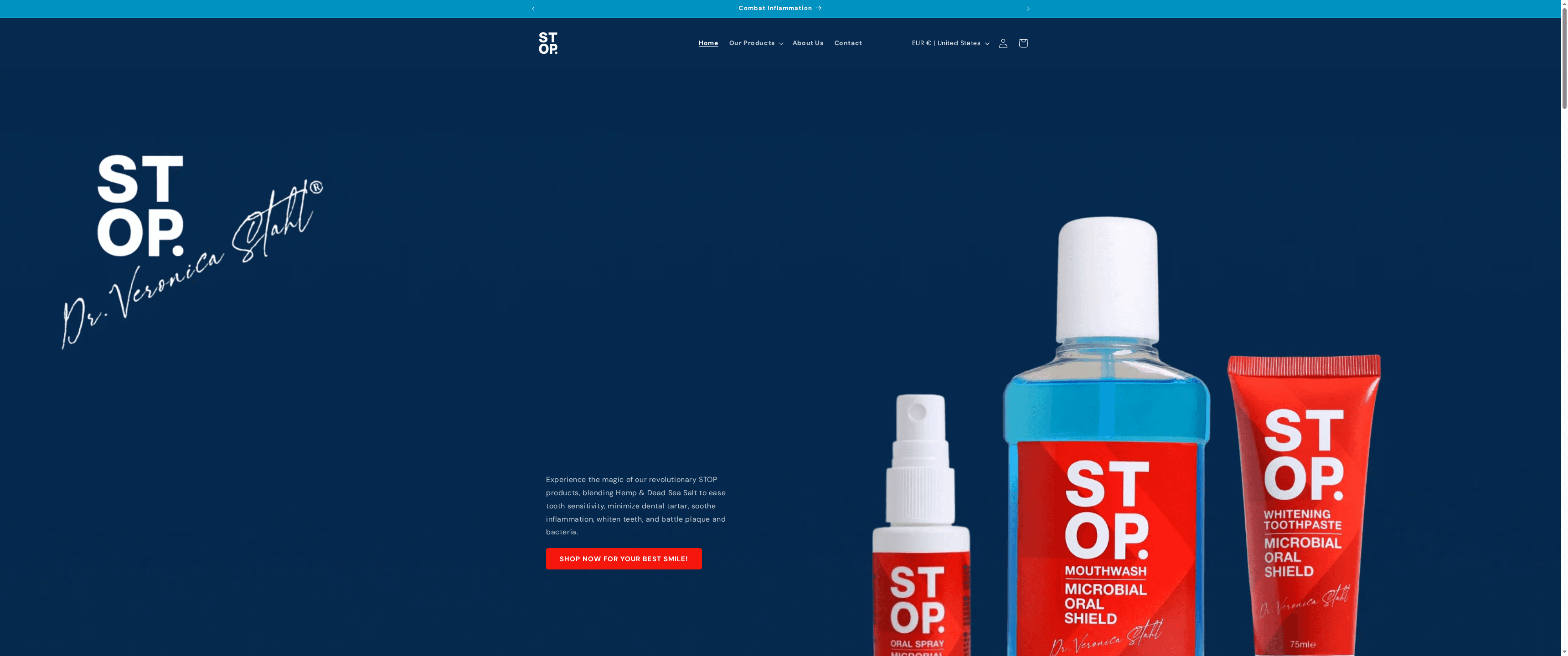
Each product prioritizes safety, transparency, and effectiveness for sensitive teeth. Whether you need help learning how to choose safe oral products naturally or want specific guidance on finding toothpaste without SLS and fluoride, you’ll find detailed information supporting your decision. The step-by-step guide to fluoride-free toothpaste complements the selection process outlined here, giving you multiple resources for confident product choices.
FAQ
Is natural toothpaste as effective as fluoride toothpaste for preventing cavities?
Yes, when formulated with nano-hydroxyapatite or xylitol. Clinical studies show these ingredients match fluoride’s cavity prevention rates without associated risks. Consistent use for at least 4 to 6 weeks allows remineralization benefits to accumulate. Learn more about the effectiveness of fluoride-free toothpaste in comprehensive comparisons.
How long should I try a natural toothpaste before deciding if it works?
Commit to at least four to six weeks of twice-daily use. Natural ingredients work gradually to strengthen enamel and reduce sensitivity. Initial adjustments might cause temporary sensitivity increases, but most users notice improvements by week three. If sensitivity worsens consistently after two weeks, consult a dentist.
Can I use natural toothpaste if I have severe tooth sensitivity?
Yes, but choose products specifically formulated for sensitivity with nano-hydroxyapatite or potassium nitrate. Avoid high-abrasivity formulas and those containing SLS, which can worsen sensitivity. Severe cases may require professional treatment alongside natural toothpaste use. Always inform your dentist about product changes.
What ingredients should I absolutely avoid in natural toothpaste?
Avoid sodium lauryl sulfate (SLS), triclosan, parabens, and artificial dyes. SLS causes oral irritation, triclosan links to hormone disruption, and parabens trigger allergic reactions in some users. These provide no oral health benefits and can worsen sensitivity or cause other problems.
Does natural toothpaste taste different from regular toothpaste?
Yes, natural toothpastes often taste milder because they use essential oils instead of artificial flavoring. Some feel less foamy without SLS, which takes adjustment. Xylitol provides natural sweetness without the intense mint flavor of conventional options. Most users adapt to the taste within a few days.
Recommended
- The Benefits of Hydroxyapatite Toothpaste for Sensitive Teeth: A Compr – Stop Oral Care
- Benefits of Natural Toothpaste for Sensitive Teeth – Stop Oral Care
- 7-Step Oral Health Checklist for Sensitive Teeth Care – Stop Oral Care
- What Is Sensitivity Relief Toothpaste and Why It Matters – Stop Oral Care