

Every sharp jolt or lingering ache from sensitive teeth can make daily life uncomfortable and disrupt your healthy routines. Finding solutions that genuinely soothe sensitive teeth often feels like guesswork with so many products making similar promises. The good news is that research now points to practical steps you can take—backed by modern dental science—to manage sensitivity and protect your smile.
This guide delivers clear strategies that go beyond temporary fixes. You will discover how gentle tools, fluoride-free options, and natural ingredients can make a noticeable difference in your daily comfort. As you read through the list, you will pick up expert-backed tips and easy habits that help you regain control over sensitivity—so you can eat, drink, and brush with confidence again.
Table of Contents
- Choose Fluoride-Free Toothpaste for Sensitive Teeth
- Use a Soft-Bristled Toothbrush to Prevent Irritation
- Rinse with Natural Mouthwash for Extra Comfort
- Avoid Acidic Foods and Drinks to Reduce Pain
- Brush Gently and Follow Proper Techniques
- Include Dead Sea Minerals and Hemp for Healing
- Schedule Regular Dental Checkups for Prevention
Quick Summary
| Key Insight | Explanation |
|---|---|
| 1. Choose Fluoride-Free Toothpaste | Opt for toothpaste with natural remineralizing agents like hydroxyapatite to protect sensitive teeth effectively. |
| 2. Use a Soft-Bristled Toothbrush | Select a soft-bristled toothbrush to minimize irritation and enamel wear while brushing. |
| 3. Rinse with Natural Mouthwash | Employ a mouthwash with herbal ingredients to soothe sensitivity and maintain oral health balance. |
| 4. Avoid Acidic Foods and Drinks | Limit consumption of acidic items to protect tooth enamel and reduce pain and sensitivity. |
| 5. Schedule Regular Dental Checkups | Regular dental visits help in early detection and management of sensitivity, ensuring optimal oral health. |
1. Choose Fluoride-Free Toothpaste for Sensitive Teeth
Sensitive teeth require a specialized approach to oral care that goes beyond traditional fluoride-based products. Understanding how to select the right fluoride-free toothpaste can transform your dental health strategy and provide lasting relief.
Modern dental research has revealed promising alternatives to traditional fluoride toothpaste. Innovative bioactive technologies now offer effective solutions for managing tooth sensitivity without relying on fluoride. These advanced formulations focus on natural remineralization processes that protect and strengthen tooth enamel.
Key benefits of choosing a fluoride-free toothpaste for sensitive teeth include:
- Reduced dentin hypersensitivity
- Natural enamel protection
- Gentle ingredients for long-term oral health
- Support for the mouth’s natural biological processes
The science behind fluoride-free options is compelling. Clinical trials have demonstrated that hydroxyapatite-based toothpastes can effectively prevent dental caries and provide sensitivity relief. These biomimetic agents work by:
- Occluding open dental tubules
- Promoting natural enamel remineralization
- Creating a protective barrier against sensitivity triggers
Selecting the right fluoride-free toothpaste is not just about avoiding an ingredient - it’s about choosing a proactive approach to dental wellness.
When shopping for a fluoride-free toothpaste, look for products containing natural remineralizing agents like hydroxyapatite or bioactive glass. These ingredients provide scientific-backed protection for sensitive teeth without relying on traditional fluoride treatments.
Pro tip: Conduct a patch test with new toothpaste by using it for one week to assess its effectiveness and sensitivity management.
2. Use a Soft-Bristled Toothbrush to Prevent Irritation
Sensitive teeth demand a gentle approach to oral hygiene. Choosing the right toothbrush is more than a simple purchasing decision - it is a critical strategy for managing dental discomfort and protecting your tooth enamel.
The American Dental Association recommends soft-bristled toothbrushes as the gold standard for individuals with tooth sensitivity. These specialized brushes offer a delicate cleaning mechanism that effectively removes plaque without causing additional irritation or damage to your teeth and gums.
Key advantages of using a soft-bristled toothbrush include:
- Minimized gum irritation
- Reduced risk of enamel wear
- Gentler cleaning for sensitive teeth
- Prevention of gum recession
- More comfortable brushing experience
Understanding proper brushing technique is equally important. Dental experts emphasize the significance of using light, circular motions rather than aggressive scrubbing. This approach helps protect your tooth enamel and prevents unnecessary wear on sensitive dental surfaces.
Soft bristles are your first line of defense against tooth sensitivity and potential dental damage.
When selecting a toothbrush, consider these practical guidelines:
- Choose bristles labeled as “soft” or “extra soft”
- Replace your toothbrush every three to four months
- Look for rounded bristle tips to minimize potential abrasion
- Select a brush head size that comfortably fits your mouth
Pro tip: Angle your soft-bristled toothbrush at 45 degrees to your gumline and use gentle, circular motions to effectively clean without causing sensitivity.
3. Rinse with Natural Mouthwash for Extra Comfort
Managing sensitive teeth requires a holistic approach that extends beyond brushing and flossing. Natural mouthwash represents a powerful tool in creating a soothing oral care routine that protects and comforts your teeth.
Herbal mouthwash ingredients like guava leaf, clove, and liquorice offer remarkable benefits for individuals experiencing dental sensitivity. These natural compounds provide antimicrobial protection while simultaneously reducing oral discomfort without harsh chemical irritants.
Key advantages of using natural mouthwash include:
- Selective bacterial reduction
- Preservation of beneficial oral microflora
- Reduced inflammation in sensitive gums
- Natural antimicrobial protection
- Soothing effect on tooth and gum sensitivity
Botanical Ingredients Matter. Unlike conventional antiseptic rinses that can strip away protective bacteria, natural mouthwashes work harmoniously with your mouth’s biological ecosystem. They target harmful microorganisms while maintaining a delicate balance of oral health.
Natural ingredients offer a gentle yet effective approach to oral care for sensitive teeth.
When selecting a natural mouthwash, consider these practical guidelines:
- Check for plant-based antimicrobial ingredients
- Avoid alcohol-based formulations
- Look for soothing herbal extracts
- Verify the product is free from artificial colors and flavors
Pro tip: Swish your natural mouthwash for at least 30 seconds to maximize its therapeutic benefits and ensure comprehensive oral coverage.
4. Avoid Acidic Foods and Drinks to Reduce Pain
Sensitive teeth require strategic dietary management to minimize discomfort and prevent further enamel damage. Understanding how acidic substances impact dental health is crucial for maintaining long-term oral wellness.
Dental erosion from acidic foods can significantly accelerate tooth sensitivity and pain. Certain foods and beverages create an environment that actively breaks down protective tooth enamel, leaving teeth vulnerable to increased temperature and pressure sensitivity.
Highly acidic substances that trigger dental sensitivity include:
- Citrus fruits and juices
- Carbonated soft drinks
- Vinegar-based dressings
- Wine and alcoholic beverages
- Sour candies
- Sports and energy drinks
- Tomato-based products
Protective Strategies Matter. Minimizing exposure to these acidic substances helps preserve tooth enamel and reduce potential pain. Your dietary choices play a significant role in managing sensitive teeth.
Protecting your tooth enamel requires conscious dietary decisions and strategic consumption patterns.
When confronting acidic food challenges, implement these practical recommendations:
- Rinse mouth with water immediately after consuming acidic items
- Wait at least 60 minutes before brushing teeth
- Use a straw to minimize direct contact with teeth
- Consume acidic foods during meals rather than as standalone snacks
Pro tip: Neutralize acidic food impacts by following consumption with calcium-rich foods like cheese or yogurt, which help remineralize tooth enamel.
5. Brush Gently and Follow Proper Techniques
Managing sensitive teeth requires a thoughtful approach to daily oral hygiene. Your brushing technique can significantly impact dental comfort and long-term tooth health.
Proper tooth brushing techniques are essential for protecting sensitive teeth from further damage. Understanding how to clean your teeth effectively without causing additional irritation is key to maintaining oral wellness.
Critical components of gentle brushing include:
- Using minimal pressure
- Employing short circular motions
- Targeting all tooth surfaces
- Avoiding aggressive scrubbing
- Protecting gum tissue
Brushing Angle Matters. Positioning your toothbrush at a precise 45-degree angle to the gumline allows for optimal cleaning while minimizing potential damage to sensitive tooth structures.
Gentle technique transforms tooth brushing from a potential source of pain to a healing dental practice.
Follow these recommended brushing steps:
- Hold your toothbrush at a 45-degree angle to gums
- Use soft, short circular motions
- Clean outer tooth surfaces
- Clean inner tooth surfaces
- Gently brush chewing surfaces
- Brush tongue to remove bacteria
Pro tip: Invest in an electric toothbrush with pressure sensors to automatically prevent excessive force and protect your sensitive teeth.
6. Include Dead Sea Minerals and Hemp for Healing
Natural ingredients offer powerful solutions for managing sensitive teeth. Dead Sea minerals and hemp represent innovative approaches to supporting oral health and reducing dental discomfort.
Hemp oil’s natural healing properties provide remarkable support for individuals struggling with sensitive teeth and gum inflammation. These botanical ingredients offer a holistic approach to oral wellness beyond traditional treatments.
Benefits of Dead Sea minerals and hemp in oral care include:
- Reducing gum inflammation
- Supporting natural tissue healing
- Combating harmful oral bacteria
- Preventing plaque buildup
- Promoting oral hydration
- Soothing sensitive dental surfaces
Bioactive Minerals Matter. The unique physicochemical properties of Dead Sea minerals contribute to tissue repair and inflammation reduction. Hemp oil complements these minerals with its rich omega fatty acids and antioxidant compounds.
Natural ingredients transform oral care from treatment to healing strategy.
Integrate these healing ingredients into your oral care routine through:
- Hemp-infused mouthwash
- Mineral-rich toothpaste
- Natural oral sprays
- Herbal dental supplements
Pro tip: Rotate different natural oral care products containing Dead Sea minerals and hemp to maximize their healing potential and prevent ingredient adaptation.
7. Schedule Regular Dental Checkups for Prevention
Sensitive teeth require professional monitoring and strategic intervention. Routine dental checkups are your primary defense against progressive oral health challenges.
Routine dental visits provide crucial insights into managing and preventing tooth sensitivity. Professional dental teams offer comprehensive assessments that go beyond standard home care techniques.
Key benefits of regular dental checkups include:
- Early detection of potential sensitivity issues
- Professional cleaning and plaque removal
- Personalized sensitivity management strategies
- Application of professional desensitizing treatments
- Comprehensive oral health evaluation
- Prevention of potential dental complications
Professional Assessment Matters. Dentists can apply specialized treatments like fluoride varnishes and desensitizing agents that effectively strengthen tooth enamel and reduce sensitivity.
Prevention is more powerful than reactive treatment in managing oral health.
Maximize your dental checkup effectiveness by:
- Scheduling biannual professional cleanings
- Discussing your specific sensitivity concerns
- Requesting comprehensive sensitivity assessment
- Following recommended home care techniques
- Maintaining consistent oral hygiene between visits
Pro tip: Prepare a detailed list of your sensitivity triggers and experiences to share with your dental professional during your next checkup.
Below is a comprehensive table summarizing the suggested strategies, insights, and benefits related to managing sensitive teeth as discussed in the article.
| Topic | Details | Key Benefits |
|---|---|---|
| Fluoride-Free Toothpaste | Utilize toothpaste with hydroxyapatite or bioactive glass as key ingredients. | Aids remineralization and reduces sensitivity. |
| Soft-Bristled Toothbrush | Employ a toothbrush with soft bristles and use gentle brushing techniques. | Prevents gum irritation and enamel wear. |
| Natural Mouthwash | Choose a mouthwash with herbal ingredients like guava leaf or clove, ensuring it is non-alcoholic. | Protects against bacteria and alleviates discomfort. |
| Avoid Acidic Foods and Drinks | Limit consumption of acidic items such as citrus, sodas, and vinegars; rinse with water after consuming them. | Protects enamel and decreases sensitivity risk. |
| Proper Brushing Technique | Use light pressure with circular motions, cleaning all surfaces including the tongue. | Maintains oral hygiene while protecting sensitive teeth. |
| Natural Healing Agents | Incorporate Dead Sea minerals or hemp oil-infused oral care products for antimicrobial and soothing properties. | Reduces inflammation and promotes oral tissue health. |
| Regular Dental Checkups | Schedule visits for comprehensive assessment and treatments tailored to sensitivity. | Ensures early detection and professional management. |
Elevate Your Sensitive Teeth Care with Natural Solutions
Dealing with sensitive teeth means addressing pain triggers thoughtfully and choosing products that truly support natural healing. If you struggle with discomfort from acidity, enamel wear, or gum irritation, embracing a fluoride-free, gentle oral care routine can change everything. The article highlights critical strategies such as using soft-bristled toothbrushes, natural mouthwash, and gentle brushing techniques that align perfectly with our unique approach.

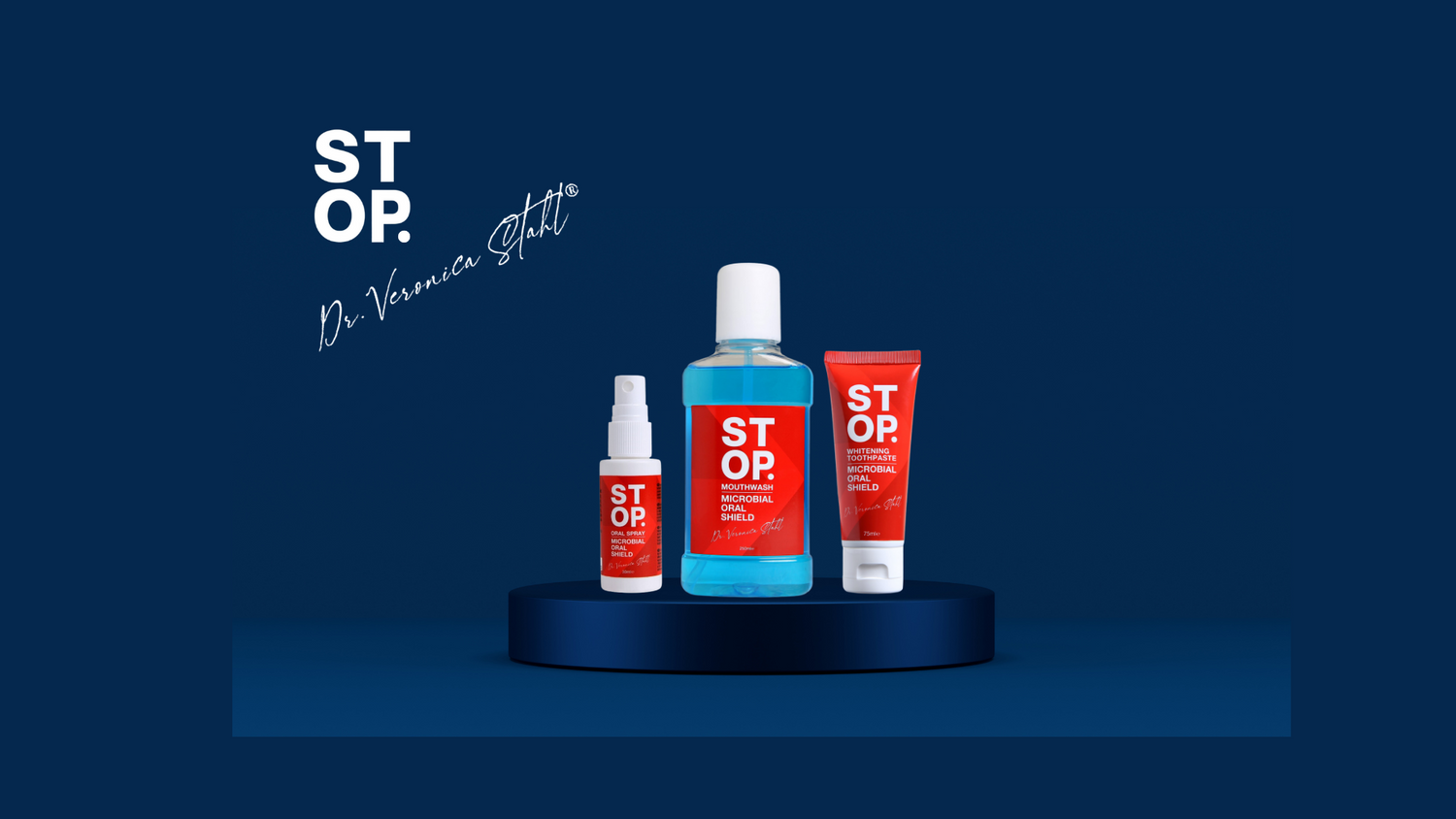
Discover a transformative path with the STOP Oral Care collection, featuring innovative toothpaste, mouthwash, and sprays infused with Dead Sea minerals and hemp. These scientifically backed, natural ingredients soothe sensitivity, promote enamel remineralization, and reduce inflammation safely. Don’t wait to protect your smile — explore the full range of products designed for sensitive teeth on our Home Page and experience the difference at https://stop-oralcare.com. Take control of your oral health today for lasting comfort and confidence.
Frequently Asked Questions
How can I choose the right fluoride-free toothpaste for sensitive teeth?
Selecting the right fluoride-free toothpaste involves looking for products that contain natural remineralizing agents like hydroxyapatite or bioactive glass. Verify ingredient labels and experiment with different brands to find one that effectively reduces sensitivity within 30 days.
What type of toothbrush should I use if I have sensitive teeth?
Use a soft-bristled toothbrush to minimize irritation and protect your gums and enamel. Replace your toothbrush every three to four months to maintain optimal cleaning efficiency and enhance your brushing technique.
What are the benefits of using natural mouthwash for sensitive teeth?
Natural mouthwash can provide soothing effects and reduce inflammation while preserving beneficial oral bacteria. Incorporate a natural, alcohol-free mouthwash with herbal ingredients into your routine for enhanced comfort.
How can I manage my diet to protect my sensitive teeth?
Avoiding highly acidic foods and drinks like citrus fruits, carbonated beverages, and sour candies is crucial for protecting your enamel. Consider rinsing your mouth with water after consuming acidic items, and balance out acidity with calcium-rich foods during meals.
What brushing techniques should I follow for sensitive teeth?
Adopt gentle brushing techniques by using light pressure and short, circular motions at a 45-degree angle to your gums. This method helps prevent irritation while effectively cleaning your teeth and maintaining their health.
How often should I schedule dental checkups for sensitive teeth?
Schedule dental checkups at least twice a year to monitor and address sensitivity issues. During each visit, discuss your concerns with your dentist to receive personalized care strategies and professional treatments.
Recommended
- 7 Step Oral Health Checklist for Sensitive Teeth Care – Stop Oral Care
- Oral Care Routine for Sensitive Teeth Naturally Explained – Stop Oral Care
- 7 Oral Hygiene Tips 2026 for Natural, Sensitive Care – Stop Oral Care
- 7 Essential Steps for Your Dental Care Checklist – Stop Oral Care
- Professional Teeth Whitening | Locations in Portland & Clackamas