

Caring for sensitive teeth can feel like a constant balancing act. Simple choices such as the type of toothbrush you use and your daily oral hygiene routine make a real difference in how comfortable your mouth feels each day. The challenge lies in knowing which habits and products actually protect sensitive teeth without causing more irritation.
This guide will show you practical steps and smart options backed by professional advice for gentle oral care. You’ll find specific ways to brush without discomfort, select toothpastes that suit your needs, and discover everyday routines that keep sensitivity under control.
Get ready to learn targeted tips that bring relief and help you avoid common mistakes. The following solutions will give you clear answers and techniques to support your dental health starting today.
Table of Contents
- 1. Brush Gently With A Soft-Bristled Toothbrush
- 2. Choose Fluoride-Free Toothpaste For Sensitivity
- 3. Clean Between Teeth Using Natural Floss
- 4. Rinse Daily With Alcohol-Free Mouthwash
- 5. Limit Acidic Foods And Sugary Snacks
- 6. Use Oral Sprays For On-the-Go Protection
- 7. Schedule Regular Dental Check-Ups And Cleanings
Quick Summary
| Key Message | Explanation |
|---|---|
| 1. Use a Soft-Bristled Toothbrush | A soft-bristled toothbrush minimizes enamel erosion and gum irritation while effectively cleaning teeth. |
| 2. Choose Fluoride-Free Toothpaste for Sensitivity | Fluoride-free toothpaste with natural ingredients can limit irritation and support tooth health for sensitive teeth. |
| 3. Clean Between Teeth Regularly | Daily interdental cleaning helps prevent plaque buildup and maintains gum health, especially for sensitive teeth. |
| 4. Rinse with Alcohol-Free Mouthwash Daily | An alcohol-free mouthwash reduces irritation and dryness, offering gentle protection for sensitive gums and teeth. |
| 5. Schedule Regular Dental Check-Ups | Regular dental visits allow for early detection of issues and professional cleaning, preventing future complications. |
1. Brush Gently with a Soft-Bristled Toothbrush
When caring for sensitive teeth, your toothbrush selection plays a critical role in maintaining oral health. A soft-bristled toothbrush is not just a recommendation - it is essential for protecting your tooth enamel and gum tissue from unnecessary damage.
Understanding the right brushing technique can transform your oral care routine. According to dental experts, proper brushing technique involves positioning your toothbrush at a precise 45-degree angle to the gums and using gentle motions.
Key benefits of using a soft-bristled toothbrush include:
- Minimizes enamel erosion
- Reduces gum irritation
- Provides effective plaque removal
- Prevents unnecessary tooth sensitivity
Gentle brushing protects your teeth while effectively cleaning surfaces.
When selecting a toothbrush, look for these characteristics:
- Rounded nylon bristles
- Compact head size for easy reach
- Comfortable handle grip
- Soft or extra-soft bristle classification
The technique matters as much as the tool. Short tooth-wide strokes with light pressure will clean effectively without causing harm. Avoid aggressive scrubbing that can wear down tooth enamel and damage sensitive gum tissue.
Pro tip: Replace your soft-bristled toothbrush every three to four months or sooner if bristles appear frayed to maintain optimal cleaning efficiency.
2. Choose Fluoride-Free Toothpaste for Sensitivity
Navigating the world of oral care products can be challenging for individuals with sensitive teeth. Fluoride-free toothpaste offers an alternative approach for those seeking gentler dental hygiene solutions.
While traditional dental advice typically recommends fluoride, modern research reveals alternative strategies for protecting tooth enamel. Fluoride-free toothpaste options now include advanced ingredients designed to support oral health.
Key advantages of fluoride-free toothpaste for sensitive teeth include:
- Reduced chemical exposure
- Natural ingredient formulations
- Minimized potential for tooth and gum irritation
- Gentler cleaning experience
Natural ingredients can effectively support dental health without harsh chemicals.
When selecting a fluoride-free toothpaste, prioritize ingredients such as:
- Hydroxyapatite for enamel remineralization
- Potassium citrate for sensitivity reduction
- Tea tree oil for natural antibacterial properties
- Natural abrasives for gentle cleaning
Professional dental recommendations suggest mechanical cleaning through brushing remains critical regardless of toothpaste composition. Ingredient selection matters more than fluoride presence for individuals with heightened tooth sensitivity.
Pro tip: Consult with your dental professional to determine the most appropriate fluoride-free toothpaste formula for your specific oral health needs.
3. Clean Between Teeth Using Natural Floss
Proper interdental cleaning is a critical component of maintaining optimal oral health, especially for those with sensitive teeth. Daily flossing techniques can dramatically reduce plaque buildup and prevent potential gum complications.
Traditional dental hygiene recommendations emphasize the importance of cleaning between teeth where toothbrushes cannot effectively reach. This process removes microscopic food particles and disrupts bacterial colonies that contribute to tooth decay and gum inflammation.
Benefits of consistent interdental cleaning include:
- Reduces risk of cavities
- Prevents gum disease
- Eliminates hard-to-reach plaque
- Supports overall oral microbiome health
Consistent interdental cleaning is your first line of defense against oral health issues.
Natural floss options for sensitive teeth include:
- Biodegradable silk floss
- Plant-based waxed threads
- Compostable corn fiber floss
- Bamboo-derived interdental cleaners
Mechanical cleaning remains essential regardless of your chosen floss type. Gentle, consistent motion helps protect sensitive gum tissue while effectively removing potential irritants.
Pro tip: Select a soft, thin floss and use gentle sawing motions to minimize gum irritation when cleaning between teeth.
4. Rinse Daily with Alcohol-Free Mouthwash
Choosing the right mouthwash can significantly impact your oral health, particularly for individuals with sensitive teeth and gums. Therapeutic mouthwash options provide an additional layer of protection beyond traditional brushing and flossing.
Alcohol-free mouthwashes offer a gentler alternative for those experiencing oral sensitivity, reducing potential irritation and dryness associated with traditional rinses. These specialized formulations help maintain oral microbiome balance while providing comprehensive cleaning benefits.
Key advantages of alcohol-free mouthwash include:
- Minimizes mucosal irritation
- Prevents excessive dryness
- Supports natural oral microbiome
- Provides therapeutic cleaning action
- Reduces bad breath without harsh chemicals
Gentle oral care supports long-term dental health and comfort.
Effective mouthwash selection involves considering:
- Specific oral health needs
- Ingredient composition
- Therapeutic properties
- Sensitivity requirements
Consistency matters more than intensity when maintaining oral hygiene. Regular, gentle rinsing provides superior protection compared to sporadic, aggressive treatments.
Pro tip: Rinse for 30 seconds and avoid eating or drinking for 30 minutes afterward to maximize mouthwash effectiveness.
5. Limit Acidic Foods and Sugary Snacks
Dietary choices play a pivotal role in maintaining optimal oral health, particularly for individuals with sensitive teeth. Limiting sugar consumption can dramatically reduce the risk of dental complications and overall health challenges.
Acidic and sugary foods create an environment that accelerates tooth enamel erosion and promotes harmful bacterial growth. These substances interact with oral bacteria, producing acids that weaken tooth structure and increase sensitivity.
Potential risks of excessive sugar and acid consumption include:
- Accelerated tooth decay
- Increased tooth sensitivity
- Enamel erosion
- Compromised oral microbiome
- Higher risk of chronic health issues
Small dietary changes can significantly protect your dental health.
Strategies for reducing acidic and sugary food intake:
- Replace sugary drinks with water
- Choose whole fruits over fruit juices
- Rinse mouth after consuming acidic foods
- Use a straw to minimize tooth contact
Moderation is the key to dental wellness. Gradual dietary adjustments can lead to long-term oral health improvements without requiring drastic lifestyle changes.
Pro tip: Keep a food diary to track and gradually reduce your sugar and acid intake, helping you make more informed dietary choices.
6. Use Oral Sprays for On-the-Go Protection
Oral health maintenance extends beyond traditional brushing and flossing, especially for individuals with sensitive teeth seeking convenient protection. Innovative oral spray technologies offer a portable solution for maintaining oral wellness throughout the day.
These specialized sprays create a protective barrier that helps neutralize harmful bacteria and provide immediate relief for sensitive oral tissues. They serve as a critical supplementary tool in comprehensive dental care strategies.
Key benefits of oral sprays include:
- Instant moisture for dry mouth
- Bacterial protection
- pH balance restoration
- Convenient portable application
- Reduced oral sensitivity
Portable oral protection supports continuous dental wellness.
Consider oral spray selection based on:
- Specific oral health needs
- Natural ingredient composition
- Sensitivity to specific compounds
- Ease of application
Targeted oral protection matters most when selecting an appropriate spray for your individual requirements.
Pro tip: Choose oral sprays with natural ingredients and avoid alcohol-based formulations to prevent additional oral tissue irritation.
7. Schedule Regular Dental Check-Ups and Cleanings
Dental health extends far beyond daily brushing and flossing, requiring professional intervention and monitoring. Professional dental check-ups are critical for detecting and preventing potential oral health complications before they escalate.
Regular dental visits serve as a preventative strategy, allowing professionals to identify early signs of tooth decay, gum disease, and other potential oral health issues. These appointments provide comprehensive assessments that go beyond what home care can accomplish.
Key advantages of consistent dental check-ups include:
- Early detection of dental problems
- Professional deep cleaning
- Personalized oral health guidance
- Prevention of extensive dental treatments
- Comprehensive oral health assessment
Prevention is more cost-effective than extensive dental repairs.
Recommended frequency of dental visits:
- Adults: Every six months
- High-risk individuals: More frequent visits
- Seniors: Potentially more comprehensive examinations
- Children: Biannual monitoring and preventive care
Proactive dental care prevents future complications by addressing potential issues before they become serious.
Pro tip: Maintain a dental health journal to track changes and discuss specific concerns during your professional check-ups.
Below is a comprehensive table summarizing the main strategies and recommendations for maintaining oral health, particularly for individuals with sensitive teeth, as discussed in the article.
| Topic | Recommendations | Benefits |
|---|---|---|
| Selecting Toothbrush | Use a soft-bristled toothbrush and follow proper techniques like holding the brush at a 45-degree angle to gums. Replace every 3-4 months. | Protect enamel, reduce gum irritation, and prevent sensitivity. |
| Toothpaste Selection | Opt for fluoride-free toothpaste containing natural soothing and cleaning ingredients. | Minimize chemical exposure, reduce gum irritation, and enhance oral health. |
| Interdental Cleaning | Use natural, biodegradable floss or bamboo-based cleaners for gentle, effective plaque removal. | Reduce cavities, support gum health, and maintain a balanced oral microbiota. |
| Mouthwash Usage | Rinse daily with alcohol-free formulations suitable for sensitive teeth. | Prevent mucosal irritation, enhance oral hygiene, and minimize bad breath. |
| Diet Adjustments | Limit intake of sugary and acidic foods by implementing simple dietary changes like choosing water over sugary drinks. | Protect enamel, reduce sensitivity, and improve overall dental structure health. |
| Dental Check-Ups | Schedule regular professional visits every six months, or as recommended depending on risk factors. | Early detection of issues, deep cleaning, and personalized oral health guidance. |
Enhance Sensitive Teeth Care with Natural Solutions from STOP Oral Care
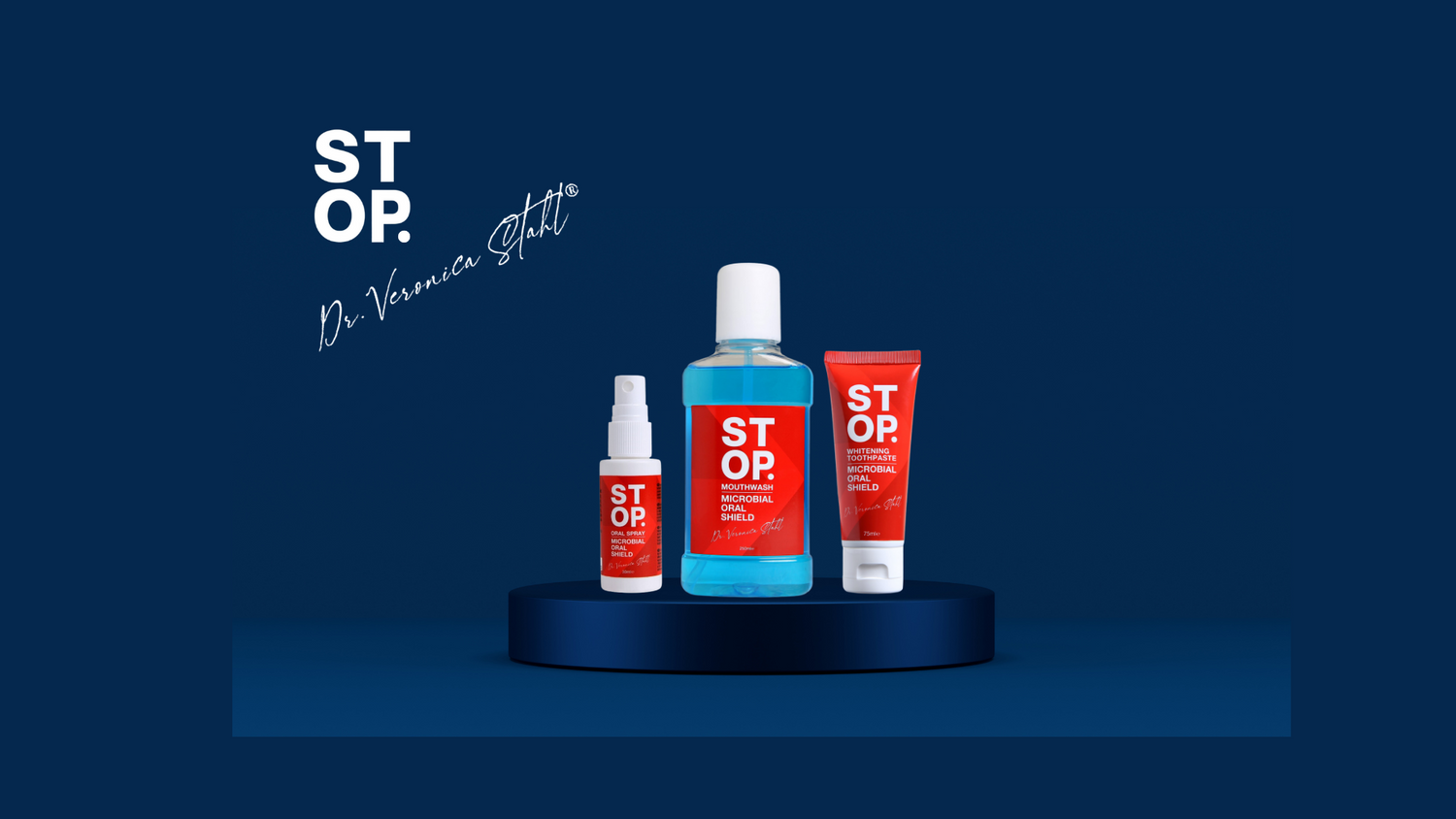
Caring for sensitive teeth requires gentle yet effective products that protect enamel and soothe irritated gums. This article highlights the importance of using soft-bristled toothbrushes, fluoride-free toothpaste, and alcohol-free mouthwash to maintain oral health without causing discomfort. If you are seeking safe, scientifically backed natural alternatives that align perfectly with this approach, explore the STOP Oral Care collection, featuring hemp and Dead Sea mineral-based formulations designed to support sensitive smiles.

Experience a new level of comfort and confidence by switching to products tailored for sensitive teeth care today. Visit the Home Page to browse our innovative line and learn more about how our unique, fluoride-free options empower you to maintain lasting oral wellness. Don’t wait to protect your smile; start your journey now at https://stop-oralcare.com.
Frequently Asked Questions
How can I care for my sensitive teeth effectively?
To care for sensitive teeth, use a soft-bristled toothbrush to minimize enamel erosion and gum irritation. Brush gently at a 45-degree angle to your gums, and replace your toothbrush every three to four months.
What type of toothpaste is recommended for sensitive teeth?
Fluoride-free toothpaste can be a great option for sensitive teeth as it minimizes chemical exposure and irritation. Look for formulations containing ingredients like hydroxyapatite or potassium citrate for added protection.
Why is flossing important for sensitive teeth?
Flossing is essential because it removes plaque and food particles from between your teeth where your toothbrush can’t reach. Floss daily using a gentle sawing motion to protect sensitive gums and reduce the risk of gum disease.
How can mouthwash contribute to oral health with sensitivity?
Using an alcohol-free mouthwash helps to maintain moisture in your mouth and reduces irritation of sensitive tissues. Rinse daily for 30 seconds, ensuring not to eat or drink for 30 minutes after to maximize its benefits.
What dietary changes can help protect sensitive teeth?
Limiting acidic and sugary foods can greatly reduce the risk of tooth decay and enamel erosion. Make gradual changes like replacing sugary drinks with water and rinsing your mouth after consuming acidic foods.
How often should I schedule dental check-ups if I have sensitive teeth?
It’s recommended to schedule dental check-ups every six months for routine assessments and professional cleanings. If you have heightened sensitivity, consult with your dentist about the frequency of visits tailored to your specific needs.