

Sensitive teeth can turn a simple sip of cold water or a bite of something sweet into a moment of discomfort. For many British and German adults who want natural, fluoride-free solutions, knowing exactly where you stand with your oral health is the first step. Building a gentle, effective routine starts by understanding your unique needs and exploring natural solutions for sensitive teeth that prioritize both comfort and cleanliness.
Table of Contents
- Step 1: Assess Current Oral Health and Sensitivities
- Step 2: Select Gentle, Natural Dental Products
- Step 3: Apply Proper Brushing and Flossing Methods
- Step 4: Integrate Soothing Oral Rinses and Sprays
- Step 5: Monitor Progress and Adjust Routine
Quick Summary
| Key Takeaway | Explanation |
|---|---|
| 1. Assess Your Oral Health Regularly | Conduct thorough self-assessments to track sensitivity, gum condition, and dietary impacts on oral health. |
| 2. Choose Gentle, Natural Products | Opt for toothpaste with natural ingredients like calcium phosphate to minimize sensitivity and protect enamel. |
| 3. Master Brushing and Flossing Techniques | Use soft-bristled toothbrushes and gentle techniques to prevent further irritation of sensitive teeth. |
| 4. Integrate Soothing Rinses and Sprays | Incorporate alcohol-free rinses with natural ingredients to alleviate sensitivity and promote gum health. |
| 5. Monitor and Adjust Your Routine | Keep a health log and make informed changes based on your observations and professional consultations. |
Step 1: Assess Current Oral Health and Sensitivities
Understanding your current oral health status is crucial for developing an effective natural care routine for sensitive teeth. Oral health indicators reveal that comprehensive self assessment goes beyond simple visual inspection.
Begin by examining your teeth and gums carefully in a well-lit mirror. Look for signs of sensitivity such as pain when consuming hot or cold beverages, discomfort while brushing, or noticeable enamel wear. Pay attention to gum color and texture tracking inflammation or recession. Healthy gums should appear firm and pink without bleeding or swelling.
To conduct a thorough assessment, create a detailed oral health log tracking symptoms like tooth sensitivity, gum condition, and any discomfort patterns. Nutrition experts recommend documenting your diet and oral hygiene habits alongside these observations to identify potential contributing factors. Consider photographing your teeth periodically to track changes and consult a dental professional for a comprehensive evaluation.
Pro tip: Keep a weekly oral health journal documenting temperature sensitivity, brushing experiences, and any noticeable changes in tooth or gum condition to establish a clear baseline for your natural oral care routine.
Step 2: Select Gentle, Natural Dental Products
Choosing the right dental products is essential for managing sensitive teeth while maintaining optimal oral health. The process requires careful consideration of bioactive dental materials that support natural tooth remineralization and protect sensitive enamel.
Focus on identifying products with natural ingredients that provide gentle yet effective care. Look for toothpastes containing ingredients like calcium phosphate, potassium nitrate, and plant based extracts that help reduce sensitivity without harsh chemicals. Avoid products with strong abrasives or synthetic additives that might further irritate sensitive teeth. Opt for soft bristled toothbrushes with rounded tips to minimize enamel wear and gum inflammation.
Prioritize dental care items that offer multiple benefits such as remineralization, natural plaque control, and sensitivity reduction. Read ingredient labels carefully and select products that align with your specific oral health needs. Natural dental ingredients can provide effective protection while being kind to your tooth enamel and gum tissues.
Pro tip: Test new dental products incrementally and monitor your teeth sensitivity response to ensure compatibility and effectiveness.
Here’s a helpful summary comparing natural dental product ingredients and their main functions for sensitive teeth:
| Ingredient | Function | Added Oral Benefit |
|---|---|---|
| Calcium phosphate | Remineralizes enamel | Strengthens tooth structure |
| Potassium nitrate | Reduces sensitivity | Stabilizes nerve activity |
| Plant-based extracts | Soothes gums | Reduces inflammation |
| Aloe vera | Calms irritation | Promotes gum healing |
| Chamomile | Anti-inflammatory | Supports tissue recovery |
Step 3: Apply Proper Brushing and Flossing Methods
Mastering the right brushing and flossing techniques is critical for managing sensitive teeth and maintaining overall oral health. Proper dental care techniques go far beyond simple mechanical cleaning and require a strategic approach to protecting tooth enamel and gum tissues.
When brushing, use a soft bristled toothbrush held at a 45-degree angle to your gums. Employ gentle circular motions rather than aggressive back-and-forth scrubbing, which can damage sensitive enamel. Spend approximately 30 seconds on each quadrant of your mouth, ensuring thorough but gentle coverage. For flossing, dental cleaning between teeth requires creating a gentle C-shape around each tooth, carefully sliding the floss up and down to remove plaque without causing gum irritation. Focus on smooth, controlled movements that clean effectively while minimizing potential sensitivity or damage.

Remember that consistency trumps intensity. Brush twice daily for two minutes each time, and floss at least once daily, focusing on technique and gentleness over aggressive cleaning. Pay special attention to areas prone to plaque buildup, using a light touch to protect your sensitive tooth enamel and gum health.
Pro tip: Consider using an electric toothbrush with pressure sensors to help maintain consistent and gentle brushing technique.
Step 4: Integrate Soothing Oral Rinses and Sprays
Adding targeted oral rinses and sprays to your dental care routine can significantly reduce tooth sensitivity and support overall gum health. Therapeutic mouth rinse strategies offer natural approaches to managing oral discomfort while promoting healing and protection.
Choose rinses with gentle natural ingredients such as chamomile, aloe vera, or salt water that provide anti inflammatory benefits without harsh chemicals. Opt for alcohol free formulations that soothe sensitive tissues and help reduce bacterial load. When using oral sprays, focus on products containing natural analgesics that can provide immediate comfort. Oral rinse recovery techniques demonstrate how targeted application can minimize sensitivity and support tissue healing.
Implement these rinses and sprays strategically. Rinse for 30 seconds after brushing, allowing the solution to coat your teeth and gums thoroughly. For sprays, target specific sensitive areas with a light application, being careful not to oversaturate. Consistency is key becoming a regular part of your oral care routine to experience maximum benefits.
Pro tip: Store your oral rinses and sprays at room temperature and replace them every three months to ensure maximum effectiveness and prevent bacterial growth.
Step 5: Monitor Progress and Adjust Routine
Tracking and evaluating your oral care routine is essential for managing sensitive teeth and ensuring long term dental health. Personalized oral health recommendations emphasize the importance of regularly assessing your current approach and making informed adjustments.
Create a comprehensive tracking system to document your oral health journey. Record specific details such as tooth sensitivity levels, changes in gum condition, and responses to different natural dental products. Pay attention to how your teeth react to temperature variations, brushing techniques, and oral rinses. Note any improvements or persistent issues, which will help you identify patterns and make targeted modifications to your dental care strategy.
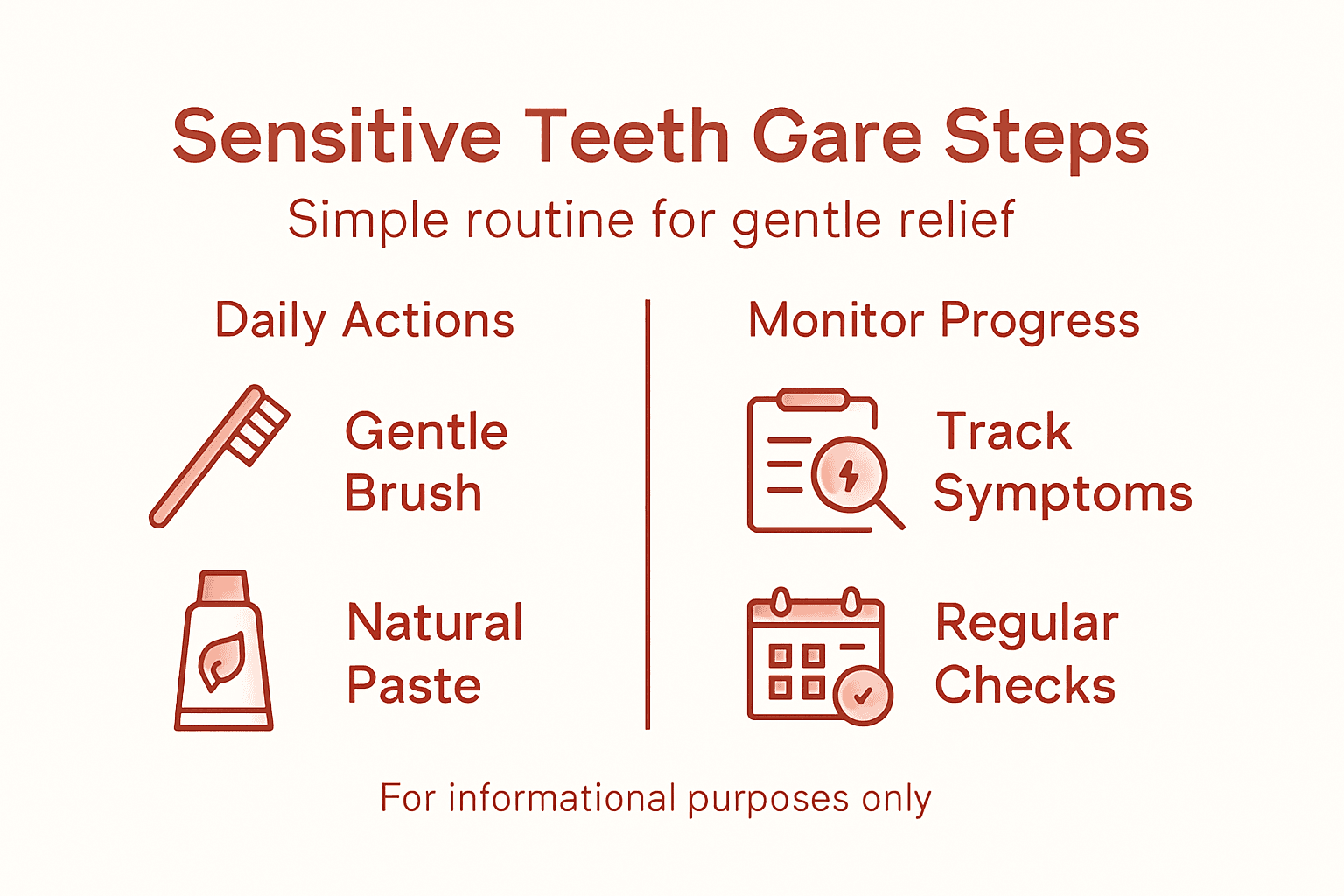
Schedule quarterly self assessments and annual professional dental examinations. During these reviews, compare your tracked data with your initial oral health baseline. Be prepared to modify your routine based on observed changes, consulting with dental professionals to validate your findings and receive expert guidance. This proactive approach allows you to continuously refine your natural oral care strategy and address sensitivity more effectively.
Pro tip: Use a digital health app or dedicated notebook to systematically log your oral health observations, creating a clear and trackable record of your progress.
This table outlines how to track and respond to key oral health signals during your care routine:
| Observation | What It Means | Suggested Action |
|---|---|---|
| Increased sensitivity | Possible enamel loss | Switch to gentler products |
| Gum redness or swelling | Early inflammation | Add soothing rinse, consult dentist |
| White spots on teeth | Mineral loss | Use remineralizing toothpaste |
| Persistent discomfort | Chronic irritation | Seek professional evaluation |
| Visual gum recession | Gum tissue loss | Improve brushing technique, visit dentist |
Discover Natural Solutions for Sensitive Teeth Relief
Struggling with the discomfort of sensitive teeth means you need a gentle yet effective oral care routine. This article highlights the importance of using natural ingredients that remineralize enamel and soothe irritated gums while avoiding harsh chemicals. If your teeth are responding poorly to traditional products or brushing methods, exploring scientifically backed alternatives can transform your oral health experience.
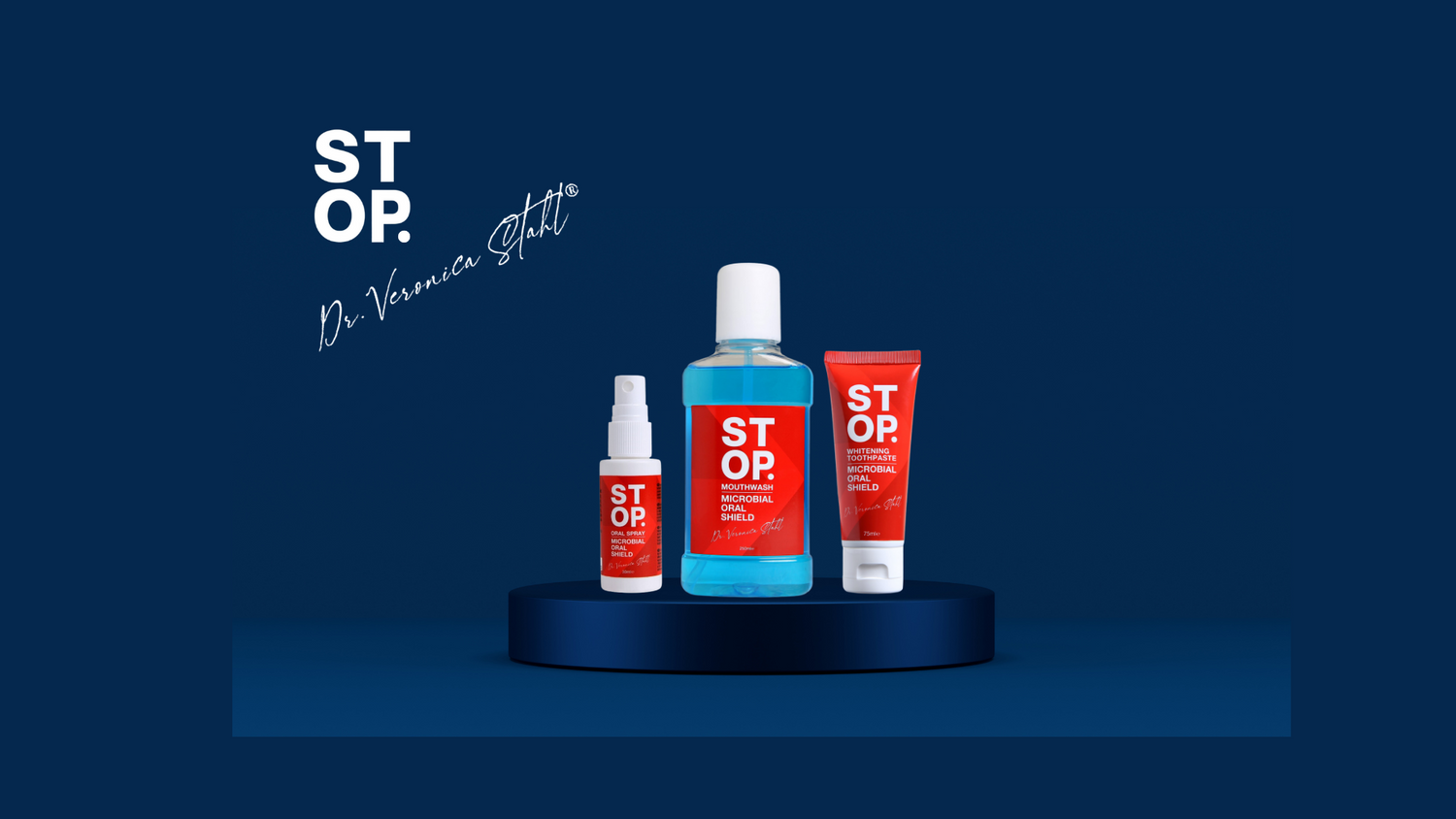
STOP Oral Care – Stop Oral Care offers a unique range of fluoride-free dental products crafted with hemp and Dead Sea minerals. These ingredients provide natural healing properties tailored for sensitive teeth, helping you reduce inflammation and protect enamel safely. With guidance from expert Dr. Veronica Stahl, each item combines innovation and science to support your personalized oral health journey.

Elevate your natural oral care routine today by browsing our collection on the Home Page – Stop Oral Care. Visit https://stop-oralcare.com now and take the first step toward lasting sensitive teeth comfort with products designed for healing, safety, and results.
Frequently Asked Questions
How can I assess my current oral health to understand sensitivity?
You can assess your oral health by examining your teeth and gums in a well-lit mirror for signs of sensitivity, such as pain with hot or cold foods and discomfort while brushing. Document any symptoms in a health log and track changes over time to establish a clear baseline for your care routine.
What natural dental products should I use for sensitive teeth?
Select gentle dental products that contain natural ingredients like calcium phosphate and potassium nitrate, which help manage sensitivity. Always read the ingredient labels carefully, and avoid synthetic additives that can irritate your teeth or gums.
What brushing and flossing techniques can help with tooth sensitivity?
Use a soft-bristled toothbrush held at a 45-degree angle to your gums and employ gentle circular motions while brushing. When flossing, create a C-shape around each tooth and slide the floss up and down carefully to avoid gum irritation, maintaining this routine twice daily for optimal results.
How can oral rinses and sprays reduce sensitivity?
Incorporate natural oral rinses that contain soothing ingredients like chamomile or aloe vera to help manage sensitivity and promote gum health. Rinse for 30 seconds after brushing to allow the solution to coat your teeth and gums thoroughly.
How can I effectively monitor my progress with my oral care routine?
Create a tracking system to document your tooth sensitivity levels and gum condition over time. Schedule regular self-assessments to review your observations and adjust your routine based on your experiences, aiming for consistent evaluations every three months.
What should I do if I notice persistent discomfort or changes in my oral health?
If you experience ongoing discomfort or visual signs of gum recession, consult a dental professional for a comprehensive evaluation. Adjust your routine based on their recommendations, and consider implementing gentler care techniques to address sensitivity effectively.