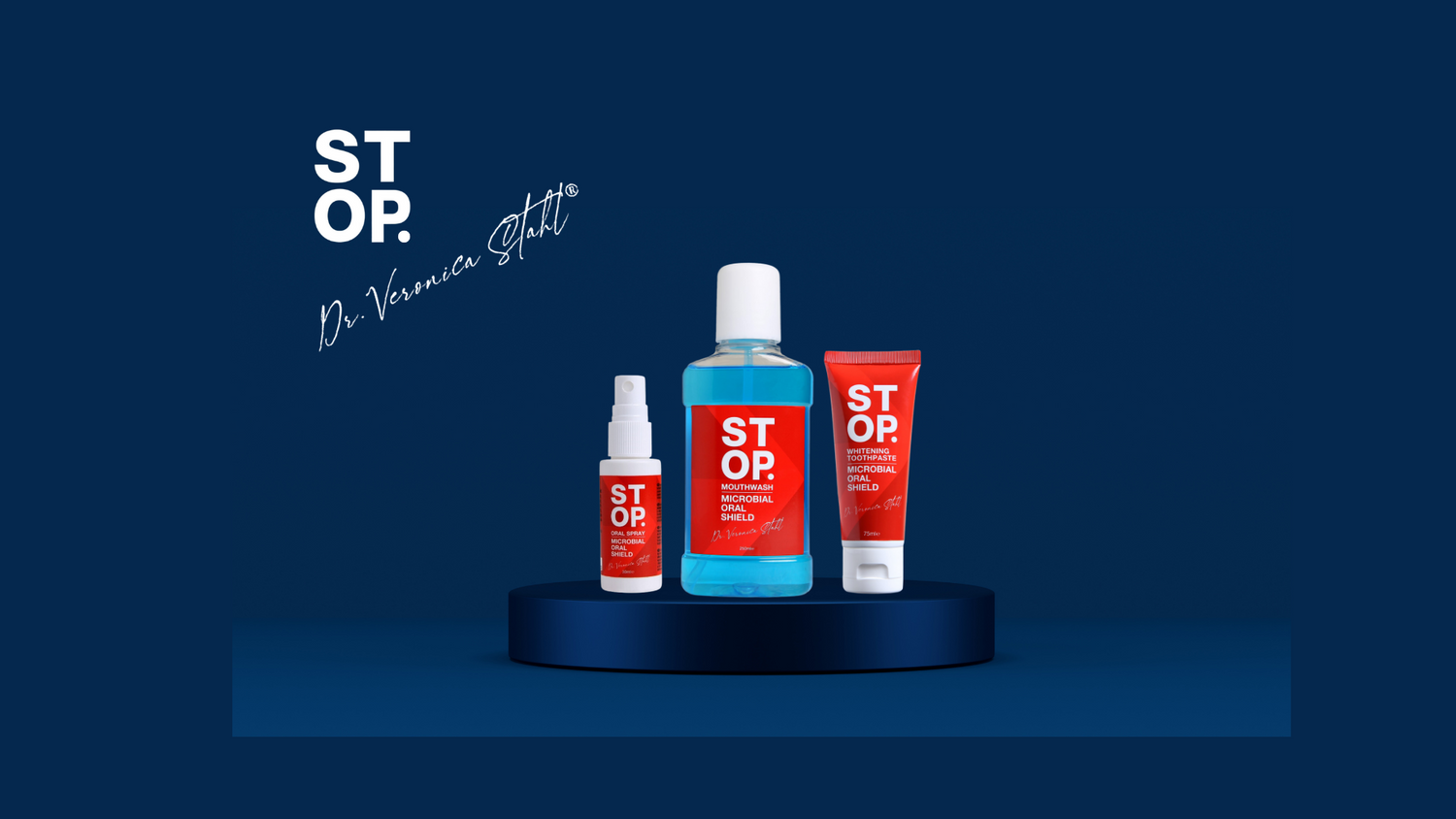


Finding the right toothpaste can feel overwhelming when every shelf is filled with bold claims yet sensitive teeth still ache after brushing. Many health-conscious Europeans, especially in Germany and France, seek gentle, fluoride-free alternatives enriched with natural minerals and plant extracts. This article clears up common myths by exploring how mineral compounds like calcium and Dead Sea minerals offer a holistic way to care for sensitive teeth, with hemp providing additional soothing benefits.
Table of Contents
- Mineral Toothpaste Explained And Common Myths
- Types Of Minerals And Their Oral Health Roles
- How Dead Sea Minerals And Hemp Protect Teeth
- Relief For Sensitivity And Enamel Repair Mechanisms
- Comparing Mineral With Fluoride And Synthetic Alternatives
- Safety, Side Effects, And Legal Considerations
Key Takeaways
| Point | Details |
|---|---|
| Effective Oral Health Alternative | Mineral toothpaste utilizes natural minerals to support enamel remineralization and provide comprehensive dental protection. |
| Myth-Busting | Common misconceptions about mineral toothpaste, such as its effectiveness compared to fluoride, are increasingly challenged by scientific evidence. |
| Safety and Transparency | Consumer safety is paramount, necessitating careful selection of oral care products based on ingredient transparency and scientific validation. |
| Long-Term Benefits | Mineral toothpaste promotes sustainable enamel maintenance and reduces sensitivity in a more natural way than traditional synthetic options. |
Mineral toothpaste explained and common myths
Mineral toothpaste represents a revolutionary approach to oral care that moves beyond traditional fluoride-based products. Unlike conventional toothpastes, these formulations leverage natural mineral compounds to support dental health and provide protection. Dental myths have long complicated consumer understanding of effective oral hygiene strategies.
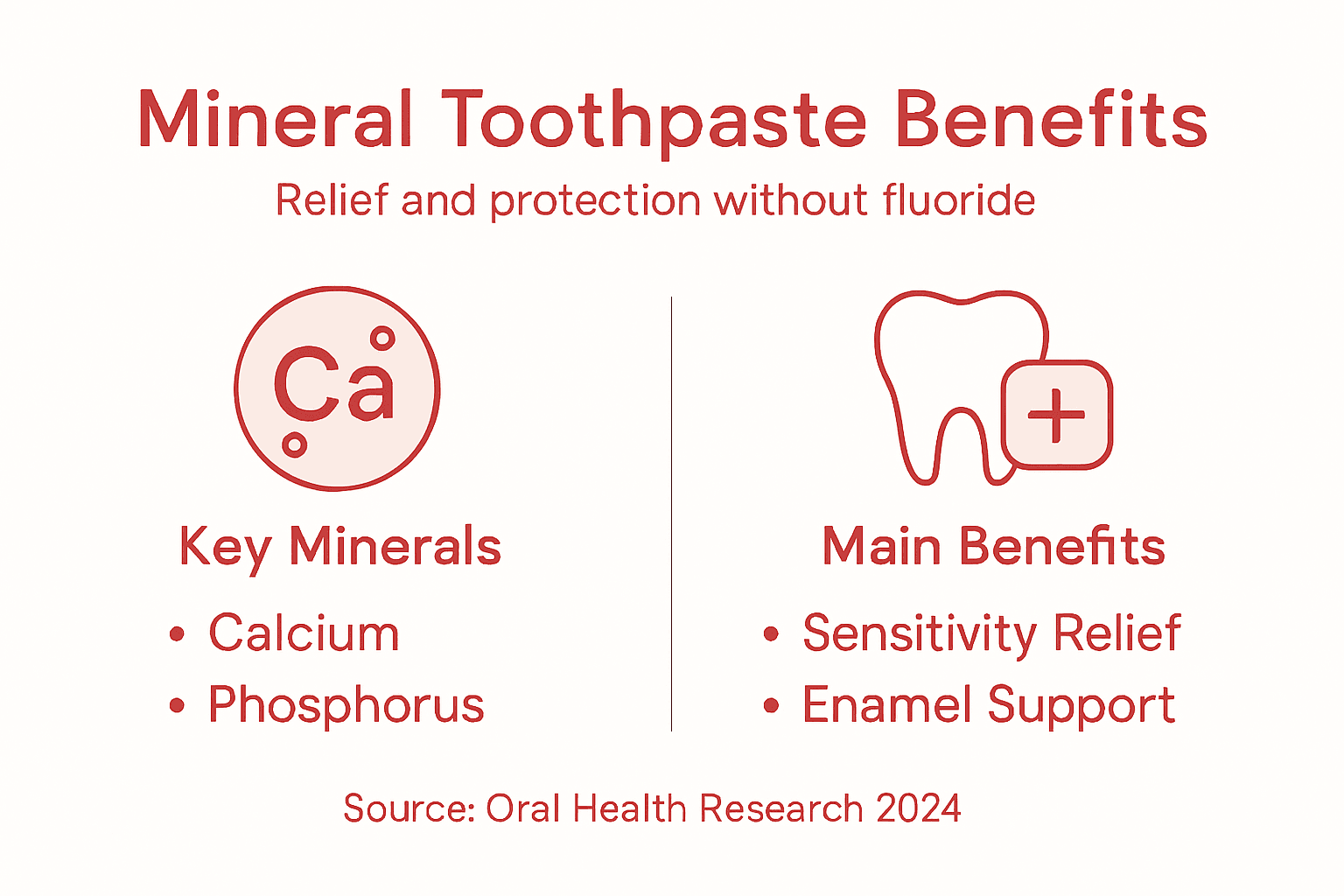
The core principle behind mineral toothpaste involves using naturally occurring minerals like calcium, phosphorus, and trace elements to support tooth remineralization. These ingredients work synergistically to help rebuild tooth enamel, reduce sensitivity, and promote overall dental strength. Unlike fluoride-based alternatives, mineral toothpastes offer a gentler, more holistic approach to maintaining oral health.
Common myths about mineral toothpaste often revolve around its effectiveness compared to traditional fluoride products. Here are some key misconceptions:
- Myth: Mineral toothpaste is less effective at preventing cavities
- Reality: Natural minerals can effectively support enamel remineralization
- Myth: These toothpastes do not provide comprehensive protection
- Reality: Mineral compounds offer broad-spectrum dental support
Scientific research increasingly supports the role of mineral-based oral care products. Historical toothpaste development demonstrates that oral care solutions continuously evolve, with natural ingredients gaining more recognition for their therapeutic potential.
Pro tip: When selecting a mineral toothpaste, look for formulations that include multiple mineral sources and have independent scientific validation of their effectiveness.
Types of minerals and their oral health roles
Mineral compounds play a crucial role in maintaining optimal oral health, offering a natural approach to dental protection and restoration. Dental research consistently highlights the importance of specific mineral interactions in supporting tooth structure and preventing decay.
The primary minerals used in advanced oral care formulations include:
- Calcium: The foundational mineral for tooth and bone structure
- Phosphorus: Essential for enamel remineralization and strength
- Magnesium: Supports overall tooth and gum health
- Zinc: Helps reduce bacterial growth and supports healing
- Potassium: Reduces tooth sensitivity and supports nerve function
Each mineral contributes unique benefits to oral health. Calcium and phosphorus work synergistically to rebuild and strengthen tooth enamel, creating a protective barrier against decay. Mineral-based toothpaste formulations leverage these natural compounds to provide comprehensive dental protection without relying on synthetic chemicals.
Understanding the specific roles of these minerals can help consumers make more informed choices about their oral care products. Some minerals act as natural antibacterial agents, while others support remineralization, reduce sensitivity, and promote overall oral health. The complex interaction of these minerals creates a holistic approach to dental care that goes beyond traditional fluoride-based treatments.
Here’s a summary of key minerals used in oral care and their specific benefits:
| Mineral | Main Oral Health Role | Unique Benefit |
|---|---|---|
| Calcium | Strengthens teeth | Essential for enamel repair |
| Phosphorus | Rebuilds tooth enamel | Increases decay resistance |
| Magnesium | Supports gum health | Aids in tissue healing |
| Zinc | Limits bacteria growth | Speeds up oral wound repair |
| Potassium | Reduces tooth sensitivity | Supports nerve protection |
Pro tip: Look for mineral toothpastes that combine multiple mineral sources to ensure comprehensive oral health support.
How Dead Sea minerals and hemp protect teeth
Dead Sea minerals represent a revolutionary approach to oral health, offering a natural solution for dental protection and healing. Unique mineral properties demonstrate significant potential for supporting tooth and gum wellness through their rich mineral composition.
The primary protective mechanisms of Dead Sea minerals include:
- Antimicrobial action: Reducing harmful bacterial growth
- Anti-inflammatory properties: Soothing oral tissue
- Mineral enrichment: Supporting enamel remineralization
- Trace element restoration: Providing essential nutrients
- pH balancing: Creating a hostile environment for decay-causing bacteria
Hemp derivatives offer complementary oral health benefits, bringing additional protective qualities to dental care. The combination of Dead Sea minerals and hemp creates a powerful natural defense system that addresses multiple aspects of oral health simultaneously. These compounds work synergistically to reduce inflammation, combat bacterial growth, and support the body’s natural healing processes.
Understanding the complex interactions between minerals and plant compounds reveals a sophisticated approach to oral care. While traditional treatments often rely on synthetic chemicals, this natural methodology leverages the body’s inherent healing mechanisms, providing a holistic alternative to conventional dental products.
Pro tip: Choose oral care products that combine multiple Dead Sea minerals and hemp extracts for comprehensive tooth and gum protection.
Relief for sensitivity and enamel repair mechanisms
Tooth sensitivity represents a complex dental challenge that goes beyond surface-level discomfort. Advanced enamel regeneration techniques are transforming our understanding of how teeth can naturally heal and protect themselves from external stimuli.
The primary mechanisms for addressing dental sensitivity include:
- Remineralization: Rebuilding tooth structure at a microscopic level
- Nerve ending protection: Reducing direct exposure to temperature and pressure
- Mineral redeposition: Recreating lost enamel layers
- Barrier formation: Creating protective shields around sensitive areas
- Inflammation reduction: Calming underlying dental nerve responses
Biomimetic approaches to enamel restoration have revolutionized how we understand dental repair. By mimicking natural tooth structure, these advanced techniques use specialized compounds that penetrate deep into dental tissues, effectively rebuilding and reinforcing compromised enamel. The process involves recreating the mineralized matrix that protects nerve endings and reduces sensitivity at its source.
Traditional treatments often masked sensitivity symptoms, but modern mineral-based solutions address the underlying structural issues. These innovative approaches work by gradually reconstructing tooth surfaces, providing long-term relief rather than temporary numbing.
Pro tip: Choose mineral toothpastes that contain multiple remineralizing agents to support comprehensive enamel repair and sensitivity reduction.
Comparing mineral with fluoride and synthetic alternatives
Oral care technology continues to evolve, presenting consumers with increasingly sophisticated alternatives to traditional fluoride-based products. Comparative research reveals nuanced differences between mineral and synthetic toothpaste formulations, challenging long-held assumptions about dental protection.
Key comparative characteristics include:
- Efficacy: Mineral alternatives matching synthetic performance
- Safety: Reduced toxicity risks
- Biocompatibility: Natural ingredient interactions
- Long-term protection: Sustainable enamel maintenance
- Sensitivity reduction: Gentler approach to oral health
Systematic reviews of fluoride concentrations demonstrate that while synthetic options provide robust decay prevention, they also carry potential health risks. Mineral-based alternatives offer a compelling approach by directly replenishing tooth minerals, creating a more holistic method of dental care that supports natural tooth regeneration.
Traditional synthetic toothpastes rely on chemical interventions, whereas mineral toothpastes work in harmony with the body’s natural healing mechanisms. This fundamental difference represents a paradigm shift in understanding oral health - moving from temporary protection to long-term restoration and support.
See how mineral, fluoride, and synthetic toothpastes differ:
| Toothpaste Type | Key Ingredients | Health Risk Profile | Longevity of Protection |
|---|---|---|---|
| Mineral | Natural minerals | Low toxicity, gentle | Sustained enamel support |
| Fluoride | Sodium fluoride | Possible overexposure | Effective decay prevention |
| Synthetic | Chemical compounds | Higher allergy potential | Temporary protection, less restorative |
Pro tip: Select mineral toothpastes that provide comprehensive ingredient transparency and demonstrate scientific validation of their protective mechanisms.
Safety, side effects, and legal considerations
Consumer safety represents the paramount concern in oral care product selection. Comprehensive toxicity assessments reveal critical insights into the potential risks associated with different toothpaste formulations, challenging consumers to make informed choices.
Key safety considerations include:
- Ingredient concentration: Potential toxicity levels
- Long-term exposure: Cumulative health impacts
- Vulnerable populations: Special risk groups
- Regulatory compliance: Legal standard adherence
- Scientific validation: Evidence-based effectiveness
Professional ethical guidelines emphasize the critical importance of transparency and scientific substantiation in oral care recommendations. Dental professionals must navigate a complex landscape of emerging alternatives while maintaining rigorous standards of patient protection and informed consent.
The legal and ethical framework surrounding alternative oral care products demands continuous evaluation. Manufacturers must demonstrate not just safety, but meaningful therapeutic value, moving beyond marketing claims to provide scientifically validated solutions that genuinely support oral health.
Pro tip: Request detailed ingredient documentation and independent research validation before selecting any oral care product.
Discover Natural Relief and Lasting Protection with Mineral Toothpaste
If you are searching for an effective way to reduce tooth sensitivity and support enamel repair without fluoride or harsh chemicals mineral toothpaste enriched with hemp and Dead Sea minerals offers a groundbreaking solution. This natural approach works by rebuilding enamel and soothing nerves providing comprehensive oral health support with scientifically backed ingredients you can trust.
Experience the benefits firsthand by exploring our exclusive STOP Oral Care collection featuring fluoride-free dental care products designed by Dr. Veronica Stahl. These unique formulations harness the power of natural minerals and hemp to gently protect and strengthen your teeth and gums.
Take control of your oral health today and embrace the future of dental care. Visit our Home Page to learn more about our innovative solutions and browse our selection of specially crafted products. Don’t wait to transform your daily routine with safe effective formulas that promote long-term enamel health visit https://stop-oralcare.com now to get started.
Frequently Asked Questions
What is mineral toothpaste and how does it work?
Mineral toothpaste utilizes natural mineral compounds like calcium, phosphorus, and trace elements to support tooth remineralization and enhance dental health without the use of fluoride. These minerals work together to rebuild enamel, reduce sensitivity, and provide overall protection for teeth.
Is mineral toothpaste as effective as fluoride toothpaste for preventing cavities?
Yes, scientific research indicates that mineral toothpaste can be effective in preventing cavities by promoting enamel remineralization. Natural minerals work to strengthen teeth and provide a protective barrier against decay, similar to fluoride-based products.
What are the benefits of using Dead Sea minerals in toothpaste?
Dead Sea minerals have antimicrobial properties, anti-inflammatory effects, and support enamel remineralization. They help reduce harmful bacteria in the mouth, soothe oral tissue, and provide essential nutrients for overall dental health.
Can mineral toothpaste help with tooth sensitivity?
Yes, mineral toothpaste is specifically formulated to reduce tooth sensitivity. It promotes remineralization of enamel and provides a protective barrier around sensitive areas, helping to alleviate discomfort from temperature changes and pressure.
Recommended
- The Complete Guide to Remineralizing Toothpaste Without Fluoride – Stop Oral Care
- Choosing Toothpaste Without Fluoride for Sensitive Teeth: A Practical – Stop Oral Care
- Hydroxyapatite Toothpaste vs Fluoride: A Comprehensive Comparison for – Stop Oral Care
- Step-by-Step Guide to Choosing Fluoride-Free Toothpaste – Stop Oral Care
- Mineralization in Water Filters: Impact on Home Wellness - Coway Water Purifier