

TL;DR:
- Hemp-based oral products, containing non-psychoactive hemp extracts, offer antimicrobial and anti-inflammatory benefits for oral health. They should be used as a supplement to standard dental care, with products verified by third-party lab results for active cannabinoids. Consistent, properly dosed application over time can improve gum health and reduce plaque buildup.
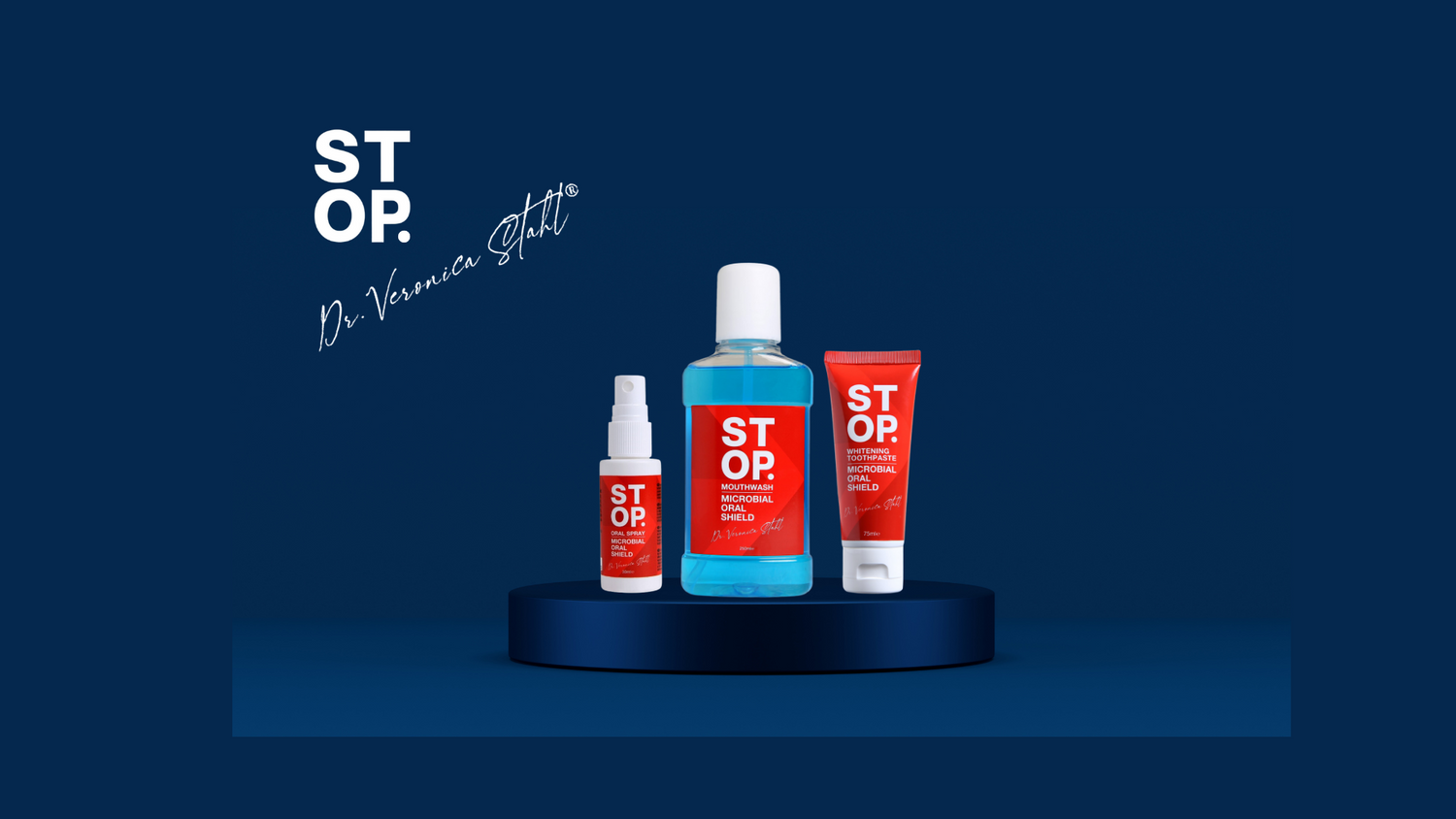
Hemp-based oral products are defined as dental care formulations containing non-psychoactive hemp extracts, typically with less than 0.03% THC, designed to deliver antimicrobial and anti-inflammatory benefits directly to oral tissues. Knowing how to use hemp-based oral products correctly determines whether you get measurable results or none at all. Clinical studies from 2026 show that mouthwashes with 0.05–0.1% CBD perform similarly to 0.12% chlorhexidine in reducing dental biofilm, without damaging enamel. That finding positions hemp oral care as a scientifically credible addition to any natural dental hygiene routine. Stop-oralcare formulates its products around this evidence, combining hemp extracts with Dead Sea minerals for verified oral health support.
How to use hemp-based oral products: product types and selection
The first step is choosing the right product format. Hemp oral care comes in several distinct forms, each with a different delivery mechanism and purpose.
- Hemp toothpaste replaces or supplements conventional fluoride toothpaste. It delivers cannabinoids to gum tissue during brushing and works best when left on the teeth for 60–90 seconds before rinsing. Full-spectrum hemp extracts containing CBD and CBG provide measurable anti-inflammatory and antimicrobial effects. Hemp seed oil, by contrast, is largely inert for oral care purposes and should not be confused with active hemp extract.
- Hemp mouthwash delivers cannabinoids across a wide surface area in a single rinse. A double-blind clinical trial found that a mouthwash combining CBD with spilanthol produced significant reductions in gingival bleeding and plaque after 42 days of twice-daily use. This format suits people with gum sensitivity or early-stage gingivitis.
- Hemp oral sprays apply a metered dose directly to the oral mucosa. Sublingual and buccal absorption is rapid, making sprays practical for on-the-go use between meals.
- CBD toothpicks deliver a pre-measured cannabinoid dose over approximately 50 minutes via oral mucosa contact. They also contain spilanthol and xylitol, both of which support dental health independently.
- Hemp oil pulling formulations use broad-spectrum hemp extract suspended in a carrier oil. This format provides prolonged topical contact with gum tissue and tooth surfaces.
Selecting the right product requires verifying its Certificate of Analysis (COA). Many products labeled CBD contain only inert hemp seed oil with no therapeutic cannabinoids. Always request third-party lab results that confirm actual cannabinoid content and zero detectable THC before purchasing. Stop-oralcare publishes COAs for its product line, which includes fluoride-free toothpaste, mouthwash, and oral sprays formulated with verified hemp extract. You can review the hemp oral care benefits in detail before choosing a format.
How do you incorporate hemp oral care into your daily routine?
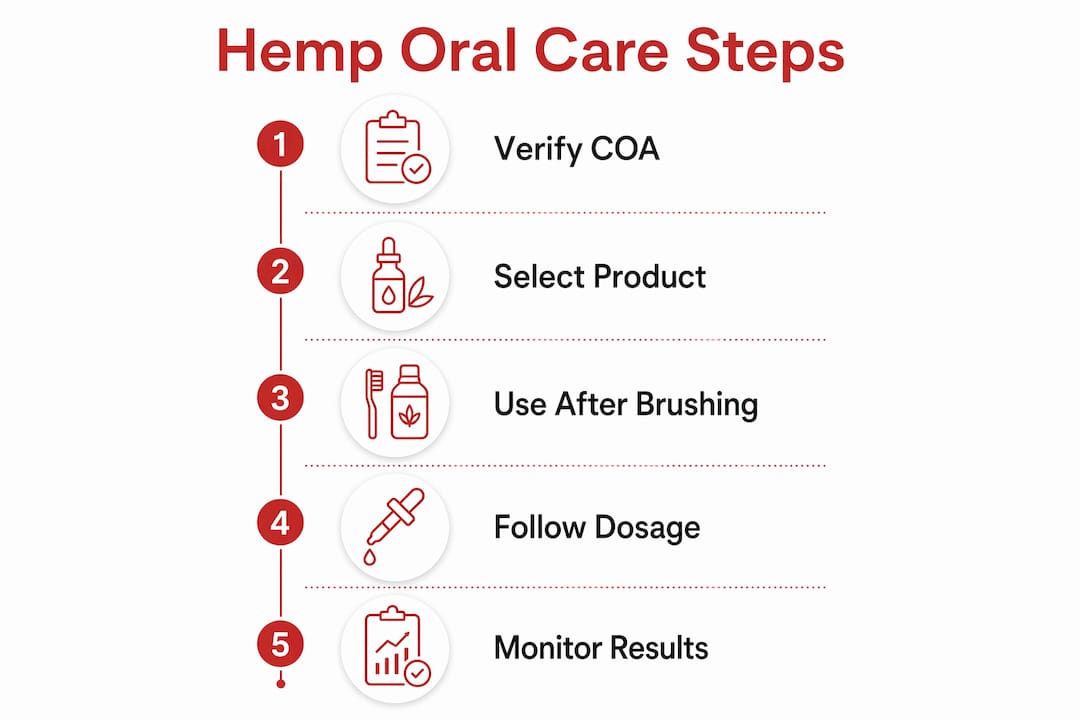
A structured daily protocol produces the most consistent results. Follow these steps to integrate hemp oral products safely and effectively.
- Start with a low dose in week one. Begin with 5–10 mg CBD per application for sprays or one toothpick per session. This allows you to assess tolerance before increasing frequency or concentration.
- Brush with hemp toothpaste for at least 90 seconds. Apply a pea-sized amount and brush all surfaces. Spit but do not rinse immediately. Leaving the residue on gum tissue for 30–60 seconds extends cannabinoid contact time.
- Rinse with hemp mouthwash after brushing. Swish for 60 seconds, focusing on the gumline. A pilot study using a CBD and spilanthol mouthwash showed significant improvements in bleeding and plaque indices over standard treatments. Do not eat or drink for 30 minutes after rinsing.
- Use an oral spray after meals when brushing is not possible. Direct the nozzle toward the inner cheek or under the tongue and hold for 30 seconds before swallowing. This maximizes mucosal absorption.
- Chew a CBD toothpick for 25 minutes per side. Slowly work one end for approximately 25 minutes, then flip the pick and repeat. The spilanthol in the pick produces a mild tingling sensation, which is normal and harmless.
- Practice hemp oil pulling two to three times per week. Use a high-quality, third-party tested hemp oil suspended in organic extra virgin olive oil. Swish gently for 5 minutes to coat gums and teeth, then spit. Do not swallow the oil after pulling, as it contains dislodged bacteria and debris.
- Store all hemp oral products away from heat and direct light. Cannabinoids degrade with UV exposure. Keep products in a cool, dark cabinet to preserve potency.
Pro Tip: Time your hemp mouthwash rinse immediately after your evening brushing session. Overnight, reduced saliva flow allows cannabinoids to maintain contact with gum tissue longer, which may enhance anti-inflammatory effects.

What are the dosage and frequency guidelines for hemp oral care?
Dosage for hemp oral products depends on the delivery format and individual tolerance. The following guidelines reflect current clinical and industry recommendations.
- Oral sprays: 5–10 mg CBD per dose, applied 2–3 times daily. Therapeutic effects last about 4–6 hours, so spacing doses after meals maintains consistent oral support throughout the day.
- Mouthwash: Twice daily, morning and evening, for 60 seconds per rinse. Clinical trials used this protocol over 42 days to achieve measurable plaque and bleeding reductions.
- CBD toothpicks: One toothpick per session, used over approximately 50 minutes. One to two sessions daily is a standard starting point.
- Oil pulling: 5 minutes per session, two to three times weekly. Daily use is acceptable but not required for most people.
Signs that you may need to adjust your dose include persistent oral discomfort, no noticeable change in gum sensitivity after two weeks, or mild digestive upset from swallowed residue. Reduce frequency if any irritation occurs and consult a dental professional before increasing concentration.
A key distinction governs how you use sprays and toothpicks. Sublingual absorption via sprays and toothpicks delivers cannabinoids rapidly into the bloodstream through oral mucosa. Oil pulling, by contrast, provides longer topical contact with oral tissues rather than systemic absorption. Choose the format based on whether your goal is localized gum support or broader oral comfort.
“Hemp-based oral care should supplement, not replace, traditional hygiene practices. Its value lies in gentle antimicrobial and moisturizing support that helps maintain oral microbiota balance alongside regular brushing and flossing.”
For more detail on CBD oral spray dosing, Stop-oralcare provides format-specific guidance based on current clinical evidence.
How do you troubleshoot common issues with hemp oral products?
Several predictable problems arise when people first use hemp oral care. Addressing them early prevents wasted product and inconsistent results.
- Using unverified products. Products without a published COA may contain no active cannabinoids at all. Always verify third-party lab results before starting any hemp oral care regimen.
- Incorrect dosing. Starting too high can cause mild nausea or oral irritation. Starting too low produces no noticeable effect. Follow the low-and-slow protocol in week one before adjusting.
- Bitterness from cannabinoids. CBD and CBG carry a naturally bitter flavor. Successful hemp toothpaste formulations balance this with natural flavoring agents. If bitterness is strong, try a different product format or a lower-concentration option.
- Expecting hemp products to replace brushing and flossing. Hemp oral care provides antimicrobial and anti-inflammatory support. It does not mechanically remove plaque. Brushing twice daily and flossing once daily remain non-negotiable.
- Skipping dental visits. Hemp oral products work best as part of a complete care plan. Professional cleanings remove calculus that no rinse or spray can address. Inform your dentist that you use hemp oral care products so they can monitor your gum health accurately.
Pro Tip: If the taste of hemp mouthwash is too strong, dilute it with a small amount of water for the first week. Gradually reduce the dilution as your palate adjusts, until you use the full concentration as directed.
Integrating hemp oral care with professional dental visits produces the best long-term outcomes. The anti-inflammatory benefits for gums documented in clinical research are most pronounced when hemp products complement, rather than substitute, professional care. Quality matters throughout this process. Products formulated with full-spectrum hemp extract and verified cannabinoid concentrations consistently outperform those with unspecified or inert ingredients.
Key Takeaways
Hemp oral care products deliver measurable antimicrobial and anti-inflammatory benefits when used consistently, at verified doses, alongside standard brushing and flossing.
| Point | Details |
|---|---|
| Verify cannabinoid content | Always check a third-party COA to confirm active hemp extract, not inert hemp seed oil. |
| Match format to your goal | Use sprays or toothpicks for rapid mucosal absorption; use oil pulling for prolonged topical gum contact. |
| Start low, adjust gradually | Begin at 5–10 mg CBD per dose and assess tolerance before increasing frequency or concentration. |
| Time doses strategically | Apply mouthwash after evening brushing and use sprays after meals to sustain 4–6 hour therapeutic windows. |
| Supplement, do not replace | Hemp oral care supports but does not substitute mechanical plaque removal through brushing and flossing. |
My clinical perspective on hemp oral care adoption
I have followed the research on hemp-based dental formulations closely, and the most consistent pattern I observe is this: people who get results are the ones who treat hemp oral care as a precision supplement, not a passive swap for conventional products.
The clinical evidence is genuinely promising. A mouthwash combining CBD with spilanthol outperforming tea tree oil rinses in a double-blind trial is not a minor finding. That kind of head-to-head data matters. What concerns me more is the gap between the evidence-backed products and what most people actually buy. The market is full of formulations that list hemp on the label but contain only hemp seed oil, which has no meaningful cannabinoid activity for oral tissues.
My recommendation is direct: demand the COA before you spend money. If a brand cannot produce one, move on. Stop-oralcare publishes its lab results and formulates with verified full-spectrum hemp extract, which is the standard every product in this category should meet.
The other thing I tell people consistently is that hemp oral care rewards patience. Two weeks of twice-daily use with a verified product will show you whether your gum sensitivity responds. One week of inconsistent use with an unverified product tells you nothing. Treat it like any evidence-based protocol: consistent application, documented product quality, and professional oversight.
— Veronica
Stop-oralcare’s verified hemp oral care line
Stop-oralcare develops fluoride-free dental care products formulated with full-spectrum hemp extract and Dead Sea minerals, each backed by third-party laboratory certification. The product line includes hemp toothpaste, mouthwash, and oral sprays designed to integrate directly into a structured daily dental hygiene routine. Every formulation is tested for cannabinoid concentration and THC absence before release. Readers who want to apply the dosing and usage protocols outlined in this article can review the complete hemp oral care range and access published COAs directly on the site. Transparent ingredient disclosure and verified efficacy are the baseline standards Stop-oralcare holds for every product it offers.
FAQ
What is the difference between hemp seed oil and hemp extract in oral products?
Hemp seed oil contains no active cannabinoids and provides no measurable antimicrobial or anti-inflammatory benefit for oral tissues. Full-spectrum hemp extract contains CBD, CBG, and other cannabinoids that clinical studies link to plaque reduction and gum health improvement.
How long does it take to see results from hemp mouthwash?
Clinical trials using CBD and spilanthol mouthwash twice daily showed significant improvements in gingival bleeding and plaque indices after 42 days. Most people notice reduced gum sensitivity within two to three weeks of consistent use.
Can you swallow hemp oral spray?
Yes. Small amounts of hemp oral spray swallowed after mucosal absorption are generally considered safe. Hold the spray under the tongue or against the inner cheek for 30 seconds first to maximize local absorption before swallowing.
How often should you use CBD toothpicks?
One to two toothpicks per day is the standard starting frequency. Each toothpick delivers a pre-measured dose over approximately 50 minutes, so one session in the morning and one in the evening provides consistent cannabinoid exposure throughout the day.
Do hemp oral products replace brushing and flossing?
Hemp oral care products do not replace mechanical plaque removal. Brushing twice daily and flossing once daily remain the foundation of any oral hygiene routine. Hemp products provide supplemental antimicrobial and anti-inflammatory support within that framework.