

What toothpaste is fluoride free? The leading US brands compared
Fluoride-free toothpaste formulations have expanded considerably, and the options available to US consumers span a wide range of ingredient philosophies, price points, and clinical orientations. The products below represent the most frequently cited and scientifically referenced options in this category, each differentiated by its active ingredient profile and intended use case.
| Product | Best For | Key Ingredients | Flavor Options | Price Range | Availability |
|---|---|---|---|---|---|
| Tom’s of Maine Fluoride-Free Antiplaque and Whitening Peppermint Toothpaste | General whitening and plaque control | Xylitol, hydrated silica | Peppermint | $ | Widely available |
| Bite Toothpaste Bits | Eco-conscious consumers | Xylitol, calcium carbonate | Mint, charcoal | $$ | Online, select retail |
| Revitin Natural Toothpaste | Gum health and microbiome support | Prebiotics, postbiotics, CoQ10 | Citrus mint | $$$ | Online |
| Lumineux Whitening Toothpaste | Gentle whitening | Coconut oil, clay, essential oils | Mint | $$ | Online, select retail |
| Marvis Orange Blossom Bloom Toothpaste | Distinctive flavor and gentle cleaning | Silica, glycerin | Orange blossom | $$ | Online, specialty stores |
| RiseWell Mineral Toothpaste | Enamel remineralization | Hydroxyapatite, xylitol | Mint | $$$ | Online |
| Boka Ela Mint Toothpaste | Remineralization and fresh breath | Nano-hydroxyapatite, xylitol | Ela mint | $$ | Online, select retail |
| Revitin Prebiotic Toothpaste | Oral microbiome balance | Prebiotic blend, vitamins | Citrus | $$$ | Online |
| David’s Natural Toothpaste | Premium natural ingredients | Baking soda, hydrated silica | Peppermint, spearmint | $$ | Online, select retail |
| Fygg Remineralizing Toothpaste | Enamel restoration | Calcium, botanical extracts | Mint | $$$ | Online |
| Ollie Fresh Mint Toothpaste | Daily hygiene and sensitivity | Xylitol, gentle abrasives | Fresh mint | $$ | Online |
Fluoride-free toothpastes rely on detergents and abrasives for mechanical cleaning but do not carry the proven anticavity effects associated with fluoride-based formulations. Products in this category appeal primarily to consumers seeking to reduce synthetic chemical exposure while maintaining a structured oral hygiene regimen.
How do these fluoride-free brands differ from each other?
The distinctions among these products are most apparent at the ingredient level. RiseWell Mineral Toothpaste and Boka Ela Mint Toothpaste both center their formulations on hydroxyapatite, the mineral that constitutes the primary structural component of tooth enamel. Research indicates hydroxyapatite can support enamel remineralization and may help prevent cavities, though it does not replicate fluoride’s mechanism of chemically altering enamel’s crystalline structure to increase acid resistance.
Revitin Natural Toothpaste and Revitin Prebiotic Toothpaste occupy a distinct niche, targeting the oral microbiome directly through prebiotic and postbiotic ingredients, including CoQ10 and vitamin C. These formulations are oriented toward gum health and bacterial balance rather than whitening or remineralization alone.
Tom’s of Maine Fluoride-Free Antiplaque and Whitening Peppermint Toothpaste remains a widely accessible option in this category, available at major US retailers and competitively priced. Its primary active agent is xylitol, which inhibits bacterial adhesion to tooth surfaces and reduces plaque accumulation.

David’s Natural Toothpaste differentiates itself through packaging: the product ships in a recyclable metal tube with a plant-derived ingredient list, appealing to consumers who prioritize both ingredient quality and environmental impact. Bite Toothpaste Bits takes a more radical format departure, delivering the product as chewable tablets rather than paste, eliminating plastic tube waste entirely.
Lumineux Whitening Toothpaste uses organic coconut oil and clay as its primary whitening agents, avoiding both fluoride and peroxide. Marvis Orange Blossom Bloom Toothpaste is distinguished less by its functional claims and more by its sensory profile, offering a signature citrus fragrance and a formula positioned for daily gentle cleaning. Fygg Remineralizing Toothpaste and Ollie Fresh Mint Toothpaste round out the category with calcium-rich and sensitivity-oriented formulations, respectively.
Pro Tip: When comparing fluoride-free toothpastes, prioritize the active ingredient over the marketing claim. A product labeled “remineralizing” should list hydroxyapatite, calcium phosphate, or theobromine as named ingredients, not merely botanical extracts.
Key natural ingredients in fluoride-free toothpaste and what they do
The functional performance of a fluoride-free toothpaste depends almost entirely on its active ingredient selection. The following ingredients appear most frequently in clinically referenced formulations and carry the strongest evidence base.
- Nano-hydroxyapatite: A synthetic form of the mineral that constitutes tooth enamel, hydroxyapatite is biocompatible and has been shown in research to support enamel remineralization. It fills microscopic surface defects and may reduce sensitivity by occluding dentinal tubules. Studies affirm its enamel-strengthening properties are comparable to fluoride in certain remineralization contexts, though it does not provide fluoride’s antibacterial mechanism.
- Xylitol: A sugar alcohol that prevents bacteria from adhering to tooth surfaces, reducing plaque formation and the acid production that initiates enamel erosion. Tom’s of Maine and Boka both rely on xylitol as a primary cavity-mitigating agent.
- Theobromine: A compound derived from the cocoa plant that promotes enamel remineralization and reduces tooth sensitivity. Theobromine helps fill surface microfissures, making it harder for cariogenic bacteria to colonize. It is particularly relevant for consumers with sensitivity concerns who are avoiding fluoride.
- Hydrated silica: A mild abrasive used in Tom’s of Maine and David’s Natural Toothpaste for mechanical plaque removal and surface stain reduction without damaging enamel at standard concentrations.
- Baking soda (sodium bicarbonate): An alkaline abrasive that neutralizes oral acids and provides gentle whitening. David’s Natural Toothpaste uses baking soda as a primary cleaning agent.
- Prebiotic and postbiotic blends: Used in Revitin formulations to modulate the oral microbiome, these ingredients support the growth of beneficial bacterial populations and suppress pathogenic species without broad-spectrum antimicrobial action.
- Green tea extract: A polyphenol-rich ingredient with documented antimicrobial and anti-inflammatory properties relevant to gum health, appearing in select natural toothpaste formulations.
Research note: Hydroxyapatite has been demonstrated in published studies to support enamel remineralization at a level comparable to fluoride in certain experimental models. Unlike fluoride, it does not chemically alter enamel’s crystalline lattice to increase acid resistance, nor does it provide direct antibacterial activity. For consumers choosing to avoid fluoride, hydroxyapatite combined with xylitol and theobromine represents the most evidence-supported ingredient combination currently available in over-the-counter fluoride-free formulations.
How to choose the right fluoride-free toothpaste for you
Selecting a fluoride-free toothpaste requires matching the product’s ingredient profile to your specific dental health status and risk factors. The following criteria provide a structured framework for that decision.
- Cavity risk: Consumers with a documented history of cavities or active demineralization should prioritize formulations containing hydroxyapatite, xylitol, or theobromine. RiseWell and Boka are the most appropriate choices in this context.
- Gum health: Periodontal concerns or a history of gingivitis favor Revitin Natural Toothpaste or Revitin Prebiotic Toothpaste, both of which target the oral microbiome directly.
- Sensitivity: Theobromine-containing and hydroxyapatite-based formulations reduce sensitivity by occluding dentinal tubules. Ollie Fresh Mint Toothpaste is also formulated with sensitivity as a primary design parameter.
- Allergen and irritant avoidance: Consumers sensitive to sodium lauryl sulfate (SLS), artificial dyes, or parabens should verify the absence of synthetic additives on the ingredient label. David’s Natural Toothpaste and Lumineux are among the options that explicitly exclude SLS and artificial colorants.
- Sustainability: Bite Toothpaste Bits and David’s Natural Toothpaste offer the most environmentally considered packaging formats currently available in this category.
- Flavor preference: Marvis Orange Blossom Bloom Toothpaste is the only product in this group with a non-mint primary flavor profile, making it relevant for consumers who find mint-based formulations irritating.
- Label transparency: The FDA does not regulate anticavity claims on fluoride-free toothpastes as it does for fluoridated products. Consumers should read full ingredient lists rather than relying on front-of-package claims.
For a structured approach to choosing fluoride-free toothpaste that accounts for both ingredient safety and dental health needs, a systematic review of active ingredients against your dentist’s assessment of your cavity risk is the most reliable method.
Pro Tip: If you switch to a fluoride-free toothpaste, dental professionals recommend compensating with rigorous brushing technique, consistent flossing, reduced dietary sugar, and more frequent professional cleanings. These practices become more critical, not less, when fluoride is removed from your daily regimen.
What dental science says about fluoride-free toothpaste
The scientific consensus on fluoride-free toothpaste is nuanced. Dental professionals broadly agree that fluoride-free alternatives do not provide the same degree of decay prevention as fluoride-containing products. Fluoride’s mechanism, specifically its capacity to chemically integrate into enamel and increase acid resistance, is not replicated by any currently available natural substitute.
“If you brush twice a day with fluoridated toothpaste, floss once a day, maintain a healthy diet and regularly see your dentist, you’re going to keep your teeth for a lifetime. But if you use a fluoride-free toothpaste, you’re leaving one of your best tools in the toolbox.” — Dr. Messina, as cited by NBC Select
That said, the evidence base for hydroxyapatite has strengthened considerably. Published research supports its role in enamel remineralization and surface repair, and it is classified as biocompatible with no systemic toxicity concerns. For consumers who have made an informed decision to avoid fluoride, a hydroxyapatite-based formulation combined with xylitol represents the most defensible clinical choice within the fluoride-free category.
Theobromine’s role is also supported by peer-reviewed data. As a cocoa-derived compound, it promotes enamel remineralization and reduces sensitivity through a mechanism distinct from fluoride, making it a complementary rather than competing ingredient. The combination of hydroxyapatite and theobromine, as used in select formulations, addresses both remineralization and sensitivity simultaneously.
Dental professionals caution that fluoride-free toothpaste users must maintain near-flawless oral hygiene and significantly reduce dietary sugar to compensate for the absence of fluoride’s protective chemistry. This is not a minor adjustment; it requires consistent behavioral discipline that many patients underestimate.
Stop-oralcare offers a science-backed fluoride-free alternative
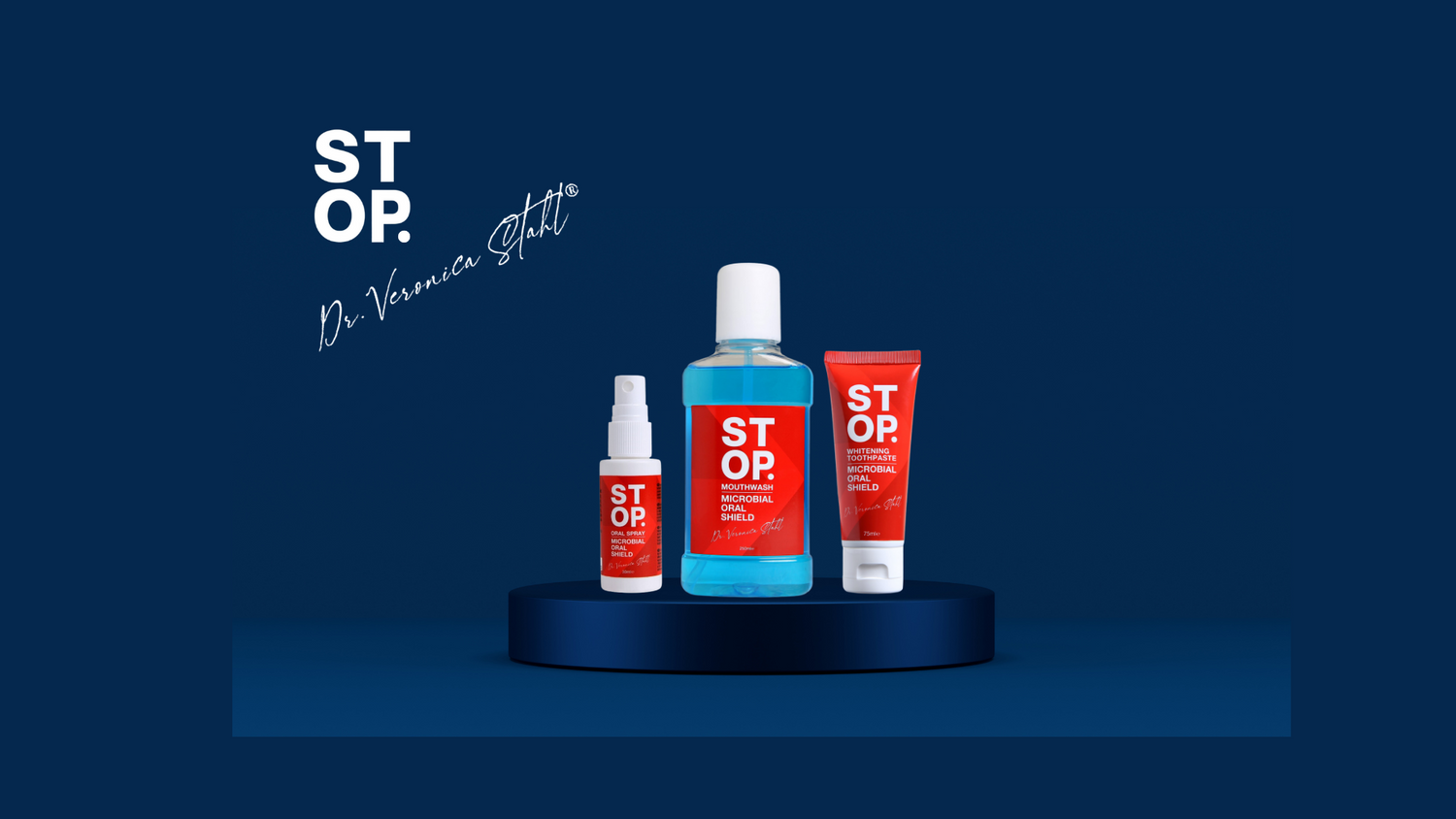
Stop-oralcare occupies a distinct position in the fluoride-free oral care category, formulating its products with hemp and Dead Sea minerals rather than the conventional hydroxyapatite or baking soda bases used by most US brands.
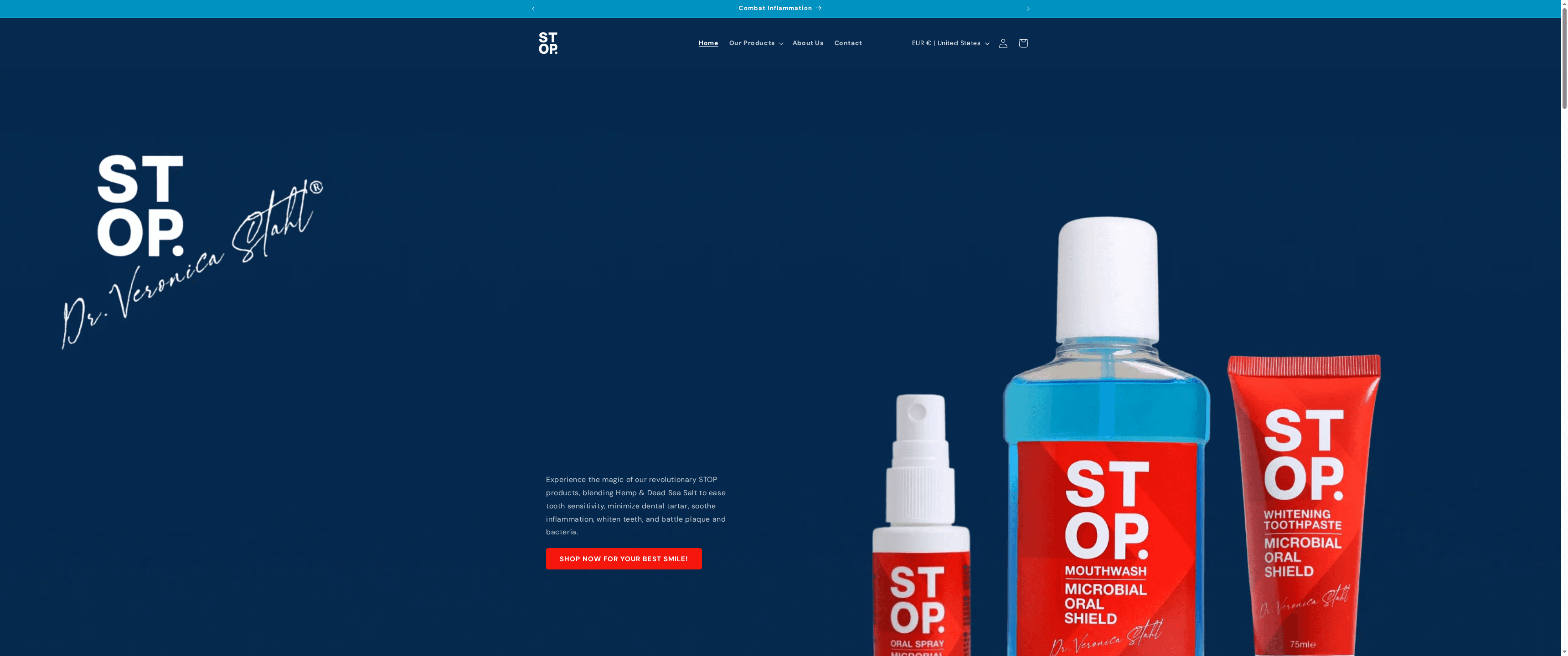
The formulations are developed under the direction of Dr. Veronica Stahl, whose background spans dentistry and natural medicine. Stop-oralcare’s product line includes fluoride-free toothpaste, mouthwash, and oral sprays, each designed to address oral health through natural mineral activity and plant-derived compounds. For consumers who have already evaluated the mainstream fluoride-free options and are seeking a formulation grounded in a different ingredient philosophy, Stop-oralcare’s approach to natural oral care warrants consideration. The brand’s emphasis on ingredient transparency and scientific backing aligns with the priorities of health-conscious consumers who scrutinize label claims rather than accepting marketing language at face value.
Key Takeaways
Hydroxyapatite and xylitol are the most evidence-supported active ingredients in fluoride-free toothpaste, but neither fully replicates fluoride’s anticavity mechanism, making rigorous oral hygiene non-negotiable for consumers in this category.
| Point | Details |
|---|---|
| Fluoride-free does not mean equivalent protection | Fluoride-free toothpastes lack fluoride’s proven anticavity chemistry; compensatory hygiene practices are required. |
| Hydroxyapatite is the strongest fluoride alternative | Research supports hydroxyapatite for enamel remineralization, though it does not alter enamel’s crystalline structure as fluoride does. |
| Xylitol and theobromine provide complementary support | Xylitol inhibits bacterial adhesion; theobromine promotes remineralization and reduces sensitivity. |
| Label claims are largely unregulated | The FDA does not regulate anticavity claims on fluoride-free products; consumers should read full ingredient lists. |
| Stop-oralcare offers a distinct formulation approach | Stop-oralcare’s hemp and Dead Sea mineral formulations provide an alternative for consumers seeking a different ingredient philosophy. |
Recommended
- Best Natural Toothpaste Without Fluoride: Top 5 Picks for a Cleaner Sm – Stop Oral Care
- Best Toothpaste Without SLS: Top Picks for Gentle, Effective Cleaning – Stop Oral Care
- How to Choose Fluoride-Free Toothpaste Effectively – Stop Oral Care
- Is Fluoride Free Toothpaste Effective: A Complete Guide to Benefits, R – Stop Oral Care