

TL;DR:
- Choosing quality fluoride-free toothpaste requires evaluating active ingredients like hydroxyapatite and xylitol beyond marketing claims. Certification seals such as USDA Organic and low abrasivity are essential for safe, effective options tailored to individual oral health needs. Regular monitoring and consulting a dental professional ensure optimal results with these alternative formulations.
The fluoride-free toothpaste category has expanded considerably, and the sheer volume of products claiming to be “natural,” “organic,” or “scientifically formulated” makes it genuinely difficult to distinguish quality from marketing. Knowing how to choose fluoride-free toothpaste requires more than reading the front label. It demands an understanding of active ingredients, certification standards, and individual oral health factors. This guide provides evidence-based criteria and practical steps to help health-conscious consumers select a fluoride-free product that is both safe and clinically relevant.
Table of Contents
- Key Takeaways
- How to choose fluoride-free toothpaste: prerequisites
- Step-by-step selection guide
- Common pitfalls in selecting fluoride-free products
- Verifying effectiveness after making your selection
- My perspective on ingredient quality over label claims
- Explore Stop-oralcare’s fluoride-free oral care resources
- FAQ
Key Takeaways
| Point | Details |
|---|---|
| Look beyond the label | “Fluoride-free” is not a quality marker; evaluate active ingredients like hydroxyapatite and xylitol. |
| Certifications matter | Third-party seals such as USDA Organic offer verifiable quality assurance that front-label claims cannot. |
| Abrasivity is a real risk | Products with high Relative Dentin Abrasivity scores can damage enamel regardless of fluoride content. |
| Consistency drives outcomes | Regular brushing technique, diet, and dental visits remain critical alongside any toothpaste choice. |
| Personalize your selection | Oral health status, sensitivities, and age determine which fluoride-free formulation is appropriate. |
How to choose fluoride-free toothpaste: prerequisites
Before evaluating specific products, a foundational understanding of what the “fluoride-free” designation actually means is necessary. The term describes only what is absent. It does not confirm the presence of any protective or remineralizing agent. Consumers seeking effective fluoride-free alternatives must shift their attention from exclusions to inclusions.
Common reasons for selecting fluoride-free products include concerns about dental fluorosis in young children, fluoride sensitivity, or a preference for formulations derived from natural mineral sources. Each of these motivations is clinically recognized. Dentists recommend fluoride-free options for children prone to swallowing toothpaste and for individuals with documented fluoride sensitivities, provided the switch is made with appropriate monitoring.
The following prerequisites will prepare you for a more informed selection:
- Understand active ingredient categories. Hydroxyapatite, xylitol, and botanical antimicrobials each serve distinct functions. A product containing only water, glycerin, and peppermint oil offers cosmetic cleaning but no evidence-based protective function.
- Know your oral health baseline. Individuals with active caries, gum disease, or compromised enamel require more targeted formulations. Consult a dental professional before switching if any of these conditions apply.
- Recognize certification value. The USDA Organic certification requires that at least 95% of ingredients are organically produced. The FDA does not regulate front-label claims for non-fluoride toothpaste, meaning “natural” or “pure” on a label carries no regulatory weight.
- Identify ingredients to avoid. Sodium lauryl sulfate (SLS) is a foaming agent associated with mucosal irritation in sensitive individuals. Artificial sweeteners, synthetic dyes, and artificial flavors are common fillers that serve no protective oral health function. Products free from these additives can be found through the best SLS-free options now available in the market.
- Consider age and vulnerability factors. Children under six, pregnant individuals, and those with xerostomia (dry mouth) have specific needs that a general fluoride-free formulation may not address.
Pro Tip: Before purchasing, photograph the ingredient list and cross-reference it with a database of common oral care additives. This takes less than two minutes and prevents impulse selections based on packaging alone.
Step-by-step selection guide
Once the prerequisites are established, the selection process can proceed systematically. This process is designed to filter out products that rely on exclusion marketing and identify those with genuine formulation merit.
-
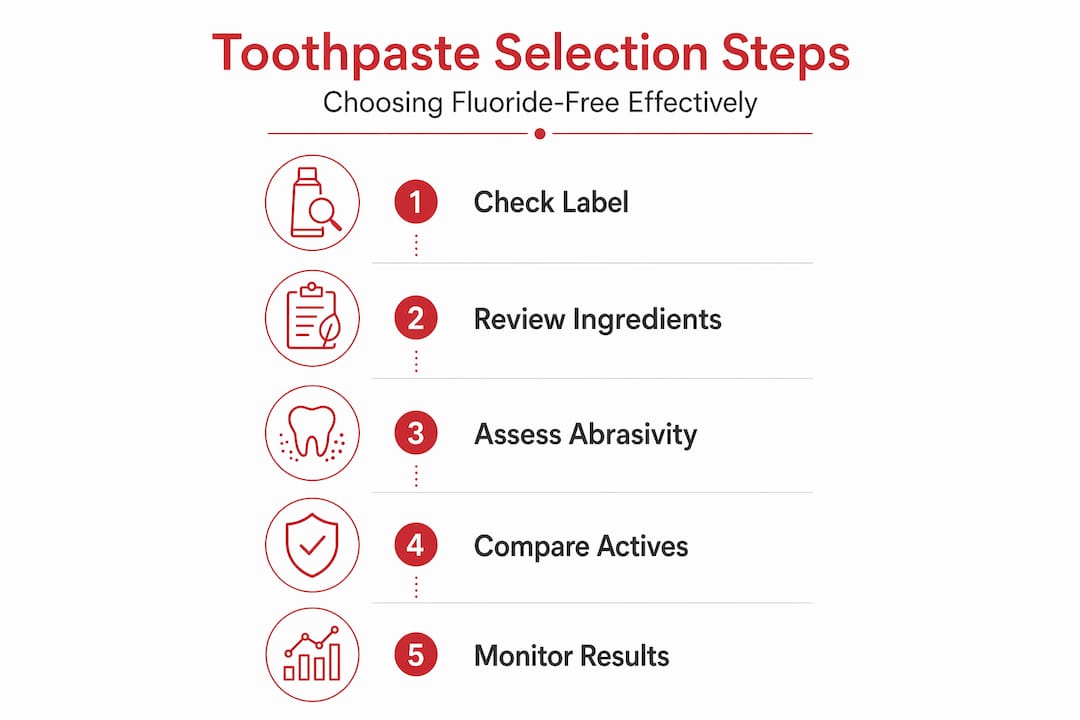
Identify the primary active ingredient. The most clinically supported fluoride-free alternative is hydroxyapatite, a calcium phosphate mineral that constitutes the natural composition of tooth enamel. Hydroxyapatite remineralizes early caries with results comparable to 1100 ppm fluoride toothpaste in controlled studies. Products listing hydroxyapatite as a primary ingredient carry substantially more credibility than those without a recognized active agent.
-
Assess particle size if hydroxyapatite is present. Nano-hydroxyapatite penetrates enamel more effectively than larger particles, producing stronger remineralization outcomes. However, some consumers prefer non-nano formulations due to evolving safety data on nanoparticle absorption. Review the manufacturer’s disclosure on particle size before deciding.
-
Check for xylitol, baking soda, and botanical actives. Xylitol reduces cavity-causing bacteria by inhibiting Streptococcus mutans adhesion. Baking soda gently raises oral pH, creating a less hospitable environment for acid-producing microbes. Tea tree oil and peppermint oil contribute antimicrobial properties, as documented in dental microbiology literature. A product that combines two or more of these ingredients demonstrates formulation depth. For additional context on how these components interact, the Stop-oralcare resource on botanical benefits in toothpaste provides a useful reference.
-
Evaluate abrasivity using RDA values. Overly abrasive formulations can cause measurable enamel wear over time, regardless of fluoride status. Relative Dentin Abrasivity (RDA) assessment is an objective metric published by manufacturers or available in independent reviews. Products with RDA values above 150 are generally considered too abrasive for daily use.
-
Look for third-party certification seals. Certification by USDA Organic, NSF International, or equivalent bodies confirms that ingredient claims have been independently verified. Product labels without any third-party verification rely entirely on self-reported data.
The following table summarizes how to compare fluoride-free toothpaste options across the criteria described above:
| Criteria | What to look for | Red flags |
|---|---|---|
| Active ingredient | Hydroxyapatite, xylitol, botanical actives | No recognized active agent listed |
| Abrasivity (RDA) | Below 150 for daily use | No RDA disclosure; contains harsh silica |
| Certification | USDA Organic, NSF, or equivalent | “Natural” or “pure” without third-party seal |
| Additives | Free from SLS, artificial dyes, synthetic sweeteners | Multiple undisclosed “fragrance” ingredients |
| Formulation transparency | Full ingredient list with concentrations | Proprietary blends with vague labeling |
Pro Tip: When comparing two products with similar ingredient profiles, request or search for independent abrasivity data. Manufacturers who publish RDA values voluntarily tend to demonstrate a higher standard of formulation accountability.
Common pitfalls in selecting fluoride-free products
Understanding what to avoid is as important as knowing what to seek. Several recurring patterns in the fluoride-free market create confusion and, in some cases, genuine oral health risk.
- Assuming “natural” means safe or effective. The term “natural” is entirely unregulated in the context of oral care products. Marketing employs fear-based tactics around fluoride that can lead consumers to overestimate benefits without scientific backing. A product labeled “100% natural” may still contain ingredients with questionable safety profiles or provide no measurable protective benefit.
- Neglecting cavity risk when switching. Fluoride has a well-documented anticavity mechanism. Individuals switching without understanding this risk increased decay and costs if they do not compensate with dietary modification, consistent brushing, and regular professional care.
- Underestimating abrasivity. Two products labeled fluoride-free and SLS-free can differ substantially in abrasiveness and filler content. A product without fluoride is not automatically gentle. Silica-based abrasives at high concentrations can erode enamel progressively.
- Selecting products based on cost alone. Lower price points in this category often correlate with reduced formulation complexity, fewer certified ingredients, and limited transparency. Ingredient quality demands investment, and limited clinical data for newer fluoride alternatives makes independent verification even more important.
- Overlooking the rest of the oral care routine. Toothpaste is one component of a multi-factor system. Regular brushing technique, flossing, and professional dental cleaning remain indispensable regardless of which product is selected.
“Consumers often fixate on what’s missing rather than what’s included. Ingredient transparency and formulation philosophy should be the higher priority when assessing fluoride-free toothpaste options.” — Ingredient focus versus exclusion marketing in toothpaste
The absence of fluoride is a starting point for product classification, not a statement of quality. Products that lead with fear-based messaging about fluoride while offering no substantive alternative deserve heightened skepticism. Additionally, certification controversies in the natural product space, including class action settlements over product labeling claims, illustrate why third-party verification is not optional.
Verifying effectiveness after making your selection
After selecting a product, the evaluation process does not end. Setting realistic expectations and monitoring oral health indicators over a defined period allows for evidence-based adjustments.
-
Establish a baseline before switching. Note the current condition of your teeth and gums: sensitivity levels, plaque accumulation patterns, and any existing areas of concern. Photographs and a written record are useful references.
-
Allow a minimum four-to-six week observation period. Enamel remineralization via hydroxyapatite is a gradual biochemical process. Short trials of one to two weeks are insufficient to detect measurable changes in enamel integrity or sensitivity.
-
Monitor oral health indicators regularly. Track sensitivity to temperature, gum bleeding frequency, and visible plaque deposits. An increase in any of these markers after switching warrants a clinical consultation. Dentists can use diagnostic tools to detect early demineralization that is not yet visible.
-
Supplement with preventive measures. Proper oral hygiene remains critical alongside fluoride-free toothpaste due to the absence of fluoride’s anticavity mechanism. This includes limiting fermentable carbohydrate intake, maintaining brushing frequency at twice daily for a minimum of two minutes, and using interdental cleaning devices.
-
Reassess and adjust if needed. If sensitivity increases or if professional examination reveals new demineralization areas, consider formulations with higher hydroxyapatite concentrations, or consult a dental professional to determine whether a fluoride-containing product is advisable for your specific clinical situation.
The selection process for sensitive teeth may require a more tailored approach, particularly for individuals with exposed dentin or a history of acid erosion.
My perspective on ingredient quality over label claims

In my years working at the intersection of dentistry and natural medicine, the single most common error I observe is the conflation of a product’s marketing identity with its clinical value. Patients arrive convinced that “fluoride-free” guarantees safety, while simultaneously unable to identify a single active ingredient in the product they use daily.
What I have learned is that ingredient quality and formulation integrity are the variables that actually predict outcomes. I have reviewed dozens of products across the fluoride-free toothpaste options available today, and the range in abrasivity, active ingredient concentration, and additive load is wide enough to be clinically significant. Two products priced identically and labeled nearly identically can produce opposite outcomes over a six-month period.
My view is that consumers who prioritize a transparent ingredient list over appealing packaging, and who take the time to verify third-party certifications, will consistently make better selections. The 2026 toothpaste safety checklist that Stop-oralcare has developed aligns with this approach, offering a structured framework that does not rely on marketing claims. Personalization and consistency outperform any single product claim.
— Veronica
Explore Stop-oralcare’s fluoride-free oral care resources
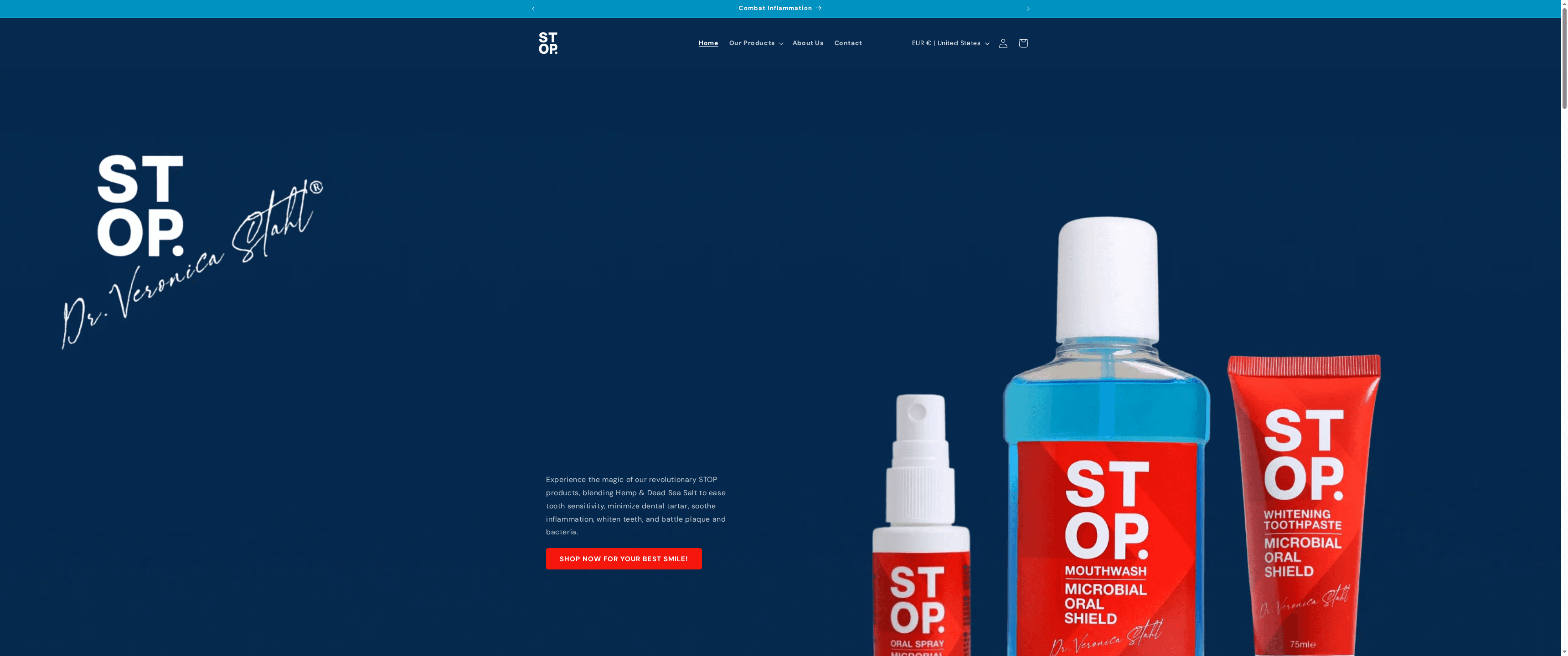
For health-conscious consumers who have completed the evaluation framework described in this article, Stop-oralcare provides a curated selection of fluoride-free oral care products formulated with hemp-derived actives and Dead Sea minerals. Each product listing includes full ingredient disclosure and references the scientific rationale behind formulation decisions.
The Stop-oralcare platform also offers detailed guides, ingredient explainers, and selection checklists to support ongoing decision-making. The step-by-step selection guide available on the website expands on the criteria outlined here and incorporates product-specific data. Consumers seeking personalized guidance on natural oral care are encouraged to explore the full resource library at Stop-oralcare to make selections grounded in both clinical evidence and ingredient transparency.
FAQ
What toothpaste does not contain fluoride?
Fluoride-free toothpaste options include formulations based on hydroxyapatite, xylitol, baking soda, or botanical actives. These products omit fluoride entirely and rely on alternative mechanisms for enamel support and oral hygiene.
How do I find organic toothpaste I can trust?
Look for products carrying a USDA Organic certification seal, which requires at least 95% organically sourced ingredients. Self-reported “natural” labels carry no regulatory verification and should not be used as a quality indicator.
Is hydroxyapatite as effective as fluoride for cavity prevention?
Clinical studies show no significant difference between hydroxyapatite and 1100 ppm fluoride toothpaste in enamel remineralization of early caries lesions, making it a scientifically supported alternative for appropriate candidates.
Can fluoride-free toothpaste damage enamel?
Yes, if the product has a high Relative Dentin Abrasivity value. Abrasivity is independent of fluoride content, and some fluoride-free formulations contain concentrations of silica or other abrasives sufficient to cause enamel wear with daily use.
How long does it take to see results from fluoride-free toothpaste?
A minimum observation period of four to six weeks is appropriate for detecting changes in sensitivity or surface texture. Significant enamel remineralization occurs gradually, and clinical confirmation via professional examination is recommended for individuals with existing caries risk.
Recommended
- Is Fluoride Free Toothpaste Effective: A Complete Guide to Benefits, R – Stop Oral Care
- Choosing Toothpaste Without Sodium Lauryl Sulfate and Fluoride for Sen – Stop Oral Care
- Fluoride-free brushing: Effective, natural oral care steps – Stop Oral Care
- Step-by-Step Guide to Choosing Fluoride-Free Toothpaste – Stop Oral Care