

Yes, acid reflux causes tooth erosion: gastric acid regularly pushed into the mouth lowers oral pH below the level enamel can tolerate, and that mineral loss cannot be reversed once it happens. If you suspect this is happening to you, rinse with water right after a reflux episode, wait at least 30 minutes before brushing, and schedule a dental exam soon.
TL;DR:
- Enamel erosion caused by reflux is most severe on the palatal surfaces of upper front teeth and often appears before any reflux symptoms are noticeable.
- Reflux episodes, especially at night and with frequent, prolonged exposure, significantly increase the risk of mineral loss and enamel damage.
- Rinsing with water or bicarbonate solution immediately after reflux, waiting 30 minutes before brushing, and avoiding acidic foods reduce further enamel degradation.
- Fluoride and hydroxyapatite treatments do not reverse existing erosion but can slow progression and reduce sensitivity when used regularly.
- Managing acid reflux medically and maintaining a consistent remineralization routine are critical to protecting teeth from ongoing damage.
Table of Contents
- How Gastric Acid and Oral pH Cause Enamel Erosion
- What Does Reflux-Related Tooth Erosion Look Like?
- When Should a Dentist Refer You for GERD Testing?
- How Can You Protect Your Teeth From Acid Reflux Right Now?
- Can Fluoride or Hydroxyapatite Reverse Enamel Erosion?
- Why Medical Reflux Control Matters for Your Teeth
- When Do You Need Restorative Dental Work?
- What Dentists Want Patients to Understand About Reflux and Enamel
- Support Your Enamel With a Fluoride-Free Daily Routine
- Sources
How Gastric Acid and Oral pH Cause Enamel Erosion
Enamel starts dissolving once oral pH drops below roughly 5.5, the critical threshold at which mineral loss outpaces repair. Gastric juice runs far more acidic than that, typically pH 1 to 3, so when reflux carries stomach contents up into the mouth, it plunges saliva into a corrosive range almost instantly.
This is different from the extrinsic acid exposure most people know about, like soda or citrus. Intrinsic acid from reflux or vomiting tends to bathe the back of the upper front teeth and the palate, which is why the wear pattern looks distinct from what a lemon-water habit produces. Several factors make the damage worse:
- Reduced saliva flow, from dehydration, mouth breathing, or certain antihistamines and antidepressants, weakens the mouth’s natural buffering capacity.
- Frequency and duration of reflux episodes matter more than any single event, since erosion is a cumulative process.
- Nighttime reflux is particularly damaging because saliva production drops sharply during sleep, leaving enamel exposed with little natural defense.
The severity of erosive tooth wear tied to GERD depends on how often reflux occurs, how acidic the refluxate is, and how much saliva a person produces to counteract it.
What Does Reflux-Related Tooth Erosion Look Like?
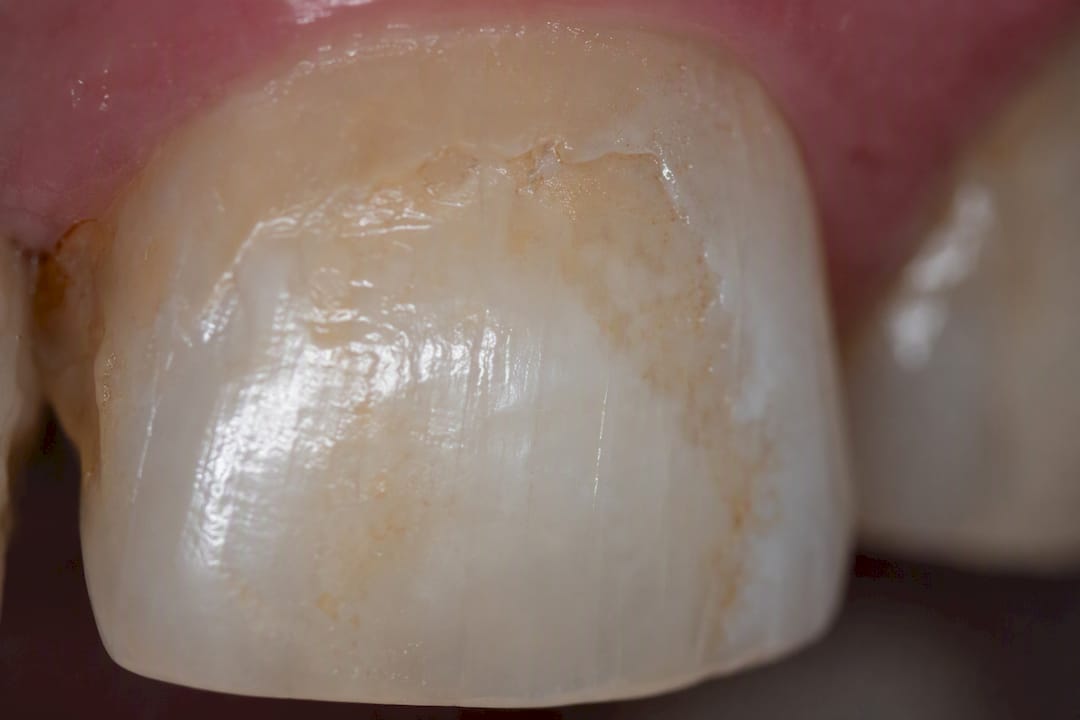
Dentists trained to spot this pattern usually look at the same handful of clues. The palatal (tongue-side) surfaces of the upper incisors often show smooth, glassy wear, sometimes with a cupped or dished appearance on the biting surfaces of the molars. As enamel thins, the yellowish dentin underneath becomes visible, which is why many patients first notice their teeth look duller or more transparent at the edges.
Watch for these accompanying symptoms:
- Sudden sensitivity to cold drinks or sweet foods
- Old fillings that seem to stick up higher than the surrounding tooth
- Front teeth that look shorter, thinner, or slightly translucent at the tips
- A rough or catching sensation on the tongue-side of upper teeth
Here’s the part patients rarely expect: clinical reviews note that dentists frequently detect reflux before a physician does, because erosion patterns from GERD can appear even in people who never experience heartburn. This is often called silent reflux, and a dental exam can be the first clue that something systemic is going on.
When Should a Dentist Refer You for GERD Testing?
A dentist evaluating suspected reflux erosion typically works through a defined sequence rather than guessing from a glance at your teeth.
- Take a full history covering diet, medications, vomiting frequency, and any known digestive symptoms, plus occupational acid exposure in some professions.
- Score the wear using the basic erosive wear examination (BEWE) index, a standardized system that grades erosion severity across sextants of the mouth and helps track progression over time.
- Check salivary flow and pH when erosion looks disproportionate to diet alone, since low buffering capacity can accelerate damage even with modest acid exposure.
- Refer to gastroenterology if wear is progressing despite preventive steps, if the pattern is unusual or one-sided, or if the patient reports symptoms suggestive of reflux disease.
Gastroenterology follow-up commonly involves ambulatory pH monitoring over 24 to 48 hours to confirm reflux frequency and severity. Coordinated care between the two specialties tends to produce better outcomes than either working alone, since controlling the acid source matters as much as protecting what enamel remains.
How Can You Protect Your Teeth From Acid Reflux Right Now?
The single biggest mistake people make after a reflux episode is brushing immediately, thinking they’re helping. You’re actually grinding softened, acid-weakened enamel against bristles, which does more harm than the acid alone.
Right after an episode:
- Rinse with plain water, or mix a mild bicarbonate solution (about half a teaspoon of baking soda in 4 ounces of water) to neutralize residual acid.
- Wait at least 30 minutes before brushing, giving saliva time to naturally re-harden the softened surface.
Diet and timing adjustments that reduce exposure:
- Sip acidic drinks with meals rather than between them, and use a straw when it’s practical.
- Avoid eating within 2 to 3 hours of lying down or going to bed.
- Cut back on classic reflux triggers: coffee, alcohol, tomato-based dishes, and citrus.
Supporting your saliva, your mouth’s natural defense system, makes a measurable difference. Chewing sugar-free gum with xylitol after meals stimulates flow, and staying hydrated keeps buffering capacity up. If a medication you take causes dry mouth, ask your doctor or pharmacist about alternatives.
For daily brushing during an active erosion period, stick to a soft-bristle brush and a low-abrasivity toothpaste, and skip whitening products or strong abrasives until a dentist confirms the erosion has stabilized. The American Dental Association’s guidance on tooth erosion echoes this same sequence: rinse, wait, then brush gently.
Pro Tip: Keep a small water bottle at your nightstand. Nighttime reflux is the most damaging kind because saliva production drops during sleep, so a quick rinse the moment you wake from an episode matters more than almost anything else you can do.
Can Fluoride or Hydroxyapatite Reverse Enamel Erosion?
Neither one regenerates enamel that’s already gone, but both can slow or halt further mineral loss and ease sensitivity. Understanding what each agent actually does helps set realistic expectations before you invest in a routine.
- Prescription-strength fluoride pastes and varnishes work by helping form a more acid-resistant mineral layer on remaining enamel.
- Hydroxyapatite-based toothpaste supplies the same mineral enamel is naturally made of, which some patients prefer as a fluoride-free option for daily remineralization support.
- CPP-ACP products (casein phosphopeptide-amorphous calcium phosphate) deliver calcium and phosphate in a form saliva can more readily deposit back onto weakened enamel.
A randomized clinical trial on GERD patients found that hydroxyapatite-based home treatments meaningfully improved dentin sensitivity and some periodontal indices compared with controls, though BEWE index changes between groups weren’t statistically significant. That’s a useful reminder: these products can make daily life more comfortable and support the mouth’s own repair process, but they aren’t a guaranteed fix for structural wear already present.
In practice, dentists often pair in-office varnish applications every few months with a nightly paste or tray-based regimen at home, alongside anything that supports saliva flow.
Why Medical Reflux Control Matters for Your Teeth
Protecting enamel long-term means addressing the acid source, not just the aftermath. Lifestyle changes, alginates, antacids, or prescribed therapies like proton pump inhibitors all aim to reduce how often and how strongly acid reaches the mouth.
- Elevating the head of the bed reduces nighttime reflux when saliva’s natural defenses are weakest.
- Avoiding meals late in the evening gives the stomach time to empty before you lie down.
- Sleeping on your left side is associated with fewer reflux episodes for many people.
A dentist and gastroenterologist working together tend to catch problems earlier and manage them more effectively than either provider working in isolation.
When Do You Need Restorative Dental Work?
Once erosion has caused functional problems, pain, or a noticeably different bite, prevention alone isn’t enough anymore. Restorative treatment becomes worth discussing with your dentist when enamel loss affects how you eat, speak, or feel about your smile.
- Composite bonding repairs localized wear, particularly on front teeth, and is usually the least invasive option.
- Crowns or veneers address more extensive volume loss, especially where structural strength is a concern.
- Occlusal rehabilitation becomes necessary when erosion has altered how your teeth meet and function together.
Restorations don’t make you immune to future damage. Ongoing remineralization habits and regular dental monitoring protect both the natural enamel that remains and the restorative work itself, since the same acid that caused the original erosion can undermine a filling or crown just as easily. A useful outside reference on this point comes from DC Implant & Cosmetic Dentistry’s overview of acid erosion, which reinforces that lost enamel doesn’t regenerate but further wear is genuinely preventable with the right routine.
What Dentists Want Patients to Understand About Reflux and Enamel
Dental exams often catch reflux disease before anyone thinks to mention it to a physician, and that early catch matters more than most patients realize. Silent reflux can announce itself through enamel wear alone, with no heartburn at all, which is exactly why routine dental visits carry more diagnostic weight here than people assume.
The patients who do best combine two things: medical control of the reflux itself, and a consistent remineralizing routine at home. Fluoride-free, hydroxyapatite-based approaches fit well for patients who want an evidence-aligned option without fluoride, since the mineral mimics what enamel is already made of rather than substituting a different compound. Stop-oralcare’s view is straightforward: the product category matters less than the consistency of use, paired with whatever medical treatment is actually controlling the reflux upstream.
— Veronica
Support Your Enamel With a Fluoride-Free Daily Routine
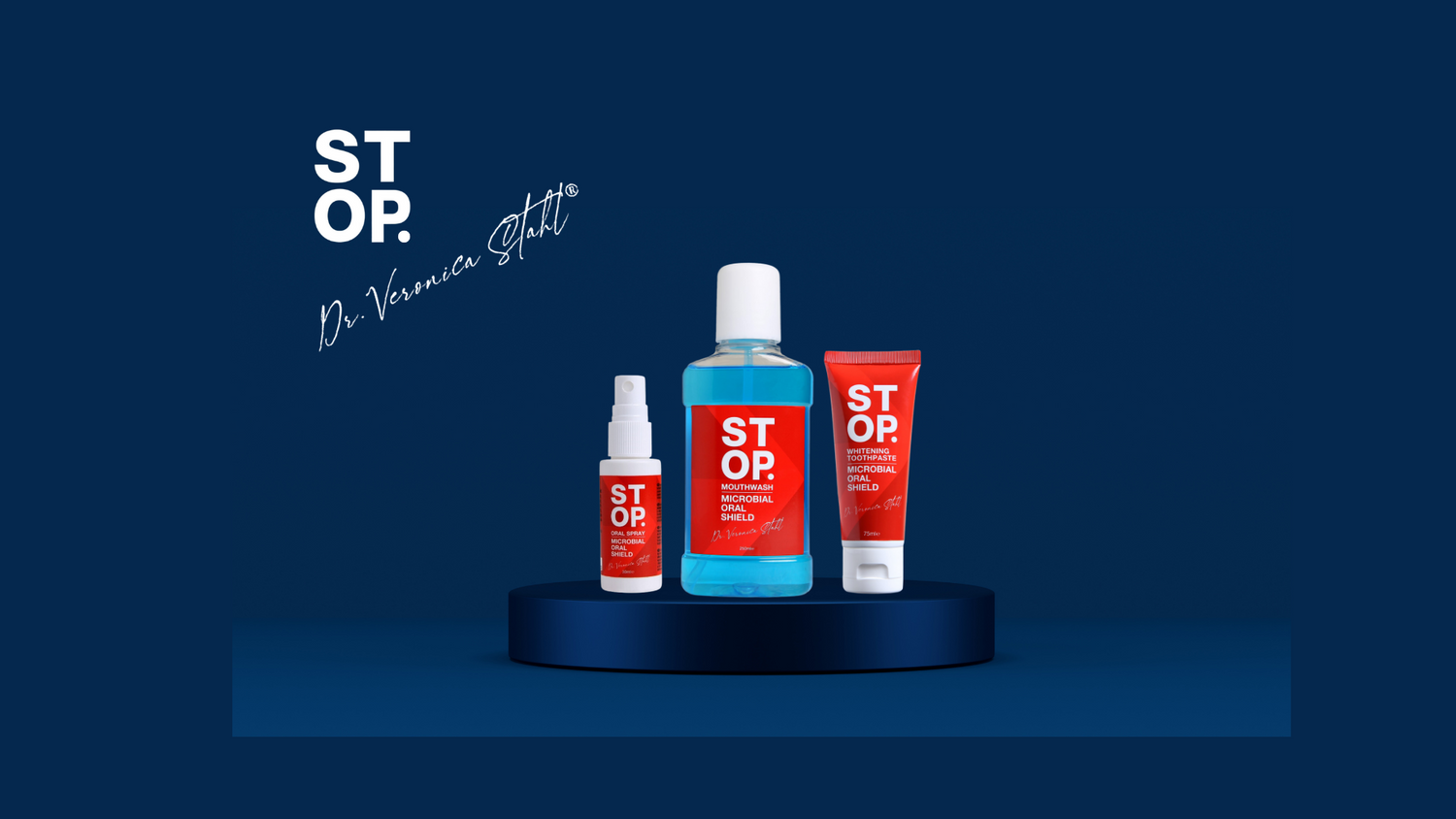
Rinsing after reflux and waiting to brush only slows the damage. What actually rebuilds your daily defense is a consistent remineralizing routine, and that’s where Stop-oralcare’s hemp and Dead Sea mineral formulas fit into a dentist-recommended plan without the fluoride most sensitive-tooth patients are trying to avoid.
The hydroxyapatite-based toothpaste and mouthwash are formulated specifically for enamel weakened by acid exposure and gum tissue irritated by sensitivity, both common complaints among reflux patients. Instead of guessing which fluoride-free product actually has research behind it, you get a line built around the remineralizing chemistry this article just covered, paired with natural anti-inflammatory ingredients for gum comfort. If your dentist has recommended a fluoride-free path or you simply want one that doesn’t compromise on evidence, browse the full product line at Stop-oralcare and start with the toothpaste your enamel needs tonight.
This article is general information, not a substitute for advice from a qualified doctor. Consult a qualified healthcare professional about your own circumstances before acting on anything here.
Sources
- Dental erosion caused by gastroesophageal reflux disease - PMC
- Tooth erosion and acid reflux — MouthHealthy (ADA)