

TL;DR:
- Fluoride-free dental care emphasizes hydroxyapatite, miswak, and oil pulling as effective alternatives.
- A structured routine includes tongue scraping, brushing, interdental cleaning, and natural rinses for optimal health.
- Proper method, consistency, and self-monitoring are key to achieving and tracking oral health improvements.
Concerns about fluoride accumulation, dental fluorosis, and systemic exposure have prompted a growing number of health-conscious individuals to reconsider conventional oral care products. The evidence base for fluoride-free alternatives has expanded considerably, with peer-reviewed research documenting the efficacy of hydroxyapatite (HAP), miswak, and oil pulling as viable substitutes. This guide presents a structured, evidence-based approach to fluoride-free dental care, covering the essential tools, a sequenced daily routine, common pitfalls to avoid, and a framework for monitoring clinical outcomes over time.
Table of Contents
- What you need for fluoride-free dental care
- Step-by-step fluoride-free cleaning routine
- Avoiding common mistakes in fluoride-free routines
- How to measure results and adjust your routine
- A fresh perspective on fluoride-free dental care
- Explore more natural dental care solutions
- Frequently asked questions
Key Takeaways
| Point | Details |
|---|---|
| Fluoride-free success | Consistent use of natural products and techniques can match the effectiveness of fluoride for many people. |
| Evidence-backed methods | Tools like miswak and oil pulling have strong research support for reducing plaque and gingivitis. |
| Routine matters most | Daily discipline and the right steps are more important than any single ‘magic’ product for oral health. |
| Personalization is key | Adjust your routine as you go and track results to discover what works best for your unique needs. |
What you need for fluoride-free dental care
Now that you’re ready to make the switch, it’s crucial to know what you’ll need to get started. Assembling the correct materials before beginning a fluoride-free routine reduces the likelihood of gaps in protection and ensures that each step of the protocol is supported by an appropriate product.
Non-fluoridated toothpaste is the foundational element. When choosing fluoride-free toothpaste, prioritize formulations containing hydroxyapatite (HAP), xylitol, or nano-silver as active agents. HAP is a calcium phosphate compound that mirrors the mineral composition of natural enamel, supporting remineralization without fluoride. Avoid products listing sodium fluoride, stannous fluoride, or sodium monofluorophosphate anywhere on the ingredient panel.
Essential tools for a fluoride-free routine:
- Bamboo toothbrush (soft bristle, BPA-free)
- Miswak chewing stick (Salvadora persica)
- Tongue scraper (stainless steel or copper)
- Interdental brushes or water flosser
- Natural mouthwash (alcohol-free, herbal or mineral-based)
- Coconut or sesame oil for oil pulling
- Herbal dental powders (neem, activated charcoal, or bentonite clay, used sparingly)
Comparison of natural mouthwash options:
| Mouthwash type | Primary benefit | Alcohol content | Suitable for daily use |
|---|---|---|---|
| Herbal (neem, clove) | Antimicrobial | None | Yes |
| Dead Sea mineral rinse | Remineralization, pH balance | None | Yes |
| Diluted hydrogen peroxide | Whitening, antibacterial | None | 2-3x per week |
| Coconut oil rinse | Biofilm reduction | None | Yes |
Oil pulling, the practice of swishing oil in the oral cavity for an extended period, has demonstrated measurable clinical benefits. Oil pulling reduces plaque, bacteria, and gingivitis comparably to chlorhexidine in short-term studies, making it a credible adjunct to the fluoride-free toolkit.

For additional guidance on assembling a safe, complete regimen, the safe, natural oral care tips resource provides a structured checklist.
Pro Tip: Always cross-reference the full ingredient list, not just the front label. Some products marketed as “natural” still contain trace fluoride compounds under alternative chemical names.
Step-by-step fluoride-free cleaning routine
With your tools prepared, it’s time to establish your daily routine for maximum fluoride-free oral health. A structured sequence ensures that each anatomical zone receives adequate attention and that the biological mechanisms of each product are used to their full potential.
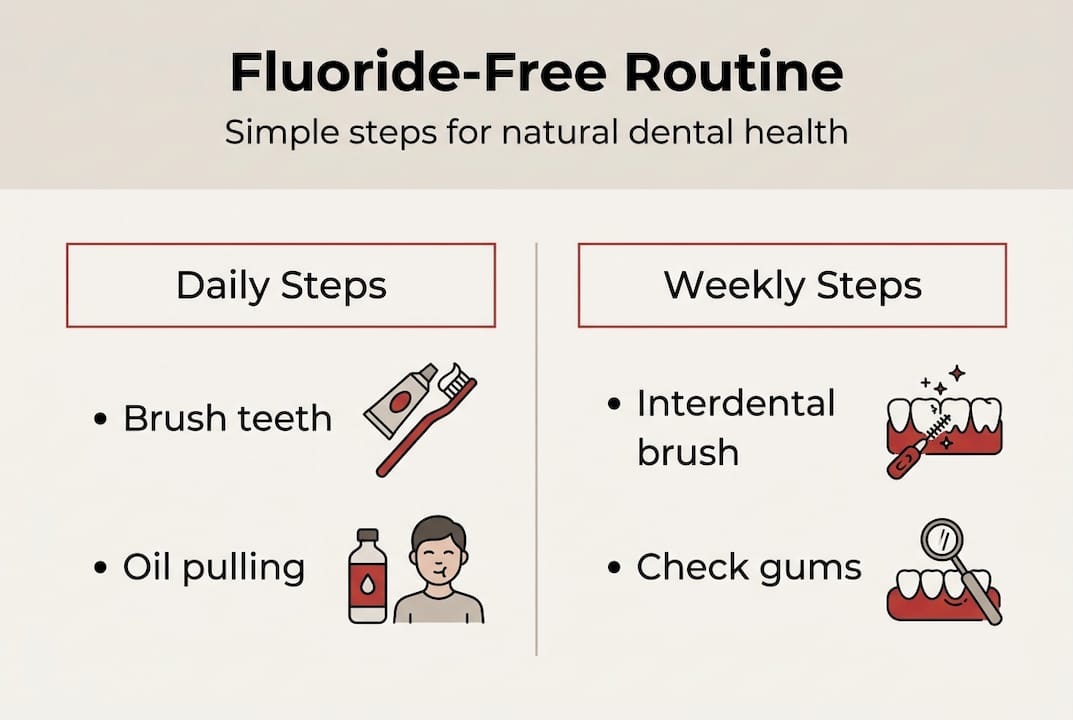
Daily fluoride-free oral hygiene sequence:
- Morning: tongue scraping. Before consuming any food or liquid, use a stainless steel tongue scraper to remove the biofilm that accumulates on the dorsal surface of the tongue overnight. This step reduces volatile sulfur compounds and bacterial load.
- Morning: brushing with fluoride-free paste. Brush for two full minutes using a soft-bristle bamboo toothbrush and a HAP-based or xylitol-based toothpaste. Use gentle, circular strokes along the gumline.
- Mid-day option: miswak or alternative brushing. Miswak reduces plaque and gingival inflammation comparably or better than conventional toothbrushes, making it an effective portable option for midday oral hygiene without toothpaste.
- Mid-day option: oil pulling. Swish 1 tablespoon of coconut or sesame oil for 10 to 15 minutes, then expectorate into a trash receptacle. Note that oil pulling adherence is often limited by the 15 to 20 minute duration requirement, so starting with shorter sessions and gradually increasing is a practical strategy.
- Evening: interdental cleaning. Use interdental brushes or a water flosser to disrupt biofilm between contact points. This step is non-negotiable for preventing interproximal caries and periodontal disease.
- Evening: brushing. Repeat the morning brushing protocol with fluoride-free toothpaste.
- Evening: natural mouth rinse. Finish with a herbal or mineral-based mouthwash to neutralize residual bacteria and support salivary pH.
Weekly additions:
- Once weekly: herbal powder application (neem or activated charcoal) for deeper biofilm disruption
- Once weekly: extended oil pulling session (15 to 20 minutes)
A key statistic supporting this approach: HAP inactivates 75% of active carious lesions in pediatric populations, nearly matching the performance of fluoride-based interventions. This positions HAP as a scientifically credible cornerstone of any fluoride-free dental hygiene protocol.
For a visual overview of sequencing, the dental care workflow resource provides a structured reference.
Avoiding common mistakes in fluoride-free routines
Even with the best intentions, certain missteps can hinder your progress. Understanding these errors in advance allows practitioners to design a more resilient and effective protocol from the outset.
Common mistakes to avoid:
- Overbrushing with abrasive powders. Activated charcoal and bentonite clay have relatively high Relative Dentin Abrasivity (RDA) values. Daily use can erode enamel and expose dentin, increasing sensitivity. Limit abrasive powders to once or twice per week.
- Inconsistent routine adherence. Sporadic brushing or irregular oil pulling sessions fail to maintain the bacterial suppression needed for sustained oral health. Consistency is the primary determinant of clinical outcome.
- Assuming all ‘natural’ products are fluoride-free. Many mineral-based or herbal toothpastes still contain fluoride. Label verification is mandatory, not optional.
- Skipping interdental cleaning. Toothbrushes, including miswak sticks, do not access interproximal surfaces. Flossing or interdental brushing remains essential regardless of the primary brushing method.
- Ignoring gum irritation signals. If gingival bleeding or sensitivity increases after introducing a new product, discontinue it and substitute a gentler alternative such as a plain saline rinse or a mild herbal mouthwash.
Safety note: Persistent gum bleeding that does not resolve within two weeks of routine adjustment warrants evaluation by a licensed dental professional. Natural methods do not replace clinical diagnosis or treatment.
Research confirms that oil pulling comparably reduces plaque and gingivitis relative to chlorhexidine in short-term trials, but this benefit is contingent on correct technique and consistent application. Errors in method negate the documented efficacy.
Pro Tip: Build a simple weekly tracking chart noting which steps you completed each day. Visual accountability significantly improves long-term adherence to any health protocol.
For a detailed transition plan, the how to switch to fluoride-free care guide outlines a phased approach. Additional context on the documented oral health benefits of fluoride-free care supports the rationale for making the switch.
How to measure results and adjust your routine
Progress tracking helps ensure your new dental care habits are delivering real benefits. Without systematic self-assessment, it is difficult to determine whether a given method is performing adequately or whether adjustments are needed.
Key indicators to monitor:
- Gingival color: healthy gums are coral pink, not red or swollen
- Bleeding on brushing: should decrease within two to four weeks of consistent routine
- Breath quality: morning halitosis should diminish with consistent tongue scraping and oil pulling
- Plaque accumulation: run a clean fingernail along the gumline to assess residual biofilm
- Tooth sensitivity: should remain stable or improve; any increase warrants product review
Week-by-week self-assessment table:
| Week | Gum bleeding | Plaque level (self-assessed) | Breath quality | Sensitivity |
|---|---|---|---|---|
| 1 | Baseline | Baseline | Baseline | Baseline |
| 2 | Reduced/same | Reduced/same | Improving | Stable |
| 3 | Minimal | Noticeably reduced | Good | Stable/improved |
| 4 | None/minimal | Low | Consistently good | Improved |
This framework mirrors the self-monitoring protocols used in clinical oral hygiene studies. Research documenting that miswak reduces gingival inflammation comparably or better than toothbrushes underscores the importance of method selection when results plateau.
Professional dental evaluations every six months remain advisable even for individuals following rigorous natural routines. Clinical tools such as periodontal probing and radiographic assessment detect pathology that self-examination cannot.
When adjustments are needed, modify one variable at a time. If plaque persists after week three, introduce interdental brushing before adding a new product. If sensitivity increases, remove the most recently added abrasive agent. The natural oral hygiene checklist provides a structured reference for adults conducting self-assessments at home.
A fresh perspective on fluoride-free dental care
Stepping back, there is a broader clinical and scientific context that most guides in this space fail to address adequately. The debate around fluoride is frequently framed as binary: fluoride is either essential or harmful. Neither position reflects the nuance of the current evidence base.
What the literature actually supports is that consistency and method selection outweigh product choice in determining oral health outcomes. A practitioner who brushes twice daily with a well-formulated HAP toothpaste and uses a miswak midday will, in most cases, achieve better clinical outcomes than one who uses a fluoride product inconsistently or incorrectly.
The fluoride-free space also carries its own risks of overcorrection. Aggressive use of abrasive powders or excessive oil pulling without complementary interdental hygiene can produce net harm. Effective dental hygiene success depends on evidence-based method selection, not merely the absence of fluoride.
Finally, individual oral microbiome composition varies considerably between patients. A protocol that produces excellent outcomes in one individual may be suboptimal for another. Systematic self-monitoring, combined with periodic professional evaluation, is the only reliable mechanism for personalizing a fluoride-free routine to individual biological parameters.
Explore more natural dental care solutions
Ready to go deeper or need product inspiration? For those seeking specialized fluoride-free formulations backed by scientific research, Stop Oral Care offers a curated line of natural oral health products developed under the guidance of Dr. Veronica Stahl, a recognized authority in dentistry and natural medicine.
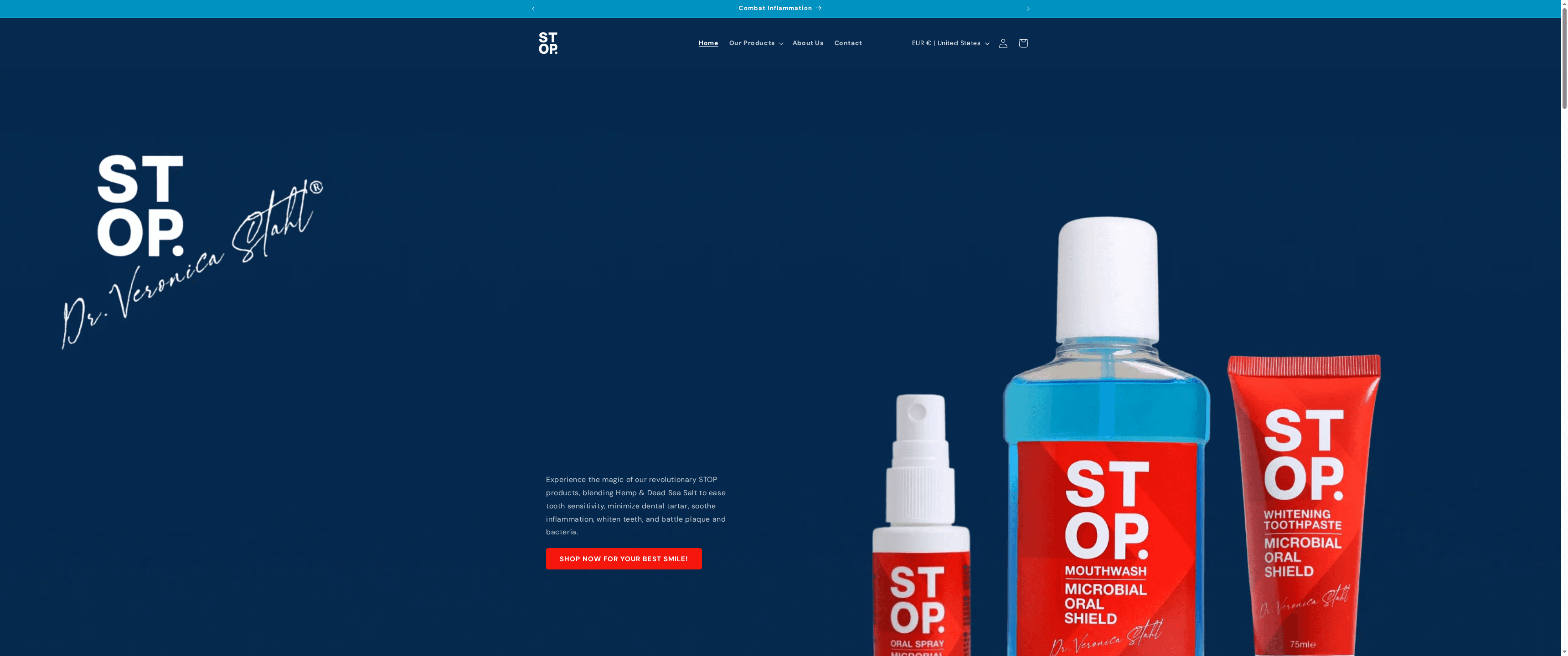
The platform features innovative fluoride-free solutions formulated with hemp and Dead Sea minerals, designed to support remineralization, biofilm control, and gingival health. For readers who want to extend their knowledge before selecting products, the in-depth dental hygiene guide provides additional evidence-based context on fluoride-free protocols and ingredient science.
Frequently asked questions
Is fluoride-free dental care safe and effective?
When applied consistently with appropriate tools, fluoride-free routines demonstrate measurable clinical efficacy. Evidence confirms that oil pulling reduces gingivitis and plaque comparably to chlorhexidine in short-term controlled studies.
What are the best alternatives to fluoride in natural dental care?
The most evidence-supported alternatives include hydroxyapatite toothpaste, miswak sticks, oil pulling, and herbal powders. Research shows that HAP inactivates 75% of active carious lesions in children, approaching the efficacy of fluoride-based interventions.
How long does it take to see results with fluoride-free routines?
Most individuals observe measurable reductions in plaque accumulation and gingival bleeding within two to four weeks. Consistent daily practice is the primary variable determining the speed of observable improvement, as confirmed by short-term oil pulling research.
Are there side effects to be aware of with natural dental methods?
Certain natural agents, particularly activated charcoal and clay powders, carry abrasive risk if used daily. Always introduce new products gradually and monitor for increased sensitivity or gingival irritation before continuing.
Recommended
- Fluoride-free dental care workflow: natural guide 2026 – Stop Oral Care
- Step-by-Step Guide to Fluoride-Free Dental Hygiene Success – Stop Oral Care
- How to Switch to Fluoride-Free Dental Care Naturally – Stop Oral Care
- Natural oral health benefits: fluoride-free care guide – Stop Oral Care
- How to Avoid Tooth Loss Naturally: A Step-by-Step Guide | Paynless