

More people are questioning whether fluoride belongs in their oral care routine. You want a natural approach that protects your teeth without compromising safety or effectiveness. The good news is that emerging science supports viable alternatives when you follow a structured workflow. This guide walks you through a proven step-by-step system for fluoride-free dental care in 2026, from selecting the right products to troubleshooting common challenges, so you can maintain excellent oral health naturally.
Table of Contents
- Understanding The Need For A Fluoride-Free Dental Care Workflow
- Preparing Your Fluoride-Free Dental Care Toolkit
- Step-By-Step Fluoride-Free Dental Care Workflow Execution
- Monitoring Progress And Troubleshooting Common Fluoride-Free Dental Care Challenges
- Explore Natural Oral Care Solutions At Stop Oral Care
- Frequently Asked Questions
Key takeaways
| Point | Details |
|---|---|
| Fluoride-free care works with the right approach | Emerging biomimetic science supports alternatives when you choose products carefully and maintain consistent routines |
| Your toolkit matters more than ever | Select toothpaste with safe, effective ingredients plus essential tools like soft-bristled brushes and floss for complete care |
| Follow a structured daily workflow | Brush twice daily with proper technique, floss thoroughly, and consider oil pulling as a supplement, not a replacement |
| Monitor and adjust your routine | Track improvements like reduced sensitivity, address challenges early, and consult your dentist for personalized guidance |
| Professional input enhances results | Regular dental visits ensure your fluoride-free approach matches your specific oral health needs and risk factors |
Understanding the need for a fluoride-free dental care workflow
You might be reconsidering fluoride for several valid reasons. Concerns about ingredient transparency and long-term safety drive many health-conscious individuals to explore natural alternatives. The question isn’t whether fluoride works, it’s whether you need it and what options exist when you choose a different path.
Risk mitigation starts with understanding that fluoride-free care is viable when you select products backed by emerging biomimetic science. These formulations support enamel health through natural mineral remineralization rather than traditional fluoride mechanisms. The key difference is that you need a more deliberate, systematic approach to maintain oral hygiene without fluoride’s protective effects.
A structured workflow becomes essential because natural alternatives require consistent application and proper technique. You can’t simply swap products and expect identical results. Your routine must compensate through thoroughness, frequency, and attention to detail.
Consulting with dental professionals personalizes your approach and ensures effectiveness. Your dentist can assess your cavity risk, evaluate your current oral health, and recommend specific adjustments to your fluoride-free routine. This collaboration bridges the gap between natural preferences and clinical outcomes.
Natural alternatives offer genuine benefits when you understand both their strengths and limitations:
- Biomimetic ingredients like hydroxyapatite mimic natural enamel structure for remineralization
- Plant-based antimicrobials reduce harmful bacteria without harsh chemicals
- Mineral-rich formulations from sources like Dead Sea salt provide trace elements for gum health
- Natural abrasives clean effectively without damaging enamel when used correctly
The transition to fluoride-free care requires education and commitment. You need to learn proper brushing technique, understand which ingredients actually work, and recognize when professional intervention is necessary. When you switch to fluoride-free dental care, you’re taking control of your oral health with informed choices rather than default options.
Preparing your fluoride-free dental care toolkit
Your success with natural dental care starts before you brush. Gathering the right products and tools creates a foundation for effective oral hygiene without fluoride. Think of this as assembling a personalized care system rather than just buying toothpaste.
Essential fluoride-free toothpaste should contain ingredients that actively support enamel protection. Look for formulations with hydroxyapatite, xylitol, or calcium phosphate compounds that promote remineralization. These biomimetic ingredients work by supplying the same minerals your teeth use naturally to repair microscopic damage. When choosing fluoride-free toothpaste, verify that the product has been tested for safety and effectiveness rather than relying on marketing claims alone.
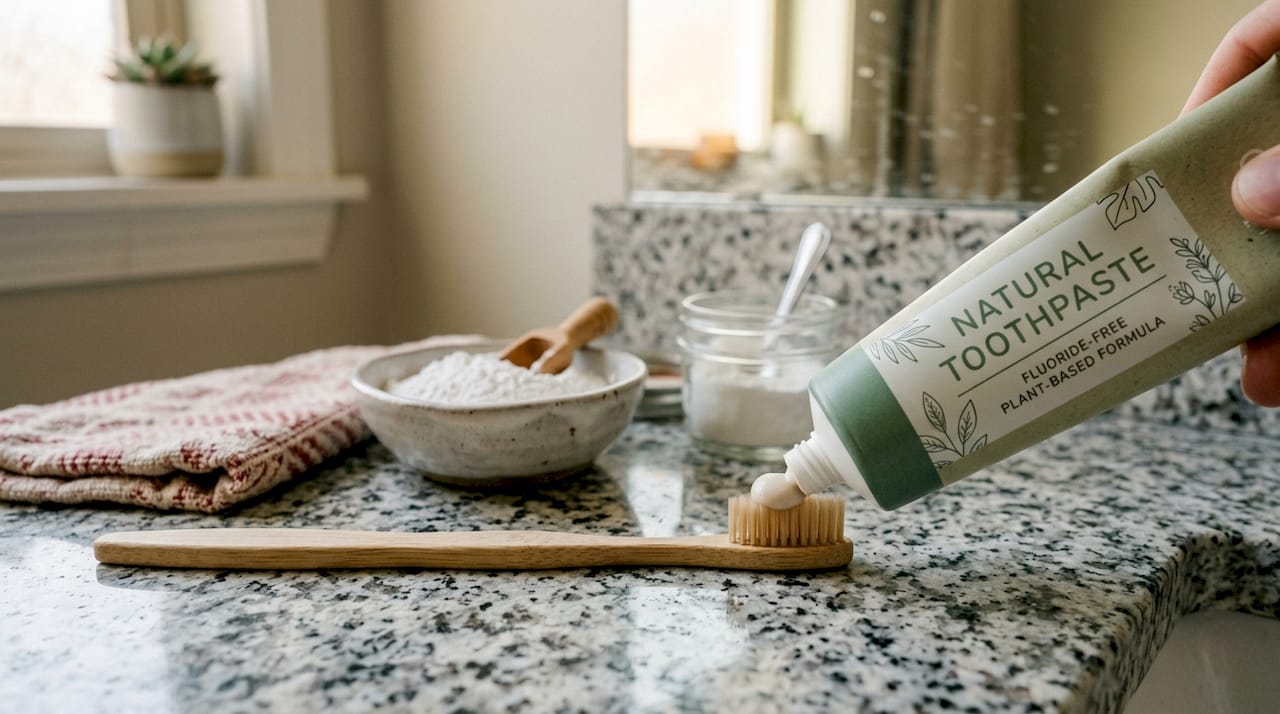
Supplementary tools complete your arsenal for comprehensive oral care. A soft-bristled toothbrush protects your gums and enamel from mechanical damage while still removing plaque effectively. Dental floss reaches the 40% of tooth surfaces your brush can’t access. A tongue scraper removes bacteria that cause bad breath and contribute to plaque formation.
Natural adjuncts like oil pulling can reduce plaque buildup when used correctly. Swishing coconut or sesame oil for 10 to 15 minutes may decrease harmful bacteria, but this practice should complement rather than replace your core routine. The evidence supports oil pulling as a supplementary technique, not a standalone solution.
Pro Tip: Avoid toothpaste with sodium lauryl sulfate and harsh surfactants that can irritate sensitive mouths and mask underlying oral health issues with excessive foaming.
Here’s what your complete toolkit should include:
| Product/Tool | Primary Role | Safety Notes |
|---|---|---|
| Fluoride-free toothpaste | Cleans teeth and supports remineralization | Choose formulas with proven biomimetic ingredients |
| Soft-bristled toothbrush | Removes plaque without damaging enamel | Replace every 3 months or when bristles fray |
| Dental floss | Cleans between teeth and below gumline | Use waxed or unwaxed based on tooth spacing |
| Tongue scraper | Removes bacteria from tongue surface | Clean after each use to prevent bacterial growth |
| Natural mouthwash | Reduces bacteria and freshens breath | Avoid alcohol-based formulas that dry mouth tissue |
| Oil for pulling | Supplementary plaque reduction | Use organic, cold-pressed oils for best results |
Select products that align with your specific oral health needs. If you have sensitive teeth, prioritize gentler formulations with potassium nitrate or similar soothing agents. For gum health, seek ingredients like tea tree oil or aloe vera that reduce inflammation naturally.
Step-by-step fluoride-free dental care workflow execution
Implementing your daily routine with precision makes the difference between adequate and excellent oral health. This workflow optimizes natural dental care through proper sequencing and technique. Follow these steps consistently to maintain hygiene standards without fluoride.
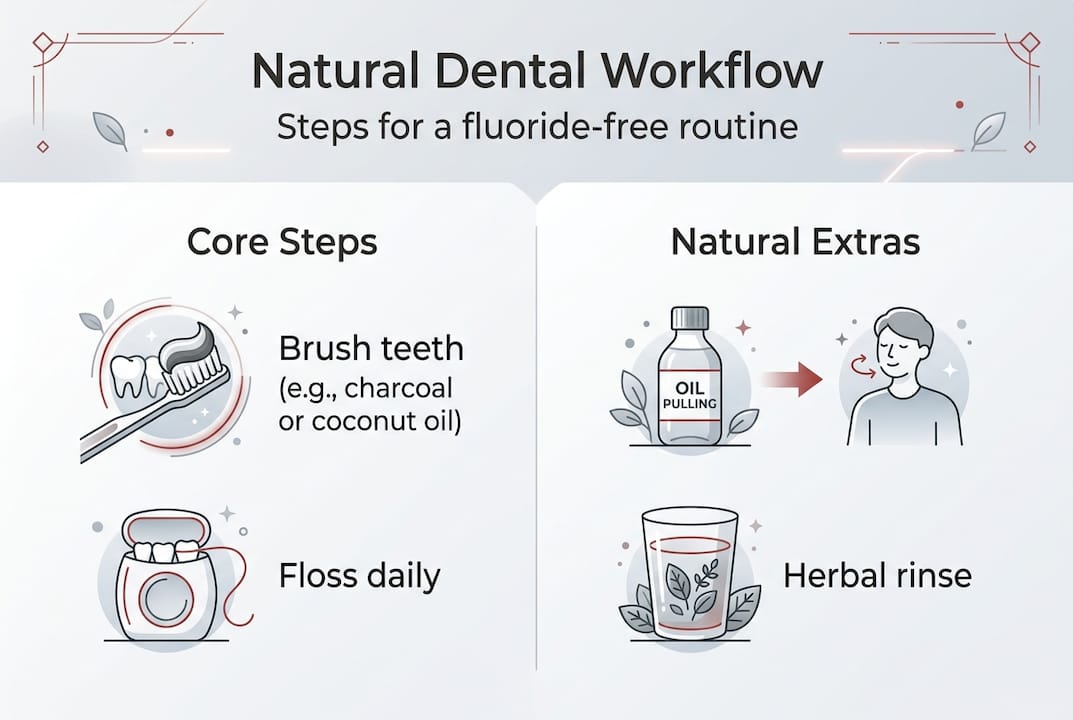
Start your morning and evening routine with proper preparation. Wait at least 30 minutes after eating before brushing to avoid damaging softened enamel from acidic foods. Wet your toothbrush with water, then apply a pea-sized amount of fluoride-free toothpaste.
Brush using the correct technique for two full minutes:
- Hold your brush at a 45-degree angle to your gumline
- Use gentle circular motions rather than aggressive back-and-forth scrubbing
- Cover all surfaces: outer, inner, and chewing surfaces of each tooth
- Brush your tongue from back to front to remove bacteria
- Spit out the toothpaste but avoid rinsing immediately to let active ingredients work
Floss thoroughly between all teeth once daily, preferably before bedtime. Curve the floss around each tooth in a C-shape and slide it gently beneath the gumline. This removes plaque and food particles that brushing misses. Many people skip this step, but it’s critical for preventing gum disease and cavities between teeth.
Clean your tongue using a scraper or your toothbrush. Start at the back and pull forward with gentle pressure. This removes the bacterial coating that causes bad breath and contributes to plaque formation. Rinse the scraper between strokes.
Consider oil pulling as an optional morning practice before brushing. Take one tablespoon of coconut oil and swish it through your teeth for 10 to 15 minutes. Oil pulling reduces plaque and gingivitis in small trials, though it lacks strong evidence as a standalone treatment. Spit the oil into the trash, not your sink, to avoid plumbing issues.
Consistency matters more than perfection. A simple routine performed daily outperforms an elaborate system you only follow occasionally.
Rinse with natural mouthwash if desired, but this step is optional. Many fluoride-free users find that proper brushing and flossing eliminate the need for additional rinsing. If you choose mouthwash, select alcohol-free formulations that won’t dry out your mouth tissue.
Pro Tip: Use gentle circular motions and avoid aggressive brushing to protect enamel. Harder pressure doesn’t clean better and can actually cause gum recession and enamel erosion over time.
Timing optimization enhances your results. Brush in the morning after breakfast and at night before bed. This schedule removes plaque twice daily when bacterial activity peaks. If you consume acidic foods or beverages during the day, rinse with water immediately but wait to brush.
Maintain your tools properly to prevent bacterial contamination. Rinse your toothbrush thoroughly after each use and store it upright to air dry. Replace it every three months or sooner if bristles become frayed. Clean your tongue scraper with soap and water after each use.
This systematic approach to fluoride-free dental hygiene builds habits that protect your oral health naturally. The workflow becomes automatic with practice, requiring no more time than conventional routines while delivering results you can verify at your next dental checkup. Remember to review this dental care checklist periodically to ensure you’re covering all essential steps.
Monitoring progress and troubleshooting common fluoride-free dental care challenges
Tracking your results helps you verify that your natural approach is working. You need concrete indicators to measure success and identify problems early. Regular self-assessment combined with professional evaluations ensures your fluoride-free routine maintains optimal oral health.
Track these key improvements as signs your workflow is effective:
- Reduced tooth sensitivity to hot, cold, or sweet foods
- Decreased plaque buildup visible on tooth surfaces
- Healthier gum color and reduced bleeding during flossing
- Fresher breath that lasts throughout the day
- Smooth tooth surfaces without rough or chalky areas
Common challenges can emerge during your transition to fluoride-free care. Enamel weakening may occur if your product selection lacks effective remineralizing ingredients. Plaque buildup can increase if your technique needs refinement. Bad breath might persist if you’re not cleaning your tongue thoroughly or if you have underlying gum issues.
Here’s how to address typical problems:
| Challenge | Possible Cause | Solution |
|---|---|---|
| Increased sensitivity | Inadequate remineralization support | Switch to toothpaste with hydroxyapatite or calcium compounds |
| Plaque accumulation | Insufficient brushing time or technique | Extend brushing to full 2 minutes with proper circular motions |
| Gum inflammation | Inadequate flossing or bacterial buildup | Floss daily and consider adding antimicrobial natural mouthwash |
| Persistent bad breath | Tongue bacteria or dry mouth | Use tongue scraper twice daily and increase water intake |
| Rough tooth surfaces | Enamel demineralization | Consult dentist and verify product contains biomimetic ingredients |
Document your oral health changes in a simple log. Note any sensitivity, bleeding, or visual changes you observe. This record helps your dentist understand your progress and make informed recommendations. Fluoride-free toothpaste can be effective with biomimetic ingredients for low-risk users, but professional monitoring ensures you’re not developing problems.
Schedule dental checkups every six months at minimum. Your dentist can detect early cavities, assess gum health, and measure plaque levels objectively. These visits provide opportunities to adjust your routine based on clinical findings rather than guesswork. Professional cleanings remove hardened tartar that home care can’t eliminate.
Pro Tip: Document changes in a notes app or journal and consult your dentist early if concerns arise. Early intervention prevents minor issues from becoming major problems.
If you notice declining oral health despite consistent effort, reassess your product choices and technique. Some individuals have higher cavity risk due to genetics, diet, or medical conditions. Your dentist might recommend additional protective measures or adjustments to your fluoride-free approach. Understanding fluoride-free toothpaste effectiveness for your specific situation helps you make informed decisions.
Diet plays a crucial role in natural dental care success. Limit sugary and acidic foods that promote decay. Eat calcium-rich foods that support enamel health. Drink water throughout the day to maintain saliva flow, which naturally protects your teeth.
Your fluoride-free routine should evolve based on results. What works initially might need adjustment as your oral health changes or as new products become available. Stay informed about emerging research on natural dental care ingredients and techniques. Flexibility combined with consistency gives you the best outcomes.
Explore natural oral care solutions at Stop Oral Care
You’ve learned the complete workflow for effective fluoride-free dental care. Now you need reliable products and expert guidance to support your natural oral health journey. Stop Oral Care specializes in carefully selected fluoride-free dental care products formulated with hemp and Dead Sea minerals that prioritize both safety and scientific backing.
The platform offers more than just products. You’ll find comprehensive guides that help you switch to fluoride-free dental care with confidence and detailed resources for choosing the right fluoride-free toothpaste for your specific needs. Each product is developed under the expertise of Dr. Veronica Stahl, combining natural ingredients with evidence-based formulations.
Whether you’re just starting your fluoride-free journey or refining an established routine, Stop Oral Care provides the quality resources and community support you need. Explore the collection today and discover how natural oral care solutions can fit seamlessly into your daily workflow while maintaining the high standards you expect for your health.
Frequently asked questions
What is a fluoride-free dental care workflow?
A fluoride-free dental care workflow is a structured oral hygiene routine that maintains healthy teeth and gums without using fluoride-containing products. It includes proper brushing technique with biomimetic toothpaste, thorough flossing, tongue cleaning, and optional practices like oil pulling. The workflow emphasizes consistent application of natural alternatives backed by emerging science to achieve results comparable to conventional care for appropriate candidates.
Is fluoride-free toothpaste as effective as fluoride toothpaste?
Fluoride-free toothpaste can be effective for low-risk users when formulated with biomimetic ingredients like hydroxyapatite that support enamel remineralization. Effectiveness depends on your individual cavity risk, product quality, and routine consistency. Consult your dentist to determine if fluoride-free options match your specific oral health needs and risk factors.
Can oil pulling replace brushing in a fluoride-free routine?
No, oil pulling reduces plaque and gingivitis as an adjunctive practice but cannot replace daily brushing and flossing. Small trials show benefits for bacterial reduction, but oil pulling lacks the mechanical action needed to remove plaque thoroughly. Use it as a supplement to your core routine, not as a substitute for proper brushing technique.
How do I know if fluoride-free dental care is right for me?
Consult your dentist for personalized guidance before switching to fluoride-free care to ensure the approach matches your oral health needs. Consider your cavity history, current oral health status, diet, and genetic risk factors. Low-risk individuals with excellent oral hygiene habits and regular dental visits are typically better candidates for fluoride-free options than those with active decay or high cavity risk.
How long does it take to see results from fluoride-free dental care?
Most people notice improvements in gum health and breath freshness within two to four weeks of consistent fluoride-free care. Enamel remineralization and reduced sensitivity may take two to three months to become apparent. Results vary based on your starting oral health, product quality, and routine adherence. Schedule a dental checkup after three months to verify your approach is maintaining or improving your oral health objectively.