

Try cold fluids, ice chips, and sugarless gum first, and stop any mint, cinnamon, or alcohol-based oral products immediately. If burning persists for some time, see a dentist or physician for blood work and an oral exam, because some causes of burning mouth syndrome, including vitamin deficiencies and infections, are fully treatable once identified.
TL;DR:
- Using cold fluids, ice chips, and sugarless gum can temporarily increase saliva and provide relief during a burning mouth flare, with no strict limit on frequency.
- Avoiding known irritants such as alcohol, mint, cinnamon, and acidic foods may significantly reduce burning symptoms, especially when combined with saliva substitutes and symptom tracking.
- Blood tests for vitamin deficiencies, infections, and medication side effects are essential to identify treatable secondary causes before diagnosing primary burning mouth syndrome.
- Treatments like topical clonazepam, capsaicin, and low-level laser therapy have evidence of short-term benefit, but responses vary and often require trial-and-error adjustments over weeks.
- Natural remedies, such as B vitamin supplementation and alpha-lipoic acid, may help if deficiencies are present, but self-medicating with high-dose minerals without testing is risky and generally ineffective.
Table of Contents
- Burning Mouth Syndrome Remedies You Can Try Today
- When Should You See a Doctor About Burning Mouth?
- What Medical Treatments Work for Burning Mouth Syndrome?
- Do Natural Remedies and Supplements Help Burning Mouth?
- Can Therapy and Relaxation Techniques Reduce Burning Mouth Pain?
- Which Oral Care Products Should You Avoid or Choose?
- How Mild, Natural Oral Care Fits Into a Burning Mouth Treatment Plan
- A Clinician’s Checklist for Managing Burning Mouth Syndrome
- Try Gentler Daily Oral Care Alongside Your Treatment Plan
- Sources
Burning Mouth Syndrome Remedies You Can Try Today
The fastest relief comes from cooling and moisturizing the mouth, not from any single medication. Clinical guidance from the Mayo Clinic lists sipping cold drinks, sucking ice chips, and chewing sugarless gum as first-line self-help measures, and they work because they increase saliva flow and physically cool inflamed tissue. None of this cures burning mouth syndrome, but it buys comfort while you sort out the cause.
Cold fluids and ice chips. Sip cold water or unsweetened, non-acidic drinks throughout the day rather than gulping one large glass. Ice chips held against the tongue or the roof of the mouth for a few minutes at a time work well during a flare, and there’s no meaningful limit on frequency as long as you’re not damaging tooth enamel with excessive cold exposure or skipping meals to keep ice in your mouth.
Sugarless gum. Chewing mechanically stimulates the salivary glands, which matters because burning mouth syndrome often overlaps with dry mouth. Look for gum sweetened with xylitol rather than mint-heavy flavors, since strong mint compounds are a common irritant for people with this condition.

Saliva substitutes. For persistent dryness between meals, over-the-counter saliva substitutes containing carboxymethylcellulose or hydroxyethylcellulose can coat oral tissue longer than water alone. Apply them before meals or before bed, when dryness tends to spike, and pair them with a humidifier at night if you wake up with a drier, more painful mouth than you fell asleep with.
Avoiding known irritants matters as much as any product you add. Spicy foods, acidic items like citrus and tomato, alcohol (including in mouthwash), mint, and cinnamon all provoke burning in a large share of patients, according to the same Mayo Clinic guidance. Cutting these out temporarily is a low-risk experiment that often shows results before any clinical treatment even starts.
A few habits worth adopting right away:
- Sip cold, non-acidic beverages every hour rather than a few large glasses per day.
- Switch to xylitol gum instead of mint or cinnamon-flavored varieties.
- Apply a saliva substitute before meals if dryness triggers your burning.
- Eliminate alcohol-based mouthwash, citrus, tomato-based sauces, and carbonated drinks for a two-week trial.
- Keep a daily symptom diary noting time of day, foods eaten, and pain intensity on a simple 0 to 10 scale.
That last habit deserves more attention than it usually gets. Burning mouth syndrome frequently follows a cycle, often mild in the morning and worse by evening, and tracking it for even ten days can reveal a dietary or timing pattern you’d otherwise miss.
Pro Tip: Write your symptom diary entries at the same three times each day, morning, midday, and before bed, so you’re comparing similar conditions instead of random snapshots. Patterns show up faster when the data points are consistent.
When Should You See a Doctor About Burning Mouth?
See a provider if burning lasts more than two to three weeks, if you notice white patches, sores, or swelling anywhere in your mouth, or if the burning is confined to one side, since unilateral symptoms sometimes point to a nerve issue rather than classic burning mouth syndrome. Sudden unexplained weight loss alongside oral burning also warrants faster evaluation.
The distinction between primary and secondary burning mouth syndrome is the single most important thing your provider will determine, because it changes the entire treatment plan. Primary (idiopathic) burning mouth syndrome has no identifiable local or systemic cause and is thought to involve nerve signaling changes. Secondary burning mouth syndrome results from something specific, and specific problems can often be fixed.
Common secondary causes include:
- Nutritional deficiencies, particularly low B12, folate, or iron, which show up on routine blood work.
- Oral infections, most often oral candidiasis (thrush), identified through a simple swab or culture.
- Medication side effects, especially from ACE inhibitors and certain antidepressants that reduce saliva production.
- Hormonal changes, commonly seen around menopause, which alter oral tissue sensitivity.
- Undiagnosed acid reflux, which can chemically irritate the tongue and throat without classic heartburn symptoms.
Because these secondary causes are treatable, ruling them out is standard practice before anyone lands on a primary burning mouth syndrome diagnosis. The NIDCR notes that diagnosis by exclusion typically involves a blood panel checking B12, folate, iron, fasting glucose, and thyroid function, alongside an oral swab or, occasionally, a biopsy if a lesion looks suspicious. A full medication review is part of this workup too, since so many common prescriptions list dry mouth as a side effect.
Before your appointment, bring three things: a complete list of medications and supplements (including anything over-the-counter), your symptom diary showing when burning started and how it’s changed, and a rough timeline of any dietary or health changes in the months before symptoms began. Providers move faster and order more targeted tests when they don’t have to reconstruct your history from memory during a fifteen-minute visit.
Differential diagnosis matters here too. Oral candidiasis often produces visible white plaques, which burning mouth syndrome typically does not. Oral lichen planus tends to show lace-like white patches or open sores on the inside of the cheeks. If your provider sees any of these, treatment shifts toward the specific condition rather than generic burning mouth management, and symptoms usually improve once that condition is addressed directly.
What Medical Treatments Work for Burning Mouth Syndrome?
No single drug cures burning mouth syndrome, but several have real evidence behind them, and a systematic review of treatment approaches found multiple modalities producing favorable outcomes in both short and longer-term follow-up. The honest picture is that this is trial-and-error medicine guided by evidence, not a one-shot fix.
Topical clonazepam is often tried first among prescription options. Patients dissolve a tablet in the mouth for a few minutes, several times a day, without swallowing it, which limits systemic absorption while still calming the burning sensation locally. It works for a meaningful subset of patients, but relapse after stopping is common, and some people need to stay on a maintenance routine longer than they’d like.
Capsaicin, applied topically or occasionally taken systemically, works on the same nerve receptors responsible for the burning sensation. Trials summarized in the NCBI Bookshelf review show real symptom improvement, but there’s a catch: capsaicin often increases burning temporarily on application before any relief sets in, and oral capsaicin can cause stomach upset. Tolerability, not effectiveness, is usually what limits its use.
Systemic options cover a wider net:
- Low-dose oral clonazepam, for patients who don’t respond to the topical version.
- Tricyclic antidepressants and SSRIs, which modulate pain perception even in patients without depression.
- Gabapentin, borrowed from neuropathic pain treatment, typically requiring several weeks before benefits show up.
Here’s the tradeoff clinicians have to navigate carefully. Many of these systemic drugs for neuropathic pain can worsen dry mouth, which means a medication meant to calm the burning sensation might simultaneously dry out the tissue that’s already inflamed. This is why treatment plans get adjusted over weeks, not days, and why your provider will likely check in more than once before declaring a medication a success or failure.
Evidence snapshot: The same systematic review that identified clonazepam and capsaicin as effective also flagged CBT and low-level laser therapy as showing supportive results, though the overall evidence base remains limited by small trial sizes and inconsistent protocols across studies.
Low-level laser therapy has emerged as a non-drug clinic option. The proposed mechanism involves modulating peripheral nerve depolarization and inflammatory mediators in the affected tissue, but standardization of laser parameters (wavelength, dose, session frequency) is still lacking, which makes comparing trial results difficult. It’s promising, not proven, and it’s usually offered as an adjunct rather than a stand-alone fix.
Clinicians generally combine approaches rather than betting on one drug. A common pattern looks like topical clonazepam plus a dietary irritant elimination trial, with CBT or low-level laser added if response is partial. Side effects get monitored at each follow-up, particularly dry mouth from systemic medications, since that can quietly undo the benefit of any topical treatment layered on top.
Do Natural Remedies and Supplements Help Burning Mouth?
Correcting an underlying vitamin or mineral deficiency can fully resolve burning mouth syndrome in some patients, which makes testing before supplementing worth the extra step. That’s a meaningfully different message than “take supplements for burning mouth,” and the distinction matters for anyone tempted to self-treat with high-dose vitamins.
Alpha-lipoic acid has the most research behind it among natural compounds. It’s an antioxidant thought to support nerve function, and it appears in the same systematic review that evaluated clonazepam and capsaicin as showing supportive evidence for burning mouth relief. Trial doses have generally ranged in the hundreds of milligrams daily, split across two or three doses, and tolerability has been favorable, though gastrointestinal upset is the most commonly reported issue.
B vitamins and minerals are where the deficiency correction story gets compelling. One report on targeted supplementation found that addressing low B12, folic acid, and mineral levels led to complete symptom resolution in some patients, apparently by lowering homocysteine and raising hemoglobin levels. This isn’t a case for blindly taking a B-complex supplement. It’s a case for testing first, since supplementing a nutrient you’re not actually deficient in won’t reproduce these results and can, in the case of some minerals, cause its own problems at high doses.
Nutrients worth discussing with a provider based on blood work:
- Vitamin B12 and folate, both linked to nerve health and commonly low in people with unexplained oral burning.
- Vitamin B1, B2, and B6, part of the same nutritional pathway affecting oral tissue and nerve function.
- Iron, since anemia produces oral symptoms that mimic primary burning mouth syndrome.
- Zinc, occasionally low in patients with taste disturbances alongside burning.
Topical natural applications have a smaller but real evidence base. Aloe vera gel and honey have both shown limited but promising results in trials and case reports, and because they’re low risk when applied to intact oral tissue, they’re reasonable to try as an adjunct alongside whatever else you’re doing. Neither is going to outperform a properly dosed prescription for someone with severe symptoms, but for mild to moderate burning, they cost little and carry minimal downside. You can find more detail on natural rinse options in this guide to natural mouthwash remedies backed by science.
A safety note that gets skipped too often: don’t self-medicate with high-dose minerals, particularly zinc or iron, without blood work confirming a deficiency. Excess iron and zinc both carry their own toxicity risks, and megadosing “just in case” can create new problems while doing nothing for your burning.
Can Therapy and Relaxation Techniques Reduce Burning Mouth Pain?
Cognitive behavioral therapy and relaxation training reduce the perceived intensity of burning mouth syndrome for many patients, even though they don’t address any underlying nerve mechanism directly. That’s not a minor point. Chronic pain conditions, burning mouth syndrome included, are shaped heavily by how the nervous system processes and anticipates pain, and CBT targets exactly that loop.
CBT for burning mouth typically runs six to twelve sessions and focuses on two things: relaxation training and cognitive restructuring around pain catastrophizing, the tendency to expect the worst every time symptoms flare. Behavioral studies referenced in the same systematic review covering drug treatments found CBT beneficial enough to be recommended as part of multidisciplinary management rather than a fallback option.
A few steps worth trying between now and any formal therapy referral:
- Practice focused breathing for five minutes during a flare, inhaling for four counts and exhaling for six, to down-regulate the stress response that amplifies pain.
- Try progressive muscle relaxation before bed, since nighttime tension in the jaw and tongue often worsens next-day symptoms.
- Schedule short breaks from known triggers, meaning don’t power through a meal or conversation that consistently spikes your burning.
- Track whether tongue thrusting or clenching habits coincide with flares, since oral habit management sometimes reduces mechanical irritation on top of nerve-related pain.
Dental appliances can help when tongue hyperactivity or clenching is a contributing factor, and a dentist can assess whether a night guard or similar device is appropriate for your specific pattern.
Pro Tip: Pair relaxation practice with your symptom diary. Note your stress level alongside your pain score each day. Many patients discover their worst flares cluster on high-stress days, not high-irritant days, which changes where they focus their energy.
Set realistic expectations. Combined therapy, meaning a mix of medical and behavioral approaches, tends to outperform any single intervention, but relief is usually gradual over weeks, not immediate.
Which Oral Care Products Should You Avoid or Choose?
Alcohol, mint, and cinnamon are the three most common irritant categories in standard toothpaste and mouthwash, and switching to flavor-free or ultra-mild formulas often reduces daily irritation without any prescription involved. Clinical guidance from the Mayo Clinic specifically flags these ingredient classes, and plenty of patient reports back it up anecdotally.
Alcohol in mouthwash dries and dehydrates oral tissue on contact, which is exactly the wrong effect for a mouth that’s already inflamed and often already dry. Strong mint oils and cinnamon flavoring compounds are chemically irritating to sensitized nerve endings in a way that a mild or unflavored product simply isn’t. If you’ve noticed burning spikes right after brushing or rinsing, the product itself is a reasonable first suspect. This pattern is common enough that it’s worth reading through what’s actually causing that burning sensation from mouthwash and separately, why toothpaste itself can trigger the same reaction.
What to look for when choosing a replacement:
- Alcohol-free formulation, checked on the label since “mouthwash” doesn’t guarantee this.
- Neutral pH, since acidic formulas can compound the irritation from acidic foods you’re already avoiding.
- Minimal or no essential oils, particularly avoiding concentrated mint or cinnamon derivatives.
- Unflavored or very mildly flavored options, especially during an active flare.
Saliva substitutes and saliva stimulants solve different problems, and mixing them up wastes effort. Stimulants, like sugarless gum, work when your glands can still produce saliva but need a prompt. Substitutes work when dryness is severe enough that stimulation alone isn’t cutting it. Many patients use stimulants during the day and a substitute gel or spray before bed, when salivary flow naturally drops and dryness peaks. For a closer look at alcohol-free rinse options specifically, this roundup of alcohol-free mouthwash picks for dry mouth covers several formulations worth comparing.
Product changes alone are often enough for mild cases, particularly when the burning correlates clearly with brushing or rinsing in your symptom diary. But if you’ve swapped products, cut dietary irritants, and stimulated saliva for two to three weeks with no meaningful change, that’s your signal to pursue the clinical workup described earlier rather than continuing to experiment with over-the-counter changes indefinitely.
How Mild, Natural Oral Care Fits Into a Burning Mouth Treatment Plan
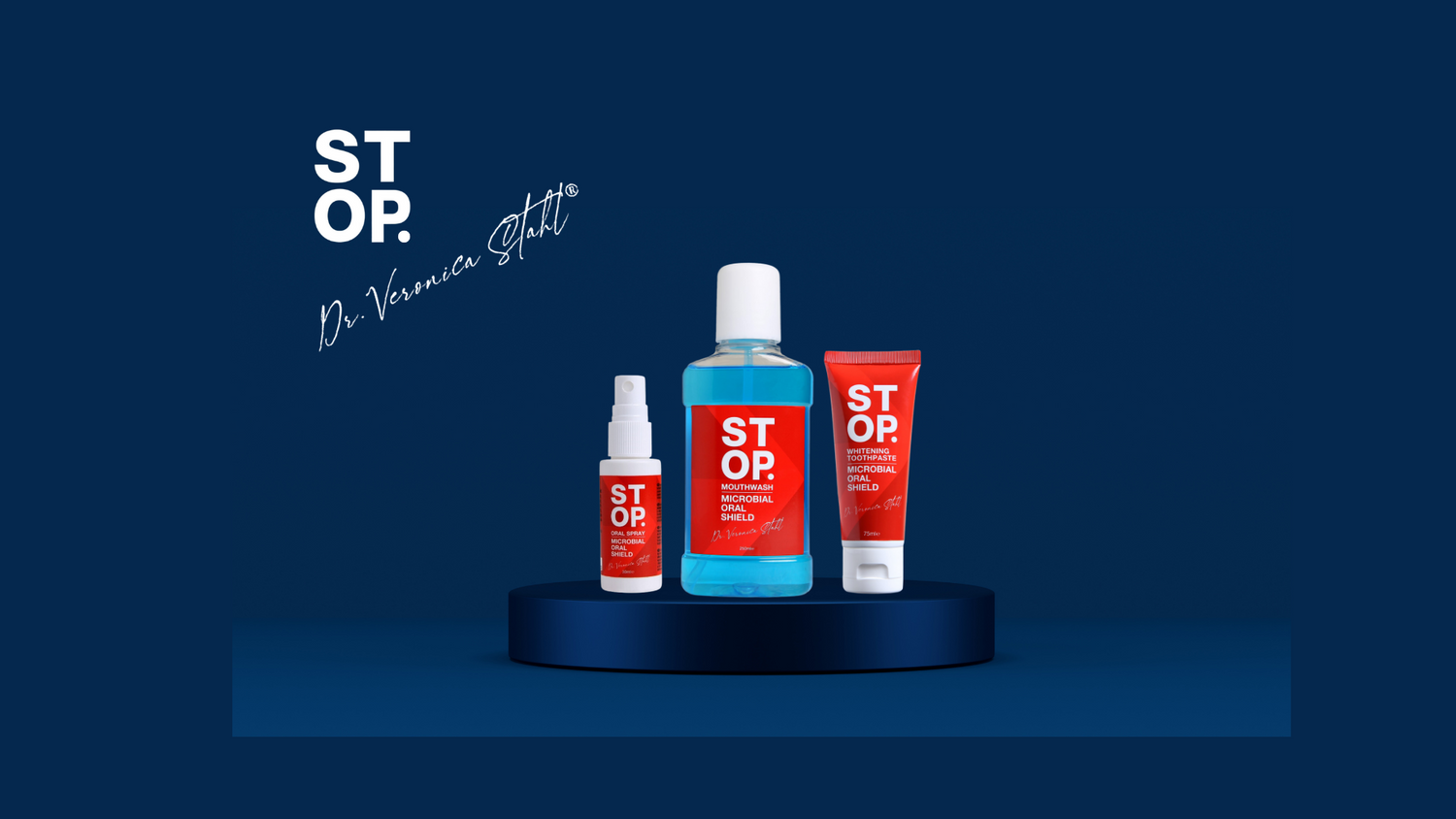
Formulations matter more for burning mouth syndrome than for almost any other oral condition, because the mouth is already sensitized and reacting to ingredients that a healthy mouth would tolerate without issue. Stop-oralcare’s fluoride-free line, formulated with hemp extract and Dead Sea minerals, was built around this principle: reduce daily irritation from the products themselves rather than adding another chemical variable to an already inflamed mouth.
“The mouth doesn’t need more intensity when it’s already burning. It needs formulations that support tissue health without the alcohol, strong flavoring agents, or fluoride that can compound sensitivity in a reactive mouth.” This is the guiding principle behind Dr. Veronica Stahl’s approach to formulating gentler daily oral care for sensitive and reactive mouths.
Practically, that means using a fluoride-free, alcohol-free toothpaste and mouthwash as your daily baseline while you work through the diagnostic and treatment steps covered above. If your provider schedules an oral culture or biopsy, mention any topical products you’re using regularly, since some ingredients can theoretically affect test readings, and pausing for a day or two before testing is a reasonable precaution to discuss with your clinician.
Mild oral-care products are an adjunct, not a substitute for medical evaluation. If your burning has lasted more than a few weeks, or if you notice lesions, weight loss, or one-sided symptoms, product swaps should run alongside a clinical workup, not instead of one. Addressing a genuine secondary cause, whether it’s a deficiency, an infection, or a medication effect, will do more for your symptoms than any toothpaste ever could.
A Clinician’s Checklist for Managing Burning Mouth Syndrome
Start with the basics before anything else: cold fluids throughout the day, a switch to a gentle, alcohol-free toothpaste, and a symptom diary tracking pain by time of day. These three cost nothing, carry no risk, and often produce visible patterns within a week.
If symptoms persist past two to three weeks, book an appointment and bring three things: your full medication and supplement list, your symptom diary, and notes on any recent diet or health changes. That preparation alone often shortens the diagnostic process by an entire visit, because your provider isn’t reconstructing your history from scratch.
Expect this to be iterative. Burning mouth syndrome, particularly the primary form, rarely resolves with one intervention. Most patients cycle through a combination of dietary changes, targeted testing, and, if needed, medication or CBT before landing on what actually works for them. That’s not a failure of treatment. It’s how a condition with multiple possible mechanisms gets managed responsibly. Follow-up matters as much as the first visit, since response to any treatment, topical or systemic, needs reassessment at four to eight weeks, not judged after a few days.
Reducing alcohol intake and stopping smoking also deserve a place on this list. Both are established irritants to oral tissue, and patients who cut back frequently report a meaningful drop in daily burning intensity within weeks.
Try Gentler Daily Oral Care Alongside Your Treatment Plan
There are fluoride-free toothpaste, alcohol-free mouthwash, and oral sprays formulated to avoid harsh flavoring agents and drying alcohol content that can trigger flares in sensitive mouths. Where a typical drugstore rinse leans on mint intensity and alcohol for a “clean” feeling, some formulas are designed around the opposite goal: calm tissue support without added irritation.
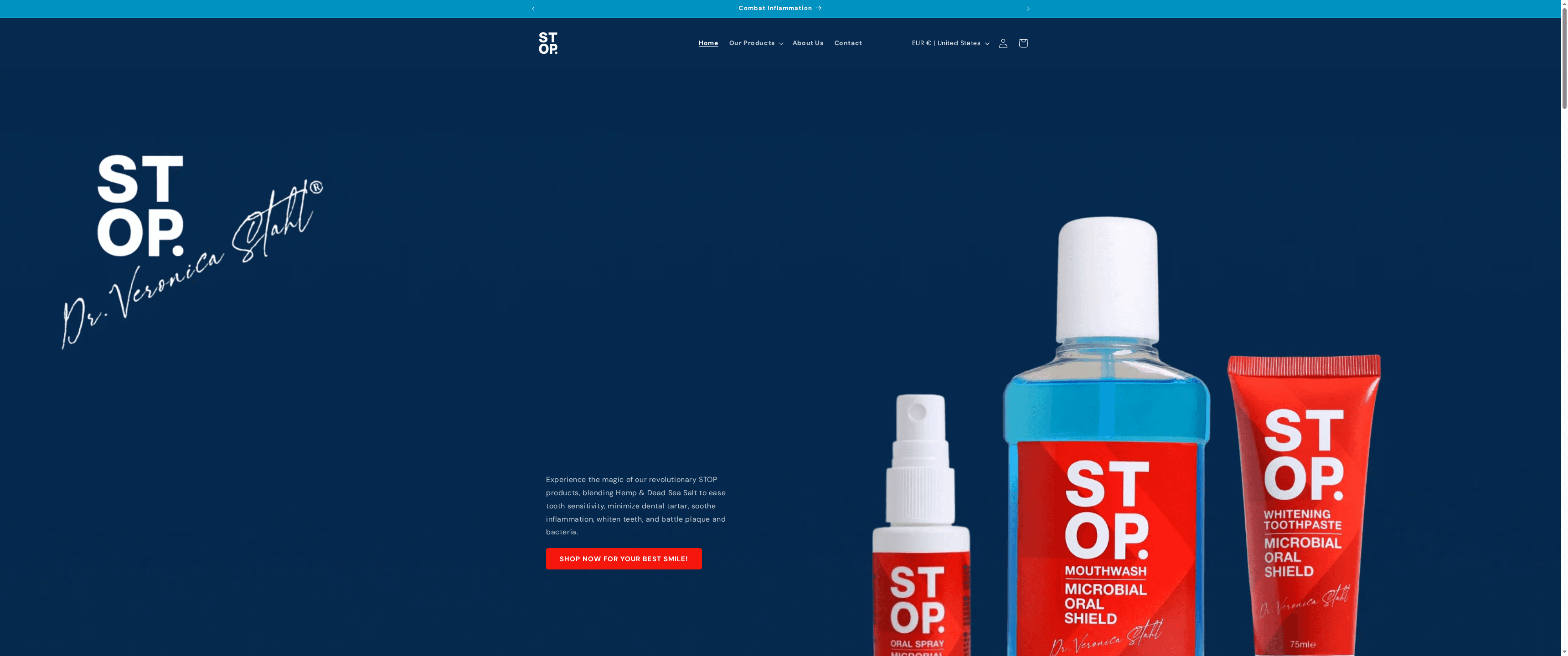
That distinction matters directly for the self-care steps covered earlier. If cutting alcohol-based mouthwash and strong mint toothpaste from your routine already reduced your burning, the next logical step is replacing them with something formulated for sensitivity rather than defaulting back to another mainstream product. The alcohol-free mouthwash and gentle toothpaste products slot directly into that swap, and the oral spray offers a portable option for dryness relief during the day without reaching for gum every time. You can also compare spray-based relief formats directly in this breakdown of CBD oral spray versus traditional mouthwash.
Visit the Stop-oralcare product line to see current formulations and find the option that fits where you are in your treatment plan, whether that’s early self-care or maintenance alongside a clinician-guided regimen.
Sources
- A systematic review of treatment for patients with burning mouth syndrome
- Treatment of burning mouth syndrome (NCBI Bookshelf)