

When mouthwash burns your mouth, the cause is almost always one or more of four chemical agents: ethanol (alcohol), menthol or essential oils, hydrogen peroxide, or antiseptics such as chlorhexidine, each of which activates oral pain receptors or directly irritates mucosal tissue. A burning sensation is not evidence of greater antimicrobial efficacy; it is an irritant response. Stop using the product immediately, spit, and rinse thoroughly with plain water.
Immediate actions:
- Stop rinsing and spit out the product at once.
- Rinse the mouth with plain, room-temperature water for 30–60 seconds.
- If the mucosa feels raw, follow with a mild saline rinse (one-quarter teaspoon of table salt dissolved in eight ounces of water).
- Avoid toothbrushing for 30–60 minutes if the tissue is tender.
- Do not reapply the offending rinse.
Pro Tip: Diluting a strong rinse with an equal part of water can reduce immediate sting temporarily, but dilution is not a long-term solution. Switching to a formulation that does not require dilution to be tolerable is the clinically preferred approach.
Key Takeaways
Mouthwash-related burning is a chemical irritant response driven by specific ingredients, and discontinuing the offending product is the primary intervention in every case.
| Point | Details |
|---|---|
| Burning is not efficacy | A burning sensation reflects irritant receptor activation, not improved antimicrobial action. |
| Primary chemical culprits | Ethanol (5%), menthol, hydrogen peroxide, and chlorhexidine are the most common triggers. |
| Immediate relief steps | Stop the product, rinse with plain water, follow with saline if tissue is raw, and avoid re-exposure. |
| When to seek care | Seek evaluation if burning persists beyond 48–72 hours, ulcers spread, or systemic symptoms appear. |
| Stop-oralcare option | Stop-oralcare’s alcohol-free, hemp-mineral mouthwash is formulated for sensitive mouths without ethanol or high-concentration essential oils. |
Table of Contents
- Why does mouthwash burn your mouth? The chemistry and physiology
- Which oral conditions make mouthwash irritation worse?
- How to relieve the burning sensation after a mouthwash episode
- When should you stop the product and see a dentist?
- How to choose a gentler mouthwash and use it safely
- What does the evidence say about mouthwash irritation and long-term safety?
- The case against treating a burn as a sign that the rinse is working
- A gentler option for mouths that react to conventional rinses
- Sources
Why does mouthwash burn your mouth? The chemistry and physiology
The burning sensation after mouthwash use originates from specific ingredient classes acting on oral mucosal tissue and sensory receptors, not from a single universal mechanism. Understanding which ingredient is responsible helps determine the appropriate corrective action.
Ethanol (alcohol). Most conventional antiseptic rinses contain ethanol, sometimes at concentrations that can be relatively high, acting as a solvent that strips the protective lipid layer from oral epithelial cells. At these levels, ethanol acts as a solvent that strips the thin protective lipid layer from oral epithelial cells, increasing permeability and drying the mucosa. The drying effect reduces saliva’s buffering capacity, concentrating other irritants against exposed tissue. Taste receptor cells and free nerve endings in the oral mucosa respond to this solvent action as a noxious stimulus, producing the characteristic burn.
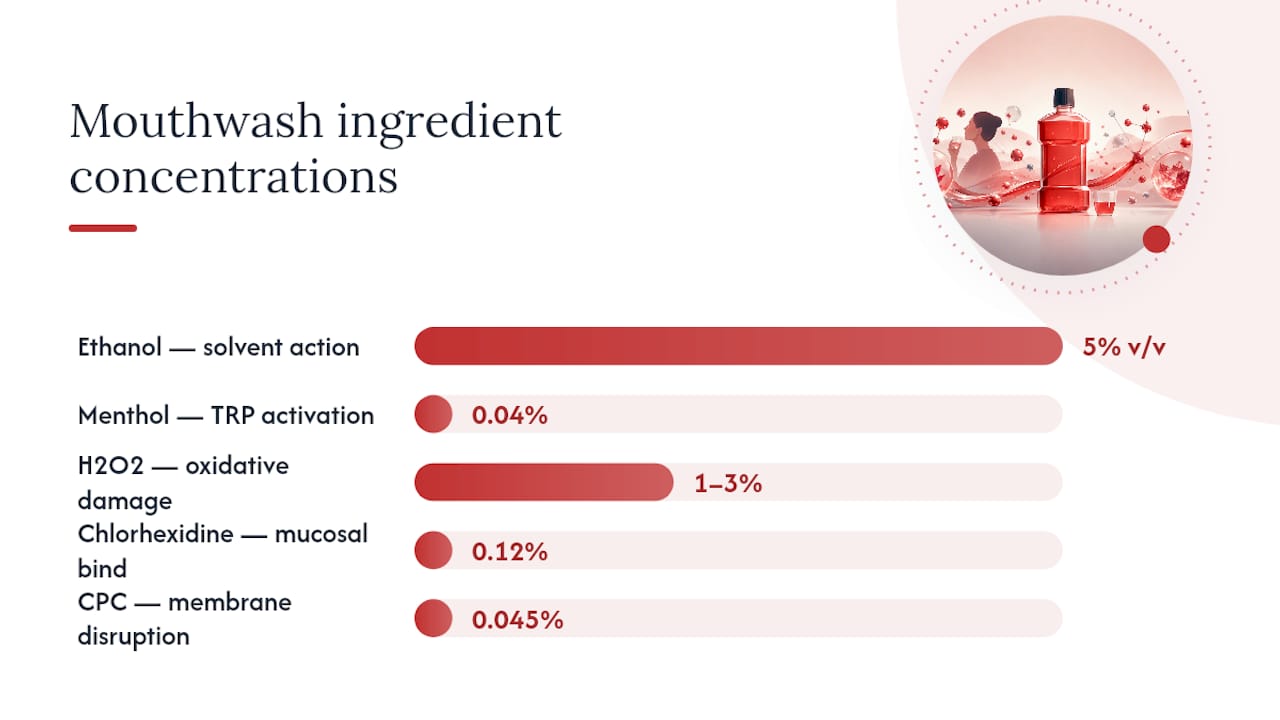
| Ingredient | Typical concentration range | Primary irritant mechanism |
|---|---|---|
| Ethanol | 5% v/v | Solvent action, mucosal desiccation |
| Menthol | 0.04% | TRPM8/TRPV1 receptor activation |
| Hydrogen peroxide | 1%–3% | Oxidative damage to epithelial cells |
| Chlorhexidine gluconate | 0.12% | Membrane disruption, mucosal binding |
| Cetylpyridinium chloride | 0.045% | Surfactant-mediated cell membrane disruption |
Menthol and essential oils. Menthol, thymol, eucalyptol, and methyl salicylate are present in many commercial rinses as flavoring and antimicrobial agents. These compounds activate transient receptor potential (TRP) ion channels, particularly TRPM8 and TRPV1, on sensory neurons in the oral mucosa. TRPV1 is the same receptor activated by capsaicin; when stimulated by menthol at higher concentrations or in sensitized tissue, it generates a burning rather than a cooling signal. A mechanistic review of mouthwash ingredients confirms that individual variation in TRP receptor expression explains why the same product produces a tolerable tingle in one person and a frank burn in another.
In healthy mucosa this is generally transient, but in the presence of existing ulcers, gingivitis, or abrasions, oxidative damage to already-compromised epithelial cells prolongs and intensifies the pain. Chlorhexidine gluconate, the most widely prescribed antiseptic rinse in clinical dentistry, binds strongly to oral mucosal proteins and can cause desquamation and mucosal sensitivity with repeated use.
Dry mouth and other amplifying factors. Reduced salivary flow (xerostomia), whether from medication, systemic disease, or mouth breathing, removes the dilution and buffering that saliva normally provides. Detergent-like surfactants used as flavor carriers in some formulations further disrupt the mucosal barrier. Together, these factors increase the effective concentration of irritants at the epithelial surface and extend contact time.
A 60-day subchronic exposure study comparing alcohol-containing and alcohol-free rinses found no major adverse clinical mucosal changes in most participants, though 4 of 120 patients reported discomfort and in vitro assays showed greater markers of cell damage with alcohol-containing formulations. Tissue irritation typically resolves after discontinuing the offending product.
Which oral conditions make mouthwash irritation worse?
Certain pre-existing oral conditions substantially lower the threshold at which mouthwash ingredients produce pain or tissue damage. Recognizing these conditions is clinically relevant because continuing an irritating rinse in their presence can delay healing and worsen the underlying problem.
Aphthous ulcers (canker sores). The ulcer bed lacks an intact epithelial barrier, exposing submucosal nerve fibers directly to alcohol, peroxide, and essential oils. Even brief contact with an alcohol-based rinse on an active aphthous ulcer produces disproportionate pain and may extend the ulcer’s healing time.
Gingivitis and periodontal disease. Inflamed gingival tissue is hyperemic and edematous, with a compromised epithelial surface. Alcohol and surfactants penetrate more readily, and the inflammatory milieu amplifies nociceptive signaling. Patients with active gingivitis frequently report that the same rinse they previously tolerated becomes acutely painful during a flare.
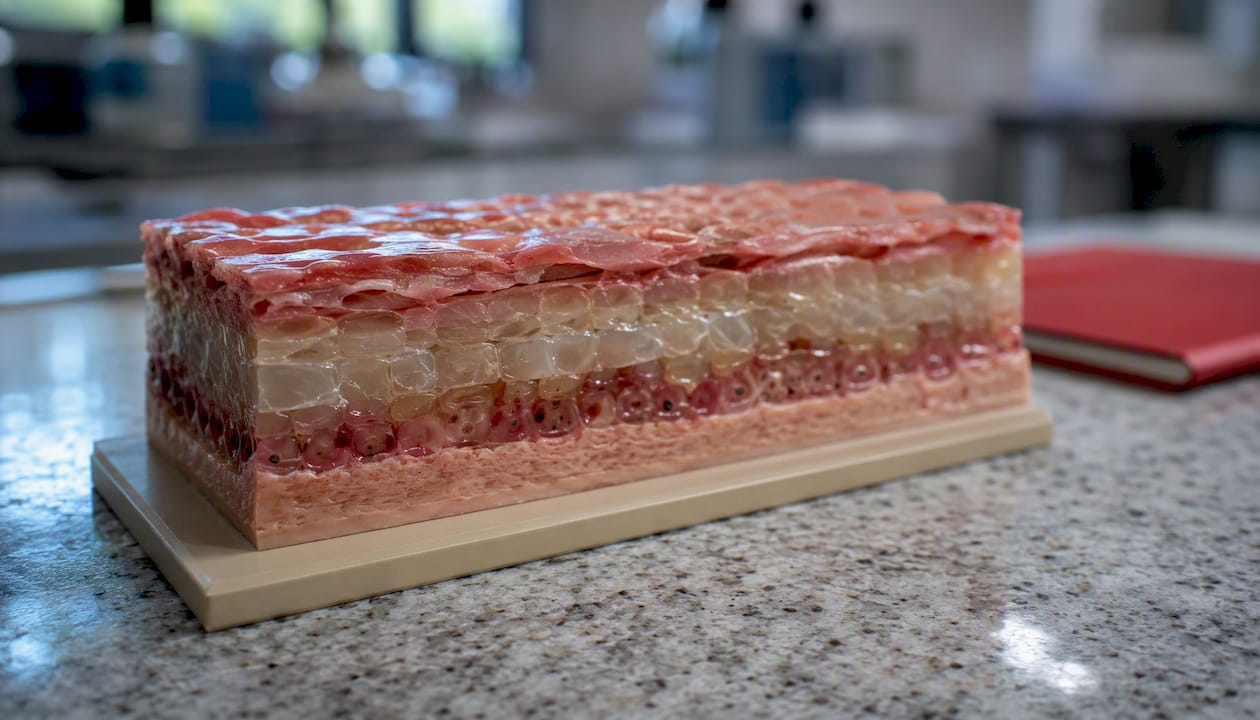
Recent oral surgery or abrasions. Post-surgical mucosa lacks the protective keratinized layer. In patients with oral surgery or mucosal wounds, alcohol-based rinses may delay tissue healing; clinicians typically avoid prescribing them immediately post-operatively.
Xerostomia (dry mouth). Without adequate saliva to dilute and buffer the rinse, all irritant concentrations are effectively higher at the mucosal surface. The ADA notes that alcohol-free alternatives are specifically appropriate for patients with dry mouth or sensitivity.
Oral mucositis and immunosuppression. Patients undergoing chemotherapy or radiation to the head and neck region develop mucositis, a condition in which the entire oral mucosa becomes ulcerated and acutely sensitive. Any rinse containing alcohol, peroxide, or high-concentration antiseptics is contraindicated in active mucositis.
Clinical red flag: Persistent worsening of oral pain, spreading ulceration beyond the initial site, or the appearance of systemic symptoms such as fever or difficulty swallowing after mouthwash use warrants prompt clinical evaluation. These findings are not consistent with simple chemical irritation and may indicate a secondary infection or an underlying mucosal disorder.
How to relieve the burning sensation after a mouthwash episode
The following steps address immediate pain relief and short-term tissue protection after a burning mouthwash episode. They are ordered by priority.
- Stop and spit. Remove the product from the mouth immediately. Do not swallow.
- Rinse with plain water. Swish room-temperature water vigorously for 30–60 seconds to dilute and remove residual product. Repeat once if the burn persists.
- Apply a saline rinse. If the mucosa feels raw but is not severely injured (no large ulcers, no bleeding), a saline rinse (one-quarter teaspoon of non-iodized salt in eight ounces of warm water) provides mild osmotic relief and supports the mucosal environment.
- Avoid mechanical irritation. Do not brush aggressively for at least 30–60 minutes. Use a soft-bristle brush when you do resume brushing.
- Avoid secondary irritants. Acidic foods and beverages (citrus, vinegar, carbonated drinks), hot liquids, and spicy foods prolong mucosal irritation. Avoid them for several hours.
- Consider an OTC topical agent if needed. Products containing benzocaine or similar topical anesthetics (e.g., Orabase, Anbesol) can reduce localized pain from a discrete ulcer or abrasion, used as directed on the label.
Safety note: Topical anesthetics and saline rinses address symptom relief only. They are not substitutes for professional evaluation when the injury is severe, spreading, or accompanied by systemic signs. A published case report documents extensive oral mucosal ulceration from undiluted high-alcohol mouthwash use, with clinical improvement occurring within 48 hours after stopping the product and initiating supportive topical therapy — underscoring that discontinuation is the primary intervention.
Dos and don’ts summary:
- Do use a soft-bristle brush and gentle, alcohol-free rinse going forward.
- Do keep the area clean with saline rinses if ulceration is present.
- Do not reapply the offending product to “test” whether the burn recurs.
- Do not use a topical anesthetic as a way to continue using an irritating rinse.
When should you stop the product and see a dentist?
Most cases of mouthwash-related burning resolve within 24–48 hours after discontinuing the product. Certain findings, however, indicate that professional evaluation should not be deferred.
Seek care promptly (same day or urgent care) if you experience:
- Intense or rapidly spreading oral pain that does not diminish after rinsing with water
- Multiple or large ulcers (greater than one centimeter) or ulcers that appear to be spreading
- Difficulty breathing, swallowing, or opening the mouth
- Heavy or persistent bleeding from oral tissue
- Fever, swollen lymph nodes, or other systemic signs concurrent with oral symptoms
Schedule a non-urgent dental appointment within 48–72 hours if:
- Burning or pain persists beyond 48–72 hours after stopping the rinse
- You have experienced a similar reaction to more than one different rinse product
- New or worsening dry mouth develops after starting a new rinse
- Ulcers or white patches appear that were not present before the episode
What to bring to your appointment: Carry the product label or photograph it with your phone. Note the exact product name, the concentration of active ingredients if listed, when you first used it, how long you rinsed, and the sequence of symptoms. This information allows the clinician to distinguish a chemical irritation reaction from an allergic contact reaction or an underlying mucosal condition.
Alcohol-containing rinses can dry the mouth and aggravate existing oral problems; frequency and misuse increase the risk of mucosal irritation, as clinical overviews of mouthwash side effects consistently note. Patients who use rinses more frequently than directed or who use products intended to be diluted at full concentration are at elevated risk for the injuries described above.
How to choose a gentler mouthwash and use it safely
Selecting a rinse that does not produce a burning sensation requires reading the ingredient label systematically rather than relying on marketing claims. The following checklist identifies the key label criteria.
Label checklist for a gentler rinse:
- “Alcohol-free” stated explicitly on the label. Verify by checking the inactive ingredients list for ethanol or isopropyl alcohol. The benefits of switching to alcohol-free formulas are well-documented for sensitive mouths.
- Low or absent menthol and essential oils. Products marketed as “mild” or “sensitive” typically contain reduced concentrations of thymol, eucalyptol, and menthol.
- Hydrogen peroxide absent or below 1.5%. Whitening rinses frequently contain peroxide; patients with active ulcers or gingivitis should avoid these entirely until tissue has healed.
- Antiseptic concentration appropriate to indication. Chlorhexidine gluconate at 0.12% is a prescription-strength therapeutic rinse indicated for specific periodontal conditions, not for daily cosmetic use. Cetylpyridinium chloride at 0.045%–0.07% is the more appropriate antiseptic for routine over-the-counter use.
- Fluoride inclusion (when appropriate). For patients whose primary goal is caries prevention, an alcohol-free fluoride rinse provides therapeutic benefit without the irritant load of high-alcohol formulations.
Product type and appropriate use frequency:
Cosmetic breath-freshening rinses are designed for daily use and typically carry lower concentrations of active ingredients. Therapeutic rinses (fluoride, CHX, or antiseptic) are indicated for specific clinical conditions and should be used at the frequency directed by a clinician or the product label. FDA labeling guidance for OTC oral rinses provides the regulatory framework for what manufacturers must disclose about active ingredients and directions for use.
The ADA classifies mouthrinse as an adjunct to mechanical cleaning, not a replacement for brushing and flossing. Using a rinse as a substitute for mechanical plaque removal does not improve outcomes and increases cumulative exposure to irritant ingredients. For a structured approach to pairing rinses with mechanical cleaning, a step-by-step mouthwash usage guide provides practical sequencing recommendations.
What does the evidence say about mouthwash irritation and long-term safety?
The clinical literature on mouthwash-related irritation is moderately consistent on short-term effects and more divided on long-term risk.
Alcohol-based versus alcohol-free rinses. The 60-day subchronic study referenced earlier found that most participants using either formulation showed no clinically significant mucosal changes, but in vitro cytological markers indicated greater cell damage with alcohol-containing rinses. The study’s 60-day window limits conclusions about cumulative long-term exposure.
Cancer risk. An expert review published in Nature concluded that alcohol-containing mouthwashes are not proven to cause oral cancer in healthy users. The review noted, however, that frequent heavy use combined with other risk factors — tobacco use, heavy alcohol consumption, HPV infection — may increase oral mucosal vulnerability. Clinicians often recommend alcohol-free formulations for patients with any of these co-existing risk factors.
Sensory receptor mechanisms. The mechanistic review of TRP channel activation by mouthwash ingredients provides the biological basis for why burning sensation intensity varies between individuals using identical products. Genetic variation in TRPV1 expression and prior sensitization from repeated exposure both modulate the response.
Systemic considerations. Some research has explored possible systemic effects with specific antiseptics, particularly chlorhexidine, in certain trial contexts, indicating that researchers continue to study systemic safety in special circumstances. These signals remain preliminary and do not alter current clinical recommendations for standard use.
Where evidence is inconclusive: The optimal frequency of therapeutic rinse use for long-term periodontal health, and the precise threshold at which alcohol concentration transitions from tolerable to damaging in susceptible individuals, remain areas where clinician judgment must supplement the available data. Healthline’s clinical summary of common culprits accurately reflects the current consensus: burning is an irritant response, not a marker of efficacy.
The case against treating a burn as a sign that the rinse is working
The clinical evidence does not support the widespread belief that a stronger burning sensation correlates with greater antimicrobial or therapeutic effect. Antiseptic efficacy is determined by the active ingredient’s mechanism of action, its concentration, and contact time with the target biofilm, not by the intensity of the sensory response it produces in the host tissue. A rinse that produces no burning sensation can achieve equivalent or superior plaque reduction compared to one that causes significant discomfort, particularly when the burning causes the user to spit prematurely and reduce effective contact time.
Patients who tolerate discomfort because they interpret it as therapeutic are also more likely to overuse the product, increasing cumulative mucosal exposure. The practical implication is straightforward: if a rinse burns, that is a signal to evaluate the formulation, not to persist with it.
Pro Tip: For patients with recurrent sensitivity, an alcohol-free mouthwash formulated without high-concentration essential oils is the clinically preferred starting point. Tolerance does not reliably develop with continued exposure to a genuinely irritating formulation.
A gentler option for mouths that react to conventional rinses
For individuals whose mouths react to conventional alcohol-based or high-menthol rinses, Stop-oralcare’s alcohol-free, hemp-infused mouthwash formulated with Dead Sea minerals offers a clinically considered alternative. The formulation omits ethanol and high-concentration essential oils, addressing the two most common chemical triggers of mouthwash-related burning, while delivering antimicrobial and anti-inflammatory support through hemp-derived compounds and mineral-based ingredients. It is specifically positioned for patients with sensitive gums, dry mouth, or a history of mucosal irritation from conventional rinses.
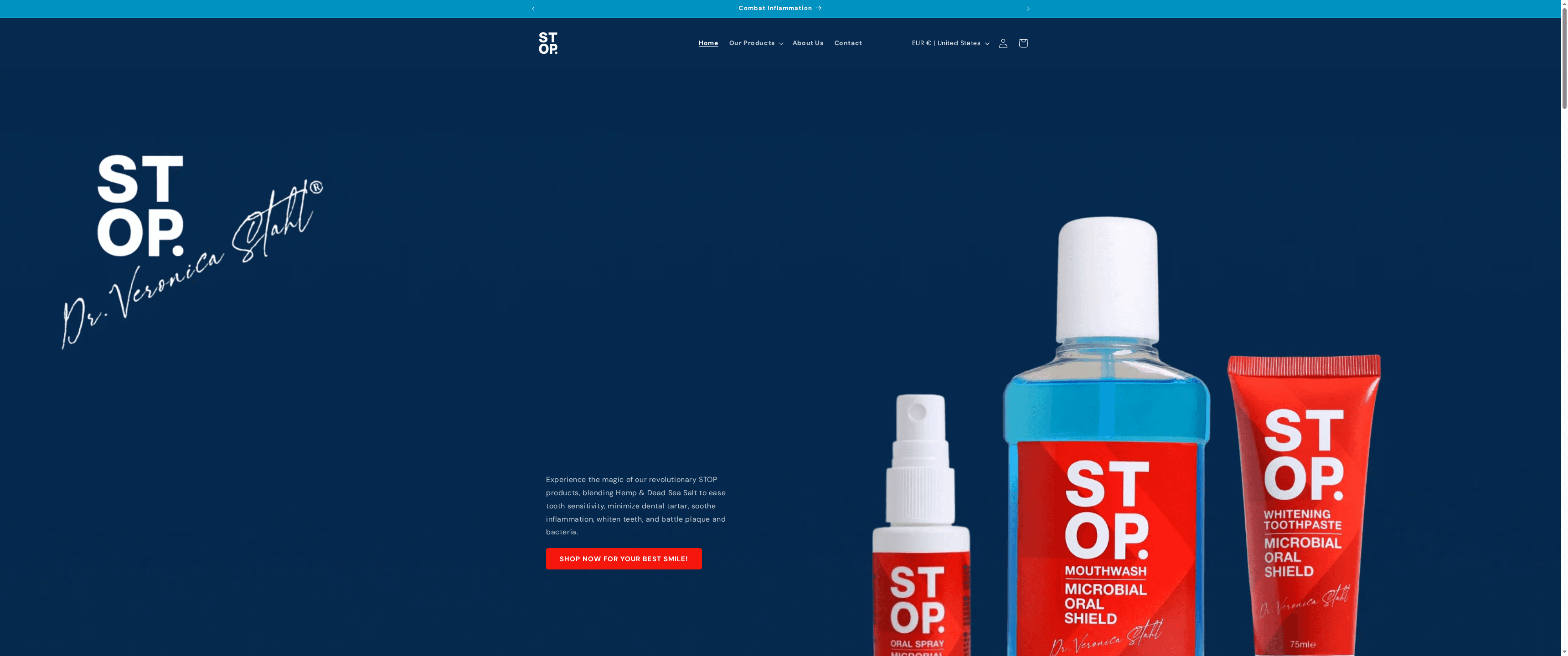
For those managing recurrent burning or seeking a natural mouthwash for sensitive teeth, Stop-oralcare’s formulation provides a practical starting point that does not require tolerance-building or dilution. Visit Stop-oralcare to review the full ingredient list and place an order.
Sources
The following sources informed the clinical and chemical content of this article:
- Extensive oral mucosal ulcerations caused by misuse of a commercial mouthwash
- Clinical and cytological comparison of alcohol-containing and alcohol-free mouthrinses (subchronic exposure study)
- Expert perspective on alcohol-containing mouthwashes and oral health risks
- Mouthrinse — American Dental Association
This article is general information, not a substitute for advice from a qualified doctor. Consult a qualified healthcare professional about your own circumstances before acting on anything here.