

TL;DR:
- Switching to natural mouthwash supports your oral microbiome and reduces chemical exposure. It requires patience, with benefits appearing between 14 and 28 days of consistent use. Proper storage and realistic expectations are essential for successful transition and long-term oral health.
Natural mouthwash is defined as a rinse formulated with botanical ingredients, minerals, and plant-derived antimicrobials in place of synthetic additives like ethanol, artificial colors, and chlorhexidine. Knowing how to transition to natural mouthwash means understanding both what you are replacing and what you are gaining. Conventional alcohol-based rinses strip the mucin layer, causing dry mouth, altered taste, and oral microbiome dysbiosis. Natural alternatives support microbiome balance and reduce chemical exposure without sacrificing daily freshness. This guide covers key ingredients, DIY formulations, a practical switching timeline, and the most common mistakes to avoid.
How to transition to natural mouthwash: what it means and why it works
Transitioning from conventional to natural mouthwash is not simply a product swap. It is a shift in how you support your oral microbiome. Conventional antiseptic rinses kill bacteria indiscriminately, including the beneficial species that regulate pH and suppress pathogens. Natural rinses take a more selective approach.
Research confirms that propolis-based rinses reduce pathogens like Porphyromonas gingivalis with significantly less harm to commensal bacteria compared to chlorhexidine. That selectivity is the core clinical argument for switching. Your mouth hosts hundreds of bacterial species, and most of them protect you.
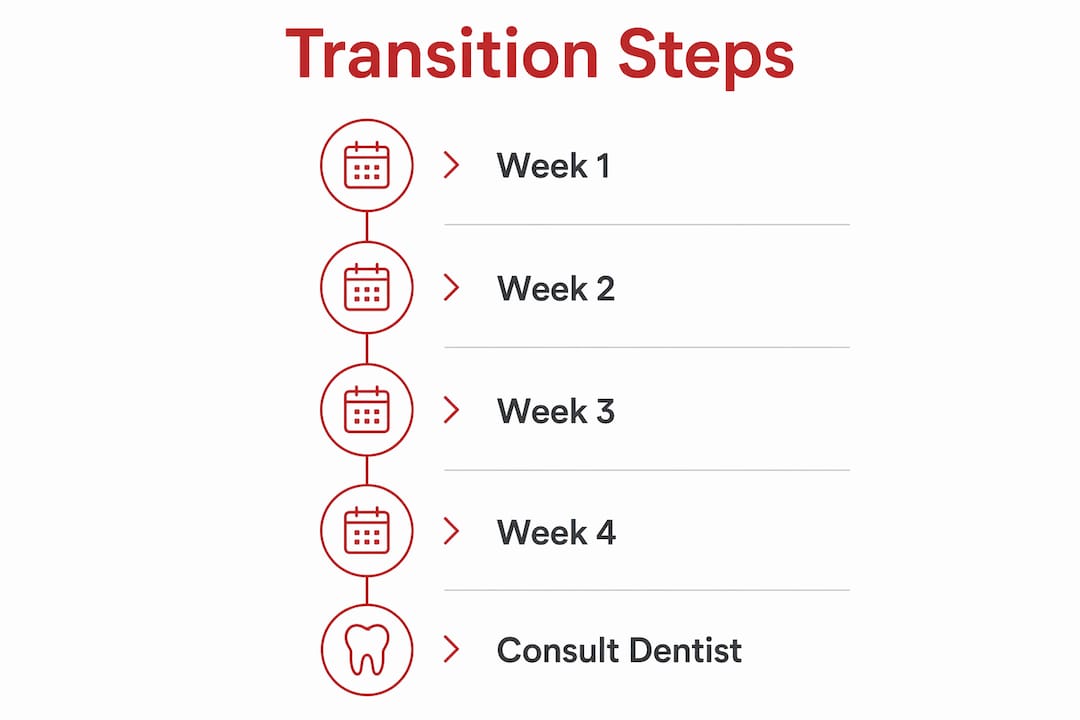
The transition period typically runs 1–4 weeks. Mouthfeel normalizes within 1–2 weeks as your tissues adjust to the absence of ethanol. Microbiome rebalancing occurs between days 14 and 28, which is when most people notice more consistent fresh breath. Expecting this timeline prevents you from abandoning the switch too early.
What makes a mouthwash natural: ingredients and benefits
A mouthwash qualifies as natural when its active and inactive ingredients come from botanical, mineral, or food-grade sources, with no synthetic preservatives, artificial dyes, or alcohol-based solvents. The botanical ingredients most supported by clinical evidence include the following:
- Aloe vera: As effective as chlorhexidine in reducing Streptococcus mutans, the primary cavity-causing bacterium, without drying oral tissues.
- Xylitol: Starves acid-producing bacteria by substituting for fermentable sugars, reducing cavity risk without stripping the mucosal lining.
- Essential oils (tea tree, peppermint, clove): Provide mild antimicrobial action against oral pathogens and contribute to breath freshness.
- Baking soda (sodium bicarbonate): Neutralizes oral acids and gently buffers pH, supporting an environment where beneficial bacteria thrive.
- Non-iodized sea salt: Draws fluid from inflamed gum tissue through osmosis, reducing swelling and supporting healing.
- Dead Sea minerals: Used in formulations like those developed by Stop-oralcare, these minerals provide trace elements that support tissue remineralization and microbial balance.
The contrast with conventional products is direct. Ethanol-based rinses contribute to tissue dehydration and indiscriminate bacteria killing. Artificial colors add no therapeutic value. Synthetic preservatives like sodium benzoate extend shelf life but introduce compounds with no oral health benefit.
| Ingredient | Primary benefit | Mechanism |
|---|---|---|
| Aloe vera | Antimicrobial, anti-inflammatory | Inhibits S. mutans, soothes tissue |
| Xylitol | Cavity prevention | Starves acid-producing bacteria |
| Essential oils | Antimicrobial, breath freshness | Disrupts bacterial cell membranes |
| Baking soda | pH buffering | Neutralizes oral acids |
| Sea salt | Gum support | Osmotic reduction of inflammation |
| Dead Sea minerals | Remineralization | Trace mineral delivery to enamel |
Pro Tip: Seek formulas with recognizable botanical names on the label. If an ingredient requires a chemistry degree to identify, it likely does not belong in a natural rinse.
How to prepare or select a natural mouthwash formulation
Choosing between a DIY recipe and a commercially prepared natural rinse depends on your time, consistency, and oral health needs. Both options work when executed correctly.
DIY basic natural mouthwash recipe
A dentist-endorsed DIY recipe uses simple, verifiable ingredients and takes under five minutes to prepare.
- Measure 8 oz of warm distilled water into a clean glass container.
- Add 1 tsp of baking soda and stir until fully dissolved.
- Add 0.5 tsp of non-iodized sea salt and stir again.
- Add 2–3 drops of food-grade essential oil (peppermint or tea tree) for antimicrobial action.
- Pour the finished rinse into an airtight amber glass bottle.
- Label the bottle with the preparation date.
- Store at room temperature, away from direct light.
- Discard any unused portion after 14 days.
Pro Tip: Prepare small batches of no more than 8–10 oz at a time. Natural rinses lack synthetic preservatives, so larger batches degrade faster and carry a higher contamination risk.
Selecting a commercial natural mouthwash
When choosing a ready-made product, apply these criteria:
| Selection criterion | What to look for |
|---|---|
| Ingredient transparency | Full botanical names listed, no “fragrance” catch-alls |
| Alcohol content | Ethanol-free or below 5% |
| Preservative system | Natural options like vitamin E or rosemary extract |
| Fluoride status | Fluoride-free if you prefer mineral-based remineralization |
| Clinical backing | Formulations developed or reviewed by dental professionals |
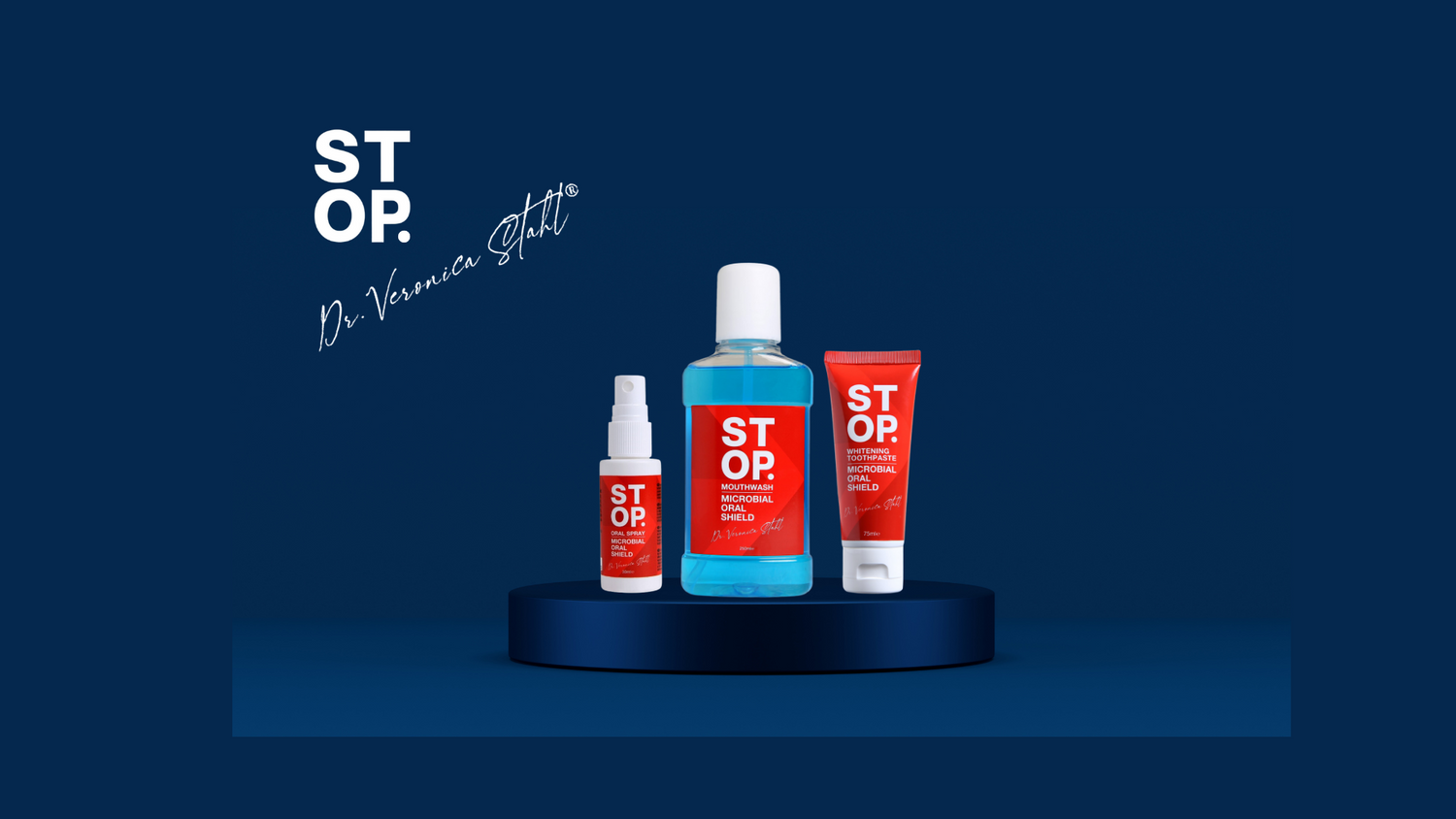
Stop-oralcare products, developed under the guidance of Dr. Veronica Stahl, meet these criteria by combining hemp extract with Dead Sea minerals in a fluoride-free, alcohol-free formula. That combination addresses both antimicrobial action and tissue support in a single rinse.
Step-by-step process for switching to natural mouthwash safely
The practical steps for how to switch to natural mouthwash follow a predictable pattern. Knowing what to expect at each stage prevents unnecessary concern and keeps you on track.
- Stop using your conventional rinse completely. Gradual mixing of products does not accelerate adaptation and may confuse your assessment of results.
- Begin with once-daily use of your natural rinse, preferably after brushing at night.
- Swish for 10–30 seconds. Adequate swishing time activates botanical antimicrobials. Less than 10 seconds delivers minimal benefit.
- Expect reduced numbness and tingling in week 1. The absence of ethanol means no burning sensation. This is normal, not a sign the product is not working.
- Monitor breath freshness from day 14 onward. Microbiome rebalancing between days 14 and 28 produces more stable, longer-lasting fresh breath than alcohol-based masking.
- Add a second daily use in week 3 if your oral health goals include gum support or cavity prevention.
- Maintain brushing and flossing. Natural rinses work best as an adjunct to mechanical cleaning, not as a replacement for it.
The most common mistake at this stage is expecting the burning sensation associated with conventional rinses. That sensation is ethanol irritating tissue, not a sign of efficacy. Natural rinses feel mild by design. For people with sensitive teeth or gums, the natural mouthwash usage guide from Stop-oralcare provides additional protocol adjustments.
What are the common mistakes when switching to natural mouthwash?
Most transition failures trace back to a small set of avoidable errors. Recognizing them before they occur protects both your oral health and your confidence in the switch.
- Using plastic storage containers for DIY rinses. Essential oils are photodegradable and leach harmful chemicals from plastic. Amber glass is the only appropriate container.
- Preparing oversized batches. Without synthetic preservatives, homemade rinses become contaminated within two weeks. Cloudy appearance, unusual odor, or visible particulates all signal that a batch must be discarded.
- Replacing brushing and flossing with mouthwash. No rinse, natural or otherwise, removes the physical biofilm that accumulates on tooth surfaces. Mechanical cleaning remains non-negotiable.
- Judging effectiveness by burning sensation. Natural rinses reduce bad breath through flavor and microbiome balance, not aggressive tissue irritation.
- Abandoning the switch before week two. The oral microbiome requires time to rebalance. Quitting in the first week means leaving before the measurable benefits begin.
Natural mouthwashes function as cosmetic, gentle supplements to oral hygiene rather than clinical replacements for prescription antiseptic rinses. For individuals managing active gum disease or elevated cavity risk, prescription-grade products remain the appropriate clinical choice. Natural rinses serve the healthy maintenance phase and the prevention tier of oral care.
Pro Tip: If you notice gum sensitivity or unusual oral changes beyond week four, consult a dental professional. Natural rinses support oral health but do not treat active infections.
For gum-specific concerns, the natural mouthwash for gum disease resource from Stop-oralcare outlines when botanical rinses are appropriate and when clinical intervention is necessary.
Key Takeaways
Switching to natural mouthwash produces measurable oral microbiome benefits within 14–28 days when you use the correct ingredients, proper storage, and consistent technique.
| Point | Details |
|---|---|
| Microbiome rebalancing timeline | Expect oral microbiome shifts between days 14 and 28 after stopping conventional rinses. |
| Core natural ingredients | Aloe vera, xylitol, essential oils, baking soda, and sea salt each provide clinically supported oral health benefits. |
| DIY storage requirement | Store homemade rinses in amber glass bottles and discard after 14 days to prevent contamination. |
| Swishing time matters | Swish for 10–30 seconds to activate botanical antimicrobials; shorter contact time reduces efficacy. |
| Natural rinses supplement, not replace | Brushing and flossing remain necessary; natural mouthwash works as an adjunct to mechanical cleaning. |
What I have learned from guiding patients through this transition
Patients frequently arrive expecting natural mouthwash to perform exactly like the conventional products they are replacing, just without the chemicals. That expectation sets them up for a frustrating first week. The absence of burning is not a flaw. It is the point.
What I find more telling is what happens after week two. Patients who stay consistent report that their breath feels more stable throughout the day, not just immediately after rinsing. That is the microbiome working correctly. Alcohol-based rinses create a cycle of aggressive killing followed by rapid bacterial rebound. Natural rinses interrupt that cycle rather than perpetuate it.
The other pattern I observe consistently is that people underestimate the role of storage. A well-formulated DIY rinse stored in a plastic bottle under bathroom lighting degrades within days. The same formula in amber glass, kept away from heat and light, remains effective for the full two-week window. The container is not a minor detail.
My honest assessment of natural mouthwash is this: it works well within its defined role. It is not a substitute for prescription antiseptics when disease is present. It is, however, a clinically sound choice for daily maintenance, microbiome support, and chemical reduction in a healthy mouth. The people who benefit most are those who pair it with consistent brushing, flossing, and realistic expectations about what a rinse can and cannot do.
— Veronica
Natural oral care resources from Stop-oralcare
Stop-oralcare offers a line of fluoride-free, alcohol-free oral care products formulated with hemp extract and Dead Sea minerals, developed under the clinical guidance of Dr. Veronica Stahl.
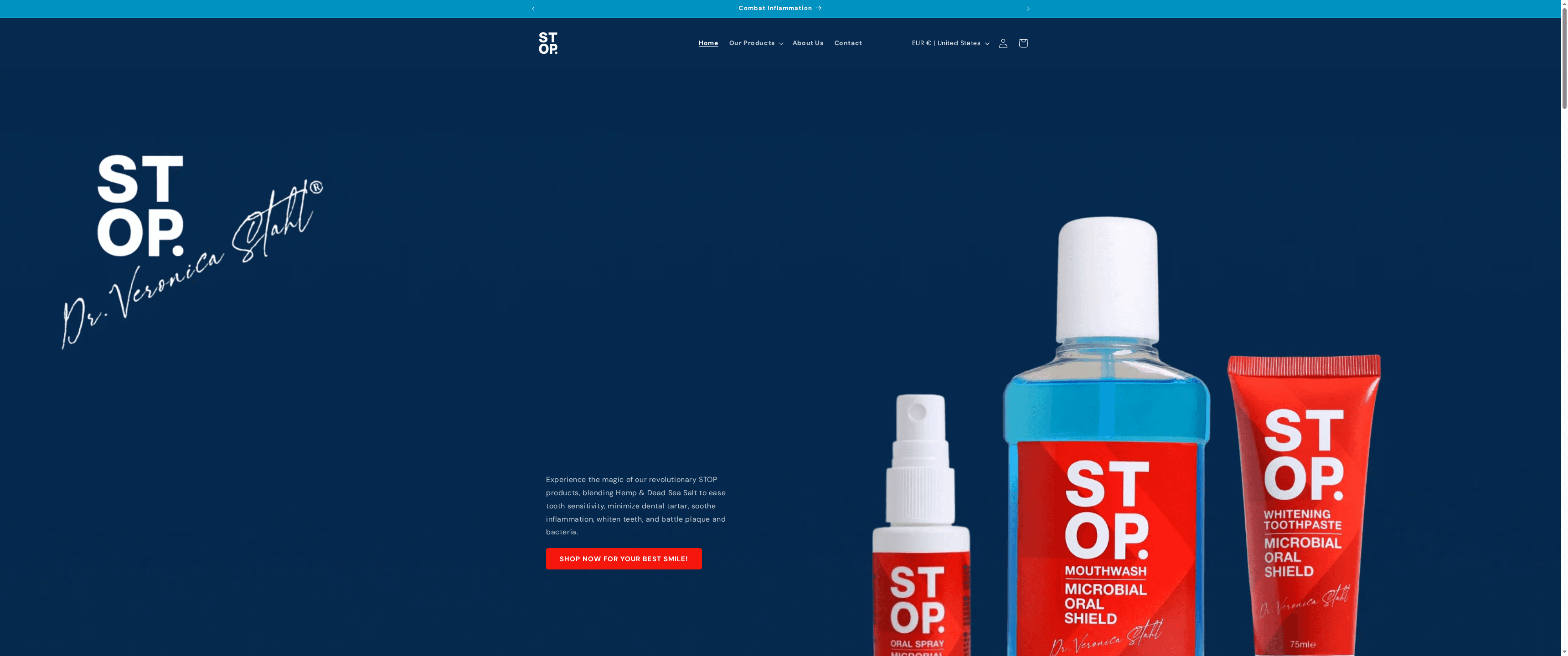
The product range addresses daily maintenance, gum support, and microbiome-friendly oral hygiene for people moving away from conventional dental products. The Stop-oralcare homepage provides full product descriptions, ingredient transparency, and access to the clinical blog covering DIY recipes, ingredient science, and usage protocols. For those preparing their own rinses at home, the natural mouthwash for dry mouth guide offers formulations developed with healthcare input and practical storage advice.
FAQ
What are natural mouthwashes made of?
Natural mouthwashes contain botanical and mineral ingredients such as aloe vera, xylitol, essential oils, baking soda, and sea salt. They exclude synthetic preservatives, artificial colors, and alcohol-based solvents.
How long does it take to see results after switching?
Mouthfeel normalizes within 1–2 weeks, and oral microbiome rebalancing occurs between days 14 and 28. Consistent daily use is required to reach the measurable benefit phase.
Can I replace my conventional mouthwash entirely with a natural one?
Natural rinses are effective for daily maintenance and microbiome support in a healthy mouth. For active gum disease or elevated cavity risk, a dental professional may recommend prescription-grade antiseptic rinses alongside or instead of natural options.
How do I store a homemade natural mouthwash safely?
Store DIY rinses in airtight amber glass bottles at room temperature, away from direct light. Discard any batch after 14 days, and dispose of any rinse that appears cloudy, develops an unusual odor, or contains visible particulates.
Does natural mouthwash actually freshen breath?
Natural rinses reduce bad breath through microbiome balance and botanical flavor compounds rather than chemical suppression. The effect is moderate and consistent rather than the sharp, short-lived freshness produced by alcohol-based products.