

TL;DR:
- Botanical oral hygiene uses plant-derived ingredients to reduce plaque and inflammation effectively.
- Clinical evidence shows botanicals can perform comparably to chemical products in some oral health measures.
- Proper standardization and formulation are crucial for the safety and efficacy of botanical oral care products.
The assumption that only fluoride-based or synthetically derived products can adequately protect oral tissues is increasingly challenged by a growing body of clinical and laboratory evidence. Botanical oral hygiene refers to the use of plant-derived ingredients and fluoride-free formulations for plaque control, inflammation reduction, and microbial management. Health-conscious consumers and clinicians alike are re-examining these plant-based strategies, not as folklore, but as scientifically evaluated alternatives. This article clarifies what botanical oral hygiene means, reviews the available clinical evidence, identifies key active ingredients, and offers practical guidance for integrating plant-based oral care into a structured daily regimen.
Table of Contents
- Defining botanical oral hygiene
- How botanicals support oral health: Evidence and mechanisms
- Key botanical ingredients and their actions
- When and how to use botanical products for best results
- A realistic take: What most people miss about botanical oral hygiene
- Explore fluoride-free botanical oral care solutions
- Frequently asked questions
Key Takeaways
| Point | Details |
|---|---|
| Plant-powered cleaning | Botanical oral hygiene uses herbs, extracts, and twigs to clean and protect your mouth naturally. |
| Evidence-backed benefits | Research shows botanicals reduce plaque and support gum health, sometimes matching traditional products. |
| Best for sensitive care | Botanical products excel for health-conscious, sensitive, and pediatric users but may not fully replace fluoride for cavities. |
| Smart integration | You can add botanicals alongside regular care for a holistic approach. |
Defining botanical oral hygiene
Botanical oral hygiene describes a category of oral care practice that relies primarily on ingredients extracted or derived from plants, including herbs, roots, barks, resins, and essential oils, rather than on synthetic chemical agents. The field draws from traditional medical systems including Ayurveda, Traditional Chinese Medicine, and African ethnobotany, but is now evaluated through the frameworks of modern clinical dentistry and microbiology.
Natural oral hygiene alternatives cover a wide range of delivery formats. These include herbal toothpastes and powders, botanical mouthwashes and rinses, plant-based gels, and traditional chewing sticks such as miswak (derived from Salvadora persica). Each format delivers plant-derived active compounds to the oral cavity through different mechanisms, offering varied levels of substantivity and duration of effect.
The botanical oral hygiene approach involves plant-derived ingredients such as herbs, essential oils, and natural twigs, with primary benefits including antimicrobial effects, reduction of gingival inflammation, antioxidant activity, and mechanical plaque disruption. These are not passive or incidental effects. They reflect specific phytochemical interactions with oral biofilm bacteria and host tissue.
According to mechanistic reviews, the documented mechanisms of botanical oral hygiene include:
- Antimicrobial activity: Disruption of bacterial cell membranes, inhibition of enzymatic pathways, and reduction in viable colony counts within dental plaque biofilm
- Anti-inflammatory effects: Modulation of prostaglandin and cytokine pathways, reducing gingival swelling and bleeding on probing
- Antioxidant capacity: Neutralization of reactive oxygen species that contribute to periodontal tissue degradation
- Mechanical cleaning: Physical disruption of plaque deposits, most notably through chewing stick use, which releases active compounds while simultaneously abrading plaque
The oral care ingredients guide provides additional detail on how these mechanisms apply to specific formulated products. The significance of this categorization lies in its breadth. Botanical oral hygiene is not a single product or ingredient. It is a systematic approach that integrates phytochemical science with clinical oral hygiene practice, drawing on plant-based principles established across multiple wellness disciplines.
“Botanical oral hygiene is not simply the replacement of fluoride with herbs. It represents a broader shift toward multi-mechanism, plant-derived oral health strategies that may offer complementary or adjunctive value alongside conventional dentistry.”
What distinguishes modern botanical oral hygiene from historical folk remedies is the application of standardization, quality control, and clinical evaluation. Contemporary botanical formulations are assessed for active compound concentration, microbial efficacy, and safety profile in ways that traditional remedies were not. This distinction is essential for practitioners and consumers evaluating these products.
How botanicals support oral health: Evidence and mechanisms
Understanding the basic concept positions us well to evaluate the scientific evidence supporting botanical oral hygiene in clinical settings.
Clinical research has examined botanical oral care across multiple outcome measures, including plaque index scores, gingival index scores, bleeding on probing, and microbial colony counts. The findings indicate that well-formulated botanical products can deliver measurable and clinically meaningful reductions in these parameters.
Botanical mouthwashes and toothpastes can reduce plaque and gingival indices, with several trials reporting performance that matches or exceeds that of conventional chemical products on specific measures. Propolis-based and neem-clove formulations have received particular attention in this literature, with documented reductions in Streptococcus mutans counts and measurable improvements in gingival health markers over four to twelve-week study periods.

The benefits of botanical dental products are particularly well-supported in the context of gingivitis control and management of periodontal inflammation. Botanical rinses containing chlorhyll, green tea polyphenols, or thymol-containing essential oil blends have shown statistically significant reductions in gingival bleeding and sulcular depth improvement in comparative trials.
A structured review of available data yields the following comparative picture:
| Outcome Measure | Botanical Performance | Chemical/Fluoride Performance |
|---|---|---|
| Plaque index reduction | 20 to 40% reduction reported | 25 to 45% reduction reported |
| Gingival index reduction | Comparable in several trials | Comparable in several trials |
| Antimicrobial (short-term) | Effective against key pathogens | Effective, broader spectrum |
| Caries prevention | Limited direct evidence | Strong, well-established |
| Gingival sensitivity | Often improved | Variable by formulation |
| Tolerability/side effects | Generally favorable | Variable; chlorhexidine staining noted |
Botanical approaches demonstrate a 20 to 40% reduction in plaque and gingivitis parameters compared to chemical controls in several reviewed studies, while fluoride remains the superior agent for primary caries prevention. This distinction is clinically relevant and should inform product selection decisions.
The role of botanicals in fluoride-free toothpaste formulations extends beyond simple plaque reduction. Certain plant extracts support remineralization through indirect mechanisms, such as reducing acidogenic bacterial load, while others reduce the inflammatory cascade that accelerates alveolar bone loss in periodontitis-prone individuals.
Pro Tip: When evaluating a botanical oral care product, look specifically for standardized extract concentrations on the ingredient label. Products that list only “herbal blend” without quantified phytochemical content offer significantly less predictability in clinical outcome than those with defined extract ratios.
The evidence for botanical mouthwash for gums is particularly encouraging in the context of patients who are intolerant of chlorhexidine, which is associated with tooth staining, taste disturbance, and mucosal desquamation in a subset of users. For this population, botanical rinses provide a pharmacologically active and clinically validated alternative.
Key botanical ingredients and their actions
With an understanding of the research, the next step is to identify the specific plant-derived ingredients found in botanical oral care products and the mechanisms through which they exert their documented effects.
Polyherbal formulations that combine multiple plant extracts are designed to target several oral health parameters simultaneously, but standardization of these combinations remains a critical and underaddressed challenge in the field. When ingredients are not standardized for active compound content, clinical reproducibility is compromised.
The most extensively studied botanical oral care ingredients include:
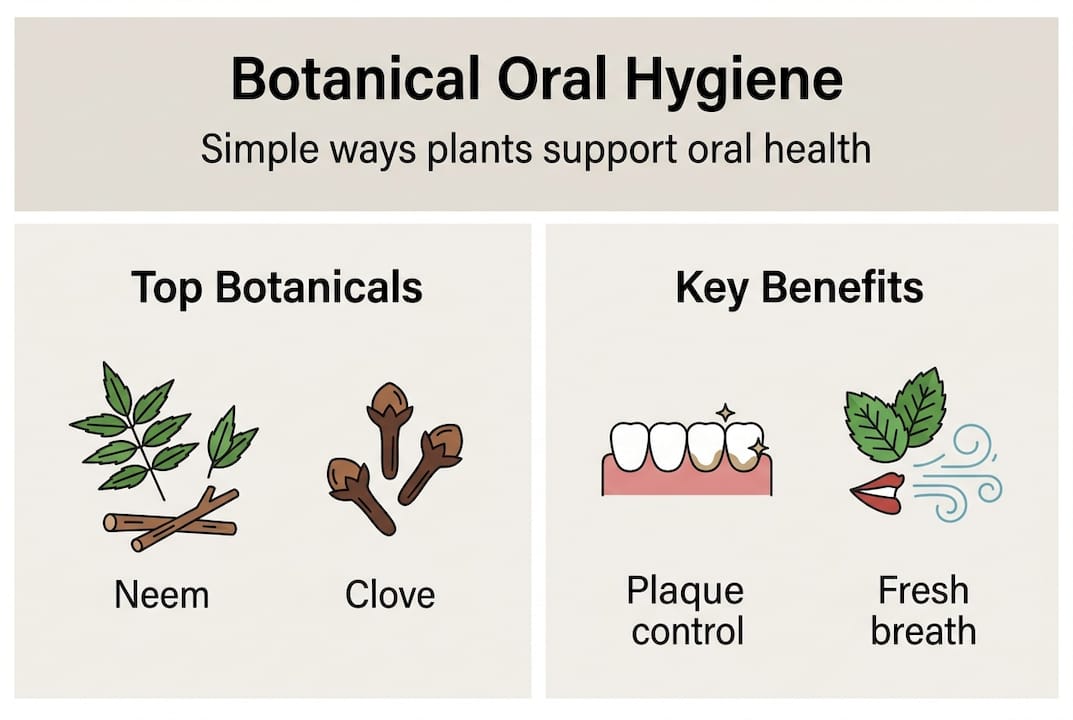
- Neem (Azadirachta indica): Contains nimbidin and azadirachtin, which demonstrate broad-spectrum antimicrobial activity against S. mutans, Lactobacillus acidophilus, and periodontal pathogens
- Clove (Syzygium aromaticum): Eugenol is the primary active compound, acting as both an antimicrobial and analgesic agent; widely documented for relief of dental sensitivity and pulpal pain
- Miswak (Salvadora persica): Contains calcium, fluoride at low concentrations, silica, salvadorine, and trimethylamine, with both chemical and mechanical plaque removal activity
- Propolis: A resinous compound produced by bees from plant material; contains flavonoids and phenolic acids that inhibit biofilm formation and demonstrate anti-inflammatory properties
- Green tea (Camellia sinensis): Catechins, particularly epigallocatechin gallate (EGCG), inhibit glucosyltransferase enzymes required for S. mutans adhesion to tooth surfaces
- Thymol and essential oils: Found in formulations derived from thyme, eucalyptus, and menthol sources; disrupt bacterial membrane integrity and reduce plaque accumulation
Key botanicals including neem, clove, miswak, and propolis show significant anti-plaque efficacy in controlled clinical trials, with results supporting their inclusion as active agents rather than passive flavor additives.
| Ingredient | Primary Active Compound | Key Oral Health Action |
|---|---|---|
| Neem | Nimbidin, azadirachtin | Broad antimicrobial, anti-gingivitis |
| Clove | Eugenol | Analgesic, antimicrobial |
| Miswak | Silica, salvadorine | Mechanical + chemical plaque removal |
| Propolis | Flavonoids, phenolics | Biofilm inhibition, anti-inflammatory |
| Green tea | EGCG catechins | Adhesion inhibition, antioxidant |
| Thymol/essential oils | Terpenes | Membrane disruption, antiseptic |
The science of plant-based oral products supports the view that ingredient synergy within polyherbal formulas may produce additive or even synergistic antimicrobial effects. A combination of neem and clove, for example, addresses both gram-positive cariogenic bacteria and gram-negative periodontal pathogens through different biochemical pathways, offering broader coverage than either ingredient alone.
Pro Tip: Review the ingredient guide for specific guidance on identifying high-quality botanical formulations. Products should clearly disclose extract type (aqueous, ethanolic, CO2), standardization percentage, and origin of raw materials to permit informed evaluation.
Sourcing quality is a non-trivial concern. Phytochemical potency varies significantly depending on the geographic origin of plant material, harvesting season, and extraction methodology. A product marketed as “neem toothpaste” may contain anywhere from trace amounts to therapeutically relevant concentrations of active nimbidin, depending on manufacturing standards.
When and how to use botanical products for best results
With ingredient knowledge established, the practical question is how to integrate botanical oral hygiene into a structured daily routine effectively and safely.
Botanical oral hygiene is most appropriate for the following user profiles, based on current clinical evidence:
- Individuals seeking to reduce chemical load in personal care products
- Patients with sensitivity to synthetic agents such as sodium lauryl sulfate or chlorhexidine
- Pediatric users for whom fluoride exposure requires careful monitoring
- Adults with mild to moderate gingivitis seeking adjunctive gingival support
- Individuals following natural or integrative wellness frameworks
Herbal dental care is well-suited for health-conscious individuals, those with chemical sensitivity, and pediatric users, though it does not fully replace fluoride-based cavity prevention in high-risk individuals. This clinical nuance is essential for realistic expectation-setting.
A structured daily protocol for integrating botanical oral care may proceed as follows:
- Morning brushing: Use a standardized botanical toothpaste containing neem, clove, or propolis for two full minutes, covering all tooth surfaces and the gumline
- Botanical mouthwash: Follow brushing with a plant-derived rinse for thirty to sixty seconds; prioritize formulations with documented biofilm inhibition activity
- Midday maintenance: Optional use of a botanical oral spray or xylitol-based botanical lozenge for microbial suppression between meals
- Evening brushing: Repeat botanical toothpaste protocol with particular attention to interproximal surfaces where biofilm accumulation is highest
- Adjunctive flossing: Standard flossing or water flossing to access areas beyond the reach of topical botanical products
- Periodic reassessment: Schedule professional dental evaluation every six months to monitor plaque index and gingival health, adjusting product selection as clinically indicated
The safety profile of botanical oral care supports long-term use, though additional large-scale randomized controlled trials are still needed to fully characterize duration-specific outcomes and ideal dosing protocols for individual ingredient categories.
It is important to recognize the scenarios in which botanical products should be combined with, rather than substituted for, conventional agents. Adults with a documented history of high caries incidence, those undergoing orthodontic treatment, and individuals with xerostomia (dry mouth) represent populations for whom fluoride supplementation remains clinically indicated alongside any botanical regimen.
Individuals with bioactive support for sensitive teeth may find that botanical formulations provide effective day-to-day management of dentinal hypersensitivity when selected for eugenol content or specific anti-inflammatory plant compounds. The advantages of fluoride-free oral care are most fully realized when the formulation is properly matched to the individual’s risk profile and monitored over time.
A realistic take: What most people miss about botanical oral hygiene
Most discussions of botanical oral hygiene present the field as either a straightforward natural replacement for conventional dentistry or as an unproven folk practice without clinical value. Both characterizations are inaccurate and reflect a failure to engage with the nuance of the existing evidence.
The real benefits of botanicals in oral care are substantial but conditional. They depend critically on product standardization, appropriate patient selection, and realistic expectations about what plant-derived ingredients can and cannot accomplish. A botanical toothpaste with unstandardized neem extract and no documented antimicrobial activity cannot be expected to perform equivalently to one with a defined 5% nimbidin concentration and published clinical data.
Tradition and evidence serve different functions in this context. Traditional use across thousands of years of Ayurvedic or African herbal medicine is informative as a hypothesis-generating framework, not as direct clinical proof. The important work is in translating those traditions into standardized, tested, and reproducible formulations. That translation is underway, but it is incomplete. Practitioners should position botanical oral hygiene as a clinically supported adjunct with strong safety data and growing efficacy evidence, while maintaining transparency about where high-certainty evidence is still developing.
Explore fluoride-free botanical oral care solutions
For individuals seeking scientifically formulated, plant-based alternatives to conventional oral care, the transition begins with access to well-researched, standardized products. Evidence-based botanical oral hygiene requires more than a marketing claim: it requires documented ingredient standardization, independent review, and transparent formulation practices.

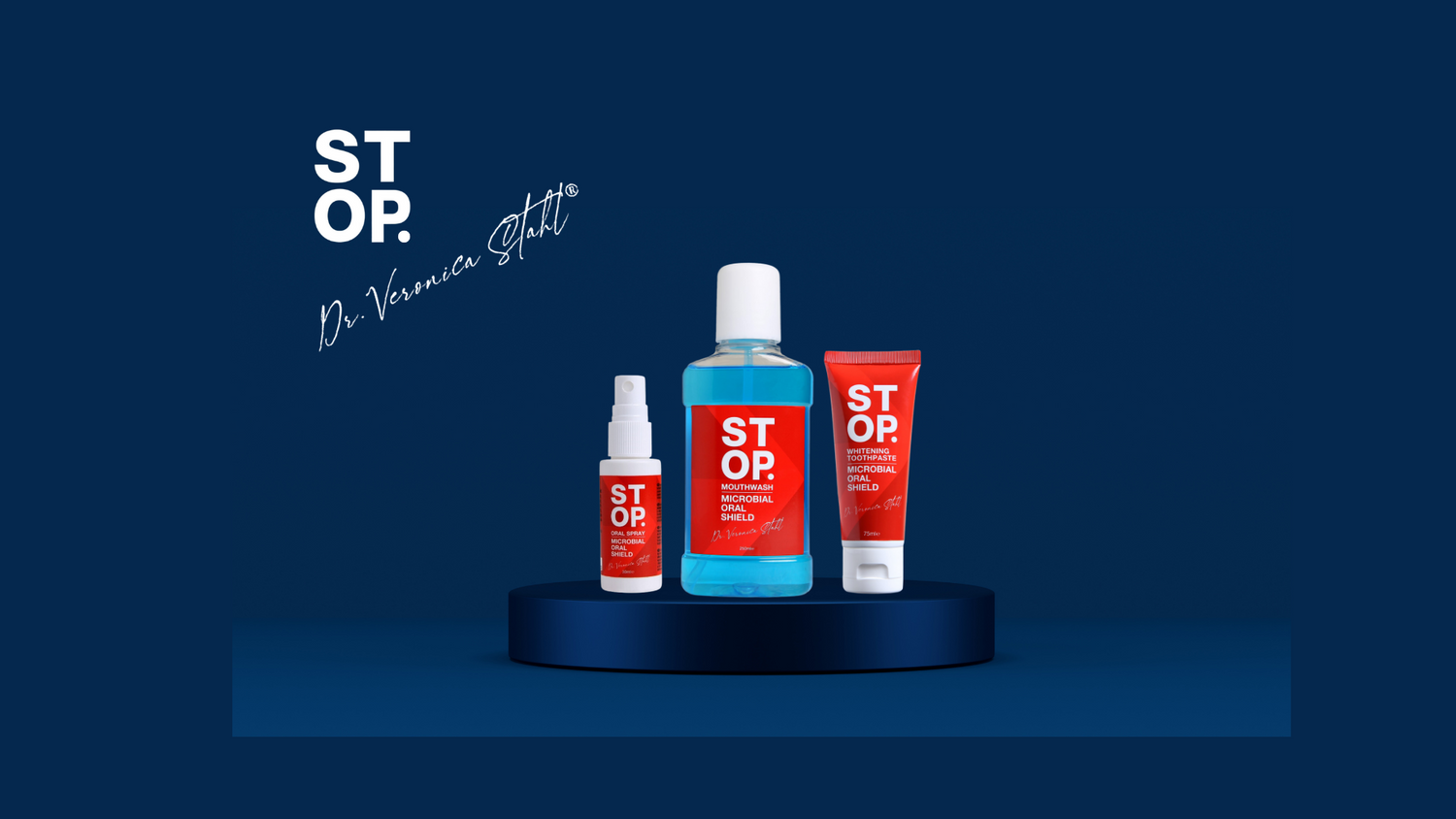
At Stop Oral Care, the product line developed under the direction of Dr. Veronica Stahl integrates botanical active compounds with Dead Sea minerals and hemp-derived ingredients to deliver a fluoride-free oral care experience grounded in clinical science. Each formulation is designed to address specific oral health parameters, including plaque control, gingival inflammation, and sensitivity management. Shop botanical oral care to review the full product catalog, access ingredient documentation, and identify the formulations most aligned with your oral health profile and wellness priorities.
Frequently asked questions
What is the difference between botanical and chemical oral care products?
Botanical oral care uses plant-derived ingredients such as herbs, essential oils, and natural plant extracts as primary active agents, while chemical products rely on synthetic compounds such as fluoride, chlorhexidine, or sodium lauryl sulfate for their antimicrobial and preventive effects.
Are botanical oral hygiene products as effective as fluoride products?
Botanical products can match conventional chemical formulations for plaque and gingivitis reduction of 20 to 40% in several comparative trials, but fluoride retains a clear advantage for caries prevention, particularly in high-risk individuals.
Is botanical oral hygiene safe for kids and sensitive users?
Current evidence indicates that botanical oral care is generally well-tolerated and promising for pediatric and long-term use, provided that products are appropriately formulated and intake of certain essential oils is monitored in young children.
Which botanicals have the best evidence for oral health?
Neem, clove, miswak, and propolis demonstrate the most consistent anti-plaque and antimicrobial effects across published clinical studies, with green tea catechins also showing significant evidence for biofilm adhesion inhibition.
Can I fully replace regular toothpaste with botanical products?
Most individuals with a low to moderate caries risk can use botanical toothpaste as their primary oral hygiene agent, but those with high caries risk or a history of active decay should maintain fluoride supplementation in some form and consult with a dental professional before making a full transition.