

Enamel erosion is caused mainly by repeated acid exposures, both from foods and drinks and from stomach acid, compounded by mechanical wear from brushing, grinding, and clenching. The chemical damage softens enamel; the mechanical forces then strip that softened layer away. Prevention centers on three levers: cutting the frequency of acidic exposure, protecting saliva’s buffering capacity, and timing oral hygiene habits around acid attacks rather than against them.
TL;DR:
- Limiting acidic drinks to mealtimes and using a straw can significantly reduce enamel erosion caused by diet.
- Waiting at least 30 minutes after consuming acids before brushing helps protect softened enamel from mechanical wear.
- Managing saliva flow through hydration, saliva stimulants, or medical treatments is crucial to enhance natural buffering and remineralization.
- Early erosion symptoms include sensitivity and smooth, translucent, or yellowish enamel, while advanced damage requires restorative dental procedures.
- Fluoride-free, pH-balanced oral care products can support oral pH and reduce abrasive strain but should complement, not replace, professional treatment.
Table of Contents
- What Causes Enamel Erosion at the Biological Level?
- Which Foods and Drinks Cause Enamel Erosion?
- Can Medical Conditions Cause Enamel Erosion?
- How Do Brushing and Grinding Contribute to Enamel Wear?
- How Do Dentists Diagnose Enamel Erosion?
- What Are the Best Ways to Prevent Enamel Erosion?
- Can You Reverse Enamel Erosion Once It Starts?
- Where Fluoride-Free, pH-Focused Home Care Fits In
- A Clinician’s View on Realistic Enamel Care
- A Fluoride-Free Option for Your Daily Prevention Routine
- Sources
- FAQ
What Causes Enamel Erosion at the Biological Level?
Enamel starts dissolving once the mouth’s pH drops below approximately 5.5, a threshold cited by the American Dental Association as the point where mineral loss becomes likely. Below that line, hydrogen ions in acid pull calcium and phosphate out of the enamel crystal structure faster than saliva can replace them. This is demineralization, and it happens whether the acid comes from a can of soda or a reflux episode.
A single dip below critical pH does not destroy a tooth. The danger builds with repetition. Each acidic exposure softens the outer enamel layer for a window of time, and if a toothbrush, chewing force, or grinding habit hits that softened surface before saliva restores it, the enamel physically wears away rather than just chemically thins. Research reviewing enamel erosion mechanisms frames this as a multifactorial process, where chemical softening and mechanical force rarely act alone. Erosion, abrasion, and attrition typically overlap, and separating them by symptom alone is difficult without a clinical exam.
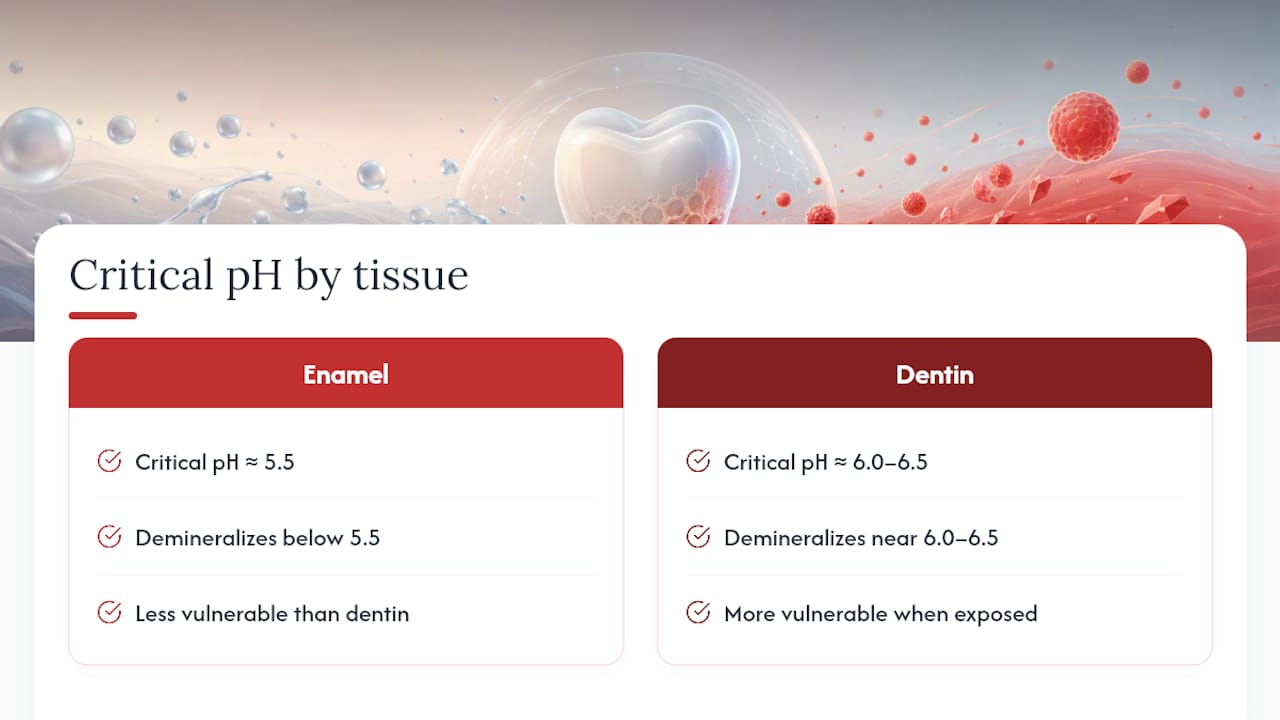
Critical pH in context: enamel begins dissolving around pH 5.5, while dentin (the layer beneath enamel) demineralizes at a higher pH near 6.0 to 6.5, meaning exposed dentin is even more vulnerable to the same acidic conditions that barely touch intact enamel.
Which Foods and Drinks Cause Enamel Erosion?
Diet is the most common source of the acids that wear down enamel, and not every “healthy” choice is safe for teeth. High-risk drinks include colas, sports drinks, fruit juices, and flavored sparkling waters. On the food side, citrus fruits, pickled vegetables, vinegar-based dressings, and sour candies carry enough acid to matter.

A 2016 survey of commercial beverages found that 93% of the 379 drinks tested had a pH below 4.0, well under the 5.5 threshold where enamel starts to soften. That is not a fringe statistic about extreme products. It describes the vast majority of what lines a typical beverage aisle.
pH alone does not tell the whole story. Titratable acidity (how much base it takes to neutralize a drink) and calcium content also shape erosive potential. Some calcium-rich beverages resist causing damage despite a low pH, because the calcium helps offset the mineral pull, according to a Colgate Professional educational review of erosion etiology. A glass of orange juice and a glass of milk with similar acidity can behave very differently on enamel.
Frequency drives risk more than any single exposure. Clinical guidelines from the Royal College of Surgeons identify a higher frequency of acidic intakes per day as associated with increased erosion risk, particularly when saliva buffering is already limited.
Practical ways to lower exposure frequency:
- Confine acidic drinks to mealtimes instead of sipping them throughout the day.
- Use a straw positioned toward the back of the mouth for juices and sodas.
- Avoid swishing or holding acidic beverages in the mouth before swallowing.
- Finish a meal with a dairy product or plain water to help neutralize residual acid.
- Choose still water as the default beverage between meals.
Can Medical Conditions Cause Enamel Erosion?
Not all erosive acid comes from the plate. Gastric acid has a pH often below 2, far more corrosive than most foods or drinks, and it reaches teeth through chronic reflux (GERD), frequent vomiting, or eating disorders like bulimia. This intrinsic pathway tends to produce a distinct pattern: erosion concentrated on the palatal (tongue-side) surfaces of the upper front teeth, since that is where refluxed stomach contents pool. A review of dental erosion’s medical causes describes this pattern as one of the clearer clinical clues pointing dentists toward an underlying gastrointestinal or behavioral cause rather than diet alone.
Saliva is the primary defense the body has against both dietary and gastric acid. It buffers acidity, clears it from the mouth, and supplies calcium and phosphate for remineralization, according to a review of salivary function in oral health. When saliva flow drops, that defense weakens substantially. Conditions and medications linked to reduced saliva include:
- Sjögren’s syndrome and other autoimmune conditions affecting salivary glands.
- Antihistamines, taken regularly for allergies.
- Antidepressants, particularly tricyclics and some SSRIs.
- Radiation treatment to the head or neck.
- Simple dehydration or mouth breathing during sleep.
A dentist should evaluate unexplained palatal wear, persistent reflux symptoms, or any suspicion of an eating disorder. These situations call for coordination between a dentist and a physician, since managing the underlying medical cause matters as much as managing the enamel damage it produces.
How Do Brushing and Grinding Contribute to Enamel Wear?
Mechanical wear splits into three recognized categories, and each interacts with acid differently. Abrasion comes from external friction, most often overly aggressive brushing or an abrasive toothpaste. Attrition is tooth-on-tooth contact, typically from clenching or bruxism. Abfraction describes stress-related flexing at the tooth’s neck, often near the gumline, which some researchers tie to occlusal forces combined with acid softening at that vulnerable junction.
Brushing immediately after an acidic meal or drink is one of the most common, and most avoidable, accelerators of enamel loss. Softened enamel is measurably more susceptible to abrasion right after an acid exposure, which is why clinical guidelines recommend waiting before brushing rather than rushing to it.
Pro Tip: Wait 30 to 60 minutes after eating or drinking anything acidic before you brush. Rinse with plain water in the meantime if you want to feel cleaner sooner.
Three changes reduce mechanical damage without much disruption to your routine:
- Switch to a soft-bristled brush and a low-abrasivity toothpaste, avoiding gritty whitening formulas on already-worn enamel.
- Use light pressure and let the bristles do the work rather than scrubbing.
- If you grind or clench at night, ask a dentist about a fitted night guard to break the attrition cycle.
How Do Dentists Diagnose Enamel Erosion?
Early erosion often shows up as tooth sensitivity to cold, sweet, or acidic foods before any visible damage appears. As it progresses, enamel surfaces can look unusually smooth or glossy, front teeth may develop a slightly translucent edge, and a yellowish tint can emerge as thinning enamel reveals the dentin underneath. Cupped or dished-out depressions on chewing surfaces are a more advanced sign.
Diagnosis typically starts with a detailed history covering diet, medications, reflux symptoms, and habits like teeth grinding. A dentist then maps the pattern and location of wear, since palatal erosion points toward intrinsic acid while cervical lesions near the gumline suggest a mix of acid and mechanical flexure, a combination described in reviews of erosion’s clinical patterns. Salivary flow testing and referral for suspected medical causes may follow. Catching erosion early matters because the management options at that stage, mainly remineralization and behavior change, are far less invasive than the restorative work required once enamel loss becomes structural.
What Are the Best Ways to Prevent Enamel Erosion?
Preventing enamel erosion means addressing frequency, timing, saliva, and topical protection together rather than picking one and ignoring the rest.
- Cut the frequency of acidic exposure first. Limit sodas, juices, and sports drinks to mealtimes, and use a straw when you do drink them. This single change addresses the risk factor with the strongest evidence behind it, since intake frequency above four times daily is linked to significantly higher erosion rates.
- Adjust your brushing schedule around acid exposure, not your meal schedule. Wait 30 to 60 minutes after anything acidic, and stick with a soft brush and a low-abrasivity paste.
- Support saliva production actively. Chew sugar-free gum sweetened with xylitol to stimulate flow, stay hydrated throughout the day, and ask your doctor or dentist whether a current medication might be drying your mouth. Saliva substitutes are available for people with chronic dry mouth from Sjögren’s syndrome or other causes.
- Ask about topical protection. Professional fluoride varnish, high-fluoride prescription toothpaste, or other remineralizing treatments can help harden vulnerable enamel, particularly for patients with ongoing intrinsic acid exposure or dry mouth. A dentist can determine which option fits your risk profile.
Pro Tip: If you already know you’re a “sipper,” someone who nurses a soda or sparkling water for hours, that habit alone may matter more than what you’re actually drinking. Switching to a shorter drinking window with the same beverage often lowers risk more than switching drinks.
Behavior changes that seem minor, like not swishing a drink around before swallowing, come up repeatedly in clinical observations as explaining why two people with similar diets end up with very different erosion outcomes.
Can You Reverse Enamel Erosion Once It Starts?
Enamel cannot regenerate the way skin or bone can, since it contains no living cells once a tooth has erupted. What is possible is remineralization: restoring lost calcium and phosphate to the surface layer of enamel that has softened but not yet been physically worn away. Fluoride, calcium phosphate compounds, and adequate saliva flow all support this process, and it can meaningfully harden early-stage erosion and reduce sensitivity.
Once enamel loss becomes structural, meaning visible dishing, edge translucency, or exposed dentin, remineralization alone will not rebuild that missing tissue. At that stage, dentists turn to restorative options: dental bonding or glass ionomer/composite fillings for moderate loss, and veneers or crowns for more extensive damage. Restorative work on its own is not a durable fix if the underlying cause, whether that is untreated reflux, an eating disorder, or a frequency habit, stays active. Controlling the medical or dietary driver first protects any restoration placed afterward.
Where Fluoride-Free, pH-Focused Home Care Fits In
Some readers managing frequent acid exposure look for home-care formulations built around restoring oral pH rather than relying on fluoride alone. Stop-oralcare’s fluoride-free toothpaste and mouthwash line uses hemp and Dead Sea minerals, developed under Dr. Veronica Stahl’s approach to natural oral care, with the aim of supporting a more balanced oral pH and reducing abrasive strain on already-softened enamel.
These formulations function as an adjunct within a broader prevention plan, not a substitute for the diagnosis, professional fluoride treatment, or medical referral that active erosion may require. Anyone with confirmed erosion, reflux symptoms, or unexplained tooth wear should still see a dentist to identify the underlying cause before relying on any home-care product alone.
A Clinician’s View on Realistic Enamel Care
Enamel erosion cases that involve reflux or eating disorders demand teamwork between dentistry and medicine. No topical product halts progression if the underlying acid source stays unaddressed. Aim for realistic goals: stopping further loss, protecting exposed dentin, and managing sensitivity. If your wear pattern doesn’t match your diet, get it checked early.
— Veronica
A Fluoride-Free Option for Your Daily Prevention Routine
If you already limit acidic drinks, time your brushing carefully, and still want another layer of protection between dental visits, a low-abrasivity, pH-focused formulation can be a reasonable addition to that routine rather than a replacement for professional care. A fluoride-free toothpaste and mouthwash, formulated with hemp and Dead Sea minerals, were built around supporting oral pH balance and reducing the abrasive load on enamel that’s already been softened by acid exposure.
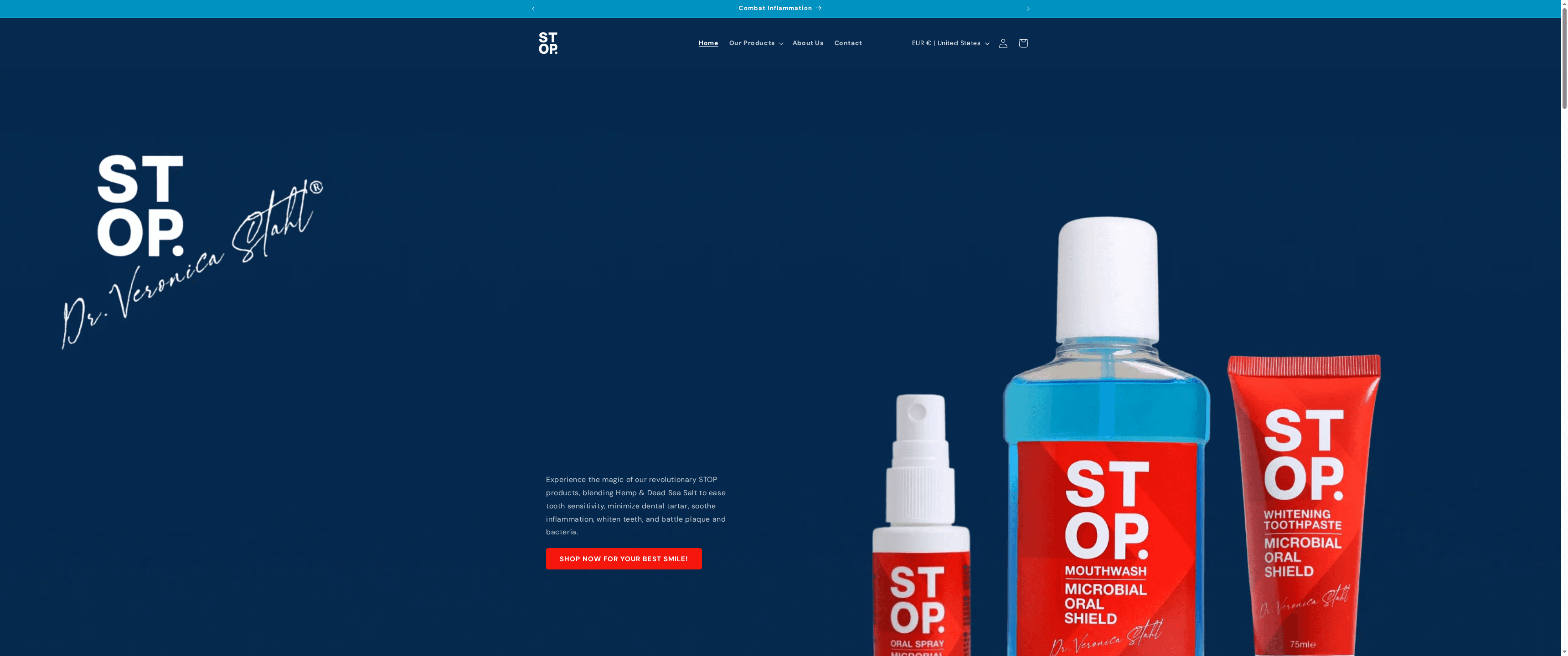
These products are not a diagnostic tool and won’t reverse structural enamel loss, but they fit naturally alongside the habits already covered here, especially for anyone managing frequent acid exposure from diet or reflux. If you want to see the full ingredient breakdown and usage guidance, visit the Stop-oralcare product lineup and check which formulation matches your current oral care needs.
Sources
- Clinical guidelines for dental erosion (Royal College of Surgeons / Faculty of Dental Surgery)
- Dental erosion | American Dental Association
- Dental Erosion and Medical Conditions: An Overview of Aetiology, Diagnosis and Management (PMC)
FAQ
What is the main cause of enamel erosion?
Enamel erosion is caused mainly by repeated exposure to acids, either from acidic foods and drinks or from stomach acid via reflux or vomiting, that lower oral pH below the critical threshold of about 5.5. Mechanical forces like brushing and grinding accelerate the loss once enamel has been chemically softened.
How do dentists fix enamel erosion?
Early-stage erosion is managed with remineralizing treatments like fluoride varnish or high-fluoride toothpaste, alongside behavior changes to reduce acid exposure. More advanced structural loss requires restorative work such as bonding, composite fillings, or crowns, depending on severity.
Can eroded enamel grow back?
No. Enamel has no living cells and cannot regenerate once a tooth has erupted, though early softening can be remineralized and hardened before physical structure is lost.
Is enamel erosion permanent?
Structural enamel loss, such as visible dishing or exposed dentin, is permanent and requires restorative treatment to repair. Early demineralization, however, can often be halted and partially reversed through remineralization before permanent structural damage occurs.