

Fluoride-free toothpaste is an acceptable choice for most pregnant people, provided daily brushing and overall oral hygiene remain consistent. Maintaining oral health during pregnancy carries documented clinical importance, since hormonal changes increase susceptibility to gum inflammation. Readers with a high caries risk or specific dental instructions should discuss fluoride use directly with a dentist before switching products, since individual risk factors change the calculation described in the sections below.
TL;DR:
- Fluoride exposure from toothpaste has limited pregnancy-specific research, but systemic absorption is low if the product is used correctly and not swallowed repeatedly.
- Hydroxyapatite, a mineral similar to natural enamel, has been shown in trials to be as effective as fluoride for cavity prevention and is considered safe for ingestion.
- Switching to fluoride-free toothpaste should involve selecting products with transparent testing, appropriate concentration, and consulting a healthcare provider if conditions raise concerns.
- Routine dental care, including cleanings and necessary procedures, remains essential during pregnancy regardless of toothpaste choice.
- Pregnant individuals with a high risk of cavities or dental health complications should discuss fluoride use with their dentist for personalized guidance.
Table of Contents
- What the research says about fluoride exposure in pregnancy and placental transfer
- Is fluoride toothpaste unsafe during pregnancy? A practical risk framework
- Hydroxyapatite and other fluoride-free actives: what the evidence shows
- How to choose a fluoride-free toothpaste during pregnancy
- Daily oral care routine and dental visits during pregnancy
- Why an evidence-first approach matters for fluoride-free formulation
- Our fluoride-free lineup for pregnancy-conscious routines
- FAQ
- Sources
What the research says about fluoride exposure in pregnancy and placental transfer
Fluoride crosses the placenta to some degree, and researchers study this transfer through maternal blood levels, urinary fluoride concentration, and infant developmental outcomes. These measurements tell us how much fluoride reaches maternal circulation and, indirectly, how much a fetus might be exposed to, but they do not by themselves establish a clear dose-response relationship for typical topical use.

Pregnancy-specific trials on fluoride toothpaste remain limited in number and scope, which restricts how confidently conclusions can be drawn for this population specifically. Much of the available evidence instead comes from broader caries-prevention research, with systematic reviews and meta-analyses generally treated as the strongest form of evidence because they pool results across multiple trials rather than relying on a single study’s findings.
A systematic review and meta-analysis comparing hydroxyapatite and fluoride toothpastes found no statistically significant difference between the two for lesion progression across pooled trials, reporting a risk ratio of 0.98 with a 95% confidence interval of 0.85 to 1.12.
- Fluoride exposure studies typically measure maternal blood or urine levels alongside developmental outcomes in offspring.
- Systematic reviews carry more weight than individual studies because they combine data across trial populations.
- Direct, pregnancy-specific trial data on fluoride toothpaste remain scarce, which limits firm conclusions.
The pooled comparison between hydroxyapatite and fluoride toothpastes showed no significant difference in lesion progression (risk ratio 0.98, 95% CI 0.85–1.12), suggesting the two approaches perform similarly in the trials reviewed.
Is fluoride toothpaste unsafe during pregnancy? A practical risk framework
Topical fluoride exposure from brushing differs meaningfully from systemic fluoride ingestion, and this distinction matters for pregnancy decisions. A pea-size amount of toothpaste, used correctly and spit out rather than swallowed, results in low systemic absorption for most adults. Systemic exposure becomes a more relevant concern with fluoridated water consumption, fluoride supplements, or swallowing toothpaste repeatedly, since dose and frequency drive the physiological effect rather than occasional topical contact.
Some epidemiological and animal studies have raised questions about developmental effects at higher systemic fluoride exposures, though normal brushing behavior generally keeps intake well below those thresholds for adults. Context and quantity, not the mere presence of fluoride, determine the relevant risk picture.
A clinician might reasonably advise switching to fluoride-free toothpaste in several situations:
- Known difficulty avoiding swallowing toothpaste during brushing.
- A documented sensitivity or reaction to fluoride-containing products.
- A personal preference for mineral-based formulations once caries risk has been assessed as low.
Pro Tip: If you are unsure about your personal fluoride exposure from water or supplements, ask your prenatal provider to review your intake before deciding whether to switch toothpaste.
Hydroxyapatite and other fluoride-free actives: what the evidence shows
Hydroxyapatite, often abbreviated HAP, is a mineral compound structurally similar to the mineral content of tooth enamel. Because it closely matches natural enamel composition, it is generally considered biocompatible and safe if swallowed, a property that makes it a frequent recommendation for young children and an appealing option for pregnant people seeking to minimize systemic exposure to active ingredients.
An updated systematic review and meta-analysis concluded that hydroxyapatite in oral care products can reduce caries risk and may be non-inferior to fluoride across a range of trials, while confirming its biocompatibility.
A separate 2025 systematic review of fluoride-free toothpastes retrieved 68 studies on hydroxyapatite-containing products, though only a smaller subset allowed direct comparison with fluoride. This body of work remains encouraging but is not built on pregnancy-specific trials.
- Hydroxyapatite’s structural similarity to enamel explains its biocompatibility and low ingestion risk.
- Trial concentrations in reviewed studies ranged from roughly 0.5% to 30%, with several positive trials in the 5% to 10% range.
- Pregnancy-specific hydroxyapatite trials remain scarce, so extrapolation from general-population data requires caution.
Reviewed trials comparing hydroxyapatite with fluoride toothpaste found no significant difference in caries lesion progression (risk ratio 0.98, 95% CI 0.85–1.12), supporting hydroxyapatite as a reasonable fluoride-free alternative for many users, pending more pregnancy-focused research. For a deeper technical breakdown of how the two actives compare, our hydroxyapatite versus fluoride comparison covers the mechanism in more detail.
How to choose a fluoride-free toothpaste during pregnancy
Selecting a fluoride-free toothpaste during pregnancy benefits from a short, deliberate process rather than a quick shelf-side decision.
- Prioritize evidence-backed actives. Look for hydroxyapatite as the primary active ingredient, and check the listed concentration when the label provides one.
- Verify quality and testing. Favor brands that disclose third-party lab testing or heavy-metal screening, since community reports have previously found contamination in some natural toothpaste products.
- Account for taste and nausea. Pregnancy often changes taste sensitivity, so trial sizes help you find a formula that does not trigger gagging or vomiting; switch products if a flavor consistently causes discomfort.
- Loop in your dentist or prenatal provider. Anyone with a high decay risk, active dental work, or specific clinical guidance should confirm the switch before relying on a fluoride-free product exclusively.
Our safe oral care ingredients reference lists active ingredients worth seeking out alongside additives many pregnant users choose to avoid.
Pro Tip: Keep a small travel-size tube in your bag during the first trimester, since changing formulas on the fly is easier when nausea strikes unexpectedly.
Daily oral care routine and dental visits during pregnancy
A consistent daily routine remains the foundation of oral health in pregnancy regardless of which toothpaste you choose. Brush twice daily with a pea-size amount, rinse thoroughly, and clean between teeth daily with floss or an interdental brush. Morning sickness can make brushing difficult; rinsing with water first and waiting a short interval before brushing after vomiting helps protect enamel already softened by stomach acid.
Routine dental cleanings and exams are considered safe throughout pregnancy and should not be skipped, since pregnancy gingivitis is common and tends to worsen without attention. Tell your dentist about your pregnancy, any medications, and your toothpaste choice at the start of the visit.
- Brush twice daily with a pea-size amount and spit rather than swallow.
- Clean interdentally once a day with floss or an interdental brush.
- Keep routine cleanings and urgent dental care on schedule; avoid delaying treatment for pain or infection.
- Mention your pregnancy and any product changes to your dental team at every visit.
Elective procedures, such as cosmetic whitening treatments, are commonly postponed until after delivery, while necessary treatment for pain, infection, or decay should proceed without delay. For gum-specific concerns, our pregnancy gingivitis guidance outlines what tends to help and when to seek care, and for broader context on topical product safety during pregnancy, this trimester-by-trimester skincare guide offers useful parallels for evaluating ingredient lists.
Why an evidence-first approach matters for fluoride-free formulation
Formulating oral care for pregnancy means weighing safety and effectiveness together rather than treating them as separate questions. The evidence on hydroxyapatite is promising but still developing, particularly for pregnant populations specifically, so we favor transparency about what the data does and does not show. Every reader’s dental risk differs, and no single formula replaces a conversation with your own dentist.
— Veronica
Our fluoride-free lineup for pregnancy-conscious routines
We formulate our products around hydroxyapatite and other mineral-based actives, combined with hemp and Dead Sea minerals, specifically to avoid the systemic fluoride question altogether while still targeting enamel protection and gum health.
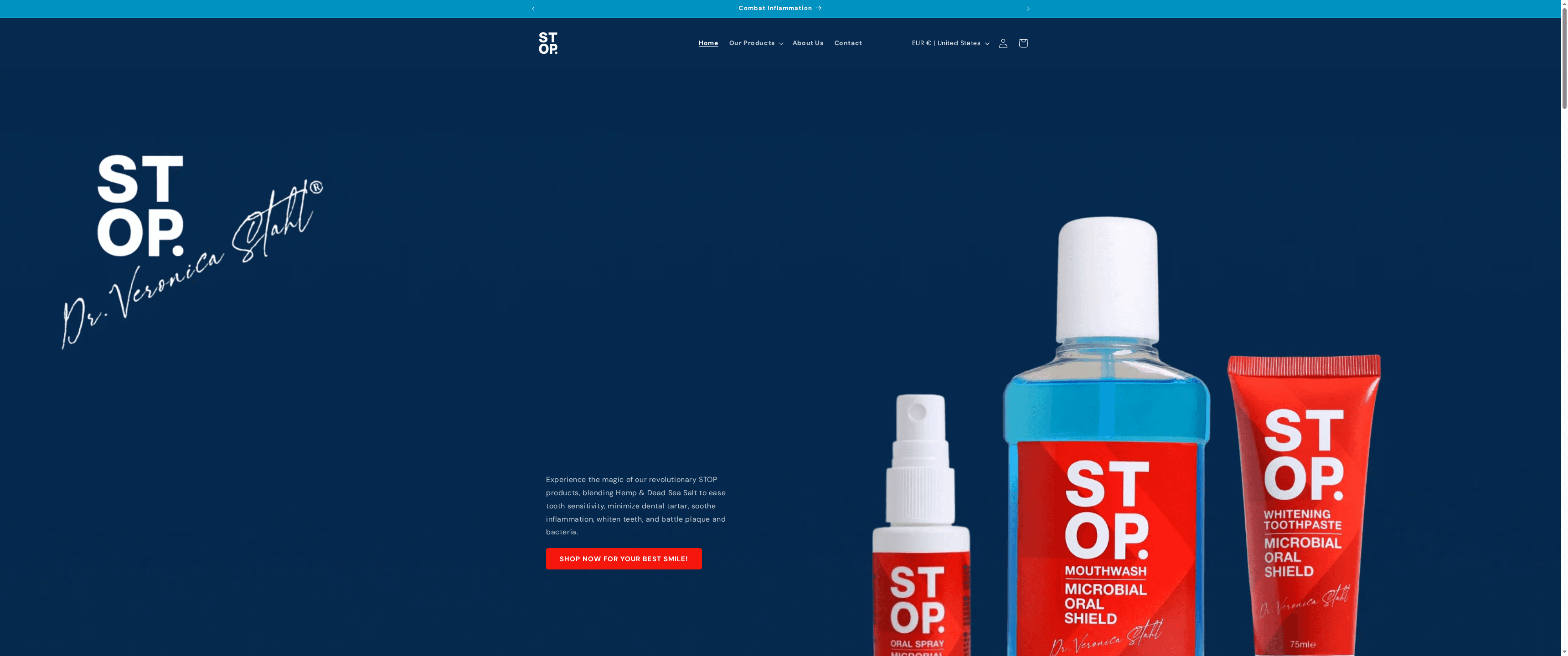
- STOP | Protective & Whitening Toothpaste pairs mineral actives with a whitening function for everyday brushing.
- STOP | Mouthwash supports the toothpaste routine with an additional fluoride-free rinse step.
- STOP | Protective Oral Spray offers a portable option for moments when brushing is not convenient, including during nausea episodes.
Because these formulas skip fluoride entirely, they suit pregnant users who have decided, ideally after a conversation with their dentist, that a mineral-based approach fits their needs. Check the full ingredient list and details on our product page before adding any item to your routine, and bring your dentist into the decision if your risk profile calls for it.
This article is general information, not a substitute for advice from a qualified doctor. Consult a qualified healthcare professional about your own circumstances before acting on anything here.
FAQ
Is it safe to use fluoride toothpaste during pregnancy?
Standard fluoride toothpaste, used correctly in pea-size amounts and spit out rather than swallowed, is generally considered low risk during pregnancy. People with specific concerns about systemic fluoride exposure, such as high fluoridated water intake, should discuss their situation with a dentist rather than assume one answer fits everyone.
What toothpaste ingredients should I avoid while pregnant?
Many pregnant users choose to avoid toothpastes without disclosed heavy-metal testing, since contamination has been reported in some natural product lines in the past. Checking for third-party lab verification and a clear ingredient list, as outlined in our safe ingredients reference, helps narrow the field.
Can fluoride cross the placenta?
Fluoride does cross the placenta to some degree, and researchers track this through maternal blood and urinary fluoride measurements alongside infant outcomes. The available data do not establish a clear risk from typical topical toothpaste use, though pregnancy-specific trials remain limited.
Why do some parents avoid fluoride for their children?
Some parents prefer to avoid fluoride due to concerns about systemic exposure in young children, who are more likely to swallow toothpaste than adults. Hydroxyapatite is frequently chosen as an alternative in these cases because it is biocompatible and considered safe if ingested, based on systematic review evidence.
Is hydroxyapatite toothpaste as effective as fluoride for cavity prevention?
Pooled trial data show no significant difference between hydroxyapatite and fluoride toothpastes for lesion progression, with a risk ratio of 0.98. This suggests hydroxyapatite performs comparably in many of the reviewed trials, though more pregnancy-specific research would strengthen that conclusion.
Sources
- Clinical evidence of caries prevention by hydroxyapatite: An updated systematic review and meta-analysis
- The role of hydroxyapatite-based, fluoride-free toothpastes on the prevention and the remineralization of initial caries lesions: A systematic review and meta-analysis
- Fluoride-free toothpastes for caries prevention: a systematic review