

TL;DR:
- Gum disease is a bacterial infection that progresses from gingivitis to periodontitis if untreated. Preventing it requires correct daily plaque removal, professional check-ups, and managing systemic health factors like smoking and diabetes. Proper technique, consistent interdental cleaning, and early treatment of warning signs effectively keep gums healthy.
Gum disease is defined as a bacterial infection of the tissues surrounding and supporting the teeth, progressing from reversible gingivitis to irreversible periodontitis if left untreated. The condition affects a substantial proportion of UK adults, with the NHS and the European Federation of Periodontology both recognizing it as largely preventable through consistent daily care. Knowing how to prevent gum disease in the UK requires more than brushing twice a day. It demands a structured approach combining correct technique, professional oversight, and lifestyle management. The good news: when these elements align, gum disease is one of the most preventable chronic oral conditions.
What are the best oral hygiene practices to prevent gum disease?
Effective gum disease prevention begins with mechanical plaque removal performed correctly and consistently every day. Plaque is a soft, sticky bacterial biofilm that forms on tooth surfaces and along the gumline. When it accumulates undisturbed, it triggers the inflammatory response that defines gingivitis.

Brushing technique and timing
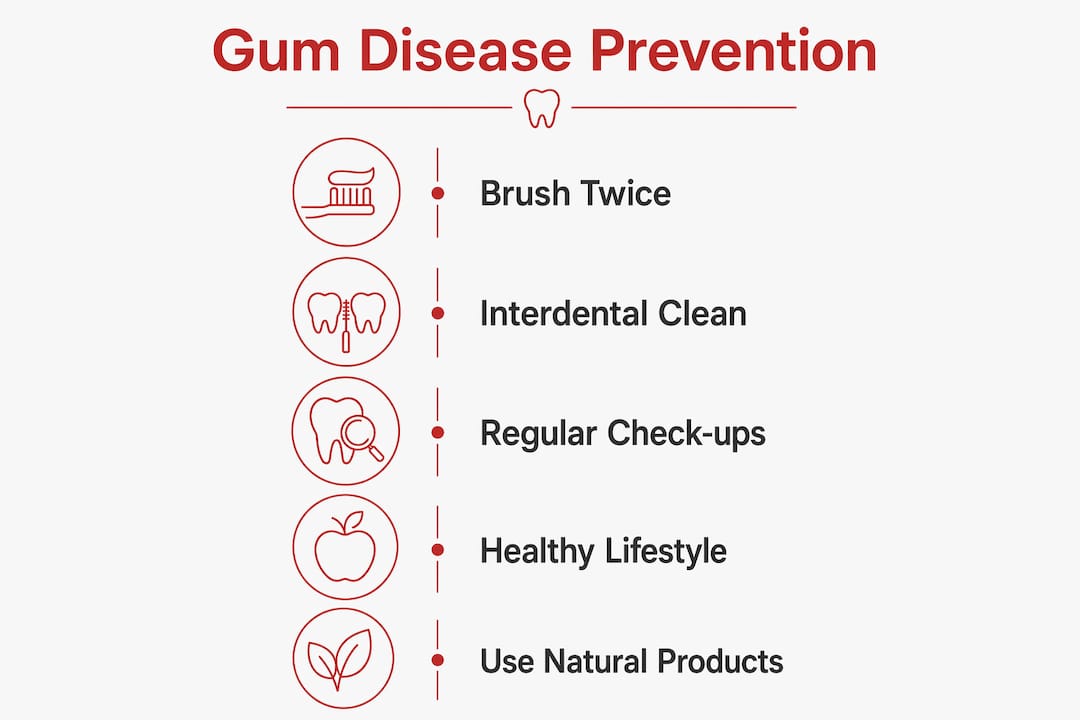
Brush twice daily for a minimum of 2 minutes each session, using a soft-bristled or electric toothbrush angled at 45 degrees toward the gumline. That angle directs the bristles into the sulcus, the shallow groove between tooth and gum, where early plaque accumulation occurs. The optimal daily routine totals 5.5 to 8 minutes when interdental cleaning is included.
Technique matters as much as duration. Gentle circular motions remove plaque without abrading enamel or traumatizing gum tissue. Scrubbing back and forth with force is counterproductive. It wears enamel down and causes gum recession over time without improving plaque removal.
Timing also affects enamel integrity. Wait at least 30 minutes after consuming sugary or acidic foods before brushing. Acidity temporarily softens enamel, and brushing during that window increases erosion risk. Rinsing with water immediately after eating neutralizes the pH and protects the enamel surface in the interim.
Pro Tip: After brushing, spit out the toothpaste but do not rinse with water. This preserves the fluoride film on tooth surfaces, extending its protective effect against enamel demineralization.
Interdental cleaning and tongue care
Brushing alone cleans only three of five tooth surfaces. The spaces between teeth require dedicated interdental cleaning with floss, interdental brushes, or water flossers. Skipping this step leaves the contact points between teeth, where gum disease frequently originates, completely unaddressed.
Tongue cleaning reduces the total bacterial load in the mouth. A significant volume of oral bacteria colonizes the tongue’s surface and contributes to plaque reformation on teeth. Incorporating a tongue scraper or the reverse side of a toothbrush into the daily routine supports a lower bacterial environment overall.
For a detailed step-by-step approach to plaque removal techniques, Stop-oralcare provides guidance on gentle, effective methods that protect gum tissue during daily cleaning.
How often should you see dental professionals to prevent gum disease?
Professional dental care removes tartar, the calcified form of plaque that no home tool can eliminate once it has hardened. Tartar accumulation below the gumline drives chronic inflammation and accelerates disease progression. Home care prevents plaque from becoming tartar, but once tartar forms, professional intervention is the only solution.
Recommended visit frequency
Recommended check-up intervals range from 3 to 24 months depending on individual risk profile. A person with healthy gums, no systemic conditions, and excellent home care may attend annually. A person with active gum disease, a history of periodontitis, or significant risk factors requires appointments every 3 to 6 months.
The following factors indicate a need for more frequent professional visits:
- Active or recently treated periodontitis
- Smoking or recent cessation
- Poorly controlled diabetes
- Pregnancy (hormonal changes elevate gum inflammation risk)
- Dry mouth caused by medication
- Orthodontic appliances that complicate cleaning
Regular professional maintenance every 3 to 4 months benefits patients with a history of periodontitis specifically. More frequent cleanings allow clinicians to monitor pocket depths, remove harmful deposits, and adjust home care recommendations before disease progresses.
What to expect at a dental check-up
| Procedure | Purpose |
|---|---|
| Pocket depth measurement | Detects gum recession and bone loss |
| Scaling and polishing | Removes tartar and surface staining |
| Plaque score assessment | Quantifies home care effectiveness |
| Radiographs (when indicated) | Reveals bone levels not visible clinically |
| Personalized home care advice | Tailors brushing and interdental technique to individual anatomy |
Dentists and hygienists provide personalized guidance that generic advice cannot replicate. Gum anatomy, tooth alignment, and systemic health all affect which tools and techniques work best for a given individual.
What lifestyle and systemic factors influence gum disease risk?
Mechanical cleaning addresses the local bacterial environment, but systemic and behavioral factors determine how the body responds to that bacterial challenge. Lifestyle factors impact gum disease susceptibility beyond mechanical cleaning alone.
Smoking, diet, and hydration
Smoking significantly increases gum disease risk by compromising immune response and impairing tissue healing. Smokers experience more severe disease progression and respond less effectively to treatment than non-smokers. Quitting smoking produces measurable improvements in gum health outcomes, even in patients with established disease.
Diet quality directly affects the oral bacterial environment. A diet high in refined sugars feeds the acid-producing bacteria responsible for both tooth decay and gum inflammation. Increasing fiber intake, reducing processed sugar, and staying well hydrated all reduce bacterial proliferation and support saliva production, which is the mouth’s natural defense mechanism.
Pro Tip: Drinking water throughout the day, particularly after meals, helps wash away food debris and maintain a neutral oral pH. This simple habit reduces the bacterial load between brushing sessions.
Diabetes, stress, and sleep
Managing systemic factors like stress, sleep, and blood glucose directly supports immune function and reduces susceptibility to gum infection. Poorly controlled blood sugar impairs the body’s ability to fight bacterial infection, including in the gums. Diabetics with well-managed glucose levels show significantly better periodontal outcomes than those with poor glycemic control.
Chronic stress elevates cortisol, which suppresses immune response and delays tissue repair. Poor sleep compounds this effect. Addressing stress through structured sleep schedules, physical activity, and stress management techniques produces measurable benefits for gum health that brushing alone cannot achieve.
What are common mistakes in gum disease prevention?
Many people follow a daily oral hygiene routine and still develop gum disease. The cause is usually technique error, incomplete coverage, or ignoring early warning signs rather than a lack of effort.
“Early gum disease signs like bleeding gums, redness, and bad breath are often painless and easily ignored. Ignoring these signs can lead to irreversible periodontitis and bone loss. Prompt care at the first sign of bleeding is the most effective way to prevent disease progression.”
The most common prevention errors include:
- Incomplete brushing coverage: Most people consistently miss the same areas, typically the inner surfaces of lower front teeth and the back molars. Varying the starting point of each brushing session reduces this pattern.
- Overbrushing: Applying excessive pressure causes gum recession and enamel wear without improving plaque removal. Plaque is soft and requires only light pressure to dislodge.
- Inconsistent interdental cleaning: Flossing three times a week produces far less benefit than daily cleaning. Biofilm reforms within 24 hours, making daily frequency the clinical standard.
- Ignoring bleeding gums: Bleeding during brushing is not normal. It signals active inflammation and warrants prompt professional assessment rather than avoidance of the area.
Plaque-disclosing tablets reveal missed areas by staining residual plaque a visible color after brushing. Research indicates that many people miss up to 40% of tooth surfaces during routine brushing. Using disclosing tablets once a week identifies persistent gaps in technique and enables targeted correction.
Gingivitis is reversible through consistent home care, but once plaque calcifies into tartar, professional removal becomes necessary. Periodontitis cannot be reversed at home. Mechanical removal of tartar and professional intervention are required to stop its progression. Catching the condition at the gingivitis stage is the most effective and least costly outcome.
For a structured approach to maintaining healthy gums, Stop-oralcare offers a practical checklist covering brushing duration, brush selection, and technique refinement.
Key Takeaways
Preventing gum disease requires daily mechanical plaque removal with correct technique, regular professional care, and systemic health management working together as a unified strategy.
| Point | Details |
|---|---|
| Brush correctly, not just often | Use a 45-degree angle, gentle circular motions, and brush for 2 minutes twice daily. |
| Clean between teeth daily | Floss or use interdental brushes every day; biofilm reforms within 24 hours. |
| Attend professional check-ups | Visit every 3–24 months based on risk; high-risk patients need every 3–6 months. |
| Address systemic risk factors | Control blood sugar, quit smoking, manage stress, and prioritize sleep. |
| Act on early warning signs | Bleeding or red gums signal active inflammation and require prompt professional review. |
Prevention over treatment: a clinical perspective
Patients frequently ask me whether their home care routine is sufficient. My honest answer is that technique matters far more than product selection. I have seen patients using premium electric toothbrushes who still develop gingivitis because they rush through brushing or skip interdental cleaning entirely. The two-minute standard is a floor, not a ceiling.
What I find most underappreciated is the role of systemic health. Patients who manage their diabetes carefully, sleep consistently, and reduce chronic stress show measurably better gum health than those who rely solely on brushing. The mouth does not exist in isolation. Treating it as a separate system from the rest of the body is the most common misconception I encounter in clinical practice.
The EFP S3-level clinical practice guidelines confirm that personalized, professionally supported care combining behavioral interventions with mechanical plaque removal is the current standard for effective prevention. That means your dentist or hygienist is not optional. They are the part of the system that catches what home care misses.
My recommendation: schedule a professional assessment, ask for a plaque score, and use that number as your baseline. Then build a daily routine around the specific areas your technique currently misses. Prevention is not a product. It is a practice.
— Veronica
Natural oral care products that support gum health
Consistent home care and professional visits form the foundation of gum disease prevention. The products you use at home complement that foundation by supporting a healthy oral environment between appointments.

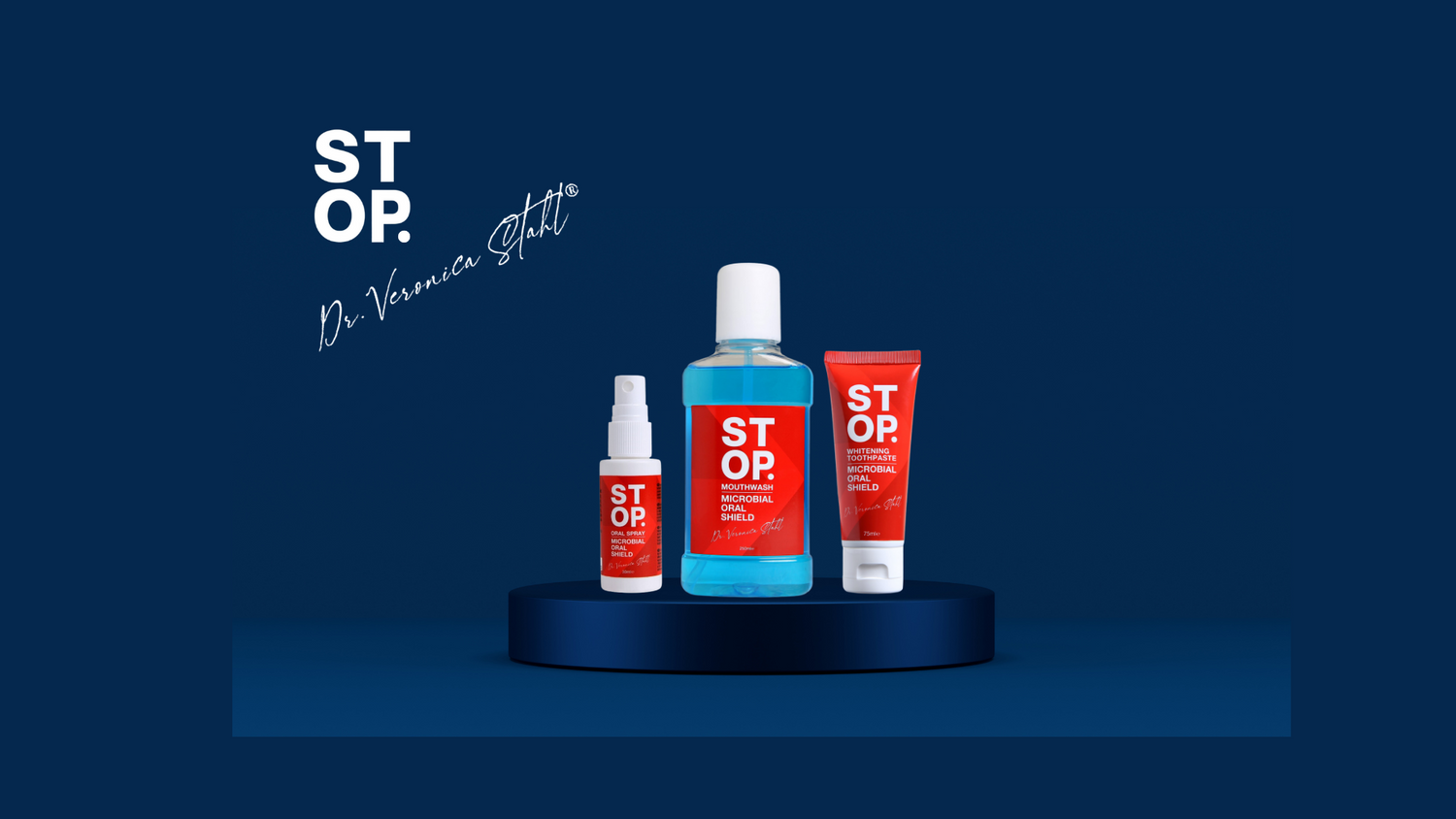
Stop-oralcare formulates its oral care line with hemp and Dead Sea minerals, ingredients selected for their documented antimicrobial and anti-inflammatory properties. The range includes toothpaste, mouthwash, and oral sprays designed to support gum tissue health without synthetic additives. For those seeking fluoride-free alternatives backed by scientific research, Stop-oralcare’s natural oral care products offer a clinically informed option. Pairing these products with the brushing and interdental techniques described above gives your daily routine both mechanical and biochemical support.
FAQ
What is the difference between gingivitis and periodontitis?
Gingivitis is the early, reversible stage of gum disease characterized by gum inflammation without bone loss. Periodontitis is the advanced stage involving irreversible damage to the bone and connective tissue supporting the teeth.
How do I know if I have early gum disease?
Bleeding gums during brushing, persistent bad breath, redness, and gum sensitivity are the primary early indicators. These signs are often painless, which is why they are frequently ignored until the condition advances.
Can gum disease be prevented without a dentist?
Gingivitis can be reversed through consistent home care, but tartar removal and disease monitoring require professional intervention. Regular dental visits remain a necessary component of any effective prevention strategy.
How often should I use interdental brushes or floss?
Daily use is the clinical standard. Bacterial biofilm reforms within 24 hours, so cleaning between teeth less frequently than daily allows plaque to accumulate at the contact points where gum disease most commonly begins.
Does diet affect gum disease risk?
A diet high in refined sugars feeds acid-producing oral bacteria and increases inflammation risk. Reducing sugar intake, staying hydrated, and eating a fiber-rich diet all support a lower-risk oral environment.
Recommended
- A Practical Guide to Using CBD for Gum Disease Treatment – Stop Oral Care
- How to Prevent Gingivitis Naturally: Simple Steps for Healthy Gums – Stop Oral Care
- Top oral health tips in the UK: Expert guide to natural care – Stop Oral Care
- How to Improve Gum Health Naturally: Simple Steps for a Brighter Smile – Stop Oral Care