

TL;DR:
- Foundation practices like brushing twice daily and interdental cleaning remain essential for all oral care routines.
- Natural ingredients such as hydroxyapatite, hemp oil, and Dead Sea minerals show promising, evidence-supported benefits.
- Fluoride is still the gold standard, but natural alternatives like HAP are viable for low-to-moderate risk individuals.
Navigating oral health advice in the UK presents a genuine challenge for those seeking natural, fluoride-free solutions. Official guidance from the NHS and Gov.uk establishes clear preventive standards, while a growing body of research supports innovative ingredients such as hydroxyapatite (HAP), hemp oil, and Dead Sea minerals as viable alternatives or complements. For health-conscious individuals, reconciling these two streams of information requires a structured, evidence-based approach. This article presents expert-backed oral health tips grounded in clinical evidence, covering foundational practices, natural active ingredients, the fluoride versus fluoride-free debate, and actionable routine-building strategies tailored to the UK context.
Table of Contents
- Establishing your oral health foundation: NHS guidelines and why they matter
- Exploring natural alternatives: Innovative ingredients like hydroxyapatite, hemp, and Dead Sea minerals
- Fluoride versus fluoride-free: Weighing benefits, risks, and expert opinion in the UK
- Expert tips for a complete, natural oral care routine in the UK
- Our take: Why the future of UK oral health is truly personalized (and natural)
- Take charge of your oral care journey
- Frequently asked questions
Key Takeaways
| Point | Details |
|---|---|
| NHS basics work | Brushing, flossing, reducing sugar, and regular dental visits remain essential for everyone in the UK. |
| Natural ingredients proven | Hydroxyapatite offers caries protection on par with fluoride, and hemp and Dead Sea minerals are safe innovative choices. |
| Tailor your routine | Choose ingredients and frequency according to your needs and risk profile for optimal oral health. |
| Professional input vital | See your dentist for personalized strategies, especially if you wish to use fluoride-free products but have high caries risk. |
Establishing your oral health foundation: NHS guidelines and why they matter
Any effective oral care strategy, regardless of ingredient philosophy, must be built on a foundation of established preventive practices. The NHS recommends brushing twice daily with fluoride toothpaste (1000 to 1500ppm) to prevent tooth decay, clean between teeth daily, reduce sugar intake, and attend regular dental check-ups. These recommendations reflect decades of epidemiological data and remain the cornerstone of oral health in the UK.
Core foundational practices include:
- Brushing duration and frequency: Two minutes, twice daily, using a soft-bristled brush and systematic technique
- Interdental cleaning: Daily flossing or use of interdental brushes to disrupt plaque in areas a toothbrush cannot reach
- Spitting, not rinsing: After brushing, spit out excess toothpaste but do not rinse with water, which removes active agents from the tooth surface
- Dietary modification: Limiting fermentable carbohydrates and acidic beverages reduces substrate availability for cariogenic bacteria
- Regular dental visits: Professional assessment and early intervention remain irreplaceable components of oral health maintenance
“The mechanics of brushing matter as much as the product used. Technique, timing, and consistency are the variables most within an individual’s control.”
These principles apply universally, whether you use a conventional fluoride paste or a mineral-based fluoride-free formulation. Establishing natural oral health habits that align with these fundamentals ensures that any active ingredient you choose operates within an optimized oral environment. An oral hygiene checklist can help you audit your current routine against these evidence-based benchmarks.
Pro Tip: Before switching to any natural or fluoride-free product, confirm that your brushing technique and interdental cleaning habits are already consistent. Active ingredients cannot compensate for mechanical deficiencies in plaque removal.
Exploring natural alternatives: Innovative ingredients like hydroxyapatite, hemp, and Dead Sea minerals
Building on the core practices, let’s look at the next generation of natural actives now supported by peer-reviewed research.
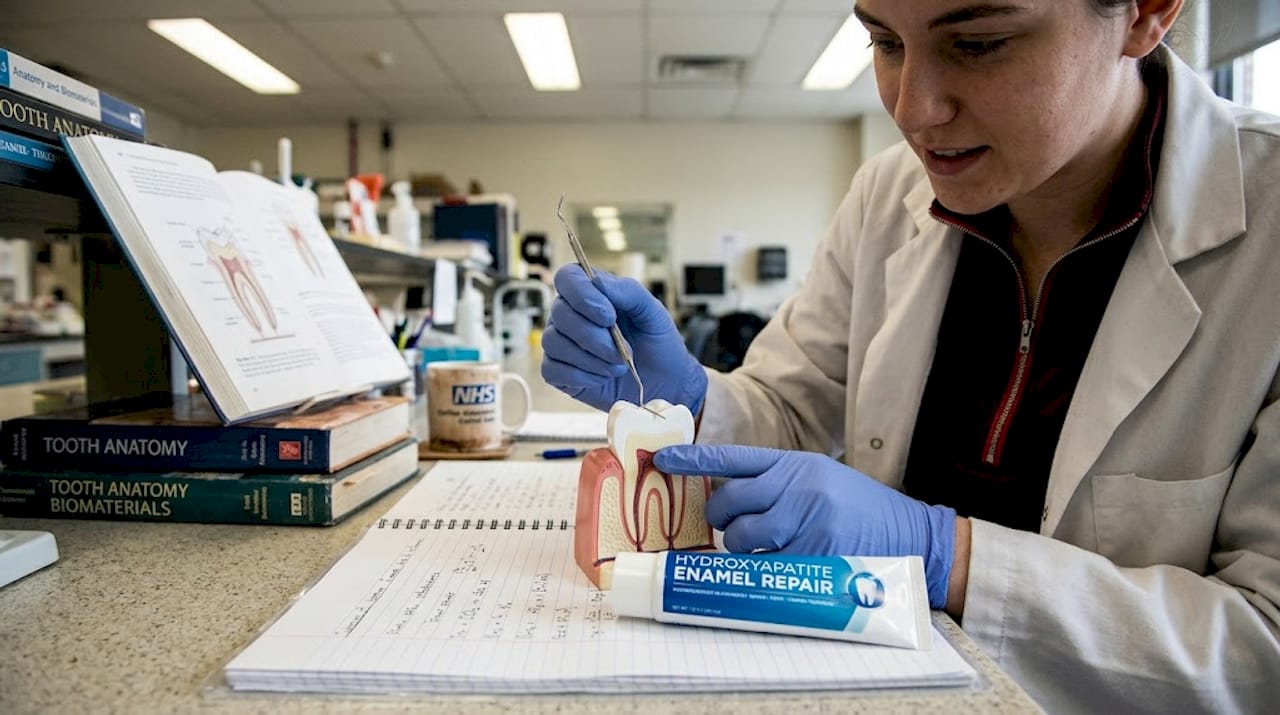
Hydroxyapatite (HAP) is a calcium phosphate compound that constitutes approximately 97% of tooth enamel by weight. Its biomimetic properties allow it to integrate directly into enamel crystalline structure, facilitating remineralization through a mechanism distinct from fluoride. HAP toothpaste is effective for caries prevention, with efficacy comparable to fluoride in controlled clinical trials. This positions HAP as the most clinically validated natural alternative currently available.
Hemp oil, derived from Cannabis sativa, contains cannabidiol (CBD) and a profile of omega-3 and omega-6 fatty acids. Preclinical and early clinical data suggest anti-inflammatory and antimicrobial properties relevant to periodontal health, including inhibition of Streptococcus mutans and modulation of gingival inflammatory pathways. Evidence remains less robust than for HAP, but the mechanistic rationale is well-supported.
Dead Sea minerals, including magnesium, calcium, potassium, and bromide salts, provide trace elements that support enamel strengthening and oral pH regulation. Their inclusion in oral care formulations is supported by their established dermatological applications and mineral bioavailability data.
| Ingredient | Primary mechanism | Evidence level | Best use case |
|---|---|---|---|
| Hydroxyapatite | Enamel remineralization | High (RCTs) | Caries prevention, sensitivity |
| Hemp oil | Anti-inflammatory, antimicrobial | Moderate (preclinical) | Gum health, biofilm reduction |
| Dead Sea minerals | pH balance, enamel support | Emerging | Enamel strengthening, sensitivity |
| Fluoride | Fluorapatite formation | High (decades of data) | Caries prevention, high-risk patients |
For those comparing formulations, the hydroxyapatite vs fluoride comparison provides detailed mechanistic and clinical analysis. A broader review of best mineral-based oral care options is also available for those evaluating multiple actives simultaneously.
Pro Tip: When transitioning to a new active ingredient, monitor your teeth and gums for at least four to six weeks before assessing efficacy. Short-term assessments are insufficient to detect remineralization changes.
Fluoride versus fluoride-free: Weighing benefits, risks, and expert opinion in the UK
With natural actives on the rise, how do they compare with official recommendations for fluoride?
Fluoride remains the NHS gold standard for caries prevention, particularly for individuals with high caries risk. Fluoride toothpaste reduces caries risk, and its daily use has been attributed to the global decline in dental caries observed over recent decades. This evidence base is extensive and longitudinal, making fluoride the default recommendation in UK clinical guidelines.
Emerging evidence supports HAP as a viable natural alternative, though it is not yet a standard clinical recommendation in UK public health policy. For low-to-moderate risk individuals with consistent oral hygiene practices, HAP-based formulations may provide equivalent caries protection.
| Factor | Fluoride toothpaste | Fluoride-free (HAP-based) |
|---|---|---|
| Caries prevention evidence | Extensive (decades, RCTs) | Growing (recent RCTs) |
| Mechanism | Fluorapatite crystal formation | Biomimetic enamel integration |
| Safety concerns | Fluorosis risk at high doses | No known systemic risk |
| NHS recommendation | Primary standard | Not yet standard |
| Best suited for | High-risk, all ages | Low-to-moderate risk adults |
How to decide which approach fits your routine:
- Assess your caries risk with your dentist, including diet, saliva flow, and medical history
- Consider your sensitivity to fluoride or preference for natural formulations
- Review the evidence for fluoride-free toothpaste effectiveness in your specific risk category
- If high-risk, discuss professional fluoride varnish applications with your dental provider
- Explore 2026 fluoride-free mineral toothpastes as supplementary or primary options based on your assessment
- Implement your chosen approach within a fluoride-free dental workflow that integrates all preventive components
“High-risk patients should not substitute professional fluoride interventions with natural alternatives without explicit guidance from a qualified dental practitioner.”
Expert tips for a complete, natural oral care routine in the UK
Now that you understand the options and trade-offs, how do you implement a routine that works?
A structured, natural oral care routine integrates NHS-endorsed mechanics with evidence-supported natural actives. The following steps reflect current best practice for UK adults seeking a science-aligned, gentle approach.
- Morning brush: Brush for two minutes twice daily using your chosen active, applying consistent pressure across all tooth surfaces and the gingival margin
- Interdental cleaning: Floss or use interdental brushes once daily, ideally before your evening brush, to disrupt interproximal biofilm
- Tongue cleaning: Use a tongue scraper or the reverse of your toothbrush to reduce volatile sulfur compound-producing bacteria, which contribute to halitosis
- Active ingredient selection: Choose HAP, hemp oil, or Dead Sea mineral formulations based on your risk profile and clinical needs, referencing the comparison data above
- Spit, do not rinse: Retain active agents on the tooth surface post-brushing for maximum contact time
- Dietary discipline: Limit sugar and acidic food intake, particularly between meals, to reduce acid challenge frequency
- Dental check-ups: Schedule professional assessments every six to twelve months, adjusting frequency based on your dentist’s recommendation
- Routine review: Reassess your product selection and technique annually or following any change in oral health status
For a structured reference, the dental care essentials checklist provides a practical audit tool aligned with these steps.
Pro Tip: Older adults and those with gingival recession or xerostomia (dry mouth) may benefit from higher-concentration HAP formulations or additional mineralizing rinses. Adjust product selection based on age-related oral changes and consult your dentist before modifying a long-standing routine.
Our take: Why the future of UK oral health is truly personalized (and natural)
With all the evidence in mind, here is our experience-driven perspective on where UK oral health is headed.
NHS guidelines represent a critical public health framework, and their foundational value is not in dispute. However, the emergence of clinically validated alternatives such as HAP, hemp oil, and Dead Sea minerals signals a meaningful shift in how oral health can be managed at the individual level. The HAP vs fluoride insights now available demonstrate that the binary choice between fluoride and fluoride-free is increasingly obsolete.
Personalized oral care, informed by individual risk assessment, ingredient science, and regular professional oversight, represents a more precise and potentially more effective model than uniform population-level guidance. UK consumers are well-positioned to leverage both established and emerging evidence to construct routines that align with their health values and clinical needs. Natural and science-based approaches are not mutually exclusive. They are, in fact, increasingly convergent. The most effective oral care strategy in 2026 is one that integrates rigorous mechanics, evidence-supported actives, and consistent professional review.
Take charge of your oral care journey
Ready to personalize your routine and embrace innovative, natural oral care?
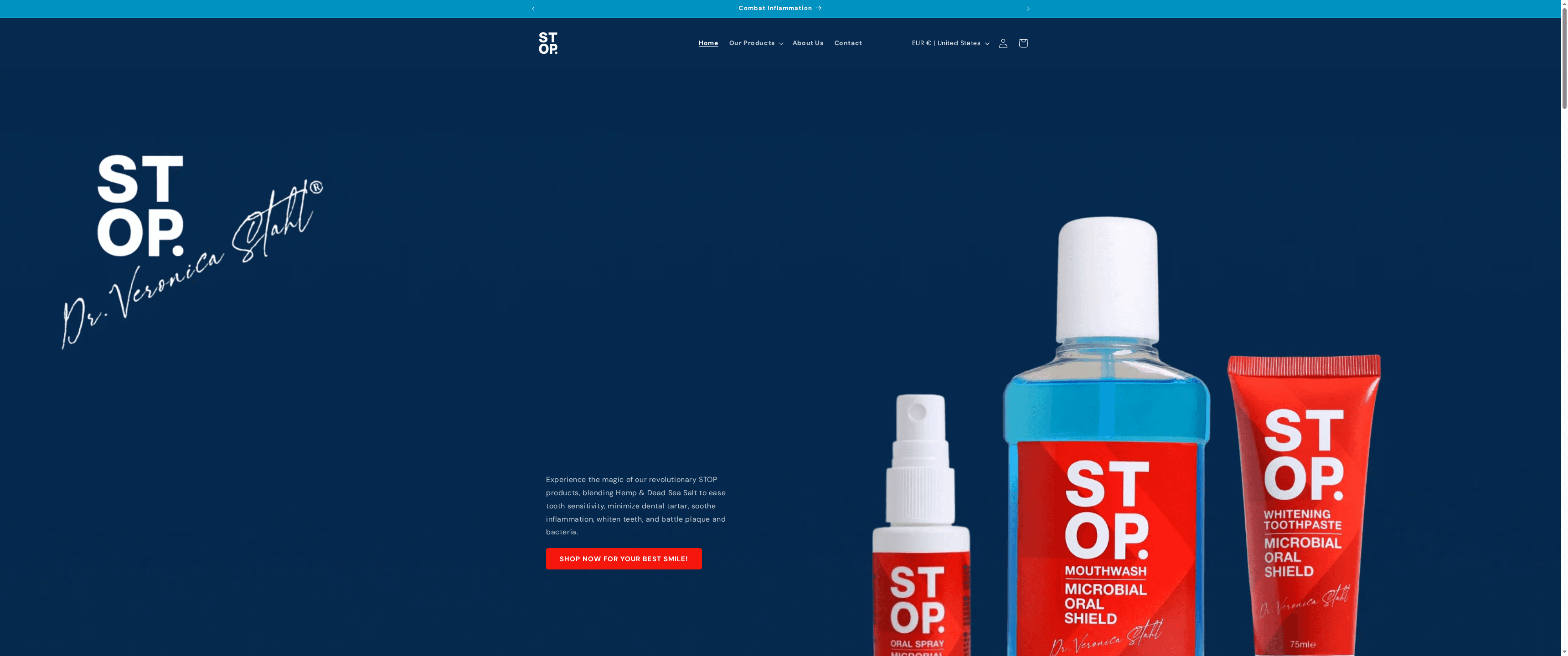
At Stop Oral Care, you will find a curated range of natural, scientifically supported oral health products formulated with hemp, Dead Sea minerals, and other evidence-backed actives. Each product is developed under the guidance of Dr. Veronica Stahl, integrating clinical dentistry with natural medicine principles. Whether you are exploring fluoride-free toothpaste, mineral-based mouthwash, or educational resources on ingredient science, the platform provides both the products and the knowledge base to support an informed transition. Browse the full range, review the clinical rationale behind each formulation, and identify the options best suited to your individual oral health profile.
Frequently asked questions
Can I get healthy teeth without fluoride toothpaste in the UK?
Yes, with meticulous oral hygiene and regular dental check-ups, HAP toothpaste is effective for caries prevention comparable to fluoride, though the NHS recommends fluoride as the primary standard, particularly for high-risk individuals.
How often should I brush and floss using natural products?
Regardless of active ingredient, brush for two minutes twice daily and floss once per day, as these mechanics are foundational to any effective oral care regimen.
Are hemp and Dead Sea mineral ingredients safe for oral care?
Current available studies indicate these ingredients are safe in properly formulated oral care products, but individuals should verify the absence of known allergens and select products from reputable, clinically guided manufacturers.
What should I do if I have high risk for cavities but want a fluoride-free option?
Consult your dental provider directly; high-risk patients need professional fluoride varnish or supplementary preventive interventions alongside any natural paste to maintain adequate caries protection.
Is hydroxyapatite toothpaste easy to find in the UK?
Hydroxyapatite toothpastes are increasingly available through specialty health retailers and online platforms, with a growing number of UK-based brands now offering clinically formulated HAP options.
Recommended
- 7-Step Oral Hygiene Checklist for Adults Seeking Natural Care – Stop Oral Care
- Essential oral hygiene tips in France: Natural smile guide – Stop Oral Care
- Tips for healthy gums: natural and fluoride-free care – Stop Oral Care
- 7 Essential Oral Hygiene Tips for Families Seeking Natural Care – Stop Oral Care
- Specialist dentistry explained: Your guide to advanced care