

TL;DR:
- Proper brushing technique and routine consistency are more important for oral health than product ingredients.
- Natural alternatives like nano-hydroxyapatite and xylitol can be effective but require discipline and proper use.
- Daily interdental cleaning and dietary habits significantly impact long-term dental and gum health.
For health-conscious individuals in France, selecting an oral care routine that aligns with both scientific evidence and natural lifestyle values presents a genuine clinical dilemma. Official dental bodies continue to endorse fluoride-based products as the primary standard, while a growing body of research supports fluoride-free alternatives such as nano-hydroxyapatite (nHAp) and xylitol formulations. This article presents evidence-based oral hygiene guidance, covering brushing technique, product selection, interdental care, natural rinses, and dietary considerations, to assist readers in constructing a rigorous, naturally oriented dental wellness routine.
Table of Contents
- The foundation: Effective French brushing techniques
- Fluoride vs. natural products: What’s best for you?
- Interdental care: Flossing, brushes, and more
- Natural rinses, oil pulling, and tongue care
- Diet and lifestyle: Supporting oral health from within
- Our view: Why consistency outperforms ingredients
- Ready to upgrade your natural oral care routine?
- Frequently asked questions
Key Takeaways
| Point | Details |
|---|---|
| Master French brushing | Use the Bass technique twice daily for optimum enamel protection and cavity prevention. |
| Choose smartly | Both fluoride and natural products can work when paired with perfect hygiene—select based on your needs and values. |
| Don’t skip interdental care | Daily flossing or interdental brushes are as crucial as your toothpaste for whole-mouth health. |
| Natural routines need rigor | Practices like oil pulling and herbal rinses add value but require consistency and proper technique. |
| Diet matters most | Support oral wellness with calcium-rich French foods, low sugar intake, and timing your brushing. |
The foundation: Effective French brushing techniques
Once you understand the decision drivers behind oral care, the core of any effective routine starts with brushing, the bedrock of dental hygiene. The Bass modified technique remains the most clinically validated method for supragingival and subgingival plaque removal. Correct execution requires precise angulation, controlled movement, and systematic coverage of all dental surfaces.
Following a structured natural oral care routine ensures that technique, not product alone, drives outcomes. The French hygiene guidelines reinforce this principle across all age groups.
Step-by-step Bass modified technique:
- Position a soft-bristled toothbrush at a 45-degree angle to the gingival margin, directing bristle tips toward the sulcus (the space between tooth and gum).
- Apply light pressure and perform short, horizontal vibratory strokes, approximately 10 to 15 per tooth surface, without scrubbing.
- Divide the mouth into four quadrants: upper right, upper left, lower right, lower left. Spend approximately 30 seconds per quadrant.
- Brush all three surfaces: buccal (cheek-facing), lingual (tongue-facing), and occlusal (biting surface).
- Conclude by gently brushing the dorsal surface of the tongue to reduce bacterial load.
UFSBD recommends brushing twice daily for two minutes using this technique, a standard associated with statistically significant reductions in caries incidence across population studies. Deviation from this frequency or duration measurably increases plaque accumulation and caries risk.
Statistic: Clinical data consistently show that twice-daily brushing with correct technique reduces caries risk by a clinically meaningful margin compared to once-daily or improper brushing.
Pro Tip: Replace your toothbrush or brush head every three months, or sooner if bristles show visible splaying. Frayed bristles lose mechanical efficacy and may cause gingival abrasion rather than plaque removal.
Both fluoride-based and fluoride-free formulations deliver their active ingredients most effectively when paired with technically correct brushing. Product efficacy data in clinical trials assume standardized brushing protocols; real-world outcomes depend heavily on user technique.
Fluoride vs. natural products: What’s best for you?
With brushing method established, the next major decision is product selection, balancing official science with individual health values. Three primary categories merit comparison: conventional fluoride toothpaste, nano-hydroxyapatite (nHAp) formulations, and xylitol-based products.
| Product type | Enamel efficacy | Safety profile | Best suited for |
|---|---|---|---|
| Fluoride toothpaste | High (established) | Caution in young children | General adult population |
| Nano-hydroxyapatite (nHAp) | High (emerging evidence) | Excellent; biocompatible | Sensitive teeth, fluoride-free preference |
| Xylitol-based | Moderate (adjunct) | Excellent | Caries-prone, dry mouth |
Fluoride toothpaste: Pros and cons
- Pros: Decades of clinical evidence; remineralizes enamel; widely available; cost-effective.
- Cons: Risk of dental fluorosis in children under 6 if swallowed; some users prefer to avoid systemic fluoride exposure.
Nano-hydroxyapatite: Pros and cons
- Pros: Structurally identical to tooth mineral; hydroxyapatite vs fluoride research shows comparable remineralization in controlled trials; safe if ingested.
- Cons: Fewer long-term population studies; requires rigorous hygiene compliance for equivalent protection.
Xylitol-based: Pros and cons
- Pros: Inhibits Streptococcus mutans adhesion; reduces cariogenic biofilm; pleasant taste.
- Cons: Functions best as an adjunct, not a standalone remineralizing agent.
Understanding what is hydroxyapatite and its mechanism clarifies why it is gaining clinical traction as a fluoride-free alternative.
French dental authorities endorse fluoride in toothpaste for enamel strengthening and caries prevention. Individuals choosing fluoride-free alternatives should consult a dental professional, particularly for pediatric use or high caries-risk cases. Natural oral care options are increasingly documented, though they require heightened hygiene discipline.
For adults with low caries risk, excellent technique, and a preference for natural formulations, nHAp or xylitol products represent scientifically defensible choices. For children or high-risk individuals, fluoride remains the evidence-weighted recommendation pending further long-term nHAp data.
Interdental care: Flossing, brushes, and more
Choosing the right toothpaste is only part of the equation. Without interdental care, even technically perfect brushing leaves approximately 40% of tooth surfaces uncleaned, specifically the proximal surfaces where caries and periodontal disease frequently initiate.

Daily flossing or interdental brushes are essential components of any complete oral hygiene protocol, whether conventional or natural. Clinical evidence confirms that daily interdental cleaning significantly reduces interproximal plaque scores and gingival inflammation indices.
Recommended interdental instruments:
- Waxed dental floss: Effective for tight contacts; slides more easily between closely spaced teeth.
- Unwaxed floss: Greater surface friction; may remove slightly more plaque in wider spaces.
- Interdental brushes (TePe or equivalent): Preferred for wider interdental spaces, implants, and fixed orthodontic appliances.
- Water irrigators (oral irrigators): Useful adjuncts for individuals with limited manual dexterity or gingival sensitivity; do not fully replace mechanical cleaning.
- Natural floss alternatives: Silk or bamboo fiber floss for those seeking biodegradable options.
For optimal results, perform interdental cleaning before brushing in the evening. This sequence dislodges interproximal debris and biofilm, allowing the active agents in toothpaste to reach previously inaccessible surfaces during subsequent brushing.
Pro Tip: For tight or sensitive interdental spaces, use thin waxed floss or a water irrigator set to low pressure. Forcing standard floss through tight contacts risks gingival laceration and patient non-compliance.
Supporting natural gum health tips alongside mechanical interdental care produces measurable improvements in periodontal indices. Consistency of interdental cleaning, rather than instrument selection alone, is the primary determinant of clinical outcome.
Natural rinses, oil pulling, and tongue care
Thorough cleaning does not stop at teeth and gums. Natural rinses and adjunctive practices complete the routine for full-mouth microbial management, particularly relevant for those following fluoride-free protocols.
| Natural rinse | Active component | Primary benefit | Evidence level |
|---|---|---|---|
| Salt water | Sodium chloride | Reduces inflammation, antimicrobial | Moderate |
| Sage infusion | Rosmarinic acid, tannins | Antibacterial, astringent | Moderate |
| Clove oil (diluted) | Eugenol | Analgesic, antimicrobial | Moderate |
| Green tea | Catechins (EGCG) | Inhibits S. mutans, antioxidant | Moderate to high |
Oil pulling, natural rinses, and tongue scraping are recognized adjuncts in evidence-informed natural routines. Oil pulling, typically performed with coconut or sesame oil swished for 10 to 15 minutes before brushing, is proposed to reduce salivary bacterial counts and volatile sulfur compounds associated with halitosis. Current evidence is preliminary but supports its use as a complementary, not replacement, practice.
For guidance on selecting formulated natural mouthwash tips, particularly for sensitive dentition, structured product comparisons are available. A natural French mouthrinse option illustrates how commercially prepared natural rinses can integrate into daily protocols.
Tongue care protocol:
- Use a dedicated tongue scraper (stainless steel or copper preferred over plastic) once daily, in the morning.
- Apply light, posterior-to-anterior strokes, three to five passes, rinsing the scraper between each.
- Tongue scraping reduces dorsal bacterial load and is associated with reduced halitosis and improved taste perception.
- Avoid aggressive pressure, which may traumatize the lingual papillae.
Integrating natural practices alongside biannual professional dental examinations remains the standard recommended by French dental professionals. Natural adjuncts are most effective when they supplement, not substitute, evidence-based preventive care.
Diet and lifestyle: Supporting oral health from within
Beyond technique and products, nutritional intake and daily lifestyle behaviors exert direct and measurable effects on oral tissue integrity, salivary composition, and cariogenic biofilm activity.
Foods and beverages that support oral health:
- Cheese and yogurt: High calcium and casein content; promote enamel remineralization and buffer salivary pH.
- Crunchy vegetables (carrots, celery, fennel): Mechanical stimulation of saliva flow; natural cleansing action on tooth surfaces.
- Green tea: Catechins inhibit S. mutans and reduce plaque formation; fluoride content in tea is naturally occurring.
- Water: Maintains salivary flow; rinses fermentable substrates from tooth surfaces between meals.
- Nuts and seeds: Provide phosphorus and magnesium, cofactors in enamel mineral metabolism.
Limiting fermentable carbohydrates and acidic beverages reduces substrate availability for cariogenic bacteria. Favor calcium-rich foods and crunchy vegetables while waiting 30 minutes after acidic meal or beverage consumption before brushing, allowing salivary buffering to partially restore enamel surface hardness before mechanical action is applied.
Vitamin D plays a documented role in calcium absorption and periodontal tissue integrity. In France, where solar UV exposure is seasonally limited, supplementation may be clinically indicated, particularly during autumn and winter months. Consulting a physician for serum 25-hydroxyvitamin D assessment is advisable for individuals with suspected deficiency.
Pro Tip: After coffee or wine, sip water immediately to dilute acidic and chromogenic compounds. Delay brushing by at least 30 minutes to avoid abrasion of temporarily softened enamel.
Psychosocial stress is associated with elevated salivary cortisol, reduced salivary IgA, and increased susceptibility to periodontal disease. Structured stress management, including sleep hygiene and physical activity, indirectly supports nutrition for gum health and oral tissue resilience.
Our view: Why consistency outperforms ingredients
After reviewing the full spectrum of oral hygiene methods, a clinically significant and frequently overlooked conclusion emerges: the primary determinant of oral health outcomes in the French population is not product formulation, but the rigor and consistency of daily practice.
Clinical benchmarks consistently demonstrate that patients who maintain complete routines, brushing, interdental cleaning, rinsing, and dietary discipline, achieve superior periodontal and caries outcomes regardless of whether they use fluoride or fluoride-free formulations. The marginal difference between a well-executed natural protocol and a conventional one is substantially smaller than the difference between any protocol performed consistently versus one performed sporadically.
Reviewing a structured natural oral health checklist helps operationalize this principle into daily practice.
‘It is not the toothpaste, but what you do with it, and how regularly, that protects your smile.’
Pro Tip: Anchor oral care rituals to existing daily behaviors, such as performing interdental cleaning immediately after dinner, to leverage habit-stacking for improved long-term adherence.
Ready to upgrade your natural oral care routine?
With these evidence-based principles in place, constructing a rigorous, naturally aligned oral care protocol is a practical and achievable objective.

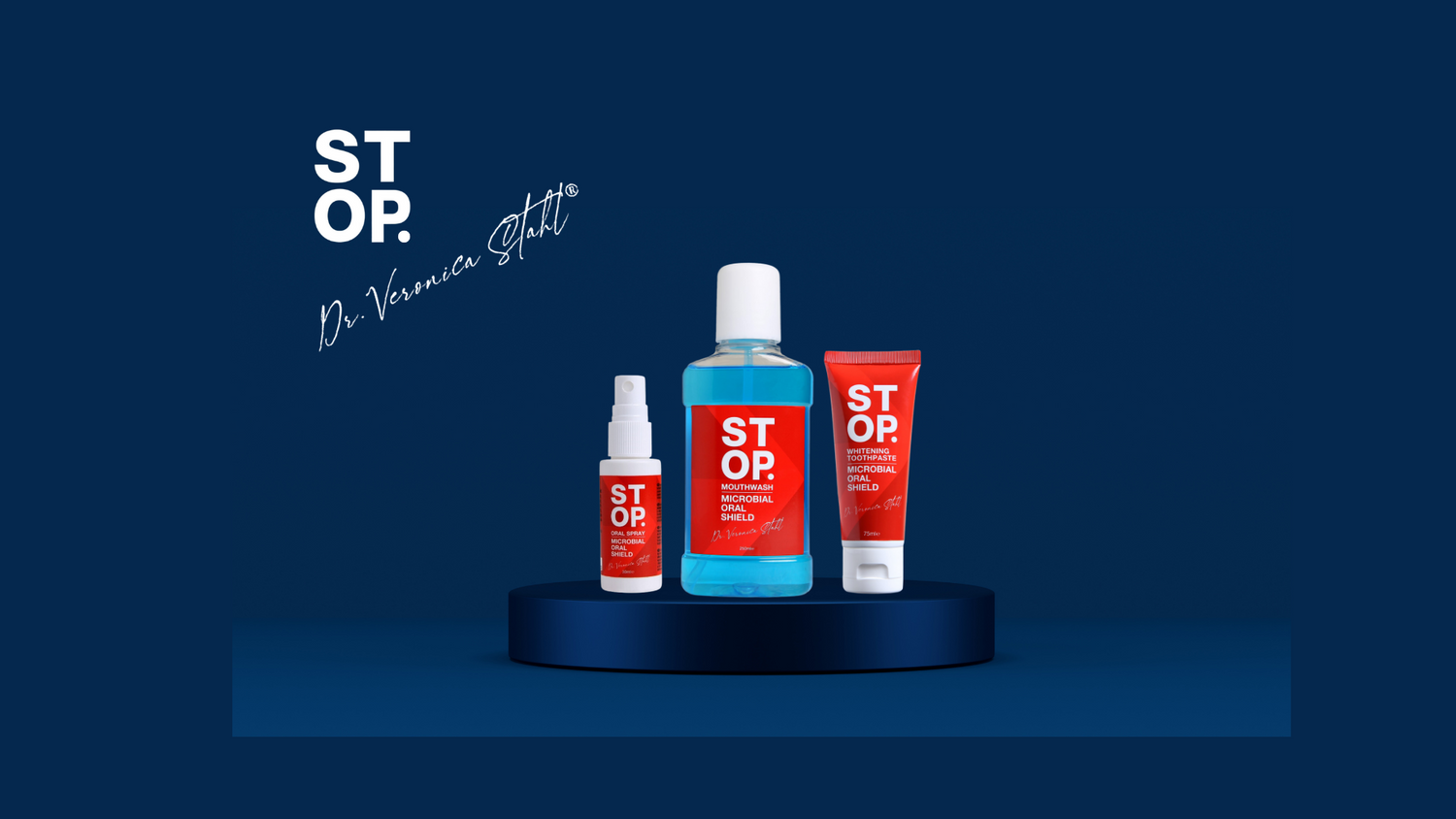
For those seeking scientifically formulated, fluoride-free products, stop-oralcare.com offers a curated selection of hemp and Dead Sea mineral-based dental care items, developed under the guidance of Dr. Veronica Stahl. From toothpaste to oral sprays, each product is designed to complement correct technique and consistent daily practice. Explore natural oral care options, access additional educational resources, and build a routine grounded in both natural principles and clinical evidence.
Frequently asked questions
What is the best way to brush teeth according to French dental experts?
UFSBD recommends brushing for two minutes, twice daily, using a soft-bristled brush angled at 45 degrees with gentle vibratory strokes, systematically covering all four quadrants of the mouth.
Can I maintain healthy teeth in France without fluoride toothpaste?
Yes, with rigorous technique and full routine adherence; natural alternatives require more consistent oral care discipline, and hydroxyapatite or xylitol formulas should ideally be used under periodic dental supervision.
Are there effective natural mouthwashes recommended in France?
Natural mouthwashes such as salt water, sage infusion, and diluted clove oil demonstrate measurable antibacterial activity and can effectively complement fluoride-free oral hygiene routines.
How important is flossing or interdental cleaning in oral hygiene?
Daily flossing or interdental brushes are clinically essential for preventing interproximal caries and gum disease, and should ideally be performed before evening brushing.
What French dietary habits support better oral health?
Favor calcium-rich foods, crunchy vegetables, and green tea, limit fermentable sugars, and observe a 30-minute waiting period after acidic meals before brushing to allow salivary remineralization.
Recommended
- Guide to Safe Oral Care 2025: Achieve a Healthier Smile – Stop Oral Care
- 7-Step Oral Hygiene Checklist for Adults Seeking Natural Care – Stop Oral Care
- 7 Essential Oral Hygiene Tips for Families Seeking Natural Care – Stop Oral Care
- 6-Step Oral Care Checklist for Families: Safe, Natural Tips – Stop Oral Care