

TL;DR:
- Supporting gum immunity involves targeted nutrition, such as vitamins D3, C, and CoQ10, combined with proper mechanical hygiene. Regular interdental cleaning, avoiding smoking, and using oral probiotics help maintain microbial balance and reduce inflammation. Consistent daily care and professional evaluations are essential for long-term gum health and overall immune support.
Immune support for gums is defined as the process of strengthening the body’s local and systemic defenses to protect gum tissue from bacterial infection, chronic inflammation, and periodontal breakdown. The gingival immune system relies on a precise balance of nutrients, mechanical hygiene, and microbiome composition to maintain tissue integrity. When that balance fails, chronic gum inflammation forces the immune system into persistent high alert, creating immune fatigue that weakens systemic infection defenses. Vitamins D3, C, and A, CoQ10, and Omega-3 fatty acids are the primary nutritional pillars of oral immune support. Understanding how each factor contributes is the foundation of any evidence-based strategy to prevent gum disease.
What key vitamins and nutrients support immune function for healthy gums?
Nutritional deficiency is one of the most direct and correctable causes of impaired gum immunity. Each micronutrient acts on a specific mechanism in gingival tissue defense and repair.
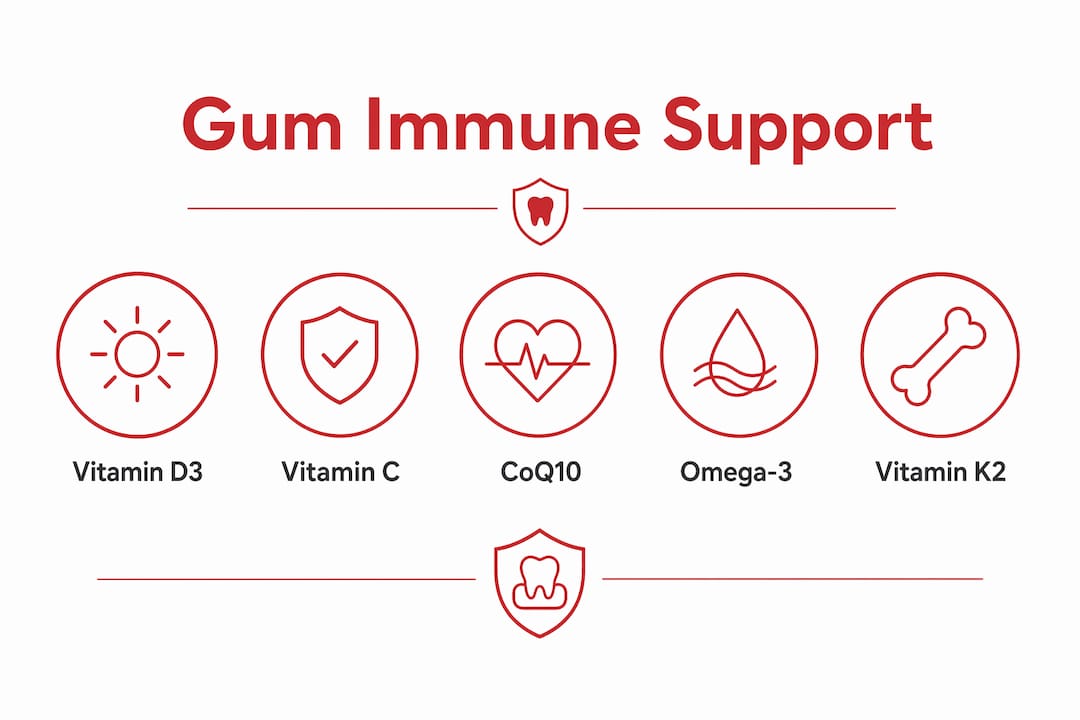
Vitamin D3 is the most clinically significant nutrient for gum immune health. Vitamin D3 at 40–60 ng/mL supports immune modulation, bone remodeling, and the production of antimicrobial peptides in gum tissue, reducing periodontitis severity by 27%. Low serum vitamin D below 30 ng/mL associates with higher periodontitis severity. A daily supplementation of 1,000–2,000 IU is the clinically recommended range for most adults.
Vitamin C is indispensable for collagen synthesis and vascular integrity in gum tissue. Vitamin C deficiency directly impairs collagen repair and causes gum bleeding. Supplementation at 500–1,000 mg daily improves tissue healing in people with active gum inflammation. Without adequate Vitamin C, the connective tissue matrix that anchors teeth cannot regenerate effectively.
CoQ10 supports gum tissue at the cellular level. CoQ10 at 100–200 mg daily improves gum tissue oxygen utilization, aiding immune function and healing. This antioxidant effect reduces oxidative stress in periodontal tissues, which is a key driver of gingival breakdown.
Omega-3 fatty acids modulate the immune response to bacterial plaque. Omega-3 at 2–3 grams daily demonstrates measurable anti-inflammatory effects on periodontal tissues, lowering gingival inflammation. Omega-3 works by downregulating the hyperactive immune cascade that causes collateral tissue damage during infection.
Additional nutrients with documented roles include:
- Zinc: Supports neutrophil function and wound healing in gingival tissue.
- Vitamin A: Maintains epithelial integrity of the gum lining, the first physical barrier against oral pathogens.
- Magnesium: Supports bone mineral density around tooth roots, indirectly protecting periodontal attachment.
Pro Tip: Pair Vitamin D3 with Vitamin K2 when supplementing. K2 directs calcium into bone rather than soft tissue, protecting the alveolar bone that supports your teeth. This combination is more effective than D3 alone for periodontal bone health. For a detailed breakdown of clinical research on these supplements, see mineral supplementation for gums.
How does oral hygiene impact immune health of gums?
Mechanical plaque removal is the single most direct method to reduce the bacterial load that triggers gum immune responses. No supplement or rinse replaces it.

Skipping interdental cleaning leaves at least 35% of tooth surfaces uncleaned, enabling pathogen proliferation and increasing systemic immune burden. That figure represents a substantial portion of the oral surface area where periodontal pathogens establish their most destructive biofilms. Brushing alone cannot reach these interproximal zones.
A consistent, correct daily hygiene protocol follows this sequence:
- Interdental cleaning first. Use floss, interdental brushes, or a water flosser before brushing. This dislodges biofilm from contact points and subgingival pockets before toothpaste reaches the area.
- Brush with correct technique. Use a soft-bristled brush at a 45-degree angle to the gumline. Two minutes, twice daily, covering all surfaces systematically.
- Use antiseptic rinses as adjuncts. Chlorhexidine or natural antimicrobial rinses reduce residual bacterial counts but do not remove biofilm mechanically. Mouthwash is not a primary cleaning method; it supplements mechanical removal.
- Scrape the tongue. Tongue scraping removes bacterial reservoirs from the dorsal surface that recolonize gum tissue throughout the day.
- Avoid aggressive technique. Aggressive flossing motions increase gum recession and harm immune defenses. The correct motion is a gentle C-shape around each tooth, not a sawing action.
Pro Tip: If you notice bleeding when starting interdental cleaning, do not stop. Bleeding initially resolves within 7–10 days as inflammation diminishes and tissue heals. Persistent bleeding beyond two weeks warrants a professional evaluation.
Smoking compounds every hygiene deficit. Smoking increases periodontitis risk 2 to 7 times and impairs immune responses in gum tissue, delaying healing and promoting chronic inflammation. Cessation produces significant gum health improvements within 12 months, making it one of the highest-impact lifestyle changes for gum immunity.
What role do oral probiotics and microbiome modulation play in gum immune support?
The oral microbiome contains over 700 bacterial species. Immune support for gums depends not only on eliminating pathogens but on maintaining a balanced microbial community that prevents pathogen dominance.
Oral probiotics with Lactobacillus reuteri reduce pro-inflammatory cytokines IL-1β and IL-6 while increasing anti-inflammatory IL-10, directly improving gum inflammation markers. Studies show reductions in bleeding on probing by 14% when probiotics are combined with professional cleaning. That reduction is clinically meaningful because bleeding on probing is the primary clinical indicator of active gingival inflammation.
Key evidence-backed probiotic strains for gum immune health include:
- Lactobacillus reuteri: Reduces periodontal pathogen colonization and modulates cytokine profiles in gingival tissue.
- Streptococcus salivarius K12: Competes with pathogenic streptococcal species and supports mucosal immune balance.
- Lactobacillus rhamnosus: Demonstrates anti-inflammatory effects in oral mucosal tissues.
Oral probiotics serve as adjuncts post-professional cleaning by shifting microbiome balance and reducing recolonization of periodontal pathogens. This means probiotics are most effective when introduced after a professional debridement, not as a standalone therapy. Mechanical cleaning creates the clean environment that allows beneficial strains to establish.
Realistic expectations matter. Probiotics do not replace brushing, flossing, or professional care. They extend the benefits of those interventions by maintaining a healthier microbial balance between dental visits. For a broader view of natural approaches that support gum immunity, the natural options for gum health resource at Stop-oralcare covers the clinical evidence behind these adjunct therapies.
How do lifestyle factors affect immune support and gum health?
Systemic health behaviors directly regulate the immune capacity of gum tissue. Gum immunity does not operate in isolation from the rest of the body.
Chronic stress elevates cortisol, which suppresses neutrophil activity and reduces secretory IgA in saliva. Both effects weaken the first line of immune defense in the oral cavity. Poor sleep compounds this by reducing cytokine regulation and tissue repair cycles that occur during rest. People managing high chronic stress without intervention show measurably higher rates of gingival inflammation.
Diet quality determines micronutrient availability for gum tissue repair. A diet low in processed sugars and high in vegetables, lean proteins, and healthy fats provides the substrate for collagen synthesis, antioxidant defense, and immune cell function. Fermented foods such as yogurt, kefir, and kimchi contribute beneficial bacterial strains that support the oral microbiome.
Practical lifestyle factors that directly affect gum immune health include:
- Smoking cessation: The single most impactful behavioral change for gum immunity, given the 2 to 7 times elevated risk associated with active smoking.
- Sleep quality: Seven to nine hours of sleep per night supports immune regulation and tissue repair in gingival tissue.
- Stress management: Practices such as structured breathing, regular physical activity, and adequate rest reduce cortisol-driven immune suppression.
- Dental visit frequency: Professional cleaning every six months removes calculus that mechanical home care cannot address. People with active gum disease benefit from visits every three to four months.
- Hydration: Adequate water intake maintains salivary flow, which is the oral cavity’s primary mechanical and antimicrobial defense.
What are effective strategies to boost gum immune support in daily dental care?
Boosting gum immunity requires combining nutritional support, mechanical hygiene, and adjunct therapies into a consistent daily protocol. No single intervention is sufficient alone.
| Strategy | Recommended Practice | Evidence Basis |
|---|---|---|
| Vitamin D3 supplementation | 1,000–2,000 IU daily; target serum level 40–60 ng/mL | Reduces periodontitis severity by 27% |
| Vitamin C supplementation | 500–1,000 mg daily | Supports collagen repair and reduces gum bleeding |
| CoQ10 supplementation | 100–200 mg daily | Improves gum tissue oxygenation and healing |
| Omega-3 fatty acids | 2–3 grams daily | Lowers gingival inflammation via immune modulation |
| Interdental cleaning | Daily, before brushing, with correct C-shape technique | Removes 35% of surfaces missed by brushing alone |
| Oral probiotics | Post-professional cleaning; L. reuteri or S. salivarius strains | Reduces bleeding on probing by 14% as adjunct therapy |
Common pitfalls to avoid include treating mouthwash as a substitute for mechanical cleaning, using aggressive flossing technique that causes recession, and starting supplements without addressing underlying hygiene deficits. Supplements amplify a good hygiene foundation. They do not compensate for a poor one.
Early warning signs that warrant professional evaluation include persistent bleeding beyond two weeks of consistent cleaning, gum recession, tooth sensitivity at the gumline, and pocket depths greater than 4mm confirmed by a clinician. These signs indicate that home care alone is insufficient and professional debridement is required. For practical daily steps, the healthy gums guide at Stop-oralcare provides an evidence-based framework for integrating these strategies.
Key takeaways
Gum immune support requires a consistent combination of targeted nutrition, correct mechanical hygiene, and microbiome-modulating adjuncts to prevent periodontal disease and protect systemic health.
| Point | Details |
|---|---|
| Nutrition drives gum immunity | Vitamins D3, C, CoQ10, and Omega-3 each target specific immune and repair mechanisms in gum tissue. |
| Mechanical hygiene is non-negotiable | Skipping interdental cleaning leaves 35% of tooth surfaces uncleaned, sustaining pathogen load. |
| Probiotics extend professional care | L. reuteri and S. salivarius strains reduce gingival inflammation when used after professional cleaning. |
| Lifestyle factors are systemic | Smoking, poor sleep, and chronic stress suppress gum immune function independently of hygiene habits. |
| Supplements amplify, not replace | Nutritional and probiotic interventions work only on a foundation of consistent mechanical plaque removal. |
A clinician’s perspective on gum immunity and long-term oral health
The most consistent clinical observation I have made over years of practice is that patients underestimate the bidirectional nature of gum and systemic health. They treat gum disease as a local inconvenience rather than a signal of systemic immune strain. Periodontal pathogens provoke neutrophil extracellular traps that destroy tissue and may lead to systemic autoimmune dysregulation. That is not a minor footnote. It is a reason to treat gum immunity as a whole-body concern.
The second misconception I encounter regularly is that supplementation alone is sufficient. Patients arrive having researched Vitamin D3 and CoQ10 diligently, yet they are still skipping interdental cleaning three days out of seven. The supplements cannot function in a tissue environment that is continuously overwhelmed by uncontrolled bacterial biofilm.
What I have found actually works is sequencing: professional cleaning first, then probiotics to stabilize the microbiome, then consistent daily hygiene with correct technique, then nutritional support layered on top. Reversing that order produces inconsistent results. The advances in oral probiotics over the past several years are genuinely significant, and I recommend them to most patients as a post-cleaning adjunct. But they are the final layer, not the starting point.
Consistency over intensity is the principle that separates patients who maintain healthy gums long-term from those who cycle through treatment. A moderate, correct routine performed daily outperforms an aggressive routine performed sporadically. That is the clinical reality, and it is worth stating plainly.
— Veronica
Stop-oralcare’s approach to gum immune health
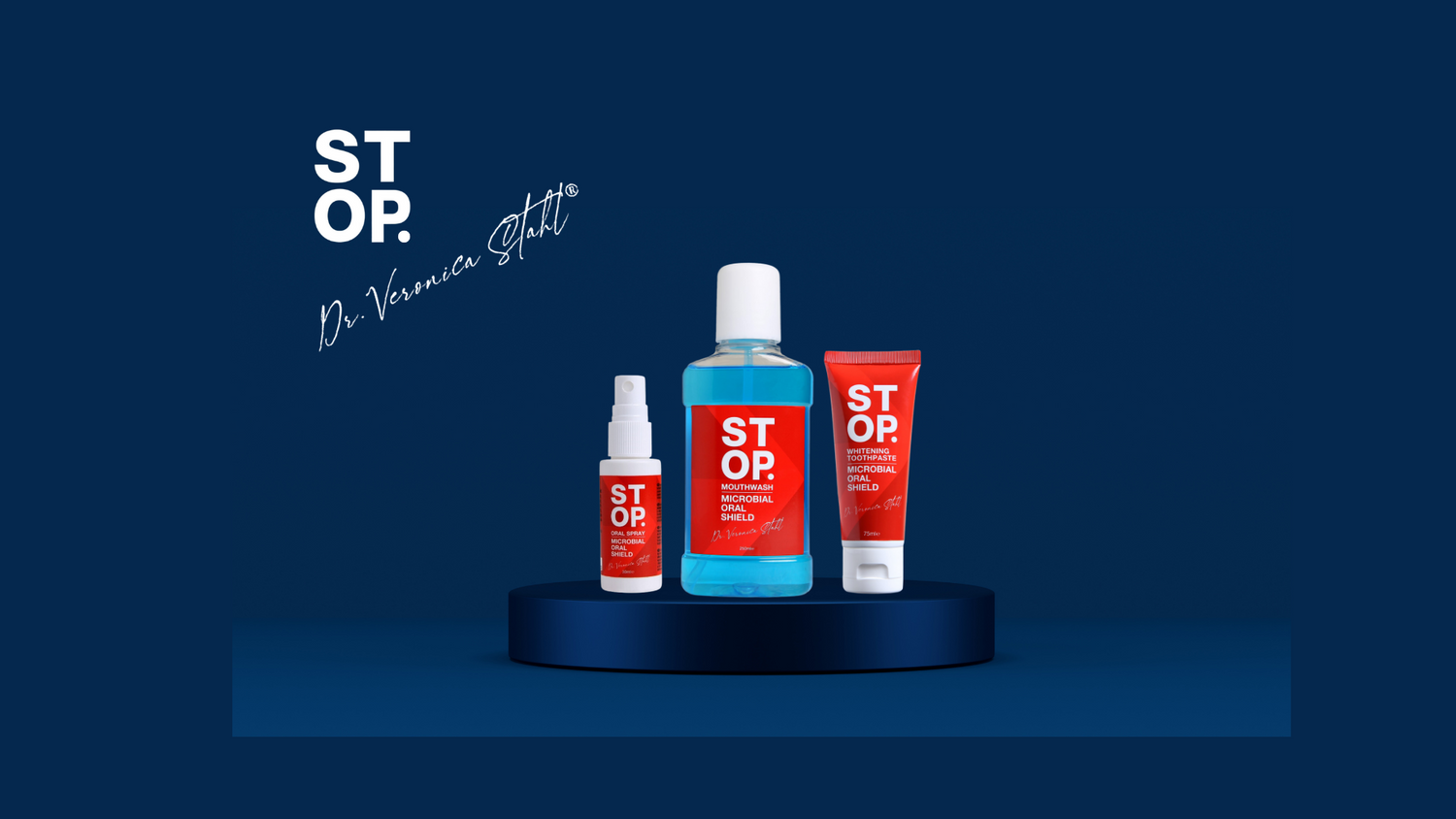
Stop-oralcare develops natural oral care products formulated to support the nutritional and microbiome foundations of gum immunity. The product line includes fluoride-free formulations with hemp and Dead Sea minerals, designed to reduce gingival inflammation and support tissue repair without synthetic additives.

The formulations at Stop-oralcare are developed under the guidance of Dr. Veronica Stahl, whose clinical focus is on evidence-based natural alternatives to conventional dental products. For those seeking products aligned with the nutritional and hygiene strategies covered in this article, the Stop-oralcare oral health range provides a starting point for building a complete gum immune support protocol. Each product is designed to complement, not replace, professional dental care and consistent mechanical hygiene.
FAQ
What does immune support for gums mean?
Immune support for gums refers to strengthening the body’s local defenses in gingival tissue through nutrition, hygiene, and microbiome balance to prevent infection and periodontal breakdown.
Which vitamins are most important for gum immune health?
Vitamin D3, Vitamin C, and CoQ10 are the most clinically supported nutrients for gum immunity, targeting immune modulation, collagen synthesis, and tissue oxygenation respectively.
Can oral probiotics help prevent gum disease?
Oral probiotics containing Lactobacillus reuteri reduce pro-inflammatory cytokines and decrease bleeding on probing by 14% when used as adjuncts to professional cleaning.
How does smoking affect gum immune function?
Smoking increases periodontitis risk 2 to 7 times by impairing immune responses in gum tissue and delaying healing. Cessation produces measurable gum health improvements within 12 months.
When should bleeding gums prompt a dental visit?
Bleeding that persists beyond 7–10 days of consistent interdental cleaning, or that accompanies pocket depths greater than 4mm, requires professional evaluation and likely professional debridement.