

Keto breath results from acetone, a byproduct of ketone metabolism, and most cases resolve within one to two weeks as the body adapts to fat burning. The fastest relief comes from a combination of consistent hydration, saliva stimulation through sugar-free gum or a moisturizing oral spray, tongue scraping, and targeted oral hygiene. These measures address the biochemical source of the odor rather than masking it temporarily.
TL;DR:
- Hydration supports ketone clearance and helps reduce keto breath faster, especially when paired with electrolyte intake to prevent dehydration symptoms.
- Tongue scraping and interdental cleaning target bacteria and debris that contribute to odor, offering a healthier alternative to masking with mints or gums.
- A slight increase in daily carbohydrate intake or reduction of excess protein can lower acetone levels and improve breath odor without disrupting ketosis.
- Persistent dry mouth caused by ketosis and medications can be managed with alcohol-free mouthwash, saliva substitutes, and humidifiers to prevent bacterial growth.
- Exercise can temporarily intensify keto breath, but regular physical activity helps improve metabolic efficiency and faster ketone clearance over time.
Table of Contents
- 1. Prioritized remedies for faster relief
- 2. Managing dry mouth while your body adapts to ketosis
- 3. When keto breath signals something more than diet
- 4. Expert guidance on choosing the right oral care
- 5. Why gut health influences keto breath severity
- 6. Herbs and essential oils people use for keto breath
- 7. How exercise and metabolic rate affect breath odor
- 8. Preventing keto breath over the long term
- 9. Balancing short-term inconvenience with long-term goals
- 10. Oral care that supports you through the adjustment
- Sources
- FAQ
1. Prioritized remedies for faster relief
Acetone is water-soluble and partly cleared through urination, which makes hydration the single most effective intervention available to someone in early ketosis. Increasing fluid intake supports kidney clearance of ketone bodies, and pairing water with electrolytes (sodium, potassium, magnesium) prevents the fatigue and headaches that often accompany rapid fluid shifts in the first weeks of a ketogenic diet.
Oral hygiene deserves a second look during this adjustment period. Brushing twice daily remains standard, but tongue scraping targets a specific problem: the posterior tongue harbors bacteria and debris that plain brushing often misses, and removing this buildup reduces odor more than brushing alone for some people. Interdental cleaning, whether with floss or a water flosser, clears food particles that would otherwise feed odor-producing bacteria overnight.
Saliva stimulation works on a related mechanism. Chewing sugar-free gum increases salivary flow, which mechanically washes away bacteria and buffers the acidic environment that supports their growth. Xylitol-containing gums are a reasonable choice for most people, though sugar alcohols can cause digestive discomfort in sensitive individuals, so moderation is worth testing early.
Diet adjustments offer a more targeted lever. Clinical guidance suggests that a small, controlled increase in daily carbohydrate intake, such as an additional 5 grams per day, often reduces breath acetone enough to noticeably improve odor, while many dieters remain in ketosis. Reducing excess dietary protein can have a similar effect, since amino acid metabolism also contributes to ketone production. Breath analyzers help individuals find this balance without guesswork.
- Sip water consistently throughout the day rather than in large infrequent amounts.
- Scrape the tongue each morning and evening before brushing.
- Chew xylitol gum after meals to stimulate saliva flow.
- Consider a modest carb increase if breath odor persists despite good hydration.
- Reduce excess protein intake if ketone testing shows minimal impact on ketosis.
Temporary masking tactics, including chewing fresh parsley, mint leaves, or cinnamon sticks, along with sugar-free mints, provide short-term cover for social situations but do nothing to address the underlying acetone production. These are reasonable stopgaps, not substitutes for the measures above.
Pro Tip: Keep sugar-free gum or mints in your bag or car so you have an immediate option before meetings or social events without derailing your eating plan.
2. Managing dry mouth while your body adapts to ketosis
Ketogenic diets often reduce salivary flow through a combination of fluid shifts, electrolyte loss, and lower chewing frequency when meals emphasize fats and proteins over fibrous, water-dense carbohydrates. Caffeine and certain medications compound this effect by further reducing saliva production, which allows odor-causing bacteria to thrive in a drier oral environment.
The Mayo Clinic recommends chewing sugar-free gum or using saliva substitutes as first-line management for dry mouth, and specifically advises avoiding alcohol-containing mouthwashes, since alcohol has a drying effect that worsens the underlying problem.
- Maintain electrolyte-aware hydration rather than plain water alone.
- Choose an alcohol-free mouthwash over conventional alcohol-based rinses.
- Run a humidifier at night if you wake with a noticeably dry mouth.
- Ask a dentist about saliva substitutes if dryness persists beyond the adaptation period.
Persistent dry mouth also raises enamel risk, since saliva buffers acids and clears debris. A dentist can assess whether additional protective measures are warranted if symptoms continue past the typical adjustment window.
3. When keto breath signals something more than diet
Most keto breath follows a predictable pattern: a fruity or acetone-like smell, sometimes described as metallic, that peaks in the first one to two weeks and fades as the body becomes more efficient at using ketones for fuel.
Certain symptoms fall outside this normal range and warrant urgent attention. Fruity breath accompanied by extreme thirst, frequent urination, confusion, or rapid breathing may indicate diabetic ketoacidosis, a serious metabolic condition distinct from nutritional ketosis, and requires immediate medical evaluation.
If breath odor persists well beyond two weeks without these red flags, the cause may not be dietary at all. A dentist can rule out oral sources such as gum disease or sinus drainage, while a physician can review medications or reflux conditions that independently affect breath.
4. Expert guidance on choosing the right oral care
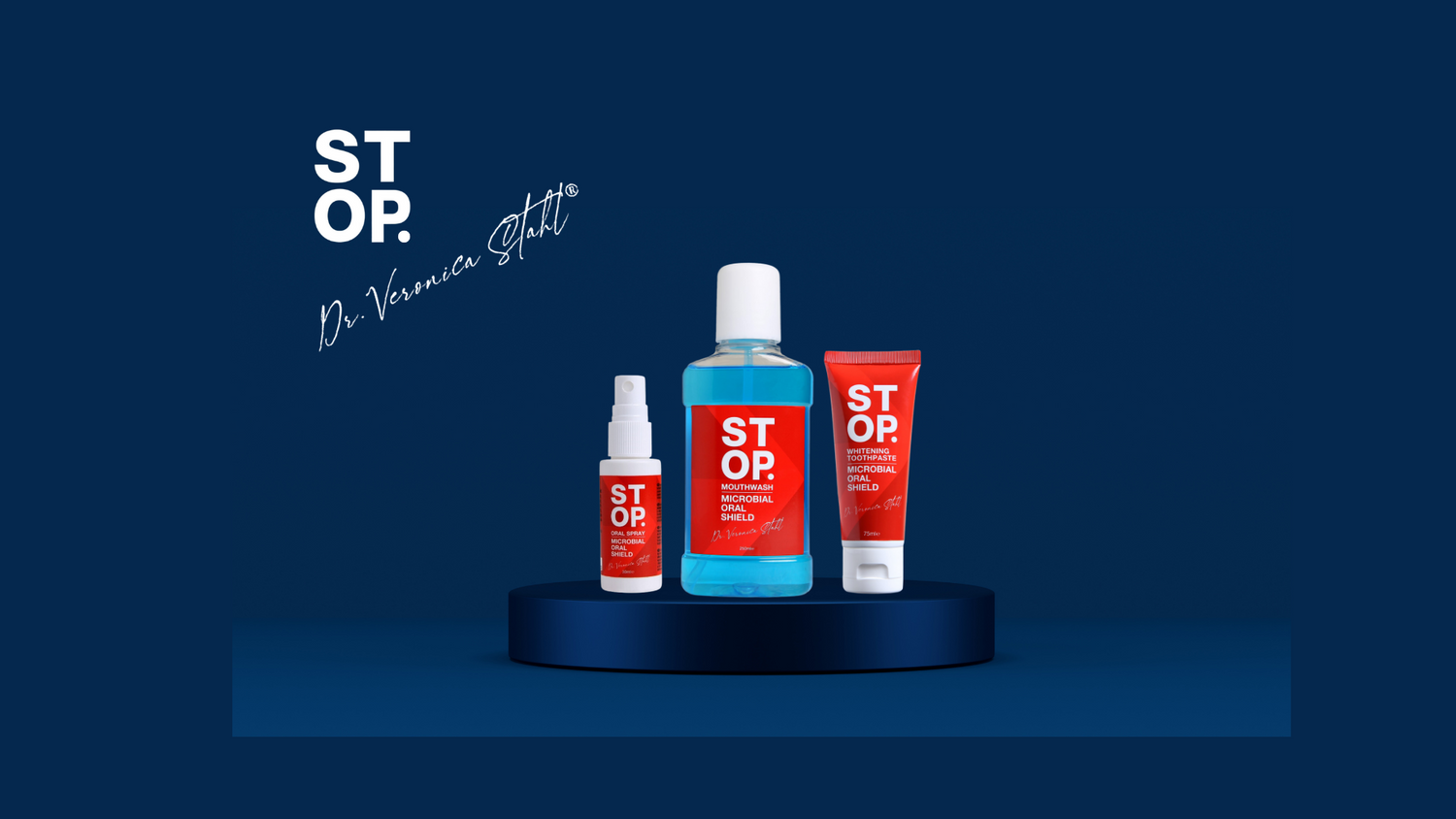
Dr. Veronica Stahl, a dentistry and natural medicine practitioner, points to alcohol-free, moisturizing oral care as a sound complement to the hydration and saliva strategies already covered. Alcohol-based products strip moisture from oral tissue at a time when saliva production is already reduced, which can worsen the dryness driving much of the odor problem.
A fluoride-free, alcohol-free mouthwash or a protective oral spray can be used after meals or before social situations without the enamel concerns tied to acidic mints or sugary alternatives. Timing matters less than consistency: a quick spray before a meeting or a rinse after lunch addresses the moment without disrupting ketosis.
Pro Tip: Keep a protective oral spray in your bag for a discreet, alcohol-free refresh before calls or meetings, since it works without the drying effect of traditional breath sprays.
5. Why gut health influences keto breath severity
Gut bacteria play a role in overall breath quality that extends beyond the mouth itself. Digestive changes are common when someone shifts from a carbohydrate-heavy diet to one built around fats and proteins, and this transition can temporarily alter the balance of gut microbes, which in turn affects compounds released through digestion and, indirectly, breath.
Probiotic-rich foods such as unsweetened yogurt, sauerkraut, and kefir are compatible with most ketogenic approaches and may support a more balanced gut environment during the adjustment period. Fermented foods introduce beneficial bacterial strains without adding meaningful carbohydrate load, making them a practical addition rather than a compromise to ketosis.
The connection between gut health and keto breath specifically is less direct than the acetone mechanism driving most of the odor, and no single probiotic strain has been shown to eliminate keto breath on its own. Still, supporting digestive balance during a major dietary shift is a reasonable, low-risk habit that may ease bloating and irregularity, both of which can contribute to breath complaints independent of ketone levels. Anyone starting a probiotic supplement for the first time should introduce it gradually, since sudden changes to gut flora can cause temporary gas or discomfort.

6. Herbs and essential oils people use for keto breath
Several plant-based options offer temporary relief alongside the core remedies already discussed. Fresh parsley and mint leaves contain chlorophyll, which has a mild deodorizing effect when chewed directly, making them a practical option after meals when brushing is not possible.

Cinnamon has a naturally strong scent that can mask acetone odor for short periods, and cinnamon sticks or unsweetened cinnamon tea are common choices among people managing keto breath day to day. Clove, similarly, carries a potent aroma that many find effective for short-term masking.
Essential oils such as peppermint or tea tree are sometimes diluted into homemade mouth rinses, though these should never be swallowed and require careful dilution to avoid irritating oral tissue. Anyone considering essential oil use in the mouth should consult a dentist first, since concentration and carrier liquid matter for safety.
None of these approaches address the acetone production itself. They function as cover, similar to sugar-free mints, and work best paired with the hydration and oral hygiene measures that reduce the odor at its source rather than disguising it after the fact.
7. How exercise and metabolic rate affect breath odor
Physical activity increases metabolic rate, which accelerates fat oxidation and, correspondingly, ketone production. This means exercise can temporarily intensify keto breath, particularly during the first weeks of the diet when the body is still adjusting to using ketones efficiently.
Individual responses to ketogenic eating vary substantially, with some people showing large spikes in breath acetone during early ketosis and others experiencing only mild changes despite similar eating patterns. Exercise intensity and duration factor into this variability: a long endurance session tends to produce a more noticeable, if temporary, increase in breath odor than light daily movement.
Over time, as the body becomes more efficient at utilizing ketones for energy rather than excreting them through breath and urine, this exercise-related spike tends to diminish. Higher overall metabolic rate, often a byproduct of regular exercise, also supports faster clearance of ketone bodies between sessions, which can shorten how long post-workout breath changes last. Staying well hydrated before and after exercise remains one of the more effective ways to blunt this effect.
8. Preventing keto breath over the long term
Long-term ketogenic dieters typically report that breath odor becomes less noticeable as metabolic adaptation progresses, but sustaining that improvement depends on consistent habits rather than assuming the problem simply disappears on its own.
Maintaining steady hydration and electrolyte intake as an ongoing practice, not just during the first two weeks, keeps ketone clearance efficient over months and years of ketogenic eating. Periodic tongue scraping and interdental cleaning should remain part of a daily routine rather than a temporary fix reserved for flare-ups.
Anyone who cycles in and out of ketosis, whether through intentional carb refeeds or lapses in adherence, should expect breath changes to recur each time the body re-adapts. Keeping carbohydrate intake steady, rather than repeatedly shifting in and out of ketosis, tends to produce more stable breath over time. Regular dental checkups also help catch any oral contributors, such as gum inflammation or dry mouth complications, before they compound the metabolic causes already at play.
9. Balancing short-term inconvenience with long-term goals
Keto breath is an unglamorous but usually short-lived side effect of a metabolic shift many people pursue deliberately. Viewed against the broader goals of a ketogenic diet, whether weight management or metabolic flexibility, a few weeks of vigilant hydration and oral care is a manageable trade-off rather than a reason to abandon the approach.
Use the remedies covered here for daily relief and social situations, and treat the red flags outlined earlier as your signal to seek medical attention rather than push through discomfort alone.
— Veronica
10. Oral care that supports you through the adjustment
![CTA image placeholder]

Alcohol-free, moisturizing oral care fills a specific gap that generic mints and gums cannot: it addresses dryness while freshening breath, rather than adding more drying alcohol to an already low-saliva environment. A product line formulated to support natural healing without fluoride or alcohol was built around that same principle.
- An alcohol-free mouthwash offers a rinse designed to freshen breath without further drying oral tissue.
- A protective oral spray provides a portable, discreet option for quick refreshes before meetings or social events.
- A protective and whitening toothpaste supports enamel and gum health during the low-saliva phases common in early ketosis.
These products complement, rather than replace, the hydration and habit changes covered above. For anyone who wants a ready-made, fluoride-free option to pair with those habits, the full Stop Oral Care product line is available to browse and order directly.
Sources
This article draws on peer-reviewed breath acetone research, Mayo Clinic guidance on dry mouth, and clinical explainers from Virta Health and DentistryIQ.
- Dry mouth (xerostomia) — Mayo Clinic
- What Is Keto Breath? — Virta Health
- Why does keto cause bad breath? A guide for dental professionals — DentistryIQ
FAQ
Does keto breath ever go away?
Yes, keto breath is typically temporary and improves within one to two weeks as the body adapts to burning fat for fuel and becomes more efficient at using ketones. Consistent hydration and oral hygiene tend to speed up this improvement.
Can I smell my own keto breath?
Many people struggle to detect their own breath odor due to sensory adaptation, so relying on a trusted friend, family member, or a mint or gum test is often more reliable. If you are unsure, chewing sugar-free gum and noting whether the smell fades is a simple way to check.
What can you take for ketosis breath?
Sugar-free gum or mints, particularly those containing xylitol, stimulate saliva and provide temporary relief, while alcohol-free mouthwash avoids the drying effect of traditional rinses. Staying well hydrated remains the most effective underlying measure since it supports clearance of ketone bodies.
What are signs your body is in ketosis?
Common signs include changes in breath odor, reduced appetite, and shifts in energy levels as the body adjusts to burning fat instead of carbohydrates. These effects vary from person to person, and testing ketone levels directly offers a more precise picture than relying on symptoms alone.