

Mouth breathing dries out your mouth by washing away the thin layer of saliva that normally coats your gums, tongue, and cheeks, letting moisture evaporate far faster than your glands can replace it. The fastest relief is sipping water, running a bedside humidifier, and using a moisturizing oral spray or sugar-free xylitol gum before bed. If dryness persists after a week of consistent self-care, that’s a signal to talk to a dentist or doctor.
TL;DR:
- Using saline nasal rinses and nasal steroids can help open nasal passages and reduce mouth breathing at night, especially with allergies or blockages.
- Humidifiers, especially heated ones for sleep apnea, significantly decrease overnight moisture loss by adding humidity to the bedroom air.
- Consistent hydration, reducing diuretics like caffeine and alcohol in the evening, and applying oral sprays after brushing can provide effective relief for dry mouth.
- Persistent dry mouth accompanied by soreness, swallowing difficulty, or other symptoms warrants medical evaluation, as it may indicate underlying conditions like Sjögren’s syndrome or sleep apnea.
- Topical saliva substitutes with hyaluronic acid or glycerin can offer lasting moisture, but should be combined with fundamental measures for best results.
Table of Contents
- How Mouth Breathing and Other Factors Cause Dry Mouth
- Fast Relief: What to Try Tonight, This Week, and Beyond
- Why Chronic Dry Mouth Puts Your Teeth and Gums at Risk
- When Self-Care Isn’t Enough: Seeing a Clinician
- Clinician-Backed Notes on Topical Relief
- A Clinician’s Bedside Checklist
- A Natural Option Worth Adding to Your Routine
- Sources
How Mouth Breathing and Other Factors Cause Dry Mouth
Air moving continuously across the tongue and inner cheeks strips away the moisture film that saliva normally maintains, and that constant evaporation is the core mechanism behind mucosal water permeation changes tied to mouth breathing. The mucosa dries out faster than salivary glands can resaturate it, especially overnight when swallowing slows and airflow through an open mouth runs uninterrupted for hours.
Mouth breathing is rarely the only factor at play. Medications are the single most common non-breathing cause of xerostomia, and several drug classes are frequent offenders:
- Anticholinergics, used for overactive bladder or motion sickness
- Antihistamines, including common allergy medications
- Certain antidepressants, particularly tricyclics
- Diuretics and some blood pressure medications
Beyond medication, dehydration, nasal obstruction from allergies or a deviated septum, sleep apnea, head and neck radiotherapy, and autoimmune conditions like Sjögren’s syndrome all contribute independently to dry mouth, according to NCBI’s clinical review of xerostomia. Worth noting: the feeling of dryness doesn’t always match actual saliva volume. Some people produce a normal amount but still feel parched because of how that saliva is distributed or how sensitive their mucosa has become.
Fast Relief: What to Try Tonight, This Week, and Beyond
Fixing dry mouth from mouth breathing works best when you tackle the airflow problem first, then support your mouth’s moisture directly. Trying to mask the dryness without addressing why you’re breathing through your mouth in the first place is a losing battle.
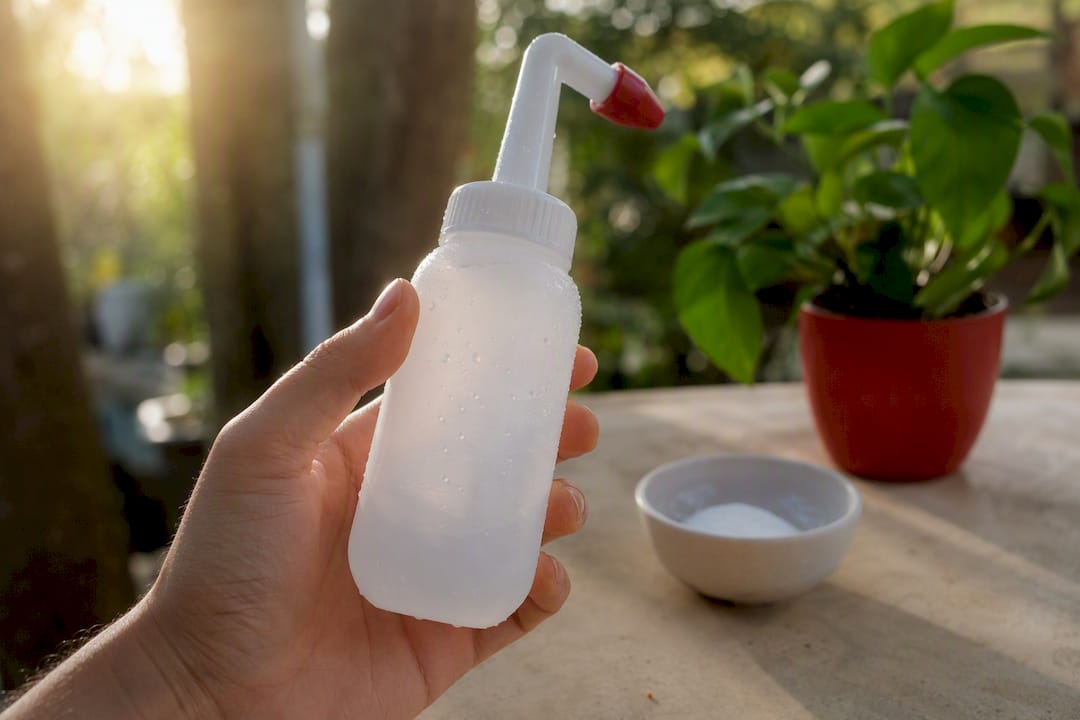
Start with your nose. If congestion or a blocked nasal passage is pushing you to breathe through your mouth at night, saline rinses and nasal steroid sprays often open the airway enough to shift breathing back through the nose. Persistent allergies deserve their own treatment plan, and if you still can’t breathe clearly through your nose after a few weeks of these measures, an ENT visit is the next step.
Hydrate strategically, not just constantly. Keep water at your bedside rather than relying on daytime sipping alone, since the longest dry stretch is usually the eight hours you’re asleep. Cut back on evening alcohol and caffeine, both diuretics that pull moisture away from your tissues right when you need it most.
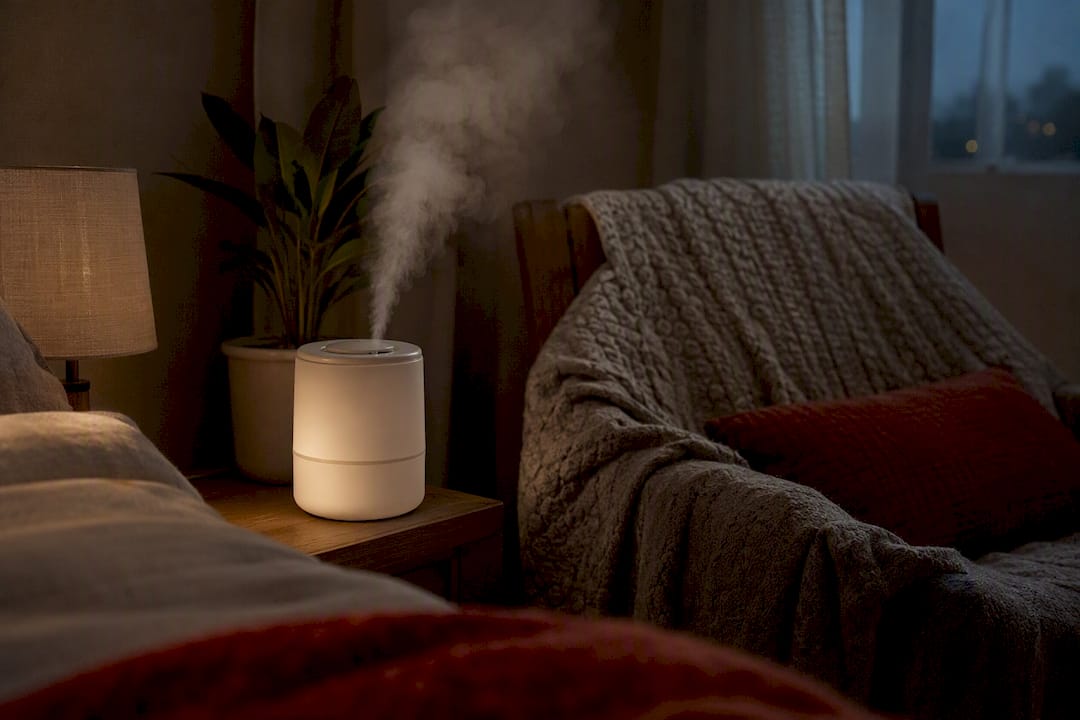
Humidify where you sleep. A bedroom humidifier adds moisture to the air itself, reducing how much evaporates off your mucosa overnight, a strategy the Sleep Foundation specifically recommends for nighttime xerostomia. If you use CPAP for sleep apnea, add heated humidification to the machine or recheck your mask fit. A leaking mask pushes air across your mouth all night, undoing whatever moisture the humidifier adds.
Stimulate and supplement saliva. Sugar-free xylitol gum or hard sugar-free lozenges trigger natural saliva flow without feeding the bacteria that cause decay. For direct relief, artificial saliva sprays or gels containing hyaluronic acid, glycerin, or carboxymethylcellulose coat the mucosa and hold moisture in place longer than water alone.
Here’s the sequence worth following:
- Tonight: water bedside, humidifier running, one spray application before sleep.
- This week: saline nasal rinse daily, xylitol gum after meals, alcohol-free mouthwash swapped in.
- If unresolved after 7 to 10 days: book a dental or medical appointment to check for underlying causes.
An alcohol-free mouthwash matters more than people realize here, since alcohol-based formulas actively dehydrate the same tissue you’re trying to protect.
Pro Tip: Apply your oral spray right after brushing at night, not before. Toothpaste residue can interfere with how well the spray coats your mucosa, so give your mouth a clean, moist surface for the spray to hold onto through the night.
Why Chronic Dry Mouth Puts Your Teeth and Gums at Risk
Saliva does far more than keep your mouth comfortable. It buffers the acids produced by bacteria, washes away food debris, and delivers minerals that help repair early enamel damage. Strip that away for months at a time, and the consequences show up in your dentist’s chair.
Chronic mouth breathing shifts the balance of bacteria living in your mouth, and that altered oral microbiome raises the risk of several distinct problems:
- Tooth decay, since acid-producing bacteria thrive without saliva’s buffering effect
- Gum disease, as dry tissue becomes more vulnerable to inflammation
- Oral candidiasis (thrush), a fungal overgrowth that favors dry, low-saliva environments
- Persistent bad breath, driven by bacterial buildup on a dry tongue and cheeks
Worth knowing: research on chronic mouth breathing links the resulting microbiome shift to measurably higher rates of decay and gum inflammation, not just discomfort, which is why dentists treat dry mouth as a dental risk factor, not a cosmetic nuisance.
Dryness also interferes with swallowing, dulls taste sensitivity, loosens denture fit, and fragments sleep when discomfort wakes you mid-night. Understanding saliva’s role in oral hygiene makes clear why protecting it matters well beyond comfort.
When Self-Care Isn’t Enough: Seeing a Clinician
Most dry mouth from mouth breathing responds to the self-care steps above within a week or two. Certain signs mean it’s time to stop waiting and get evaluated:
- Persistent mouth soreness, ulcers, or a burning tongue that doesn’t settle down
- Difficulty swallowing that interferes with eating
- Unexplained weight loss alongside oral dryness
- Dry eyes or dry skin accompanying dry mouth, which can point to Sjögren’s syndrome
- No improvement after consistent self-care over one to two weeks
A GP or dentist typically starts with a medication review and an oral exam, since treating the underlying cause is the recommended first move rather than relying on palliative products alone. Depending on findings, they may order salivary flow testing, blood work screening for Sjögren’s, or a sleep study if breathing pauses at night suggest sleep apnea. Treatment can include correcting nasal obstruction, prescribing pilocarpine to stimulate saliva production, or recommending a specific saliva substitute suited to your case.
Clinician-Backed Notes on Topical Relief
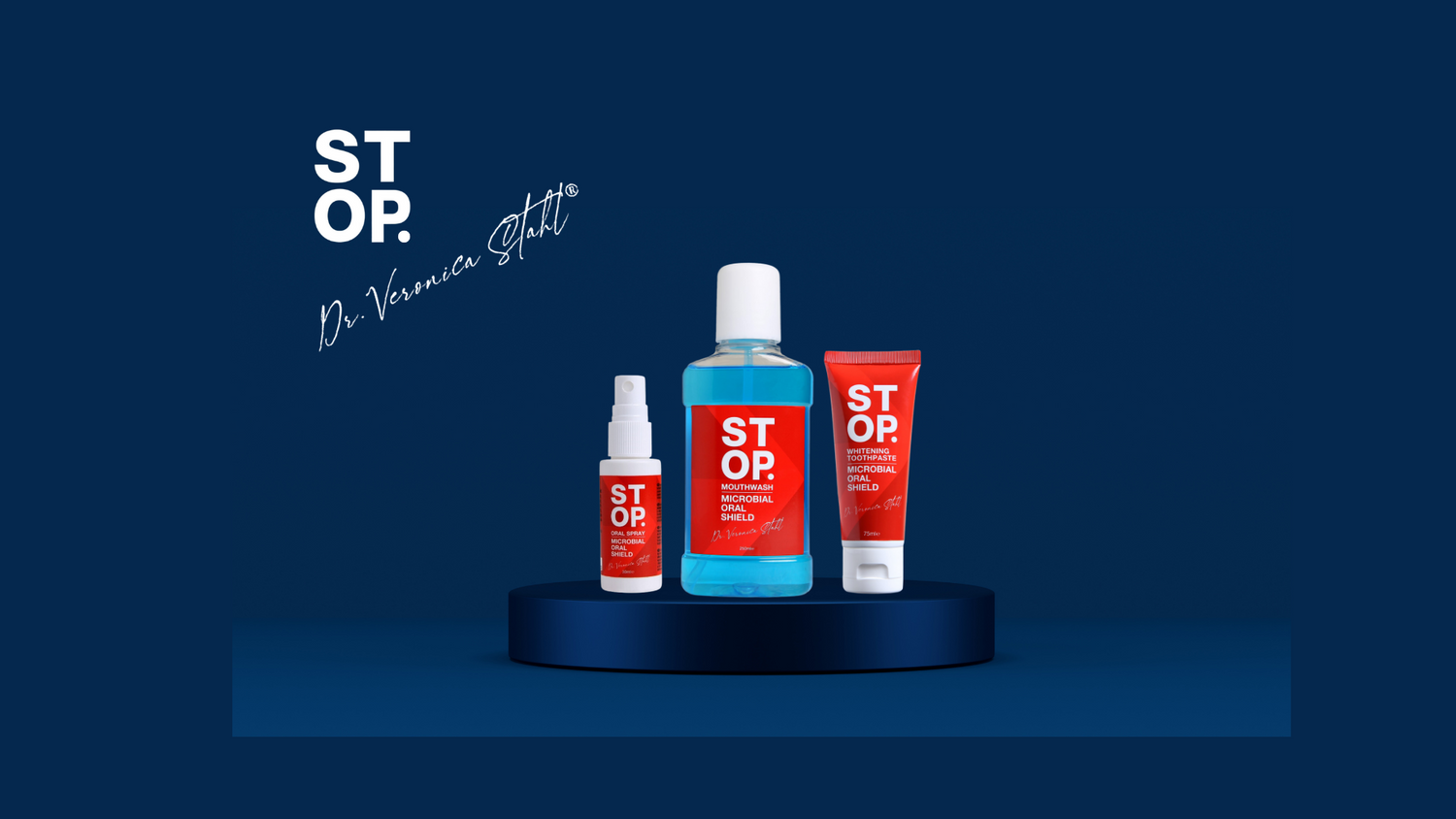
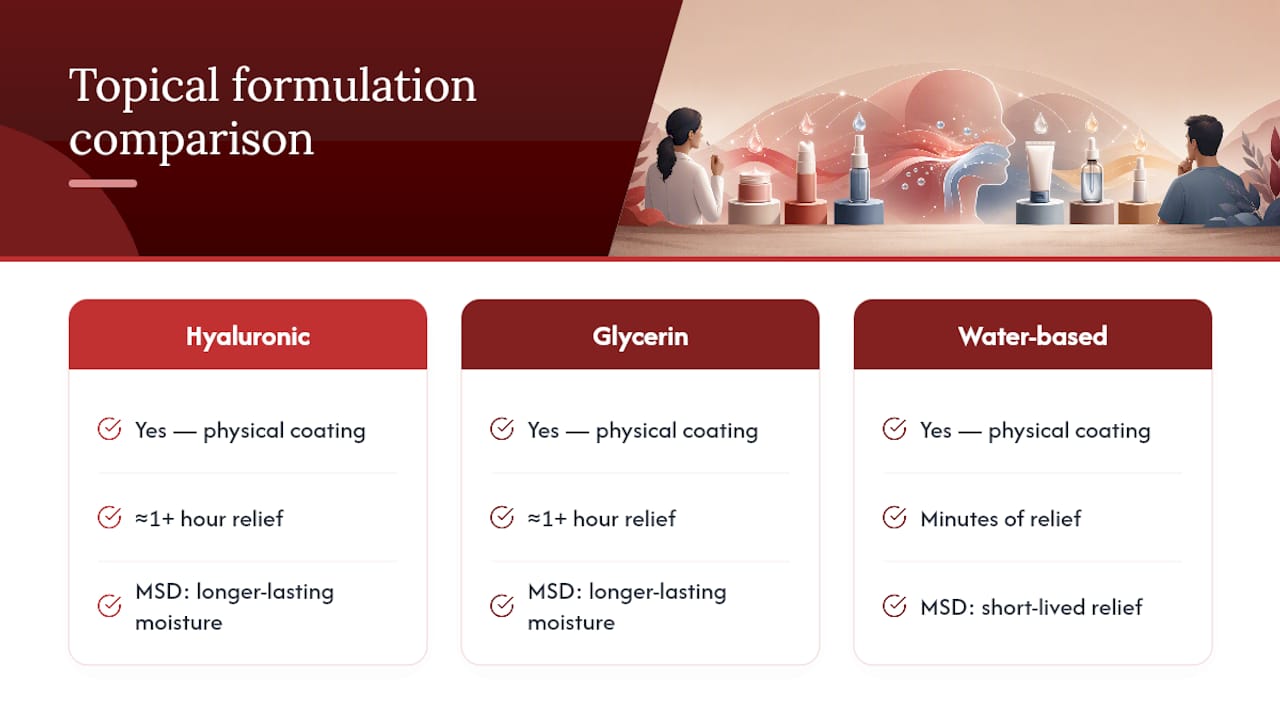
Topical saliva substitutes work by physically coating the mucosa, and formulas built on hyaluronic acid or glycerin tend to hold moisture longer than water rinses, giving relief that lasts an hour or more rather than minutes, per the MSD Manual’s clinical overview. Stop-oralcare’s fluoride-free, hemp-infused sprays with Dead Sea minerals fit into a routine as a topical layer, best used after brushing or before bed alongside xylitol gum during the day and a humidifier overnight, which pairs well with the Nusmile Ultimate Oral Care Bundle for comprehensive oral hygiene care. Apply as needed rather than on a fixed schedule, and if soreness or dryness worsens despite consistent use, that’s your cue to see a clinician rather than increase spray frequency. Understanding how oral sprays work helps you use them as intended.
A Clinician’s Bedside Checklist
Patients describing dry mouth almost always mention it hits hardest at night, right when they have the least control over their breathing pattern. That’s exactly why the fix has to live at your bedside, not in a cabinet you forget about.
Try this five-item checklist before sleep tonight:
- Water within arm’s reach
- Humidifier running
- Oral spray applied after brushing
- Xylitol gum chewed after your last meal
- A quick mental note of any medication that might be contributing
Jot down when symptoms flare and what seems to help. That record turns a vague complaint into something a clinician can actually act on at your next visit.
— Veronica
A Natural Option Worth Adding to Your Routine
If nasal breathing fixes, hydration, and a humidifier are already part of your night, a topical spray fills the remaining gap: direct, lasting moisture exactly where dryness bites hardest. Stop-oralcare’s fluoride-free oral sprays and mouthwash use hemp-derived compounds and Dead Sea minerals instead of alcohol or synthetic additives, giving you a gentler option that pairs naturally with the self-care steps already covered here.

These formulas work best as a layer on top of the fundamentals: nasal breathing support, hydration, and clinician follow-up when symptoms persist. If dry mouth from mouth breathing has become part of your nightly routine, browse Stop-oralcare’s oral care lineup and add a fluoride-free spray to your bedside setup tonight.
Sources
- Xerostomia — NCBI Bookshelf (2023)
- Mouth breathing, dry air and mucosal water permeation (PMC)
- Dry mouth at night — Sleep Foundation
This article is general information, not a substitute for advice from a qualified doctor. Consult a qualified healthcare professional about your own circumstances before acting on anything here.