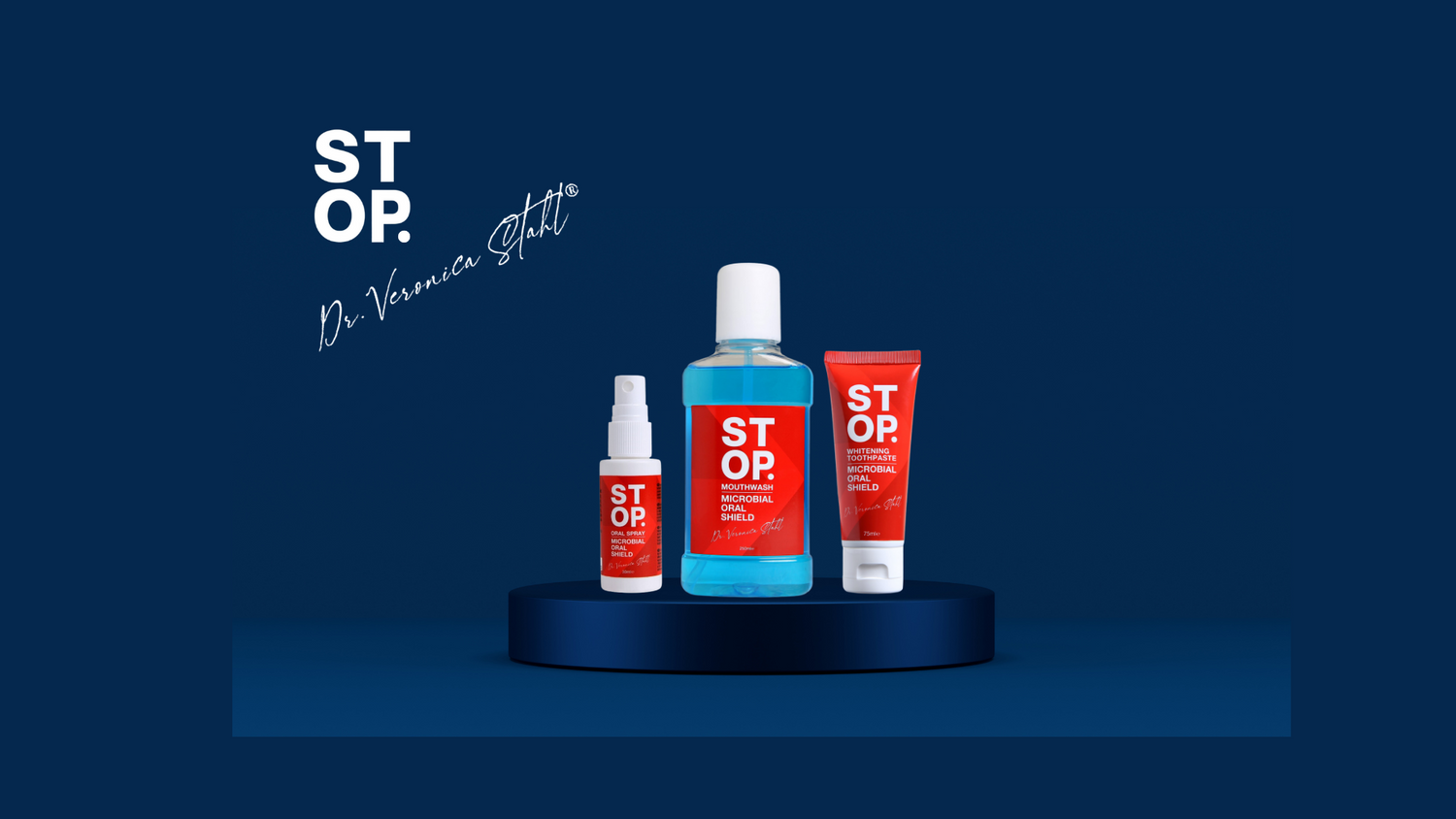


Hemp-infused buccal sprays can reduce gum inflammation, help limit pathogenic oral bacteria, and freshen breath as part of a daily fluoride-free routine. The evidence base is still young but genuinely encouraging: laboratory work, a randomized trial, and a systematic review of Dead Sea mineral formulations all point in the same direction. Stop Oral Care builds its spray line on that combination, hemp compounds paired with Dead Sea minerals, rather than on marketing claims alone.
TL;DR:
- Hemp buccal sprays show the strongest evidence for reducing bleeding, bacterial activity, and gum sensitivity within a few weeks of consistent use.
- They work through antimicrobial mechanisms targeting biofilm formation and anti-inflammatory effects at the cellular level, enhanced by Dead Sea minerals that support tissue repair.
- Expect modest plaque control and breath freshening as a supportive adjunct rather than a replacement for brushing and flossing.
- Formulation quality, including alcohol-free bases and third-party testing, is essential for safety and effective dosing, especially for sensitive or dry mouth users.
- Benefits are maintenance-dependent and unlikely to be permanent, with long-term tolerability and gentle formulations improving sustainability of effects.
Table of Contents
- What Are the Real Benefits of a Hemp Buccal Spray?
- How Does a Hemp Spray Actually Work in Your Mouth?
- How Should You Use a Hemp Buccal Spray Day to Day?
- Spray, Rinse, or Toothpaste: Which One Fits Your Routine?
- Can a Hemp Spray Improve More Than Just Your Gums?
- Do the Benefits of Hemp Sprays Last With Continued Use?
- Who Benefits Most From a Hemp and Dead Sea Mineral Spray?
- Why Stop Oral Care Builds on Hemp and Dead Sea Minerals
- Where to See the Lab Results Behind Stop Oral Care’s Spray
- Sources
What Are the Real Benefits of a Hemp Buccal Spray?
The strongest evidence supports three effects: less bleeding, fewer pathogenic bacteria, and better comfort for sensitive gums. Everything past that, whitening claims, dramatic plaque reversal, deserves more skepticism than most product pages give it.
Anti-inflammatory action shows up consistently across the research. A randomized controlled trial using 1% CBD dental gel and toothpaste found statistically significant improvements in gingival indices and bleeding over 56 days, with no adverse effects reported. That’s a meaningfully longer trial window than most oral care studies bother with.
Antimicrobial activity is the second pillar. Streptococcus mutans biofilm formation](https://acikerisim.kent.edu.tr/handle/20.500.12780/1148), the bacterial species most responsible for plaque buildup and early decay. Lab results don’t automatically translate to what happens in your mouth, but they explain the mechanism behind the breath and plaque claims.
Moisturizing and sensitivity relief come largely from hemp seed oil’s fatty acid and antioxidant content, which can support tissue hydration and reduce irritation in dry or inflamed gum tissue.
Here’s what you can reasonably expect from consistent use:
- Reduced bleeding on probing and gum redness within weeks, not days
- Measurable drop in pathogenic bacterial activity at the biofilm level
- Noticeably fresher breath, driven by bacterial reduction rather than masking odor
- Better comfort on sensitive teeth and exposed root surfaces
- Modest, gradual plaque control as an adjunct, not a replacement for brushing
A pilot double-blind trial of 40 participants found a CBD and spilanthol rinse produced statistically significant reductions in both the API plaque index and bleeding on probing after 42 days compared to a control rinse. Forty participants is a small sample, but the direction of the result matches the larger CBD gel trial, which is what makes the overall picture credible rather than anecdotal.
How Does a Hemp Spray Actually Work in Your Mouth?
Two separate mechanisms are doing the work here, and understanding both helps explain why hemp and Dead Sea minerals were paired rather than sold separately.
The antimicrobial mechanism operates at the biofilm level. Hemp-based compounds appear to disrupt how pathogenic bacteria colonize tooth surfaces and gumlines, which is why lab studies measure reduced biofilm mass rather than simply “fewer bacteria.” Patent filings for oral care compositions describe hemp seed oil combined with ingredients like hyaluronic acid and aloe vera specifically to target this multi-mechanism effect: reducing bacterial load while also supporting tissue hydration.
The anti-inflammatory mechanism works differently, at the cellular level. Cannabinoid compounds interact with inflammatory pathways in gum tissue, which is the proposed reason CBD-containing formulations showed measurable gingival index improvements in controlled trials rather than just subjective comfort.
Dead Sea minerals bring a third, complementary role. A systematic review of seven studies found Dead Sea-derived components reduced plaque, gingivitis, and bleeding on probing in several trials, with outcomes comparable to chlorhexidine rinses but better tolerability. Magnesium and calcium from Dead Sea salts are thought to support the mineral environment gum tissue needs for repair, which is why Stop Oral Care formulates hemp and Dead Sea minerals together rather than treating them as competing ingredients.
“Dead Sea mineral formulations have shown tolerability advantages over chlorhexidine in some trials, which is important for long-term daily use.” This tolerability gap is the practical reason mineral-based rinses and sprays are gaining ground as daily-use alternatives to harsher antiseptic mouthwashes.
The honest caveat: most of this evidence comes from small trials with short follow-up windows. Reviews of cannabinoid oral care research consistently call for larger, standardized clinical studies before anyone can call these effects definitive. The signal is real. The sample sizes are not yet where dentistry needs them to be for a blanket “proven” claim.
How Should You Use a Hemp Buccal Spray Day to Day?
A buccal spray works best as a targeted tool, not a replacement for brushing and flossing. Clinical use suggests sprays are especially useful for spot-treating inflamed gum margins or delivering concentrated relief to patients with dry mouth who can’t tolerate rinsing.
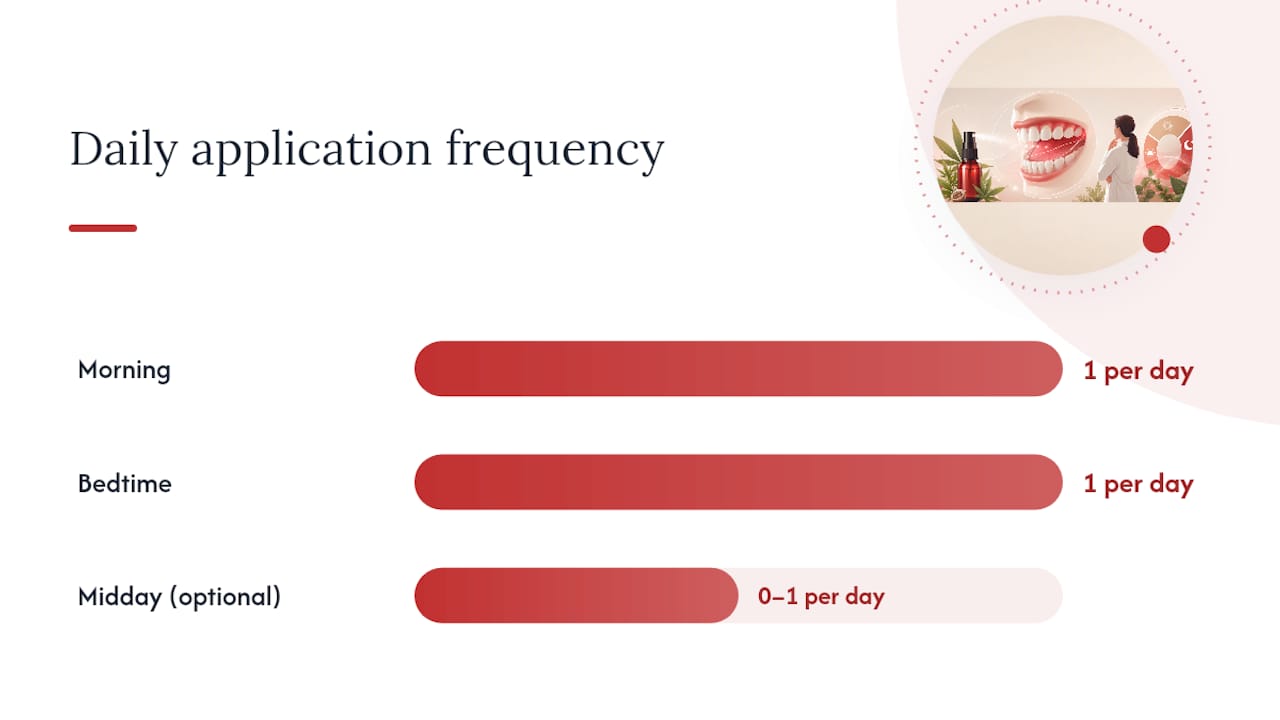
- Apply directly to the gumline, focusing on areas that bleed or feel tender, once in the morning and once before bed.
- Wait 15 to 20 minutes after brushing before spraying, so the active compounds aren’t diluted by toothpaste residue.
- Use a third application midday if you need a fast breath refresh, since sprays act faster than rinses on contact.
- Reassess after two to three weeks. If bleeding or sensitivity hasn’t improved, that’s a signal to talk to a dentist rather than increase frequency.
Formulation quality matters as much as the active ingredients. Look for alcohol-free bases (alcohol dries and irritates already-sensitive tissue), THC-free certification to rule out any psychoactive compound, and third-party lab testing that verifies what’s actually in the bottle. Stop Oral Care’s product pages list exactly these test results and concentration details for that reason.
Pro Tip: Check the ingredient list for concentration percentages, not just “hemp extract” as a vague catch-all. A spray that lists its cannabinoid or hemp oil percentage is almost always more transparent about dosing than one that doesn’t.
Pregnant or breastfeeding individuals, children, and immunocompromised people should consult a dentist or physician before starting any hemp-based oral product. Anyone with active mouth ulcers should pause use if stinging or irritation occurs, and stop entirely if symptoms worsen rather than improve within a week.
Spray, Rinse, or Toothpaste: Which One Fits Your Routine?
A spray shines for targeted jobs: hitting one inflamed spot along the gumline, refreshing breath between meals, or delivering relief to a dry mouth that can’t tolerate swishing a rinse for 30 seconds. It’s the most concentrated, most portable option in a natural oral care routine.
Rinses and toothpastes cover more ground. If your whole mouth needs plaque control, not just one problem area, a Dead Sea mineral mouthwash or hemp-infused toothpaste does more work per use than a spray alone.
- Choose a spray for spot treatment, dry mouth relief, or a quick midday breath fix
- Choose a rinse or toothpaste for full-mouth plaque and gingivitis management
- Combine both when you have both localized sensitivity and general gum concerns
- See a dentist if bleeding, pain, or swelling persists past two to three weeks of consistent use
Can a Hemp Spray Improve More Than Just Your Gums?
Oral discomfort has a way of bleeding into the rest of your day, quite literally. Chronic gum sensitivity changes how people eat, speak, and smile in front of others, and that low-grade avoidance behavior compounds over months. Reducing bleeding and tenderness doesn’t just fix a clinical marker. It removes a daily source of hesitation.
There’s also a sensory dimension that gets underrated. Many hemp-based oral products carry a calmer flavor profile than the sharp mint and alcohol sting of conventional mouthwash, which matters for people who’ve stopped using rinses altogether because of that burn. A gentler sensory experience means people actually stick with the routine, and consistency is what drives the antimicrobial and anti-inflammatory results documented in the clinical trials referenced above.
None of this constitutes a systemic wellness claim, and it shouldn’t be marketed that way. The psychological benefit here is narrow and specific: less oral pain and irritation translates to less avoidance of brushing, flossing, and social situations tied to breath confidence. That’s a meaningful quality-of-life change even without invoking anything beyond the mouth itself.
Do the Benefits of Hemp Sprays Last With Continued Use?
The clinical trials behind these claims ran 42 to 56 days, long enough to show real change in gingival indices but far short of answering what happens after a year of daily use. That’s an honest gap, not a reason for distrust.
What the mechanism suggests, and what dentistry generally understands about biofilm control, is that benefits are maintenance-dependent rather than permanent. Antimicrobial action against S. mutans biofilm doesn’t create lasting immunity; it suppresses bacterial colonization for as long as you keep applying it. Stop when the routine stops.
The more encouraging pattern is tolerability. Dead Sea mineral formulations showed better long-term tolerability than chlorhexidine in the systematic review referenced earlier, which matters because harsh antiseptic rinses often get abandoned after a few weeks due to taste or dryness. A product people can actually tolerate daily, for months, tends to outperform a marginally more potent one that gets shelved after two weeks. Sustainability of benefit, in this case, is less about the ingredient’s ceiling and more about whether the formulation is gentle enough to survive being part of a permanent routine.
Who Benefits Most From a Hemp and Dead Sea Mineral Spray?
Certain profiles see the clearest gains. People with gingivitis or early periodontal inflammation, marked by bleeding on brushing or tender gums, match almost exactly the population studied in the 56-day CBD gel trial and the 42-day spilanthol rinse pilot.
Anyone dealing with xerostomia, or chronic dry mouth, from medication side effects, aging, or medical treatment benefits from a spray’s concentrated, non-rinse delivery method in a way a mouthwash simply can’t replicate. People who’ve abandoned chlorhexidine rinses due to staining, taste, or irritation are strong candidates too, given the tolerability edge Dead Sea mineral formulations showed in trials.
Sensitive-teeth sufferers, particularly those with exposed root surfaces or recession, tend to respond well to the moisturizing and anti-inflammatory combination rather than fluoride-based desensitizing pastes alone. And anyone actively avoiding fluoride, whether for personal preference or a documented sensitivity, gets a genuine natural alternative backed by more than folklore.
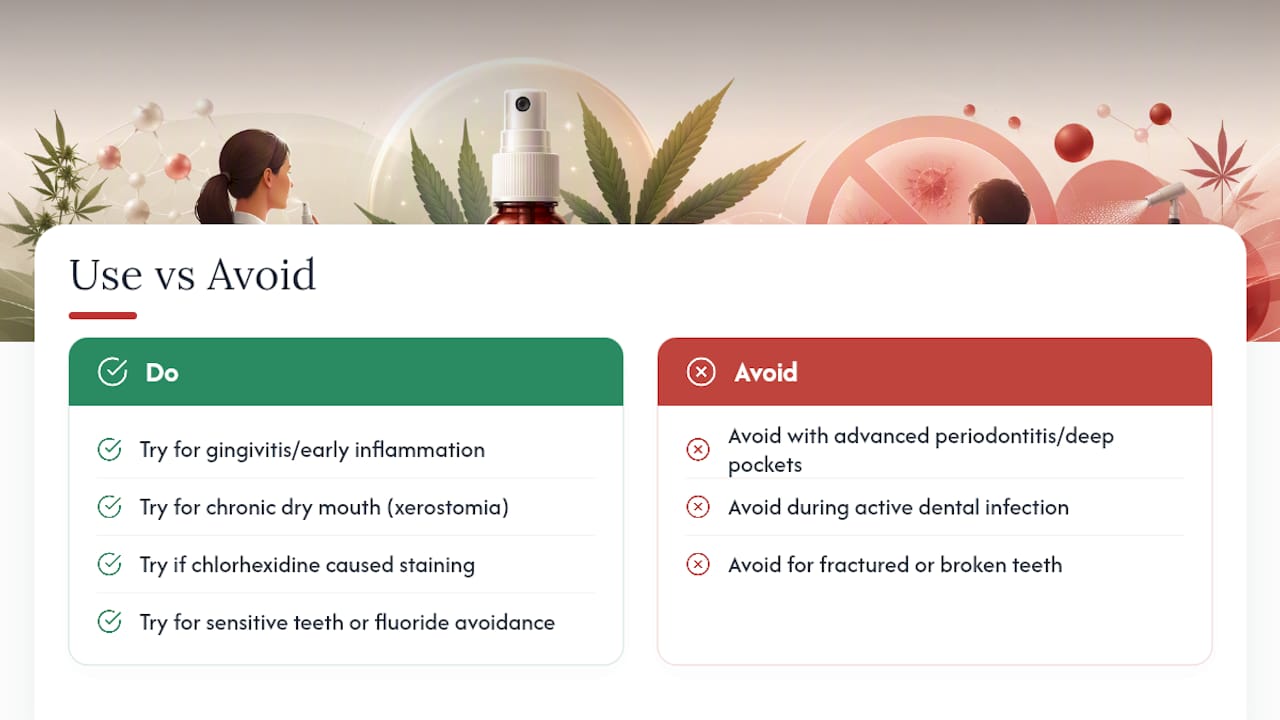
Where a spray helps less: advanced periodontitis with deep pocketing, active dental infection, or structural issues like fractured teeth. Those conditions need a dentist’s intervention first. A spray is an adjunct to professional care, never a substitute for it.
Why Stop Oral Care Builds on Hemp and Dead Sea Minerals
Formulation decisions should follow the evidence, not the other way around. The clinical trials on CBD gingival outcomes and the systematic review on Dead Sea tolerability pointed toward a specific combination: an antimicrobial and anti-inflammatory compound paired with minerals suited for daily, long-term use rather than short bursts.
Dr. Veronica Stahl’s work on Stop Oral Care’s Dead Sea mineral formulations reflects that same evidence-first logic. None of this replaces a dentist’s diagnosis or treatment plan. Persistent bleeding, pain, or swelling always warrants a professional visit.
— Veronica
Where to See the Lab Results Behind Stop Oral Care’s Spray
Stop Oral Care’s buccal spray was built around the same evidence discussed here: hemp compounds for antimicrobial and anti-inflammatory action, Dead Sea minerals for tissue support and tolerability, and a fluoride-free, alcohol-free base for people who want daily comfort without the sting of conventional rinses.
Every batch is formulated with concentration transparency in mind, no vague “hemp extract” labeling, so you can actually verify what you’re applying to your gums. If you’re comparing hemp-based options generally, hemp product formulators like Blue Bear Gummies illustrate how seriously the broader hemp industry treats lab verification, and Stop Oral Care holds its oral care line to that same standard. Visit the Stop Oral Care product page to review third-party test reports, check the full ingredient list, and see whether the spray fits the gum sensitivity or dry mouth concerns you’re managing. Reading the lab results before buying takes five minutes and tells you more than any product description can.
Sources
- Efficacy and Safety of Dead Sea-Derived Components in Oral Health Applications: A Systematic Review
- Pilot clinical study: CBD and spilanthol mouthwash effects on gingivitis indicators
- Clinical trial: CBD dental gel and toothpaste in periodontitis patients
This article is general information, not a substitute for advice from a qualified doctor. Consult a qualified healthcare professional about your own circumstances before acting on anything here.