

Charcoal toothpaste is not recommended for daily use. The primary concerns are well-documented: abrasive particles that erode enamel, the near-universal absence of fluoride in these formulations, and a consistent lack of clinical evidence supporting safety or efficacy. Dental associations including the American Dental Association (ADA) have not granted a Seal of Acceptance to any charcoal-containing toothpaste, and Harvard Health Publishing recommends conventional fluoride toothpaste instead.
The three most critical concerns are:
- Enamel abrasion: Charcoal particles have abrasive properties that can physically erode enamel with repeated use, exposing the softer, yellower dentin layer beneath.
- Fluoride absence: Most charcoal toothpastes are fluoride-free; replacing a standard fluoride dentifrice with one raises long-term cavity risk, as confirmed by ADA-affiliated dental reviews.
- Insufficient evidence: No robust clinical trials establish that charcoal toothpaste whitens teeth safely or provides any therapeutic benefit beyond superficial stain removal.
Recommendation: Limit use to occasional, not daily, application; consult your dentist before incorporating charcoal products into your routine.
Key Takeaways
Charcoal toothpaste poses documented risks to enamel integrity and caries prevention that outweigh its unproven cosmetic benefits, making evidence-based alternatives the clinically preferable choice for most patients.
| Point | Details |
|---|---|
| Enamel abrasion is the primary risk | Charcoal particles erode enamel, expose dentin, and can paradoxically make teeth appear yellower over time. |
| Fluoride absence raises cavity risk | Most charcoal toothpastes contain no fluoride; switching from a fluoride dentifrice increases long-term caries susceptibility. |
| No ADA Seal granted | No charcoal-containing toothpaste has received ADA Seal of Acceptance, reflecting unmet safety and efficacy standards. |
| High-risk groups should avoid it | People with restorations, enamel erosion, gum disease, sensitivity, or children should not use charcoal products without dental supervision. |
| Stop-oralcare offers a charcoal-free alternative | Stop-oralcare’s hemp and Dead Sea mineral formulations target sensitivity and whitening without high-abrasion charcoal particles. |
Table of Contents
- What are the real charcoal toothpaste risks to your enamel?
- What do studies and dental organizations say about charcoal toothpaste?
- Why does fluoride absence in charcoal toothpaste raise your cavity risk?
- What other safety concerns does charcoal toothpaste raise?
- Who should avoid charcoal toothpaste entirely?
- What are the safer, evidence-backed whitening alternatives?
- If you still use charcoal toothpaste, how can you reduce the risk?
- How should clinicians interpret the evidence on charcoal toothpaste?
- A note on safety-first oral care from Stop-oralcare
- Stop-oralcare offers a lower-risk fluoride-free option for sensitive teeth
- Sources
What are the real charcoal toothpaste risks to your enamel?
Charcoal toothpaste causes harm through two distinct pathways: mechanical abrasion and chemical interference with protective agents.
Relative dentin abrasivity and why particle size matters
RDA is the standardized measure of how aggressively a dentifrice abrades dentin under controlled conditions. The ADA considers an RDA at or below 250 acceptable for daily use, and most conventional fluoride toothpastes fall well below 150. Many charcoal formulations, however, contain particles that are both harder and more irregularly shaped than those in standard dentifrices, producing higher abrasive action per brushing cycle. The microabrasion mechanics of these particles differ meaningfully from those of polishing agents such as hydrated silica, which are engineered to minimize surface damage.
The enamel-to-dentin progression
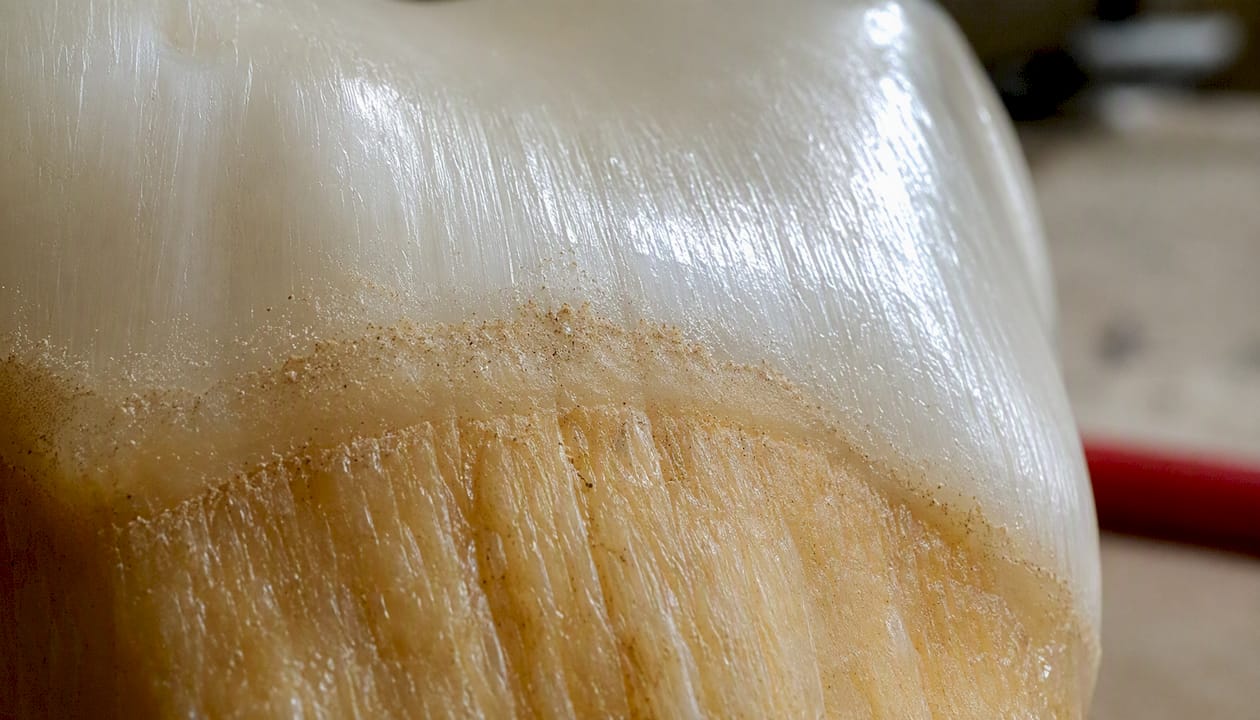
Enamel is the hardest tissue in the human body, yet it does not regenerate once lost. Repeated abrasion from charcoal particles progressively thins the enamel layer, eventually exposing dentin. Dentin is intrinsically yellow and porous, which produces two compounding problems: the tooth appears yellower despite the whitening claim, and the exposed tubules transmit thermal and tactile stimuli directly to the pulp, causing sensitivity. Penn Dental Medicine notes that charcoal’s whitening effect is purely extrinsic, removing surface stains by abrasion, and that the same mechanism can paradoxically deepen discoloration over time by thinning enamel.
Chemical interference with fluoride
Activated charcoal has a high adsorptive surface area, a property that makes it effective at binding molecules indiscriminately. In a dentifrice context, this means charcoal can adsorb fluoride ions before they contact the tooth surface, reducing their remineralizing availability even in the minority of charcoal products that do include fluoride. The ADA Commons detailed review identifies this ion-binding mechanism as a secondary but clinically relevant concern.
How brushing technique amplifies risk
Brushing pressure, bristle stiffness, and frequency all interact with abrasive pastes. A medium or hard-bristled brush used with firm pressure and a charcoal dentifrice compounds abrasive damage significantly compared with a soft brush and light pressure. Twice-daily use at standard pressure with a high-RDA paste accelerates enamel loss at a rate that single-use laboratory studies consistently underestimate.
What do studies and dental organizations say about charcoal toothpaste?
The evidence base for charcoal dentifrices is limited in both quantity and methodological quality.
Synthesis of available studies
Laboratory (in vitro) studies and small clinical trials produce heterogeneous results. Some single-use stain-removal tests report modest extrinsic whitening, but follow-up studies frequently document increased surface roughness and enamel alteration. A PubMed-indexed review of the available literature confirms that study designs are inconsistent, sample sizes are small, and most trials do not extend beyond a single session, making it impossible to assess cumulative harm or benefit.
| Evidence type | Number/scope | Key finding |
|---|---|---|
| In vitro abrasion studies | Multiple, small | Elevated surface roughness; enamel alteration documented |
| Short-term clinical trials | Few, heterogeneous | Modest extrinsic stain removal; no long-term safety data |
| Systematic reviews | Limited | Insufficient evidence for safety or efficacy claims |
| Organizational guidance | ADA, Harvard Health | Caution or against routine use; no ADA Seal granted |
Official organizational positions
No charcoal-containing toothpaste has received the ADA Seal of Acceptance. The ADA Seal program requires defined RDA limits and confirmed fluoride content, criteria that charcoal products routinely fail to meet. The BDJ Team review published in Nature found insufficient clinical evidence to support cosmetic or health claims and raised concerns about marketing practices and possible contaminants in some formulations.
Study limitations worth noting
Most published studies are in vitro, meaning they test extracted teeth or enamel slabs under controlled laboratory conditions rather than in living patients. Sponsorship bias is also a documented concern in dentifrice research generally. The absence of multi-month randomized controlled trials means that long-term enamel loss, caries incidence, and soft-tissue effects remain inadequately characterized.
Why does fluoride absence in charcoal toothpaste raise your cavity risk?
Fluoride is the most evidence-supported active ingredient in preventive dentistry. It promotes remineralization of early carious lesions, inhibits bacterial acid production, and reduces demineralization rates during acid challenges. Replacing a fluoride-containing dentifrice with a fluoride-free charcoal product removes this protective mechanism entirely.
Two distinct mechanisms elevate caries risk:
- Direct fluoride absence: The majority of charcoal toothpastes contain no fluoride. Patients who substitute these products for their standard dentifrice lose daily fluoride exposure, which accumulates into measurable increases in caries susceptibility over months.
- Adsorptive interference: Even in the minority of charcoal products that list fluoride as an ingredient, activated charcoal’s high surface area can bind fluoride ions in the paste before they reach the tooth surface, reducing bioavailable fluoride to levels below therapeutic thresholds.
At-risk populations face disproportionate consequences. Children whose permanent teeth are still mineralizing, individuals with xerostomia (dry mouth) from medications or systemic conditions, and patients undergoing orthodontic treatment all depend heavily on consistent fluoride exposure. For these groups, switching to a fluoride-free charcoal product carries a clinically meaningful increase in caries risk.
Fluoride and remineralization: Fluoride incorporated into hydroxyapatite during remineralization produces fluorapatite, which is more acid-resistant than the original mineral structure. This mechanism is the foundation of modern caries prevention and is absent in fluoride-free formulations.
For readers interested in enamel repair and remineralization, the distinction between fluoride-containing and fluoride-free formulations is particularly relevant when selecting a daily dentifrice.
What other safety concerns does charcoal toothpaste raise?
Beyond abrasion and fluoride loss, several secondary hazards merit attention.
Contaminants in some formulations
Certain charcoal products have been flagged in reviews for the presence of trace contaminants, including crystalline silica and polyaromatic hydrocarbons (PAHs). Clinical links between these contaminants and systemic disease or oral cancer are currently unproven, but their presence in an orally applied product warrants caution. The BDJ Team review specifically identified contamination concerns and marketing irregularities as reasons for regulatory attention.
Particle embedding in gum tissue and restorations
Charcoal particles are fine enough to migrate into periodontal pockets, gingival crevices, and the margins of crowns, veneers, and composite restorations. Once embedded, they produce persistent gray or black discoloration that typically requires professional debridement to correct. Penn Dental Medicine and ADA-affiliated reviews both document this phenomenon, noting that patients with existing restorations are particularly susceptible.
Medication interactions and systemic considerations
Activated charcoal is used clinically in emergency medicine precisely because it adsorbs a broad spectrum of compounds. Applied orally twice daily, charcoal toothpaste may reduce the absorption of oral medications taken around the same time, including certain cardiac drugs, thyroid medications, and anticoagulants. Patients on complex medication regimens should discuss this interaction risk with both their dentist and prescribing physician.
Long-term data gaps
No published multi-year clinical trial has tracked enamel thickness, caries incidence, or soft-tissue health in patients using charcoal toothpaste as their primary dentifrice. The absence of this data does not imply safety; it means the risk profile remains incompletely characterized, and the conservative clinical interpretation is to avoid routine use.
Who should avoid charcoal toothpaste entirely?
The following groups face elevated risk and should not use charcoal dentifrices without explicit dental supervision:
- People with enamel erosion or thin enamel: Further abrasion accelerates dentin exposure and sensitivity.
- Individuals with dentinal hypersensitivity: Abrasion opens additional dentinal tubules, worsening pain responses to thermal and osmotic stimuli.
- Patients with dental restorations (veneers, crowns, composite bonding): Charcoal particles embed in restoration margins, causing staining and potentially compromising marginal integrity.
- People with active gum disease or periodontal pockets: Particles migrate into inflamed tissue and are difficult to remove without professional intervention.
- Children below dentist-recommended age: Developing enamel is more susceptible to abrasion, and fluoride exposure during tooth mineralization is critical.
- Individuals relying on fluoride for caries prevention: This includes anyone with a history of frequent cavities, dry mouth, or orthodontic appliances.
- Patients taking oral medications: The adsorptive properties of charcoal may reduce drug bioavailability when toothpaste is used proximate to medication administration.
Consult your dentist before introducing any charcoal-containing product into your oral care routine, particularly if you fall into one or more of the categories above.
What are the safer, evidence-backed whitening alternatives?
Several options deliver measurable whitening results with substantially lower risk profiles than charcoal dentifrices.
-
ADA-Sealed fluoride whitening toothpastes. These contain low-abrasion polishing agents and confirmed fluoride content. The ADA Seal requires defined RDA limits and documented safety data. Best for: daily maintenance whitening with enamel protection.
-
Over-the-counter peroxide-based whitening strips. Products containing 6–10% hydrogen peroxide deliver intrinsic whitening by oxidizing chromogenic compounds within enamel and dentin. They are the most evidence-supported at-home whitening option. Safety note: follow manufacturer instructions on duration; overuse can cause transient sensitivity.
-
Dentist-supervised bleaching (in-office or custom take-home trays). In-office systems use higher peroxide concentrations under controlled conditions; take-home trays use lower concentrations over extended periods. Both are the clinical gold standard for measurable, safe whitening. Best for: patients with significant intrinsic discoloration or those who have not responded to OTC options.
-
Baking soda (sodium bicarbonate) dentifrices. A systematic review of 21 studies involving 2,517 participants confirms that baking soda dentifrices demonstrate low abrasivity and are clinically comparable to other dentifrices for plaque and gingivitis outcomes. When formulated with fluoride, they represent a low-risk whitening adjunct. For a deeper comparison of baking soda toothpaste for whitening versus abrasive alternatives, the RDA differential is the key metric to evaluate.
-
Professional stain removal and polishing. Prophylactic polishing by a dental hygienist removes extrinsic stains without abrasive home products. Recommended as a complement to any whitening regimen, particularly for patients with restorations.
A short note on DIY abrasives: activated charcoal, lemon juice, and undiluted hydrogen peroxide applied without professional guidance are consistently riskier than their social media profiles suggest. Lemon juice, in particular, is acidic enough to demineralize enamel directly.
If you still use charcoal toothpaste, how can you reduce the risk?
For readers who choose occasional charcoal toothpaste use despite the evidence, the following precautions reduce, though do not eliminate, the risk of harm.
Limit application to no more than once or twice per week, not daily. Use a soft-bristled brush with minimal pressure, and restrict brushing duration to the standard two minutes without additional scrubbing force. Avoid applying charcoal paste directly to restoration margins, veneers, or areas of known gum recession.
Rinse thoroughly after use to remove residual particles from periodontal crevices. Follow with a fluoride toothpaste or fluoride mouthrinse to restore remineralization potential, provided the product chemistry does not contraindicate this sequence.
Monitor for early warning signs: increased thermal sensitivity, visible darkening at restoration margins, or any gingival irritation. Discontinue use immediately if any of these appear and schedule a dental evaluation.
Pro Tip: Before purchasing any charcoal toothpaste, search the product name alongside “RDA value” or contact the manufacturer directly to request abrasivity data. At your next dental appointment, ask your dentist to review the ingredient list and assess whether the product is appropriate for your specific enamel condition and restoration status.
How should clinicians interpret the evidence on charcoal toothpaste?
The clinical picture is one of asymmetric risk: the potential harms of charcoal dentifrices are mechanistically well-understood and supported by laboratory data, while the purported benefits lack robust clinical validation.
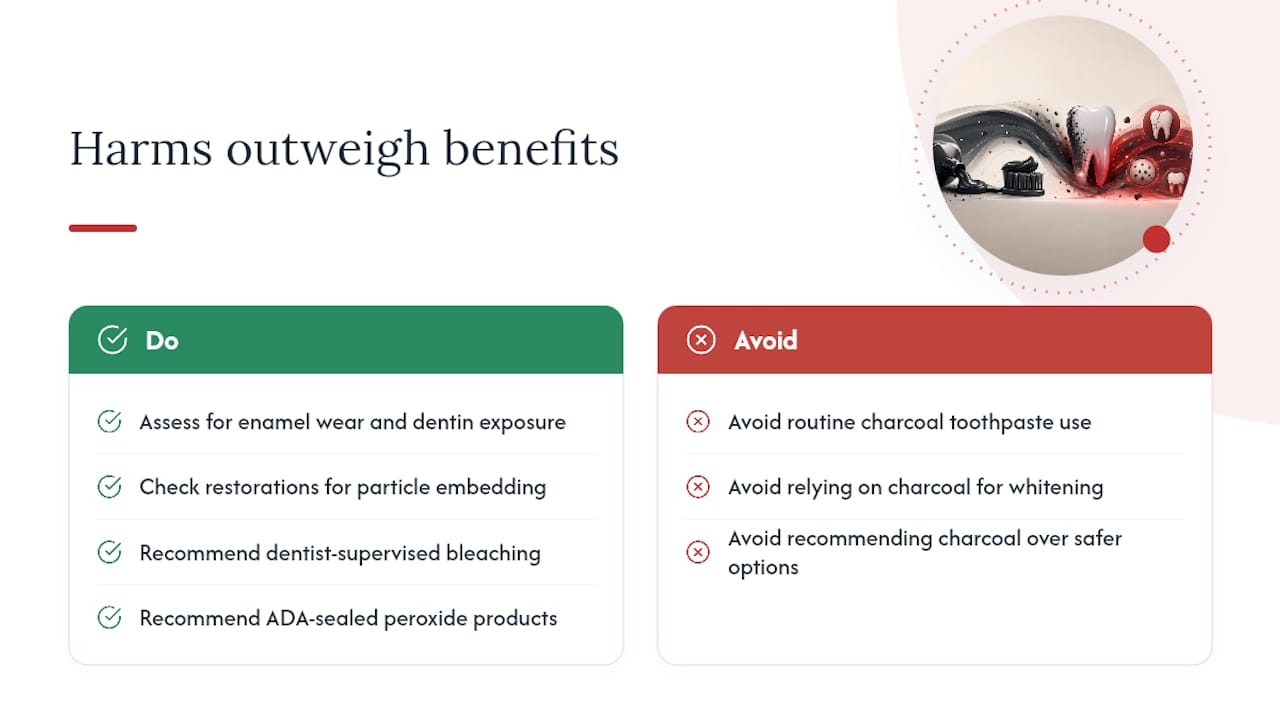
From a clinical standpoint, the conservative approach is well-supported. Enamel loss is irreversible; caries resulting from fluoride deprivation are preventable. The asymmetry between a reversible cosmetic benefit (extrinsic stain removal achievable by safer means) and an irreversible structural harm (enamel thinning, dentin exposure) justifies recommending against routine charcoal toothpaste use for the general patient population.
Patients presenting with sensitivity complaints who report charcoal toothpaste use should be assessed for enamel wear and dentin exposure. Those with restorations should have margins examined for particle embedding. For patients seeking whitening, referral to dentist-supervised bleaching or recommendation of an ADA-Sealed peroxide-based product provides a clinically defensible alternative with a documented safety profile.
Clinical note: Consumer Reports and multiple dental reviews have found limited evidence of whitening benefit and cautioned on enamel risk, reinforcing the position that charcoal toothpaste dangers outweigh the cosmetic upside for most patients.
A note on safety-first oral care from Stop-oralcare
Stop-oralcare’s product philosophy is grounded in the principle that oral care formulations should not introduce new risks in the process of addressing existing ones. The brand’s fluoride-free toothpastes, formulated with hemp-derived compounds and Dead Sea minerals, are developed specifically for individuals with sensitivity concerns, gum inflammation, and those who have made an informed decision to avoid fluoride under dental guidance. This positioning does not dismiss the substantial evidence base for fluoride in caries prevention; rather, it acknowledges that a subset of patients, working with their dental providers, may have clinical or personal reasons to seek fluoride-free alternatives that do not rely on abrasive charcoal particles for their effect.
Disclosure: Stop-oralcare sells fluoride-free oral care products. The safety analysis in this article reflects the published scientific and clinical literature, not product promotion.
Stop-oralcare offers a lower-risk fluoride-free option for sensitive teeth
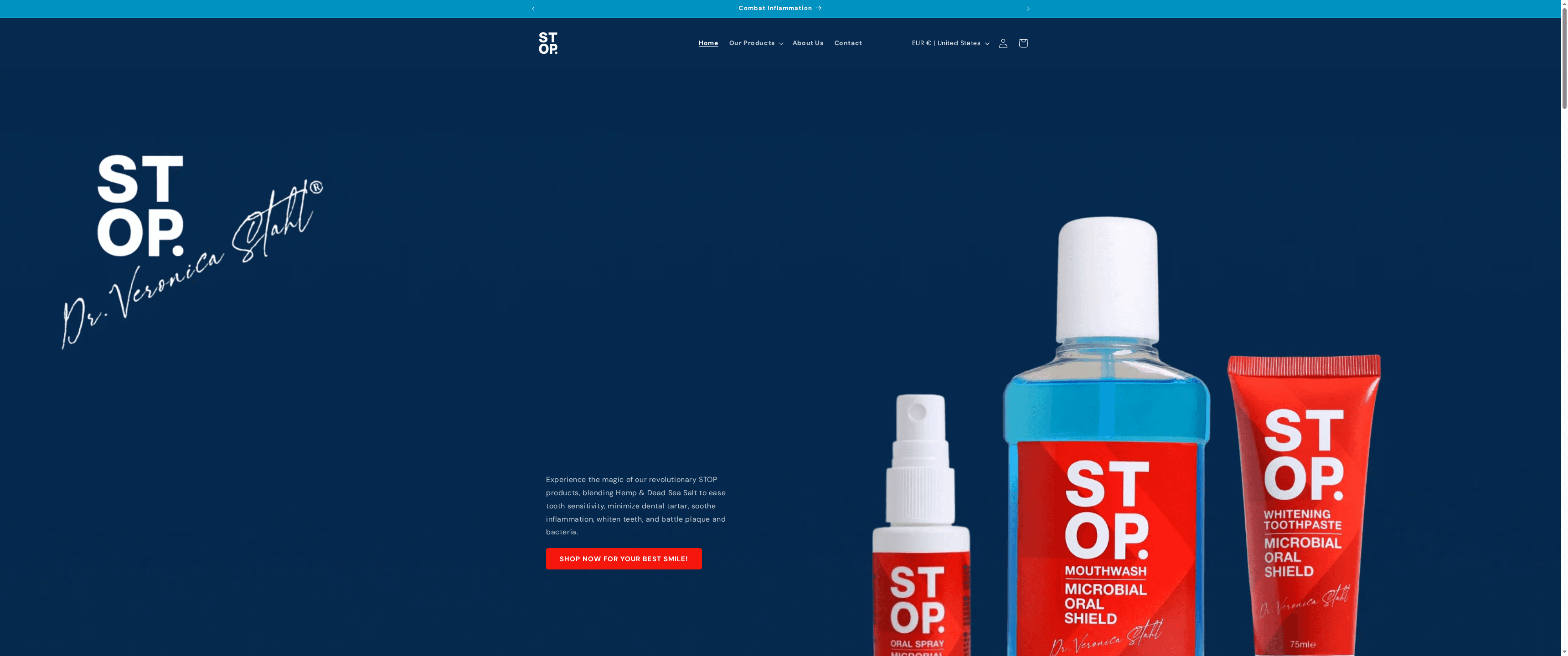
For patients with sensitivity, gum concerns, or an informed preference for fluoride-free formulations, Stop-oralcare’s hemp-infused toothpaste and oral care line provides an alternative that does not depend on high-abrasion charcoal particles for its effect. The formulations incorporate Dead Sea minerals and hemp-derived compounds, targeting plaque reduction, gingival inflammation, and gentle whitening without the enamel-abrasion profile associated with charcoal dentifrices. Review the full ingredient lists, compare RDA data where available, and discuss suitability with your dentist before switching your daily dentifrice. Visit Stop-oralcare’s product pages to review current formulations and determine whether a sensitivity-focused, charcoal-free approach fits your oral health profile.
Sources
The following sources were used in preparing this article and are recommended for readers who wish to examine the primary evidence directly.
- 10-Minute EBD: Charcoal Toothpastes Pose Risks with Few Benefits — Michigan Dental Association / ADA Commons
- Is charcoal toothpaste safe for my teeth? — Harvard Health Publishing
- Effects of baking soda dentifrices on plaque and gingivitis — NCBI/PMC
- Are the Benefits of Charcoal Toothpaste Real? — Penn Dental Medicine
This article is general information, not a substitute for advice from a qualified doctor. Consult a qualified healthcare professional about your own circumstances before acting on anything here.