

TL;DR:
- Proper pre-treatment assessment and low-peroxide formulas ensure safe at-home teeth whitening while minimizing sensitivity risks. Following precise application protocols and allowing adequate recovery time preserves enamel integrity and prolongs whitening results. Patience and adherence to evidence-based guidelines lead to safer, more sustainable whitening outcomes.
Many people want a brighter smile but hesitate because of concerns about enamel damage, tooth sensitivity, and gum irritation. This guide to safe tooth whitening at home addresses those concerns directly, with evidence-based protocols drawn from clinical research and professional dental guidance. You will learn which product concentrations are clinically approved, how to apply whitening agents correctly, how to manage sensitivity before it becomes a problem, and how to maintain results without compromising your long-term oral health.
Table of Contents
- Key takeaways
- Prerequisites before starting at-home whitening
- Step-by-step safe whitening methods
- Troubleshooting side effects and common mistakes
- Maintaining and verifying whitening results
- My clinical perspective on at-home whitening safety
- Safe whitening products from Stop-oralcare
- FAQ
Key takeaways
| Point | Details |
|---|---|
| Verify oral health first | Treat any cavities or gum disease before beginning any whitening protocol. |
| Use low-peroxide formulas | Products with 6-10% hydrogen peroxide are ADA-recognized as safe and reduce sensitivity significantly. |
| Apply with precision | Use a grain-of-rice amount of gel per tooth and keep product off gum tissue. |
| Manage sensitivity proactively | Pre-treat with potassium nitrate gel daily before starting your whitening regimen. |
| Maintain results methodically | Avoid staining foods post-treatment and limit repeat cycles to dentist-recommended intervals. |
Prerequisites before starting at-home whitening
Before placing any whitening agent on your teeth, a clinical assessment of your current oral health is necessary. Active cavities, gum disease, or exposed root surfaces create pathways for peroxide to reach sensitive dentin and nerve tissue directly, dramatically increasing the risk of pain and tissue damage. Any of these conditions must be treated before whitening begins.
A structured pre-whitening checklist should include the following items:
- Confirm no untreated cavities or cracked enamel are present
- Assess gum health for signs of recession, bleeding, or active infection
- Begin using a desensitizing toothpaste at least two weeks before treatment
- Apply 5% potassium nitrate gel daily for one to two weeks before starting
- Avoid whitening if pregnant, under the age of 16, or actively managing an oral infection
The table below outlines key materials and safe product parameters:
| Category | Specification |
|---|---|
| Hydrogen peroxide concentration | 6-10% for home use (ADA-recognized safe range) |
| Carbamide peroxide equivalent | 16-22% carbamide = approximately 6-7% hydrogen peroxide |
| Tray type | Custom-fitted preferred; OTC acceptable with proper use |
| Pre-treatment agent | 5% potassium nitrate gel applied once daily |
| Excluded populations | Pregnant individuals, children under 16, active oral infections |
Pro Tip: Begin a sensitive teeth checklist at least two weeks before starting your first whitening cycle. This preparation window significantly reduces side effect risk during treatment.
Pre-treatment compliance is one of the most undervalued steps in DIY whitening. Patient education on pre-whitening preparation measurably reduces adverse effects and improves patient satisfaction across clinical studies.
Step-by-step safe whitening methods
The following protocol reflects current clinical recommendations for home tooth whitening tips that minimize side effects while achieving measurable results. Low-peroxide formulas at 6-10% hydrogen peroxide reduce sensitivity by 60-70% compared to higher concentrations, though they require longer treatment durations averaging 24 days versus 11 days at higher concentrations.
- Wait after brushing. Do not apply whitening products immediately after brushing. Applying whitening 30-60 minutes after brushing reduces the enamel permeability spike that occurs right after mechanical cleaning, which can double reported sensitivity when ignored.
- Load the tray correctly. Place a thin grain-of-rice ribbon of gel per tooth along the front-facing surface of the tray. Overfilling forces gel onto gum tissue and is the primary cause of chemical irritation.
- Seat the tray precisely. Press the tray firmly against your teeth so gel contacts enamel uniformly. Wipe away any visible overflow immediately with a cotton swab or your fingertip before gel has time to contact gum margins.
- Observe recommended wear time. For 6-10% hydrogen peroxide products, wear time is typically 30-60 minutes per session. Do not extend sessions to accelerate results. Overexposure does not whiten faster and increases tissue damage risk.
- Rinse thoroughly. Remove the tray, rinse your mouth with lukewarm water, and clean the tray with cold water. Avoid hot water, which degrades the tray material.
- Apply post-whitening desensitizer. Use a fluoride gel or potassium nitrate toothpaste immediately after rinsing to support enamel recovery and reduce residual nerve stimulation.
- Document your session. Note start time, wear duration, and any sensitivity level on a 1-5 scale. This log helps you recognize patterns and adjust before side effects escalate.
Custom trays versus over-the-counter options
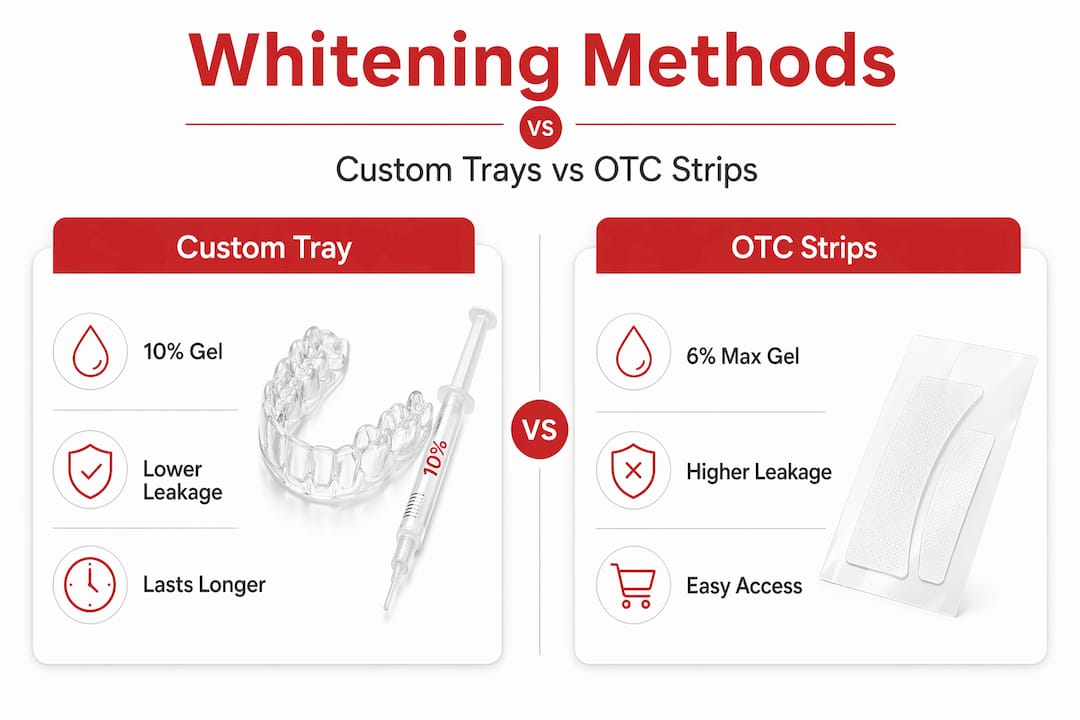
This distinction matters more than most DIY guides acknowledge. Custom trays with margin cutback reduce gel leakage by 70-80% compared to standard over-the-counter trays. If you have a history of gum sensitivity, or if you have experienced irritation from strip-based products in the past, investing in a dentist-fabricated tray is the clinically supported choice. Over-the-counter strip products are acceptable for individuals with healthy gum tissue and low baseline sensitivity, provided they follow manufacturer guidelines without modification.
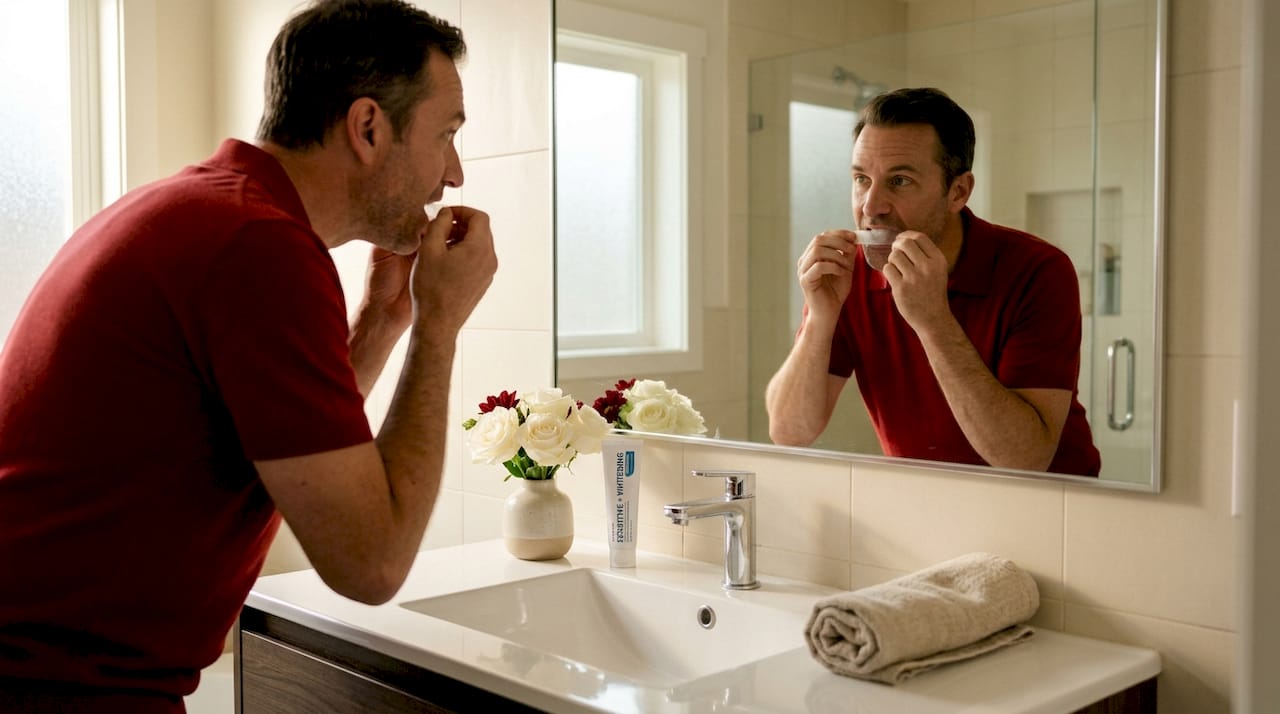
Pro Tip: If you are using over-the-counter strips, fold the excess strip material inward rather than pressing it onto your gum tissue. This single adjustment eliminates the most common source of strip-related gum irritation.
Troubleshooting side effects and common mistakes
About 55-75% of patients experience tooth sensitivity during or after whitening treatment. This statistic is frequently cited as a reason to avoid whitening altogether, but the clinical picture is more nuanced. For 90% of affected individuals, sensitivity resolves within one week. Gum irritation affects 10-25% of users but can be reduced to 3-5% with correct application technique.
Understanding why sensitivity occurs helps you address it rationally rather than stopping treatment unnecessarily. Hydrogen peroxide penetrates enamel and temporarily increases its porosity. This exposes dentinal tubules and mildly elevates nerve sensitivity. Critically, sensitivity does not indicate structural tooth damage. Enamel porosity and nerve inflammation normalize within days to weeks with proper post-treatment care.
Stop treatment and contact a dental professional if you observe any of the following:
- Sensitivity that persists beyond seven days after stopping treatment
- Visible white or gray spots on enamel that were not present before treatment
- Gum tissue that appears white, blistered, or ulcerated
- Sharp, spontaneous pain unrelated to temperature or whitening sessions
- Bleeding gums that do not resolve within 24 hours of treatment cessation
“Gum tissue exposed to peroxide concentrations as low as 3% for prolonged periods can develop chemical burns, but correct protocol prevents this outcome in the overwhelming majority of cases.”
For mild to moderate sensitivity that falls below the threshold requiring consultation, several evidence-based interventions are effective. Potassium nitrate works by blocking nerve signals in dentin tubules, which raises the depolarization threshold and reduces pain perception during treatment. Fluoride gel applied after each session supports remineralization and helps restore enamel permeability to its baseline state.
Pro Tip: If you experience sensitivity, reduce your wear time by 15 minutes per session and add one rest day between sessions. Most users find this adjustment resolves discomfort without requiring a full treatment pause.
For gum care support during your whitening period, natural mouthwash formulations for gum health can help maintain tissue integrity without introducing additional chemical irritants.
Maintaining and verifying whitening results
Post-treatment behavior determines how long your results last. The first 48 hours after completing a whitening cycle are the most critical. Enamel porosity is at its highest during this window, meaning pigmented foods and beverages stain teeth more readily than at baseline. Avoid coffee, tea, red wine, tomato-based sauces, and berries for at least 48 hours after your final session.
The table below compares common whitening approaches and their expected outcomes:
| Method | Average Duration of Results | Sensitivity Risk | Best For |
|---|---|---|---|
| Custom tray with 10% H2O2 | 12-24 months | Low to moderate | Sensitive teeth, uniform coverage |
| OTC strips (standard) | 6-12 months | Moderate | Healthy gums, mild discoloration |
| Whitening toothpaste | 3-6 months (maintenance) | Very low | Touch-up and stain prevention |
| Touch-up gel kits | 6-12 months per cycle | Low | Post-treatment maintenance |
Repeat whitening cycles should not be initiated more frequently than every six months for most individuals. Overuse does not produce proportionally better results and compromises enamel integrity over time. The best at-home teeth whitening approach is one that is sustainable across years, not maximized for speed in weeks.
One point that consistently surprises users: whitening agents do not alter the color of dental restorations such as crowns, veneers, or composite bonding. If you have visible restorations on front teeth, discuss color matching with your dentist before beginning treatment. Whitening your natural teeth without accounting for existing restorations can produce uneven color results that require additional cosmetic correction. For individuals exploring cosmetic dentistry options alongside home whitening, this consultation step is particularly relevant.
Regular dental visits remain necessary even when whitening at home. A professional evaluation every six months allows a dentist to monitor enamel condition, assess gum health, and confirm that your chosen whitening protocol is not producing subclinical damage that would not be apparent to the untrained eye.
My clinical perspective on at-home whitening safety
Over the years of working with patients who attempt to whiten their teeth at home, the most consistent finding is not that the products fail. It is that the preparation fails. People skip the two-week desensitization window, buy the highest concentration they can find because they believe it will work faster, and then attribute their discomfort to the product rather than the protocol.
What I have observed repeatedly is that fear of sensitivity leads people to either avoid whitening entirely or push through discomfort that could have been prevented. Neither outcome is necessary. The sensitivity most people experience is fully reversible. Enamel and nerve responses normalize reliably when post-treatment care is followed.
My strongest recommendation is this: resist the instinct to accelerate. Longer treatment timelines with lower concentrations consistently produce equivalent whitening outcomes with fewer side effects. The patient who takes 24 days rather than 11 days to reach their target shade does not end up with a worse result. They simply end up with a safer experience. Prioritize that. For anyone wanting a deeper look at evidence-based natural whitening, the science clearly supports patience over intensity.
— Veronica
Safe whitening products from Stop-oralcare
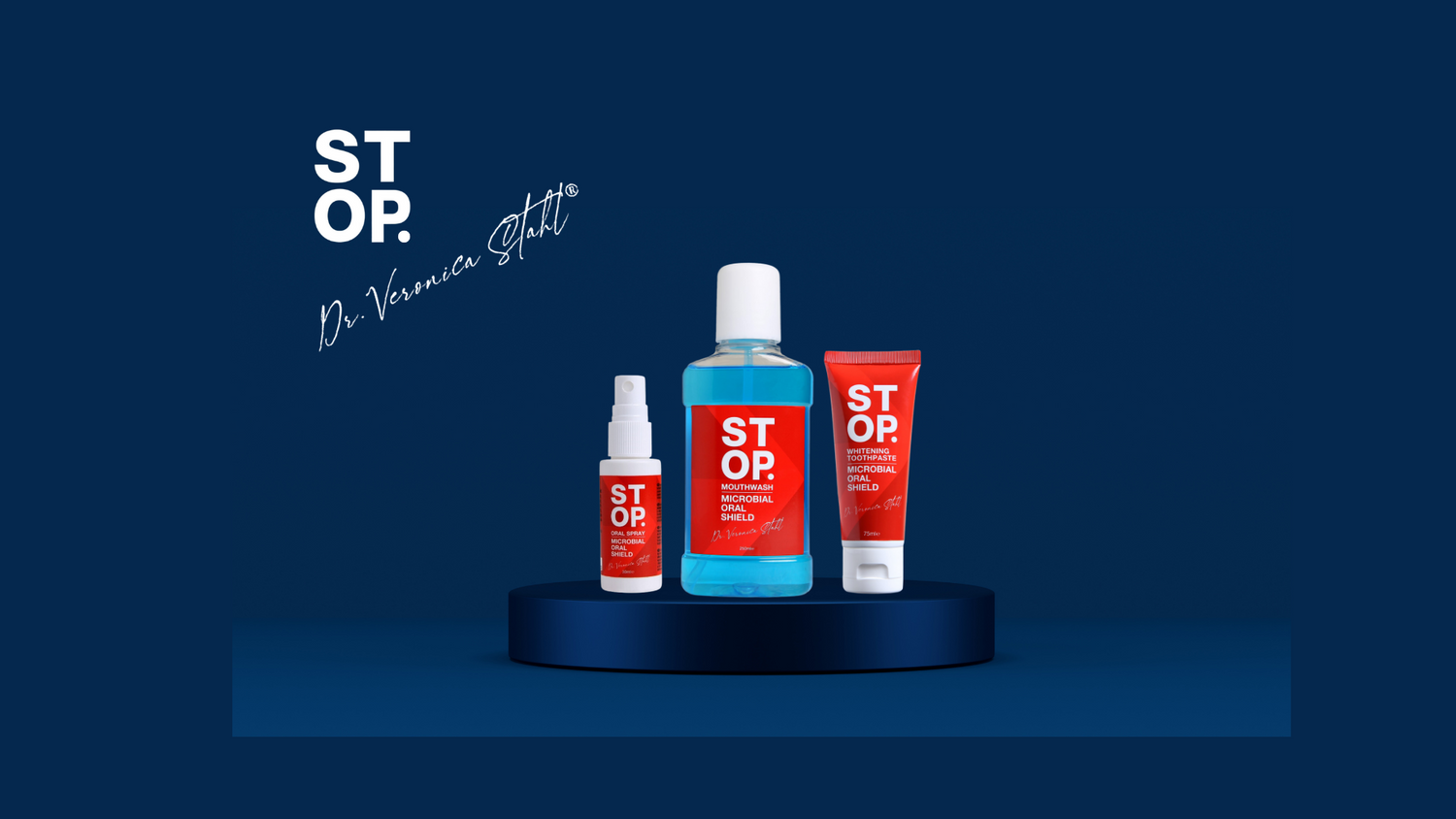
Stop-oralcare curates a selection of oral health products formulated to meet established safety standards while supporting the overall health of your teeth and gums during and after whitening cycles. The product line, developed under the guidance of Dr. Veronica Stahl, incorporates natural compounds including hemp-derived ingredients and Dead Sea minerals, which support tissue recovery without introducing synthetic irritants. If you are looking for products that complement a safe oral care routine alongside whitening, the Stop-oralcare blog and dental product safety guidance provide additional reference material. Explore the full product range at stop-oralcare.com to find formulations aligned with your whitening and oral health goals.
FAQ
What hydrogen peroxide concentration is safe for home whitening?
The American Dental Association recognizes products containing up to 10% hydrogen peroxide as safe for home use when applied correctly. Concentrations in the 6-10% range reduce sensitivity by 60-70% compared to higher-strength formulas.
How long does sensitivity last after at-home whitening?
For 90% of users, sensitivity resolves within one week of stopping treatment. Sensitivity from whitening is temporary and reversible, not indicative of permanent enamel or nerve damage.
Can whitening products damage crowns or veneers?
Whitening agents do not change the color of crowns, veneers, or composite bonding. Using whitening products when visible restorations are present on front teeth may result in uneven color between natural teeth and restorations.
How often can you safely repeat a whitening cycle at home?
Most clinical guidance recommends no more than one whitening cycle every six months. More frequent cycles increase sensitivity risk and can compromise enamel integrity over time without producing proportionally improved results.
Why should you wait before whitening after brushing?
Applying whitening products 30 to 60 minutes after brushing prevents the enamel permeability spike that follows mechanical cleaning. Applying whitening immediately after brushing can double reported sensitivity levels.
Recommended
- Master Natural Teeth Whitening Workflow for Brighter Smile – Stop Oral Care
- How to Whiten Teeth Naturally at Home: Simple Steps for a Brighter Smi – Stop Oral Care
- Natural teeth whitening: Evidence, safety, and dairy/hemp – Stop Oral Care
- Guide to Safe Oral Care 2025: Achieve a Healthier Smile – Stop Oral Care