

Tooth sensitivity affects millions, making everyday activities like drinking cold water or eating sweets painful. The toothpaste aisle offers hundreds of options, each claiming to solve sensitivity while using confusing ingredient lists. This guide cuts through the confusion, helping you confidently select safe, natural toothpaste that protects your teeth and gums without harsh chemicals, so you can enjoy life without wincing.
Table of Contents
- Understanding Tooth Sensitivity And Safety Concerns
- Preparing To Choose: What To Look For In Safe Toothpaste
- Executing Your Choice: Top Ingredients And Toothpaste Types For Sensitive Teeth
- Verifying Your Choice And Maintaining Sensitive Oral Health
- Safe, Effective Toothpaste Options For Sensitive Teeth At Stop Oral Care
- FAQ
Key takeaways
| Point | Details |
|---|---|
| Safe toothpaste reduces sensitivity | Protects exposed dentin and soothes nerve endings without damaging enamel. |
| Low abrasivity matters most | Choose toothpaste with RDA values below 100 to prevent further enamel wear. |
| Nano-hydroxyapatite offers fluoride-free protection | Rebuilds enamel naturally and reduces sensitivity faster than some fluoride pastes. |
| Avoid harsh chemicals like SLS | Gentler formulas protect gum health and reduce irritation in sensitive mouths. |
| Professional care complements toothpaste | Regular dental visits address underlying causes while safe toothpaste manages symptoms. |
Understanding tooth sensitivity and safety concerns
Tooth sensitivity strikes when external stimuli reach your tooth nerves, triggering sharp pain that disrupts daily life. This happens primarily when exposed dentin from enamel erosion or gum recession allows substances to stimulate nerve endings directly. Your enamel, the protective outer layer, thins over time from acidic foods, aggressive brushing, or simply aging, leaving the porous dentin underneath vulnerable.
Gum recession compounds the problem by exposing tooth roots that lack enamel protection entirely. Poor oral hygiene can lead to periodontitis, causing gums to separate from teeth and dramatically increasing sensitivity. Plaque buildup irritates gums, triggering inflammation that pushes tissue away from teeth and creates painful exposed areas.
Many conventional toothpastes worsen these issues despite promises of relief. High abrasivity formulas scrub away precious enamel with each brushing session, accelerating sensitivity rather than solving it. Harsh chemicals irritate already inflamed gums, creating a cycle of damage that makes sensitivity progressively worse.
Choosing gentle, low-abrasivity toothpaste protects your delicate tooth structures while addressing sensitivity at its source. Safe formulas work by sealing exposed dentin tubules and calming overactive nerves without stripping enamel or irritating gums. The benefits of hydroxyapatite toothpaste for sensitive teeth demonstrate how natural mineral replacement can rebuild enamel and provide lasting relief.
Key factors contributing to tooth sensitivity include:
- Enamel erosion from acidic beverages, citrus fruits, and stomach acid exposure
- Aggressive brushing technique using hard-bristled toothbrushes or excessive pressure
- Teeth grinding (bruxism) that wears down enamel during sleep
- Gum disease causing recession and root exposure
- Recent dental procedures temporarily increasing sensitivity
- Age-related enamel thinning as protective layers naturally diminish
Preparing to choose: what to look for in safe toothpaste
Understanding toothpaste labels empowers you to make informed choices that protect rather than harm sensitive teeth. The Relative Dentin Abrasivity (RDA) scale measures how harsh toothpaste is on teeth, with values above 100 potentially damaging enamel and worsening sensitivity. Low RDA toothpastes (below 70) provide the gentlest cleaning, while medium options (70 to 100) balance effectiveness with safety.
The challenge? The FDA requires RDA values under 200 but manufacturers rarely disclose exact scores on packaging, leaving consumers guessing. You must research brands independently or contact manufacturers directly to verify abrasivity levels before purchasing.
Chemical ingredients deserve equal scrutiny when selecting safe toothpaste. Sodium Lauryl Sulfate (SLS) creates foam but irritates gums and soft tissues, especially in sensitive mouths. SLS-free toothpaste reduces irritation though cleaning power may vary, with some formulas using gentler alternatives like Sodium Lauroyl Sarcosinate that foam without harsh effects.
Natural, fluoride-free ingredients offer compelling benefits for health-conscious consumers seeking chemical-free oral care. Nano-hydroxyapatite (n-HA) provides enamel protection by directly replacing lost minerals, mimicking your tooth’s natural composition without fluoride’s potential concerns. This biomimetic approach supports remineralization while addressing sensitivity through a mechanism your body naturally recognizes.
Essential criteria for selecting safe toothpaste:
- RDA value documented at 100 or below for enamel protection
- Free from Sodium Lauryl Sulfate and harsh foaming agents
- Contains remineralizing ingredients like nano-hydroxyapatite or fluoride alternatives
- Includes desensitizing compounds that block dentin tubules
- Transparent ingredient labeling with recognizable, pronounceable components
- Third-party testing or certifications validating safety claims
The non-abrasive toothpaste benefits extend beyond sensitivity relief to long-term enamel preservation and gum health. Understanding how different formulations work helps you match toothpaste features to your specific needs, whether you prioritize natural ingredients, maximum gentleness, or targeted sensitivity reduction.
Pro Tip: Request RDA values directly from customer service before purchasing unfamiliar brands. Reputable manufacturers willingly share this information, while evasive responses signal potential concerns about product abrasivity.
Researching natural toothpaste sensitive teeth relief options reveals innovative formulations combining traditional wisdom with modern science. Plant-based ingredients, mineral compounds, and botanical extracts offer effective alternatives to synthetic chemicals while supporting your body’s natural healing processes.
Executing your choice: top ingredients and toothpaste types for sensitive teeth
Selecting the right active ingredients transforms toothpaste from a cleaning agent into a therapeutic tool for managing sensitivity. Nano-hydroxyapatite stands out as a revolutionary ingredient that shows comparable efficacy to fluoride in cavity prevention and enamel remineralization. This naturally derived mineral directly replaces lost calcium and phosphate in tooth structure, rebuilding enamel from within.
Research demonstrates that n-HA reduces tooth sensitivity faster and more effectively than some fluoride-based desensitizing formulas. The mechanism involves filling microscopic defects in enamel and plugging dentin tubules that transmit pain signals to nerves. Unlike surface treatments, nano-hydroxyapatite integrates into tooth structure, providing lasting protection that strengthens with continued use.
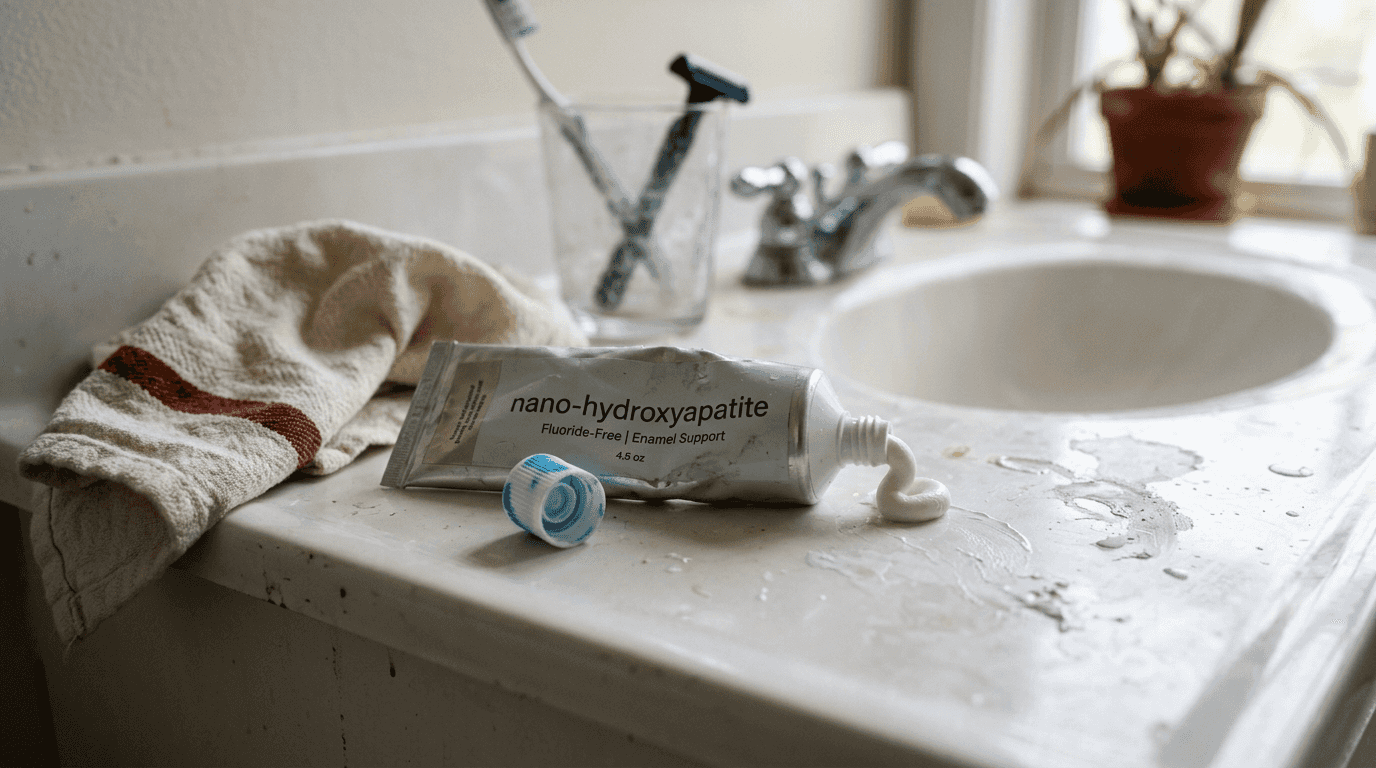
Fluoride remains a proven option for those comfortable with traditional ingredients. It forms fluorapatite on tooth surfaces, creating a mineral layer more resistant to acid attacks than natural enamel. Sensitive toothpastes contain compounds like stannous fluoride that specifically block dentin tubules and desensitize nerve endings, offering rapid relief for acute sensitivity.
| Feature | Nano-Hydroxyapatite | Fluoride Toothpaste |
|---|---|---|
| Mechanism | Mineral replacement and tubule sealing | Surface strengthening and tubule blocking |
| Sensitivity relief speed | Faster in clinical studies | Effective within 2-4 weeks |
| Safety if swallowed | Biocompatible, safe for all ages | Requires spitting, caution with children |
| Enamel remineralization | Biomimetic, integrates into structure | Forms protective fluorapatite layer |
| Chemical-free preference | Natural mineral compound | Synthetic additive |
| Long-term effectiveness | Strengthens with continued use | Proven over decades |
Choosing between these options depends on your priorities and sensitivity level. Nano-hydroxyapatite appeals to consumers seeking natural, chemical-free solutions with fast results and no swallowing concerns. The hydroxyapatite toothpaste vs fluoride comparison reveals both options deliver real benefits, making the choice largely personal rather than clinical.
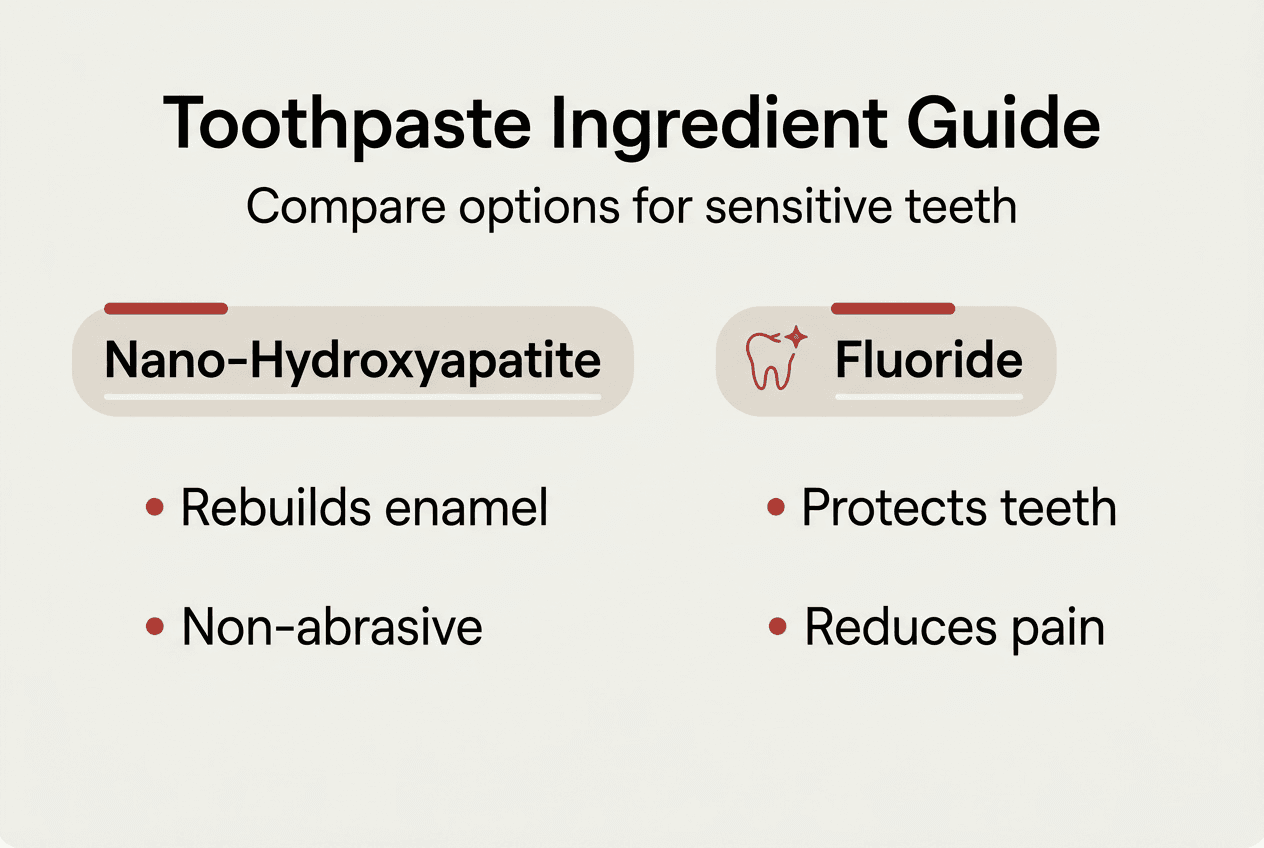
Fluoride toothpaste suits those comfortable with conventional dentistry’s most researched ingredient, especially when specific formulations like stannous fluoride target sensitivity. Many people find relief with either option, suggesting individual body chemistry plays a role in effectiveness.
Steps to select your ideal toothpaste type:
- Identify your sensitivity triggers (cold, sweet, pressure) to match ingredients addressing specific nerve responses.
- Decide your stance on fluoride based on personal values, family needs, and dentist recommendations.
- Verify the RDA value falls within safe ranges for your enamel condition.
- Check for additional beneficial ingredients like potassium nitrate or herbal extracts that support gum health.
- Start with a small tube to test effectiveness before committing to larger sizes.
- Monitor sensitivity levels daily for the first month to gauge improvement.
Pro Tip: Sensitivity improvement typically requires 2 to 4 weeks of consistent use. Mark your calendar to evaluate results objectively rather than expecting instant relief that may lead to premature product switching.
For fluoride-free advocates, choosing toothpaste without fluoride doesn’t mean sacrificing effectiveness. Modern formulations combine nano-hydroxyapatite with complementary ingredients like xylitol, which inhibits cavity-causing bacteria, and herbal extracts that soothe inflamed gums naturally.
Verifying your choice and maintaining sensitive oral health
Monitoring toothpaste effectiveness requires tracking specific sensitivity indicators over weeks to months. Keep a simple log noting pain frequency, intensity, and triggers to objectively measure improvement. Most people experience noticeable relief within 2 to 4 weeks of switching to appropriate toothpaste, though complete resolution may take longer depending on underlying damage.
Brushing technique matters as much as toothpaste selection in managing sensitivity. Use a soft-bristled brush and gentle circular motions rather than aggressive scrubbing that damages enamel and gums. Apply minimal pressure, letting the toothpaste ingredients do the therapeutic work rather than relying on mechanical force.
Complementary oral care products enhance toothpaste benefits and address sensitivity from multiple angles. The best mouthwash for receding gums can reduce inflammation and support gum reattachment when used alongside appropriate toothpaste. Avoid alcohol-based rinses that dry and irritate sensitive tissues.
Professional dental care remains essential even with excellent home hygiene. Regular checkups address underlying issues like tooth decay or gum disease that contribute to sensitivity beyond what toothpaste alone can resolve. Dentists can apply professional-grade desensitizing treatments, identify bite problems causing enamel wear, or recommend interventions for severe cases.
Signs requiring immediate dental consultation:
- Sensitivity worsening despite 4 to 6 weeks of appropriate toothpaste use
- Sharp pain localized to a single tooth suggesting decay or damage
- Gum swelling, bleeding, or recession progressing rapidly
- Sensitivity accompanied by visible cracks, chips, or discoloration
- Pain interfering with eating, sleeping, or daily activities
- Recent dental work creating persistent sensitivity beyond normal healing time
Maintaining results requires consistent habits that support the protective benefits your toothpaste provides. Brush twice daily without skipping, as inconsistent use allows sensitivity to return. Avoid acidic foods and beverages immediately before bedtime when saliva production decreases and enamel becomes more vulnerable.
Consider dietary modifications that support oral health and reduce enamel erosion. Limit citrus fruits, soda, and wine that demineralize teeth. When consuming acidic items, rinse with water afterward rather than brushing immediately, which can spread acid across enamel surfaces.
Long-term success combines safe toothpaste with holistic oral care addressing all sensitivity contributors. Your chosen toothpaste forms the foundation, but proper technique, complementary products, and professional oversight create a comprehensive approach that delivers lasting relief and protects your oral health for years to come.
Safe, effective toothpaste options for sensitive teeth at Stop Oral Care
Finding toothpaste that truly delivers on safety and sensitivity relief can feel overwhelming given the crowded marketplace. Stop Oral Care specializes in curated formulations designed specifically for health-conscious consumers seeking natural, chemical-free oral care solutions.
Our fluoride-free toothpaste options harness the power of nano-hydroxyapatite and natural minerals to rebuild enamel and soothe sensitivity without harsh chemicals. Each formula undergoes rigorous testing to ensure low abrasivity and maximum gentleness for sensitive teeth and gums. The innovative blend of hemp extracts and Dead Sea minerals provides therapeutic benefits backed by scientific research and clinical experience.
Explore our complete selection of safe dental care products tailored for sensitive mouths at Stop Oral Care, where natural ingredients meet proven effectiveness.
FAQ
What ingredients should I avoid in toothpaste for sensitive teeth?
Steer clear of high RDA abrasives that exceed 100, as these strip enamel and worsen sensitivity over time. Harsh chemicals like Sodium Lauryl Sulfate irritate gums and inflame sensitive tissues unnecessarily. Look for gentler foaming agents like Sodium Lauroyl Sarcosinate if you prefer some foam, or choose foam-free natural formulas that clean effectively without irritation.
How does nano-hydroxyapatite toothpaste help with tooth sensitivity?
Nano-hydroxyapatite directly replaces lost tooth mineral and plugs the microscopic dentin tubules that transmit pain signals to nerves. This dual action rebuilds enamel structure while blocking sensitivity triggers, often delivering faster relief than traditional desensitizing agents. The mineral particles integrate seamlessly into tooth structure because they match your natural enamel composition, making the treatment biocompatible and safe even if swallowed.
Can I use safe toothpaste for sensitive teeth if I have cavities or gum disease?
Safe toothpaste helps manage sensitivity symptoms but won’t cure cavities or reverse gum disease without professional treatment. Regular dental checkups remain crucial to address decay or periodontal issues that increase sensitivity as underlying causes. Use appropriate toothpaste alongside your dentist’s treatment plan, and consider the best mouthwash for receding gums to support gum healing while managing sensitivity.
How long does it take for safe toothpaste to reduce tooth sensitivity?
Most people notice improvement within 2 to 4 weeks of consistent twice-daily use with appropriate toothpaste. Complete relief may require 6 to 8 weeks as enamel rebuilds and dentin tubules seal fully. Track your progress objectively by noting pain frequency and intensity rather than expecting overnight results. If you see no improvement after 6 weeks, consult your dentist to identify underlying issues that require professional intervention beyond toothpaste alone.
Is fluoride-free toothpaste as effective as fluoride toothpaste for sensitivity?
Modern fluoride-free formulas using nano-hydroxyapatite demonstrate comparable effectiveness to fluoride in clinical studies for both cavity prevention and sensitivity reduction. The choice depends on personal preference rather than clinical superiority, as both ingredients protect enamel through different mechanisms. Fluoride-free options appeal to those seeking natural, chemical-free solutions with no swallowing concerns, while fluoride toothpaste offers decades of research validation. Either choice can effectively manage sensitivity when formulated with low abrasivity and appropriate desensitizing compounds.
Recommended
- Checklist for choosing safe toothpaste in 2026 – Stop Oral Care
- Top 3 mineral toothpastes in 2026: 5-star picks – Stop Oral Care
- Natural Toothpaste for Sensitive Teeth: 85% Relief Guide – Stop Oral Care
- 7 Essential Oral Health Tips 2025 for Sensitive Teeth – Stop Oral Care
- Tallow product checklist 2026: Choose safe natural skincare – Moose’s Tallow