

TL;DR:
- Dead Sea minerals contain therapeutic magnesium, calcium, potassium, and bromide, which support oral health. Clinical research shows they reduce inflammation, remineralize teeth, and lower sensitivity with fewer side effects than conventional products. Proper use involves brushing twice daily with mineral toothpaste and combining it with mineral mouthwash for enhanced effects.
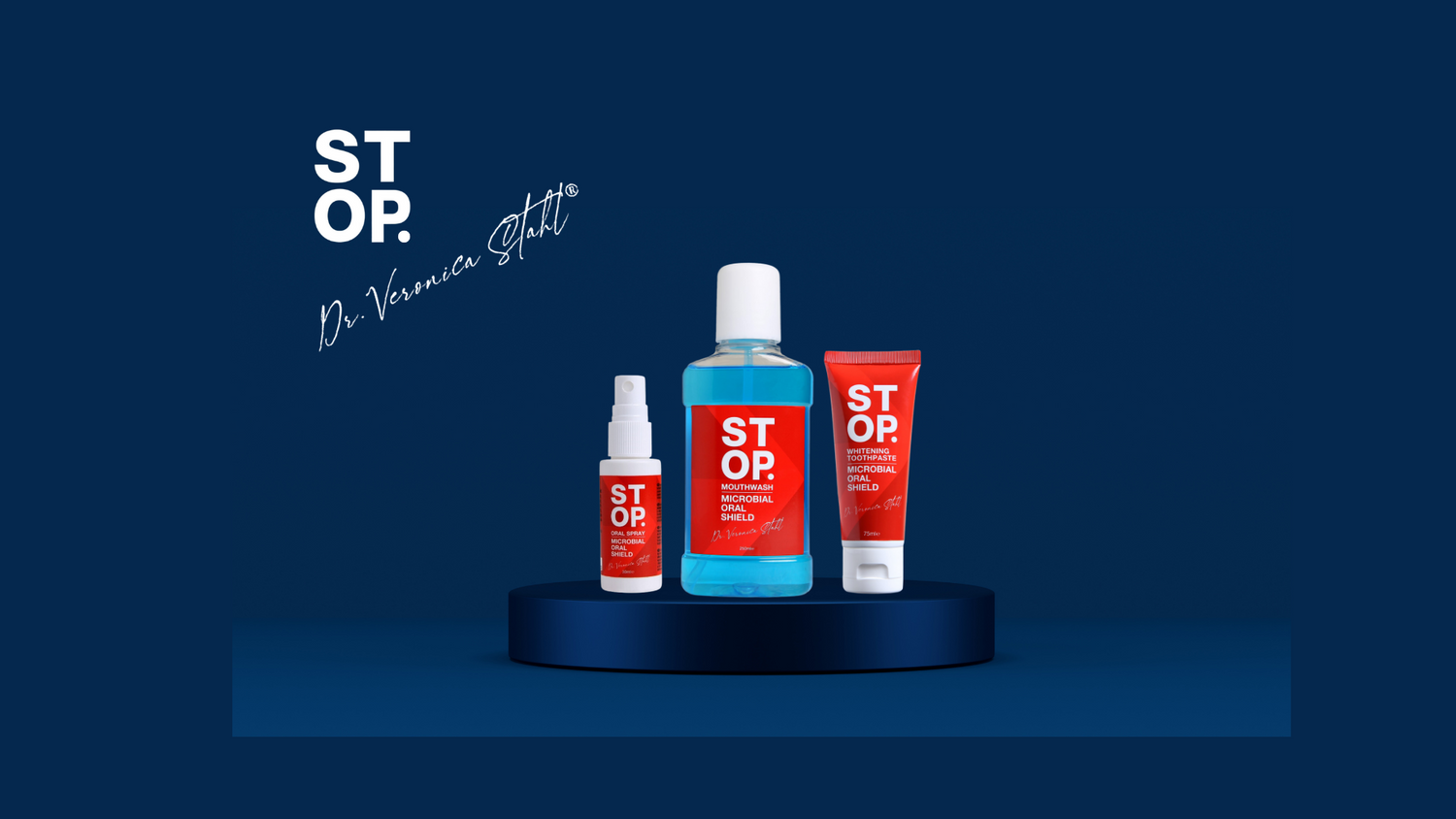
Dead Sea minerals are defined as a therapeutic complex of magnesium chloride, potassium chloride, calcium chloride, and bromide extracted from the hypersaline waters of the Dead Sea, and clinical research confirms their antimicrobial and anti-inflammatory effects on oral tissues. This dead sea minerals dental care guide covers exactly how these minerals work, how to use them correctly, and what to expect when you switch from conventional products. Unlike regular sea salt, Dead Sea salt contains significantly lower sodium and far higher concentrations of therapeutic minerals, making it distinctly suited for dental applications. Products such as Dead Sea mineral toothpaste and mineral-based mouthwashes are now supported by systematic clinical reviews, giving patients with sensitive teeth a scientifically grounded natural option. Dr. Veronica Stahl, the dental and natural medicine expert behind Stop-oralcare, has built her product line on this exact evidence base.
What are the key minerals in Dead Sea salt for dental care?
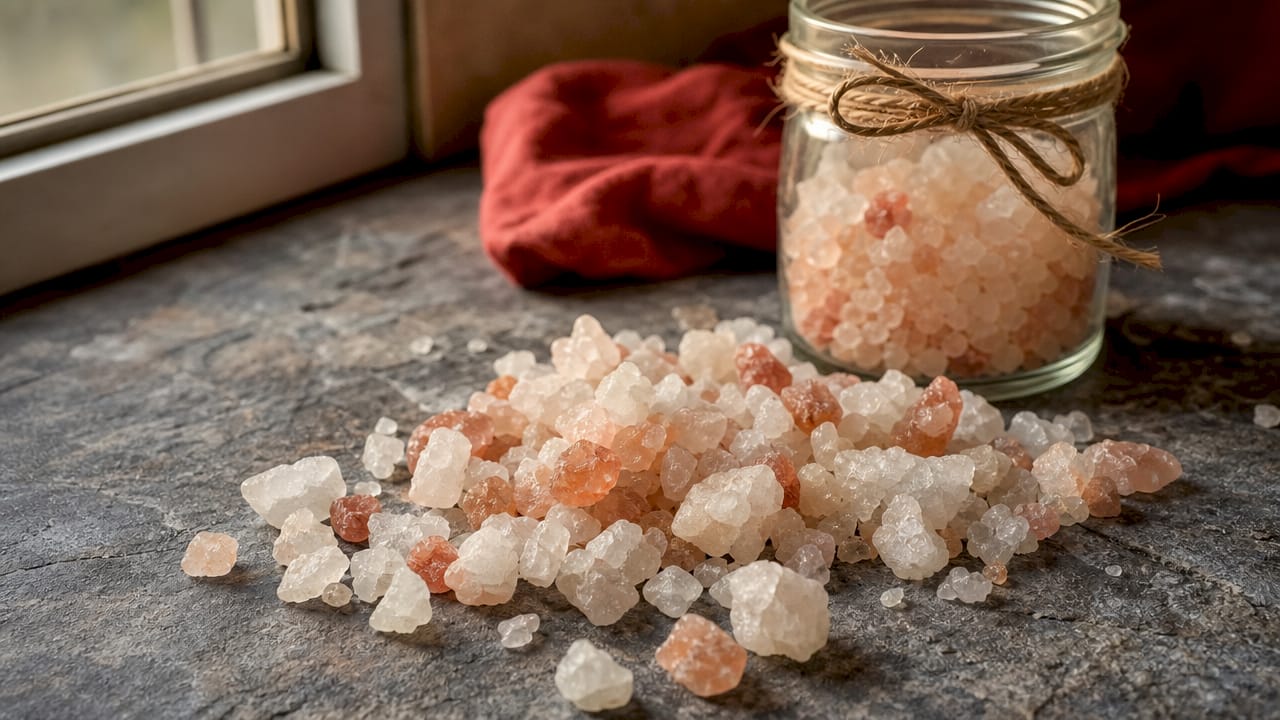
Dead Sea salt’s mineral profile is what separates it from every other salt-based oral care ingredient. The four primary components are magnesium chloride, potassium chloride, calcium chloride, and bromide, each with a distinct function in the mouth.
Magnesium chloride is the most clinically significant mineral for gum health. High magnesium content reduces inflammation and supports the tissue barrier function of sensitive oral mucosa. Patients with chronic gingivitis or periodontal sensitivity benefit most from this component.
Calcium chloride drives remineralization. Calcium ions penetrate dentinal tubules, the microscopic channels in tooth dentin that transmit pain signals when exposed, and physically close them. This is the primary mechanism behind sensitivity reduction in mineral-based dental products.
Potassium chloride stabilizes nerve signal transmission in the pulp, further reducing the perception of sensitivity. Bromide contributes both antimicrobial and mild whitening effects by disrupting bacterial cell membranes without the cytotoxicity associated with synthetic antiseptics.
| Mineral | Primary dental function | Found in regular sea salt? |
|---|---|---|
| Magnesium chloride | Reduces gum inflammation | Low concentration |
| Calcium chloride | Remineralizes enamel and dentin | Trace amounts |
| Potassium chloride | Reduces nerve sensitivity | Minimal |
| Bromide | Antimicrobial and mild whitening | Rare |
| Sodium chloride | Osmotic cleansing | Dominant component |
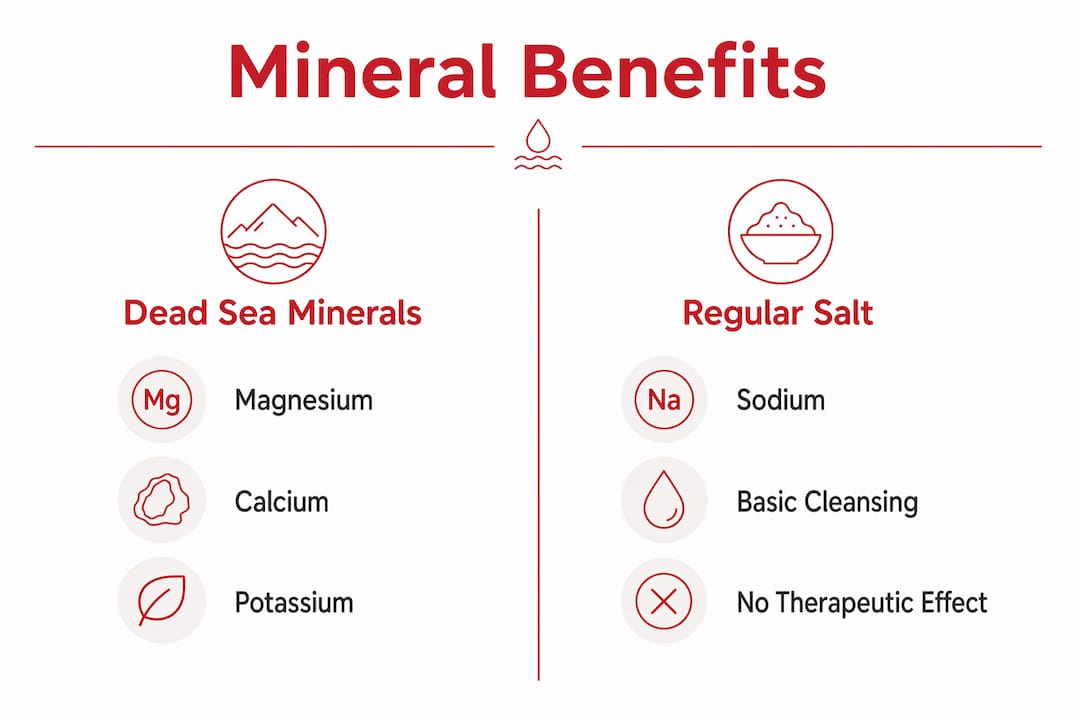
Regular sea salt is dominated by sodium chloride, which provides basic osmotic cleansing but none of the targeted therapeutic effects listed above. Dead Sea salt’s low sodium ratio is precisely what makes it clinically relevant for dental care with minerals rather than just a home remedy.
Pro Tip: When reading product labels, look for “Dead Sea salt” or “Maris Sal” as the listed ingredient. Generic “sea salt” does not carry the same mineral ratios and will not deliver the same clinical effects.
How to use Dead Sea mineral dental products for sensitive teeth
Correct application technique determines whether you get clinical results or just a different-tasting toothpaste. The optimal protocol calls for brushing twice daily for a minimum of two minutes each session, with full coverage of teeth, gums, and tongue.
Follow these steps for maximum benefit:
- Apply a pea-sized amount of Dead Sea mineral toothpaste to a soft-bristled brush. Hard bristles combined with mineral abrasives can erode enamel over time.
- Brush in small circular motions along the gumline first. This is where plaque biofilm accumulates and where mineral contact with inflamed tissue matters most.
- Cover the tongue surface on the final pass. The tongue harbors anaerobic bacteria that contribute to both bad breath and gingival inflammation.
- Hold the foam in your mouth for 30 seconds before spitting. This extends mineral contact time with enamel and soft tissue.
- Follow with a mineral-based mouthwash if available. Combining Dead Sea minerals with herbal extracts such as sage or chamomile enhances the anti-inflammatory and antibacterial effect beyond what either ingredient achieves alone.
- Avoid rinsing with water immediately after brushing. Rinsing dilutes the mineral residue before it can complete remineralization contact with the enamel surface.
Some patients notice a mild stinging sensation during the first one to two weeks of use, particularly around inflamed gum margins. This is a normal adaptation response, not a sign of irritation from the minerals themselves. Reduce frequency to once daily for the first week if the sensation is pronounced, then return to twice daily as tissue adapts.
Pro Tip: If you are managing active gum disease alongside a natural oral care routine, coordinate with your dentist on timing. Using mineral mouthwash after a professional cleaning session maximizes mineral absorption into freshly scaled root surfaces.
How does Dead Sea mineral toothpaste compare with conventional products?
The most clinically relevant comparison is between Dead Sea mineral mouthwashes and chlorhexidine, the gold standard antiseptic in dentistry. A 2025 systematic review found that Dead Sea salt mouthwashes reduce plaque and gingival inflammation at levels sometimes comparable to chlorhexidine. That finding is significant because chlorhexidine carries well-documented side effects including tooth staining, taste disruption, and mucosal desquamation with prolonged use.
| Feature | Dead Sea mineral products | Chlorhexidine products | Fluoride toothpaste |
|---|---|---|---|
| Plaque reduction | Clinically demonstrated | Gold standard | Moderate |
| Sensitivity relief | High (via remineralization) | Low | Moderate (with added KNO3) |
| Antimicrobial effect | Broad spectrum | Broad spectrum | Limited |
| Side effects | Mild initial stinging | Staining, taste loss | Fluorosis risk at high doses |
| Whitening effect | Mild (bromide) | None | None without added peroxide |
| Fluoride-free | Yes | Yes | No |
The whitening effect of Dead Sea mineral products is mild compared to peroxide-based treatments. Patients seeking significant whitening should not rely on mineral toothpaste alone. For sensitivity management and gum health, however, the mineral approach is clinically competitive with synthetic options and carries a lower side effect burden.
Patients transitioning from fluoride toothpaste often notice a texture and taste difference in the first two weeks. Mineral-rich products tend to feel less foamy because they contain lower concentrations of sodium lauryl sulfate or none at all. This is a formulation choice, not a defect. Reduced foaming does not indicate reduced efficacy.
- Dead Sea mineral products are fluoride-free, making them suitable for patients who prefer to avoid fluoride for personal or medical reasons.
- They show no cytotoxicity in vitro while neutralizing bacterial toxins including leukotoxins and endotoxins.
- Clinical trials also document reductions in salivary viral loads and plaque, suggesting a broader antimicrobial mechanism than simple osmotic action.
- They are not a replacement for professional periodontal treatment in advanced gum disease cases.
Common mistakes when using Dead Sea minerals in your oral care routine
The most frequent error is applying too high a concentration too soon. Dead Sea mineral products are formulated at therapeutic concentrations, not the saturated brine of the Dead Sea itself. Using undiluted Dead Sea salt directly on oral tissues can cause irritation, particularly on open wounds or severely inflamed gingival tissue.
- Do not apply mineral products directly to open sores or ulcers. Wait until acute inflammation resolves before resuming full use.
- Do not increase frequency beyond twice daily expecting faster results. Overexposure to mineral concentrations does not accelerate remineralization and can disrupt the oral microbiome balance.
- Do not discontinue use after the first week because of taste or texture differences. Transitioning from synthetic to mineral-based oral care requires a short adaptation period, and compliance through that period determines long-term outcomes.
- Do not skip professional dental visits. Dead Sea minerals are effective for prevention and sensitivity management. They are not a substitute for scaling, root planing, or restorative treatment.
“Dead Sea minerals should complement, not replace, professional dental care, especially for advanced gum disease.” — Efficacy and Safety of Dead Sea-Derived Components in Oral Health Applications
Patients who integrate mineral-based products with periodontal care protocols consistently report better outcomes than those who use either approach in isolation. The minerals support tissue healing between professional appointments, while professional treatment addresses structural issues that minerals cannot resolve.
Key Takeaways
Dead Sea minerals reduce dental sensitivity and gingival inflammation through a clinically documented combination of remineralization, antimicrobial action, and tissue barrier support.
| Point | Details |
|---|---|
| Mineral composition matters | Magnesium, calcium, potassium, and bromide each serve distinct dental functions absent in regular sea salt. |
| Twice-daily use is the standard | Brush for two minutes twice daily with full gum and tongue coverage to achieve clinical results. |
| Comparable to chlorhexidine | Systematic review evidence shows plaque and inflammation reduction at levels approaching the antiseptic gold standard. |
| Adaptation period is normal | Texture, taste, and mild stinging differences resolve within one to two weeks for most patients. |
| Professional care remains necessary | Mineral products support prevention and sensitivity relief but do not replace scaling or restorative treatment. |
My clinical perspective on Dead Sea minerals in oral care
I have followed the research on mineral-based oral care for years, and the 2025 systematic review data on Dead Sea salt mouthwashes finally gives clinicians a defensible evidence base for recommending these products. What I find most clinically useful is not the whitening claim or the marketing language around “natural healing.” It is the cytotoxicity data. The fact that Dead Sea salt neutralizes bacterial leukotoxins and endotoxins without damaging host cells is a meaningful distinction from chlorhexidine, which achieves antimicrobial effects partly by being cytotoxic to everything, including the patient’s own gingival cells.
What I tell patients is this: if you have sensitive teeth and healthy to mildly inflamed gums, a Dead Sea mineral toothpaste or mouthwash is a well-supported first-line natural option. If you have active periodontitis, use it as an adjunct, not a primary treatment. The fluoride-free oral care conversation is also worth having with your dentist directly, because the clinical picture for fluoride alternatives has changed substantially in recent years.
The one thing I caution against is expecting dramatic whitening. Bromide provides mild surface brightening, but patients who come in expecting peroxide-level results will be disappointed. Set that expectation clearly and the product performs exactly as the science predicts.
— Veronica
Natural mineral dental care products from Stop-oralcare
Stop-oralcare formulates its fluoride-free dental products around Dead Sea minerals and hemp extracts, combining the antimicrobial and anti-inflammatory properties documented in clinical research with natural herbal synergists.
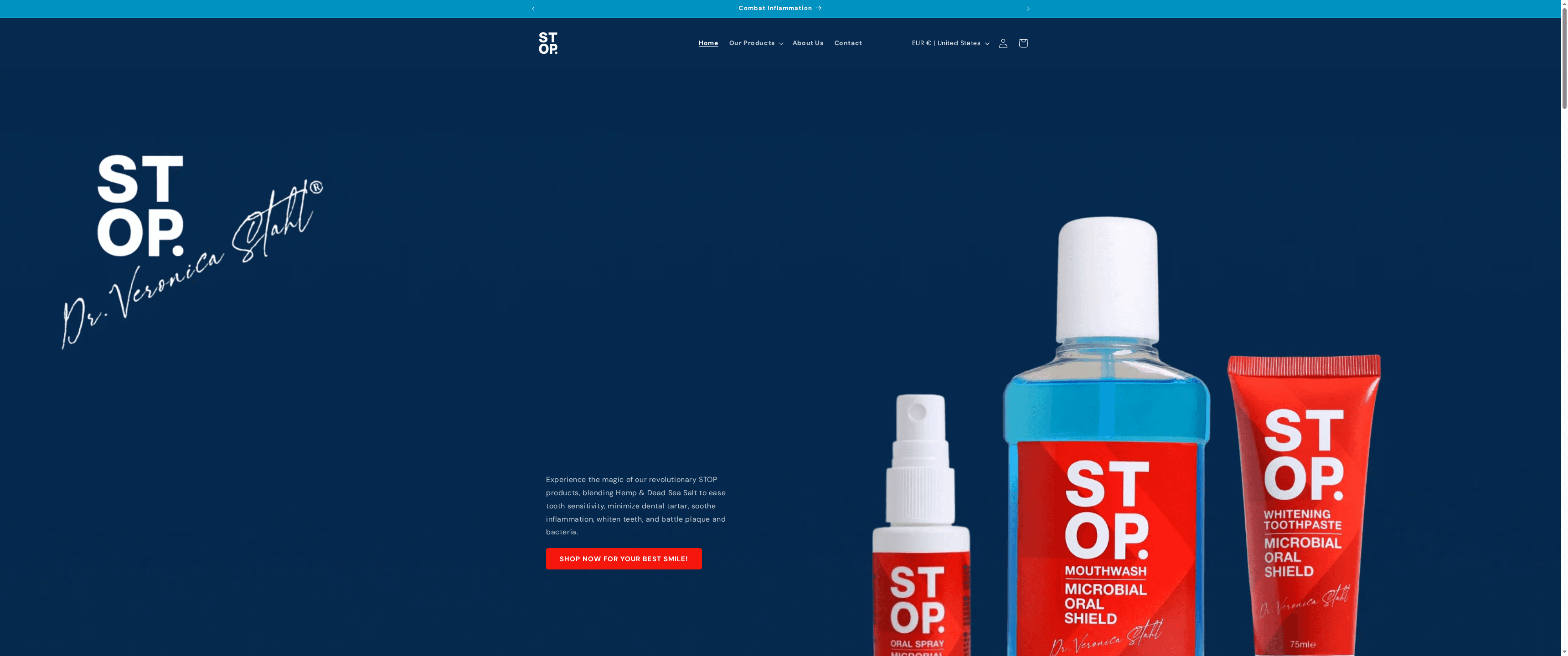
The product line at Stop-oralcare includes toothpastes, mouthwashes, and oral sprays designed for patients with sensitive teeth and gum concerns. Each formulation is built on the mineral ratios shown in clinical trials to reduce plaque and gingival inflammation. For patients comparing options, the natural toothpaste comparisons available from independent reviewers provide useful context on how mineral-based products perform against conventional alternatives. Stop-oralcare’s approach prioritizes formulation synergy, pairing Dead Sea minerals with complementary botanical extracts to support the full oral environment rather than targeting a single symptom.
FAQ
What minerals in Dead Sea salt benefit teeth most?
Calcium chloride and magnesium chloride are the most clinically significant. Calcium closes dentinal tubules to reduce sensitivity, while magnesium reduces gingival inflammation.
How often should I use Dead Sea mineral toothpaste?
Twice daily for two minutes each session is the recommended protocol. Consistent twice-daily use produces the remineralization and antimicrobial effects documented in clinical trials.
Is Dead Sea mineral mouthwash as effective as chlorhexidine?
A 2025 systematic review found Dead Sea salt mouthwashes reduce plaque and gingival inflammation at levels sometimes comparable to chlorhexidine, without chlorhexidine’s side effects of staining and taste disruption.
Can Dead Sea mineral products replace professional dental treatment?
No. These products are effective for prevention and sensitivity management but do not replace scaling, root planing, or restorative procedures for active gum disease or structural dental problems.
Why does Dead Sea mineral toothpaste feel different from regular toothpaste?
The reduced foaming is due to lower or absent sodium lauryl sulfate in the formulation. This is intentional and does not reduce efficacy. Most patients adapt to the texture within one to two weeks.