

Rinse with warm saltwater, avoid very cold, hot, or sugary triggers, take an over-the-counter analgesic if needed, and dab desensitizing toothpaste directly on the sensitive spot before bed. Then call your dentist. These steps calm the nerve signals firing from an exposed root, but they buy you time. They do not fix the underlying problem.
- Rinse: Mix salt into warm water and swish for about 30 seconds.
- Cool it down: Apply a cold compress to the outside of your cheek for 15 to 20 minutes if there’s swelling.
- Manage pain: Take an OTC analgesic as directed on the label.
- Avoid triggers: Skip acidic, very hot, very cold, or chewy foods until the flare settles.
- Apply toothpaste: Dab a pea-sized amount of desensitizing toothpaste on the exposed area before sleep.
An exposed root left untreated tends to get worse over time, raising the risk of decay, gum disease progression, or infection. If you notice swelling, fever, pus, a throbbing pain that won’t quit, or a tooth that feels loose, skip the home remedies and get to a dentist immediately. Those are signs of infection, not just sensitivity.
Key Takeaways
Exposed tooth root pain responds to prompt home care, but only professional treatment addresses the recession, wear, or damage causing it.
| Point | Details |
|---|---|
| Act fast at home | Rinse with warm saltwater, use a cold compress, and dab desensitizing toothpaste on the spot before bed. |
| Know the mechanism | Exposed dentin tubules transmit hot, cold, and sweet stimuli directly to the nerve, causing sharp pain. |
| Watch for emergencies | Swelling, fever, pus, or a loose tooth mean you need urgent dental care, not more home remedies. |
| Match treatment to cause | Fluoride varnish, bonding, gum grafts, or root canals each address a different underlying problem. |
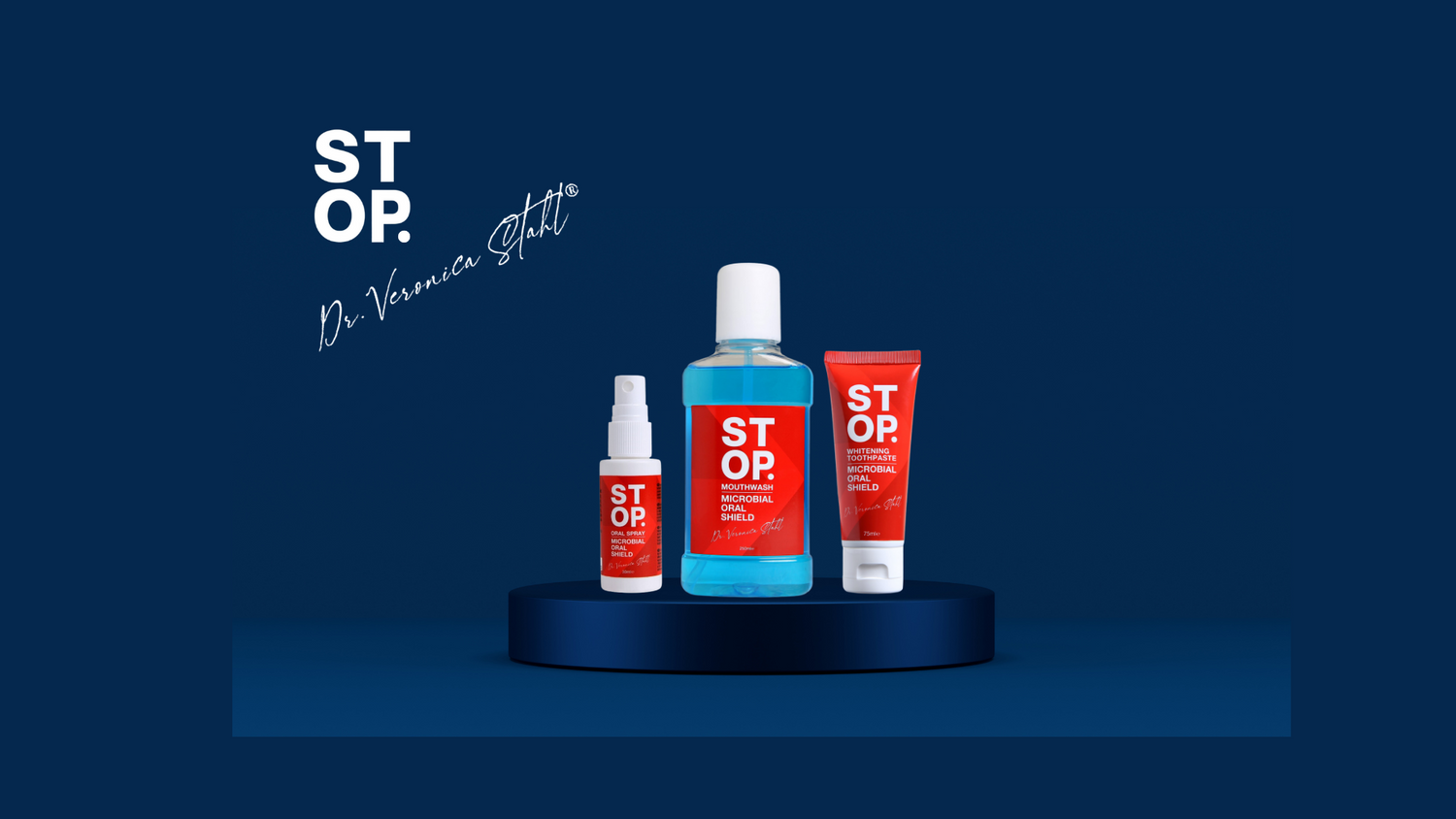
| Choose gentler daily care | Stop-oralcare’s fluoride-free, hemp and Dead Sea mineral formulas support sensitive, exposed root surfaces without harsh abrasives. |
This article is general information, not a substitute for advice from a qualified doctor. Consult a qualified healthcare professional about your own circumstances before acting on anything here.
Table of Contents
- What Causes Exposed Tooth Root Pain?
- How Do You Treat Exposed Root Pain at Home?
- What Professional Treatments Fix Exposed Roots?
- How Can You Prevent Future Root Exposure?
- What Most Advice Gets Wrong About Root Pain
- Where to Find Long-Term Relief for Sensitive Roots
- Sources
What Causes Exposed Tooth Root Pain?
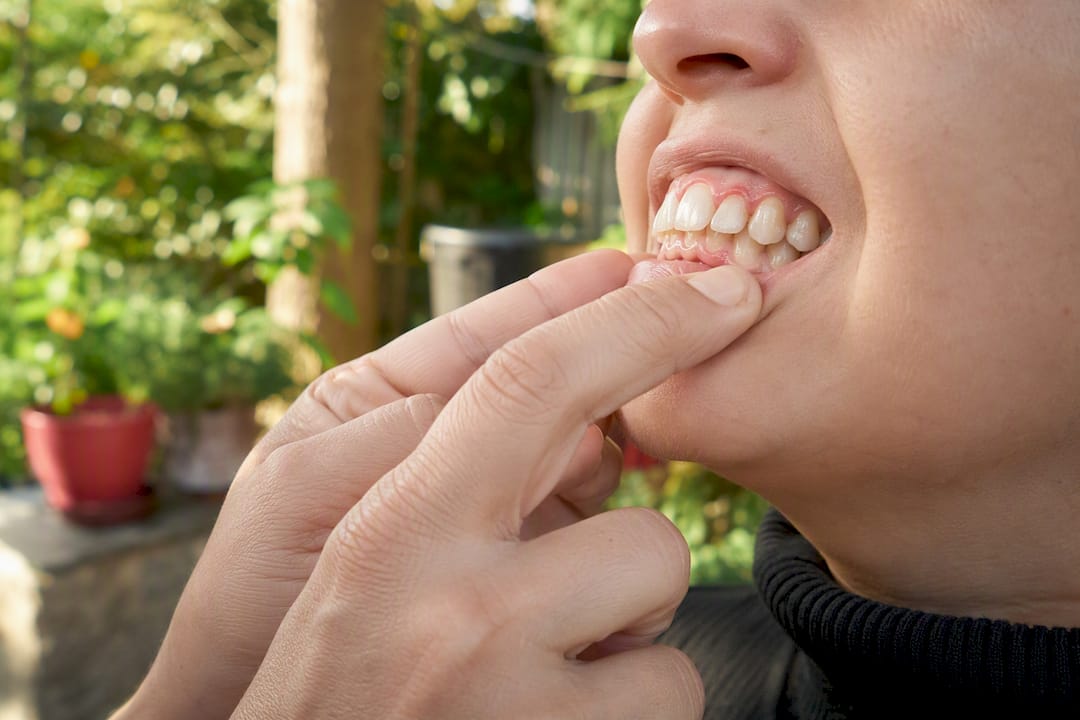
A healthy tooth is protected above the gumline by enamel and below it by cementum, a thinner, softer layer covering the root. Underneath both sits dentin, a porous tissue riddled with microscopic tubules that run straight to the nerve-filled pulp. When gum tissue recedes or cementum wears away, those tubules lose their cover and lie exposed. Hot coffee, cold water, sugar, or even a rush of air can now reach the nerve directly, which is why the pain feels sharp and immediate rather than dull. This mechanism, known clinically as dentin hypersensitivity, explains why root exposure hurts so much more than ordinary tooth sensitivity confined to enamel.
Several everyday habits and conditions drive this exposure:
- Gum recession from periodontal disease or overly aggressive brushing, which wears away the gumline over months or years.
- Enamel wear from acidic foods, teeth grinding, or a hard-bristled toothbrush used with too much pressure.
- A lost or failed filling or crown that leaves dentin unprotected.
- A cracked tooth or trauma from an injury or biting down on something hard.
- Bruxism, or chronic clenching and grinding, which stresses the tooth structure and gumline simultaneously.
The pattern of pain often hints at the cause. A short, sharp sting that fades within seconds usually points to simple dentin exposure from recession or enamel wear. A lingering ache that persists for minutes after the trigger is gone suggests the pulp itself is inflamed, which can mean a deeper problem like a crack or advancing decay.
How Do You Treat Exposed Root Pain at Home?
Home care won’t reverse root exposure, but it can control the pain while you arrange a dental visit. Here’s exactly how to use each method correctly.
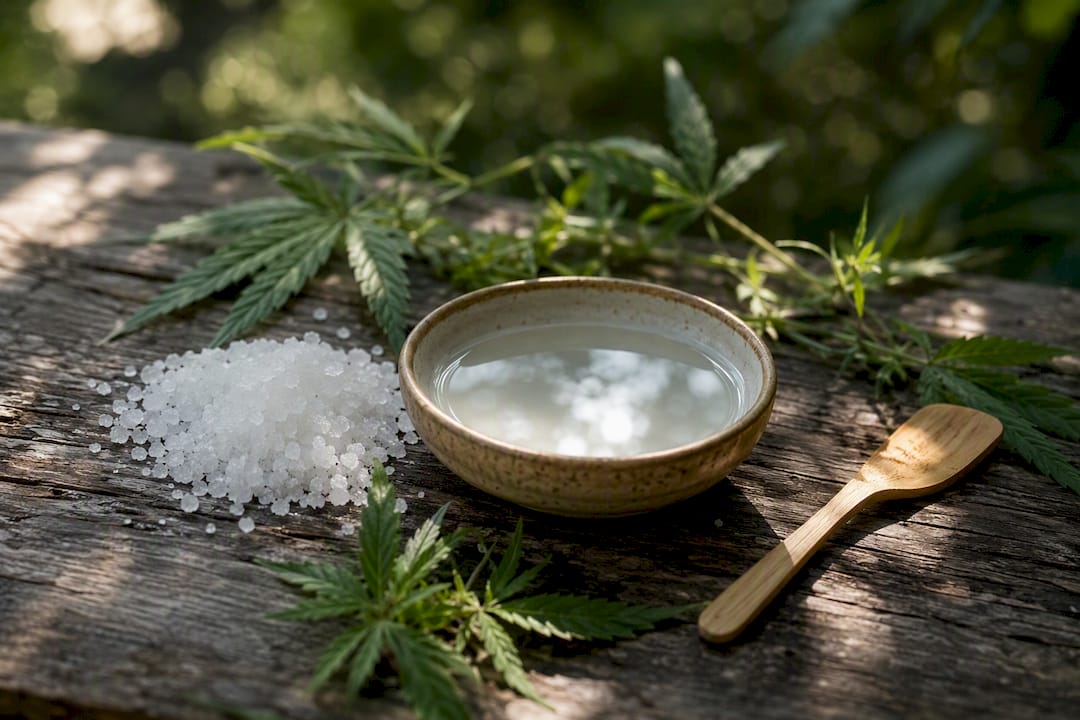
- Saltwater rinse: Dissolve ½ teaspoon of salt in 8 ounces of warm (not hot) water and swish for 30 seconds, once or twice daily. Saltwater reduces bacteria and mild inflammation around the gumline without irritating exposed dentin.
- Cold compress: Hold a cloth-wrapped ice pack against the outside of your cheek for 15 to 20 minutes if you notice swelling. Never place ice directly on the tooth or gum tissue. Direct contact can actually trigger the same sharp pain you’re trying to avoid.
- OTC pain relievers: Common options work well for short-term control, but always follow label dosing and check for interactions with any medication you already take.
- Desensitizing toothpaste, applied directly: Brush normally, then dab a pea-sized amount of desensitizing toothpaste onto the exposed root and leave it in place overnight without rinsing. Giving the paste extended contact time lets its active ingredients, such as potassium nitrate, block the nerve signal more effectively. Most people notice a difference within a few days of consistent use.
- Lost filling or crown: Pick up temporary dental cement from a pharmacy to cover the exposed area until your dentist can re-cement or replace the restoration. Never substitute household glue or adhesive, and never place aspirin directly on the gum tissue. Topical aspirin can burn soft tissue rather than relieve pain.
Pro Tip: Chew on the opposite side of your mouth during a flare, and steer clear of acidic drinks like citrus juice or soda. Acid strips away what little protective buffer remains on exposed dentin and can make the next bite hurt worse than the last one.
What Professional Treatments Fix Exposed Roots?
Dentists match the treatment to the actual cause once they’ve examined the tooth, and outcomes vary depending on how far the exposure has progressed.
- In-office desensitizing care: Fluoride varnish and professional-strength desensitizing agents block the tubules faster and more thoroughly than anything sold over the counter.
- Restorative fixes: Composite bonding covers exposed root surfaces directly, while a failed filling or crown gets re-cemented or replaced entirely.
- Periodontal treatment: Scaling and root planing clean below the gumline when recession stems from periodontal disease. For substantial recession, gum grafting or flap surgery restores tissue coverage over the root.
- Root canal therapy: Necessary when the pulp itself is infected or irreversibly inflamed, typically signaled by lingering pain, sensitivity to biting pressure, or visible swelling.
The typical path runs from diagnosis to the least invasive fix first. A dentist will usually try fluoride varnish or a desensitizing agent before recommending bonding, grafting, or endodontic treatment, reserving surgery and root canals for cases where conservative care doesn’t resolve the sensitivity or where infection is already present.
How Can You Prevent Future Root Exposure?
Small daily changes slow down recession and protect whatever root surface is already exposed from getting worse.
- Brush gently: Use a soft or extra-soft brush, hold it at a 45-degree angle toward the gumline, and let the bristles do the work instead of pressing hard.
- Pick the right toothpaste: A non-abrasive, desensitizing formula protects dentin better than a whitening paste with coarse abrasives.
- Watch your diet: Cut back on acidic drinks and sip water afterward if you do have them; frequent grazing keeps your mouth in a low-pH state that erodes enamel over time.
- Address grinding: If you clench or grind at night, ask your dentist about a night guard, and look at stress management if clenching happens during the day too.
- Keep up your checkups: Regular visits let your dentist catch recession early and apply professional fluoride before sensitivity becomes a daily problem.
Pro Tip: Switching your brushing angle takes about two weeks to become automatic. Set a phone reminder until the 45-degree angle feels natural instead of forcing yourself to think about it every time.
Why You Can Trust This Guidance
Stop Oral Care’s natural toothpaste guidance is developed under the direction of Dr. Veronica Stahl, whose clinical background informs the brand’s approach to fluoride-free, hemp and Dead Sea mineral formulations for sensitive teeth.
The dab-and-leave technique works because desensitizing ingredients need sustained contact with dentin tubules to block nerve signals effectively. Rinsing it away too soon cuts that contact short.
Home measures remain temporary. A dentist still needs to evaluate the actual cause of your exposed root.
What Most Advice Gets Wrong About Root Pain
Most articles on this topic treat home remedies and professional care as competing options, as if choosing saltwater rinses somehow means you’re avoiding the dentist. That framing misses the point entirely. The research is consistent: home care controls symptoms, and only a dentist can address the structural cause, whether that’s recession, a failed restoration, or a cracked tooth.
The bigger failure I see in conventional advice is vague instruction. Telling someone to “use desensitizing toothpaste” without explaining the dab-and-leave-overnight technique wastes the product’s potential. Same with warning people to “manage pain carefully” without naming the specific danger, like placing aspirin on the gums, which causes a chemical burn rather than relief.
If you take one thing from this guide, prioritize precision over volume. Do the few things that actually work, correctly, and get to a dentist before a manageable sensitivity turns into an infection.
— Veronica
Where to Find Long-Term Relief for Sensitive Roots
If saltwater rinses and cold compresses got you through the worst of it, the next question is what you put on your teeth every single day afterward. Stop-oralcare formulates fluoride-free toothpaste, mouthwash, and oral spray with hemp and Dead Sea minerals specifically for sensitive teeth and exposed roots, without the harsh abrasives found in many conventional whitening or tartar-control products.
The line suits anyone who wants relief without relying on synthetic desensitizing chemicals or fluoride, particularly if you’ve already noticed gum recession and want a gentler daily routine going forward. Browse the full product line to find a toothpaste formulated for exposed-root sensitivity and start your next brushing session with something built for the problem you’re actually dealing with.
Sources
- Sensitive Teeth: Causes, Treatment & Prevention - Cleveland Clinic
- Sensitive teeth: What treatments are available? - Mayo Clinic
- Dentin hypersensitivity review - NCBI PMC
- Sensitive teeth - Johns Hopkins Medicine
- Exposed tooth root: Causes, treatment, pictures, and more - Healthline
Recommended
- How to Use CBD for Tooth Pain: Practical Steps for Fast Relief – Stop Oral Care
- Understanding Dental Pain: Causes, Relief Strategies, and When to Seek – Stop Oral Care
- Is CBD Good for Toothache? A Practical Guide to Relief – Stop Oral Care
- cbd olie na verstandskies trekken: A Practical Guide for Pain Relief a – Stop Oral Care