

TL;DR:
- Fluoride-free mouthwash is a natural supplement designed to reduce bacteria, freshen breath, and support gum health. Proper use involves measuring the correct dose, swishing for 30 seconds, and avoiding water rinses afterward for maximum effectiveness. It is safest and most beneficial when used correctly after brushing and flossing, with attention to timing and age restrictions.
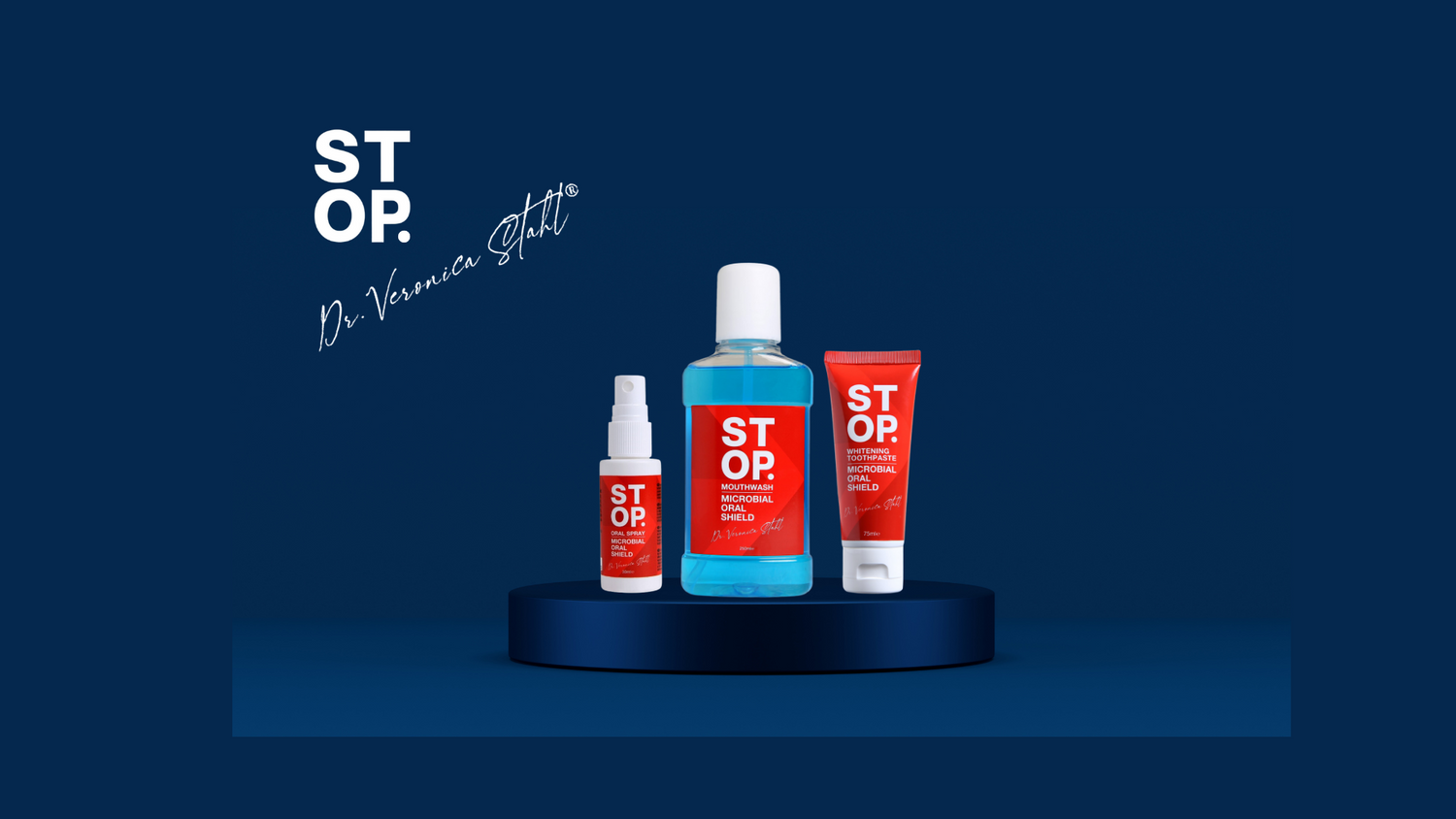
Fluoride-free mouthwash is a supplemental oral rinse formulated without fluoride compounds, designed to reduce oral bacteria, freshen breath, and support gum health as part of a complete dental routine. Knowing how to use fluoride-free mouthwash correctly determines whether you get measurable benefit or simply go through the motions. The rinse works best alongside thorough brushing, flossing, and a low-sugar diet. Brands like Lavera and Stop-oralcare have built fluoride-free lines specifically for people who want natural formulations without compromising clinical effectiveness.
How to use fluoride-free mouthwash: step-by-step
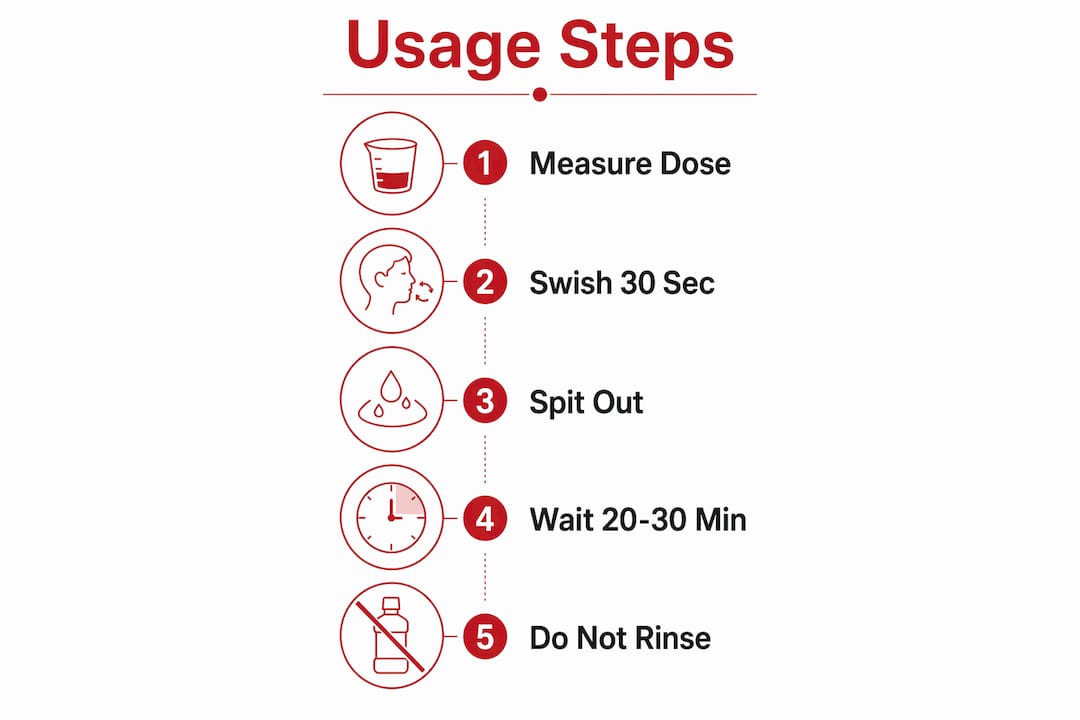
Proper technique is not complicated, but each step serves a specific purpose. Skipping or reordering steps reduces the rinse’s contact time with oral surfaces and limits its antimicrobial effect.
-
Measure the correct dose. Use 10–20 mL, which equals roughly 2–4 teaspoons. Most product caps are calibrated to this volume. Do not estimate by eye.
-
Swish vigorously for 30 seconds. Force the liquid between teeth and along the gumline. A full 30 seconds allows active ingredients like xylitol, sea salt, or essential oils to reach the biofilm that brushing misses.
-
Spit completely. Do not swallow. Mouthwash contains concentrated antimicrobial agents. Ingestion, even in small amounts, can cause nausea or other adverse effects.
-
Do not rinse with water afterward. Skipping the water rinse keeps active ingredients in contact with teeth and gums longer. This step is frequently overlooked and directly affects how well the rinse performs.
-
Avoid eating or drinking for at least 30 minutes. Food and beverages dilute and remove the residual film of active ingredients before they complete their work.
Pro Tip: Mark a 30-second timer on your phone the first few times you rinse. Most people underestimate how long 30 seconds actually feels, and they stop at 10–15 seconds without realizing it.
The sequence above reflects manufacturer-specified directions for effective daily use. Following each step consistently produces better results than using a premium product incorrectly.
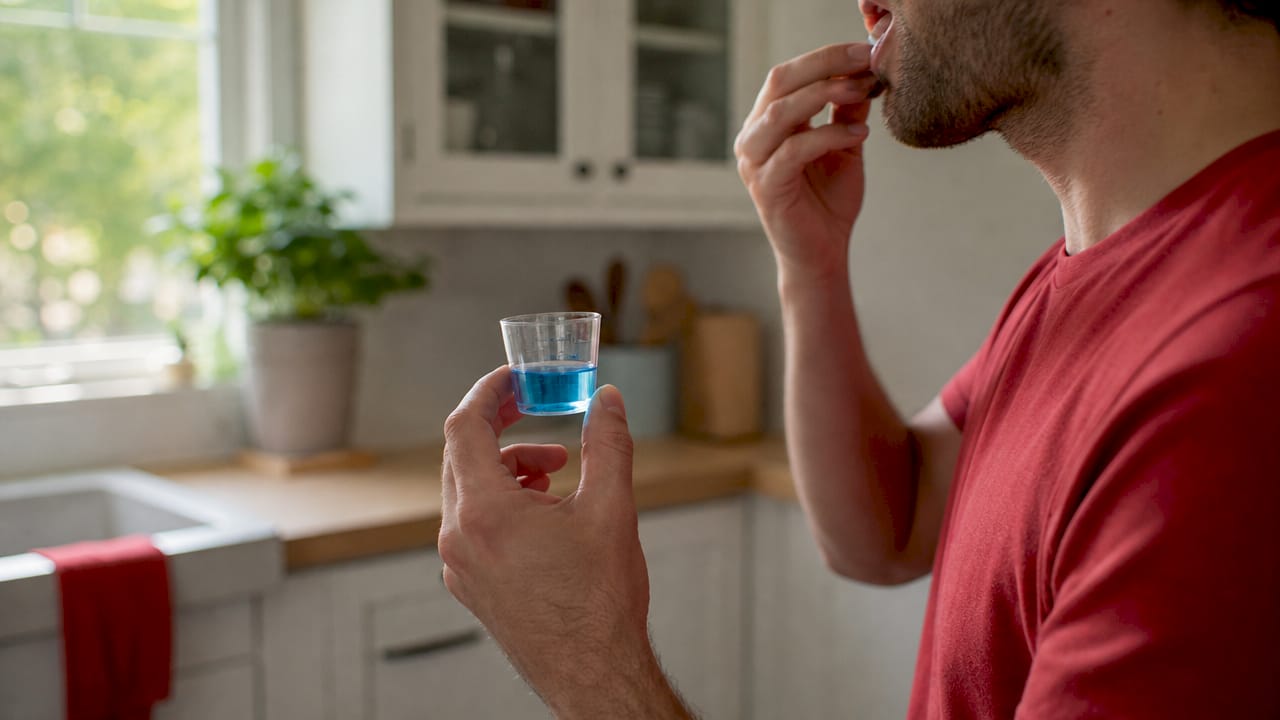
When should you use fluoride-free mouthwash in your routine?
Timing is the most misunderstood aspect of mouthwash use. Many people rinse immediately after brushing, which can dilute the protective coating left by toothpaste on enamel surfaces.
- After brushing and flossing, not before. Brushing removes plaque mechanically. Flossing clears interdental debris. Mouthwash then reaches the surfaces both tools have already prepared.
- Wait 20–30 minutes if your toothpaste contains fluoride. Scheduling usage properly prevents the rinse from washing away enamel-protective toothpaste residue before it has fully absorbed.
- Consider a midday rinse as an alternative. If you prefer not to wait after brushing, rinsing after lunch is a clinically sound option. It clears food debris and bacteria during the day’s highest-activity period for oral bacteria.
- Do not eat or drink immediately after rinsing. The active ingredients need uninterrupted contact time with oral surfaces to deliver their full antimicrobial effect.
“Mouthwash is primarily a contact rinse to supplement brushing. Timing and routine integration are the key variables that determine whether it delivers measurable benefit.” — Dental practitioners cited in Yahoo Health
The dentist-recommended timing gap of 20–30 minutes between toothpaste and mouthwash is not arbitrary. It reflects the absorption window during which fluoride and other toothpaste actives bind to enamel. Disrupting that window reduces the cumulative protective effect of your entire routine. For a detailed breakdown of optimal timing, the mouthwash timing guide at Stop-oralcare covers the clinical reasoning in full.
What safety considerations apply to fluoride-free mouthwash?
Fluoride-free does not mean risk-free. Safety depends on age, formulation, and correct use.
Age restrictions are non-negotiable. Adults and children 12 and older may use standard OTC mouth rinses by swishing approximately 20 mL for 30 seconds and spitting. Children under 12 require explicit dentist guidance before any mouthwash is introduced. The swallowing reflex in younger children is not reliably controlled, and concentrated rinse ingredients are not safe for ingestion.
Do not swallow mouthwash under any circumstances. Product label warnings on fluoride-free rinses explicitly state this. Even natural formulations contain antimicrobial concentrations that exceed safe ingestion thresholds.
“Natural does not always mean safe for children without professional guidance. Label age limits exist for clinical reasons, not marketing reasons.” — Lavera product safety documentation
Discontinue use if irritation develops. Redness, swelling, or persistent soreness after rinsing signals that a specific ingredient is causing a localized reaction. Stop use immediately and consult a dentist before trying a different formulation.
Pro Tip: If you are introducing a fluoride-free rinse to a child between 6 and 12 years old, consult a pediatric dentist first. Some alcohol-free, low-concentration rinses are formulated for younger patients, but they require professional recommendation, not a parent’s judgment call.
People with special oral health needs, including those with active gum disease, post-surgical healing, or dry mouth conditions, should also seek dentist guidance before adding any rinse to their routine.
How do you choose the best fluoride-free mouthwash?
Selecting a fluoride-free rinse requires reading ingredient labels with the same attention you give food labels. The market includes formulations that range from genuinely natural to products that simply omit fluoride while retaining synthetic dyes, artificial fragrances, and alcohol.
Key ingredients to look for
Natural antimicrobial ingredients like xylitol, sea salt, baking soda, and essential oils provide gentle pH balancing and bacterial reduction without synthetic preservatives. Xylitol specifically inhibits the adhesion of Streptococcus mutans, the primary bacterium responsible for dental caries. Echinacea extract and organic mint are common additions in plant-based formulations.
Alcohol-free vs. alcohol-containing formulas
Alcohol-free formulations feel gentler and avoid the drying effect that alcohol produces on oral mucosa. Four dentists surveyed by Yahoo Health independently recommended alcohol-free options for daily use. The burning sensation associated with alcohol-based rinses is not a sign of efficacy. It is a sign of mucosal irritation. For people who rinse daily, that irritation accumulates and can worsen dry mouth over time.
Comparison: natural fluoride-free mouthwash formulation types
| Formulation type | Key active ingredients | Best suited for |
|---|---|---|
| Xylitol-based | Xylitol, mint, water | Cavity prevention, daily use |
| Sea salt and baking soda | Sodium bicarbonate, sea salt | pH balance, gum support |
| Essential oil blend | Tea tree, peppermint, eucalyptus | Antimicrobial, breath freshening |
| Hemp and mineral-based | Hemp extract, Dead Sea minerals | Natural healing, gum health |
| Echinacea and herbal | Echinacea, sage, chamomile | Sensitive gums, plant-based preference |
Stop-oralcare formulates its mouthwash with hemp extract and Dead Sea minerals, a combination that targets both microbial activity and tissue support. For a full breakdown of alcohol-free mouthwash benefits, the Stop-oralcare blog covers the clinical rationale behind each formulation choice.
What to avoid on the label
Artificial colors, synthetic fragrances, parabens, and sodium lauryl sulfate (SLS) appear in many mass-market rinses regardless of their fluoride-free status. SLS is a foaming agent that can irritate oral mucosa and worsen canker sores. Avoiding it is particularly relevant for people with recurrent aphthous ulcers. Packaging matters too. Biodegradable or recyclable containers reduce environmental impact without affecting formulation quality.
Key takeaways
Fluoride-free mouthwash delivers measurable oral health benefits only when used with the correct dose, timing, and technique as part of a complete brushing and flossing routine.
| Point | Details |
|---|---|
| Correct dosage and technique | Use 10–20 mL, swish for 30 seconds, spit, and skip the water rinse afterward. |
| Timing relative to brushing | Wait 20–30 minutes after fluoride toothpaste before rinsing to protect enamel. |
| Age and safety restrictions | Children under 12 need dentist approval; never swallow any mouthwash formulation. |
| Ingredient selection | Choose alcohol-free formulas with xylitol, sea salt, or essential oils; avoid SLS and artificial dyes. |
| Routine placement | Use mouthwash as the final step after brushing and flossing, not as a replacement for either. |
What I have learned from years of recommending fluoride-free rinses
The most persistent misconception I encounter is that mouthwash is the most important step in an oral care routine. Patients often skip flossing and compensate by rinsing twice. That trade-off does not work. Mouthwash reaches surfaces that are already accessible. It cannot penetrate the tight interdental contact where periodontal disease actually begins.
The second misconception is that the burning sensation signals that a product is working. It does not. Alcohol causes that sensation. Alcohol also dries oral mucosa, which reduces saliva production, which ironically worsens the bacterial environment you are trying to address. Switching to an alcohol-free, fluoride-free rinse is not a compromise. It is the clinically sounder choice for daily use.
The third issue is inconsistency. Patients use a rinse for two weeks, notice fresher breath, and then stop. Oral biofilm re-establishes within 24–48 hours. The benefit of any antimicrobial rinse is cumulative and requires consistent daily use to maintain. One week on and one week off produces no lasting clinical effect.
Finally, “natural” is not a synonym for “safe without caution.” Hemp extract, essential oils, and sea salt are biologically active compounds. They interact with oral tissue. Reading the label, respecting age limits, and consulting a dentist when in doubt applies to natural formulations just as it does to conventional ones.
— Veronica
Natural fluoride-free oral care from Stop-oralcare
Stop-oralcare offers a line of fluoride-free oral care products formulated with hemp extract and Dead Sea minerals, developed under the guidance of Dr. Veronica Stahl.
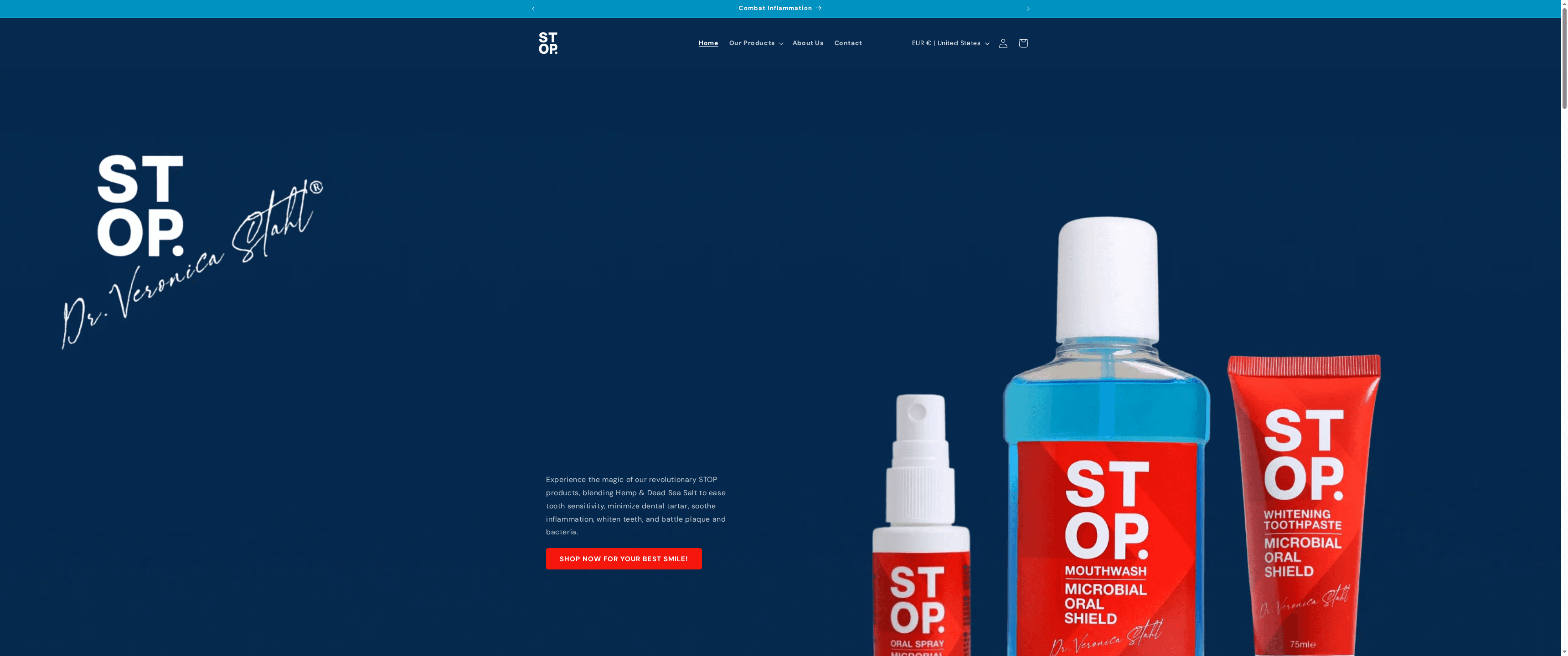
The product range includes mouthwash, toothpaste, and oral sprays designed to work as a coordinated natural oral care system. The Stop-oralcare blog also provides detailed routine guides, ingredient breakdowns, and timing advice for people transitioning from conventional to natural dental care. For a complete natural oral hygiene protocol, the fluoride-free dental care guide at Stop-oralcare is a practical starting point. Visit stop-oralcare.com to browse the full product catalog and access expert oral health resources.
FAQ
How much fluoride-free mouthwash should you use per rinse?
Use 10–20 mL per rinse, which equals approximately 2–4 teaspoons. Most product caps measure this volume directly.
Can you use fluoride-free mouthwash every day?
Yes. Fluoride-free, alcohol-free mouthwash is safe for daily use and is most effective when used consistently as the final step in your brushing and flossing routine.
Is fluoride-free mouthwash safe for kids?
Children 12 and older may use standard fluoride-free rinses following label directions. Children under 12 require dentist guidance before use, as the swallowing risk and concentrated ingredients present specific safety concerns.
Does fluoride-free mouthwash actually work?
Fluoride-free mouthwash reduces oral bacteria and freshens breath effectively when used correctly alongside brushing and flossing. It is not a substitute for mechanical plaque removal, but it reaches surfaces that a toothbrush cannot.
Should you rinse with water after using mouthwash?
No. Rinsing with water immediately after mouthwash removes active ingredients before they complete their contact time with teeth and gums. Spit and leave the residue in place.
Recommended
- Does Mouthwash Kill Good Bacteria? A Practical How-To Guide – Stop Oral Care
- Mouthwash Before or After Brushing: Which Is Best for Your Oral Health – Stop Oral Care
- How to Choose Fluoride-Free Toothpaste Effectively – Stop Oral Care
- Step-by-Step Guide to Fluoride-Free Dental Hygiene Success – Stop Oral Care