

For targeted plaque control, a therapeutic mouthwash with an evidence-backed active ingredient, such as chlorhexidine, remains the more effective option. Oil pulling may offer a probable benefit for gingival scores compared with non-therapeutic rinses, but the certainty of that evidence is very low according to a 2024 systematic review and meta-analysis. Neither practice replaces brushing or interdental cleaning, and a natural rinse from a brand like Stop Oral Care can serve as a reasonable maintenance adjunct rather than a clinical substitute.
TL;DR:
- Oil pulling probably improves gum inflammation markers compared to non-therapeutic rinses, but the evidence is very low quality and inconsistent.
- Chlorhexidine remains the most effective mouthwash for short-term plaque reduction but has notable side effects like staining and taste change with prolonged use.
- Mechanical cleaning, including brushing and interdental care, remains the primary method for plaque and gum disease prevention, with rinses serving as supplements.
- Oil pulling involves several minutes of swishing with oils like sesame or coconut, posing risks such as choking or accidental ingestion, especially for children or swallowing issues.
- Natural rinses designed for daily maintenance, such as those with hemp and Dead Sea minerals, are suitable for sensitive teeth and gums when used alongside regular mechanical cleaning.
Table of Contents
- What Oil Pulling Is and How to Do It Safely
- How Mouthwashes Work and What the Active Ingredient Tells You
- What the Clinical Evidence Actually Shows
- Choosing, Performing, and Combining the Two Routines
- Safety, Side Effects, and When to See a Dentist
- How Stop Oral Care Reads the Evidence
- Comparing the Cost and Time Commitment of Each Option
- Where These Practices Come From
- What the Evidence Actually Justifies
- A Natural Option Worth Considering for Daily Maintenance
- Sources
- FAQ
What Oil Pulling Is and How to Do It Safely
Oil pulling is a practice with roots in traditional Ayurvedic medicine, historically described under the terms kavala and gandusha, referring to the swishing or holding of oil in the mouth. The practice involves placing a small amount of oil, typically one to two tablespoons, in the mouth and swishing it through the teeth and gums for a set period before spitting it out. Sesame oil is the variant most studied in clinical trials, though coconut oil and olive oil are also common choices among people who prefer the practice for daily maintenance.
Study protocols vary considerably, with intervention periods ranging from as short as seven days to as long as 45 days in the trials pooled by the 2024 meta-analysis. Most protocols call for swishing for several minutes, though popular guidance recommending 15 to 20 minutes is longer than many trial durations actually tested. After swishing, the oil should be spat into a trash can rather than a sink, since it can solidify and clog pipes, followed by rinsing the mouth with water and continuing normal brushing.
A practical, safety-minded protocol looks like this:
- Use about one tablespoon of sesame, coconut, or olive oil, adjusting downward for children or anyone with a strong gag reflex.
- Swish gently for several minutes rather than forcing a full 15 to 20 minutes if that duration causes jaw fatigue or discomfort.
- Spit the oil into a trash can, never down the drain or into a sink.
- Rinse with water and brush as usual afterward, since oil pulling is not a substitute for mechanical plaque removal.
The proposed mechanisms behind any observed effect are still debated. Some researchers point to a purely mechanical swishing action that physically dislodges plaque and bacteria, similar to how vigorous water rinsing can reduce debris. Others have proposed that saponification, a reaction between oil and saliva that produces a soap-like effect, may help lift bacteria from oral surfaces. A smaller line of reasoning suggests that phytochemicals naturally present in oils such as sesame may contribute antimicrobial activity, though this remains a theory rather than a confirmed mechanism.
How Mouthwashes Work and What the Active Ingredient Tells You
Mouthwashes fall into two broad categories: cosmetic rinses that freshen breath temporarily without altering the oral microbiome in a lasting way, and therapeutic rinses formulated with active ingredients meant to change bacterial counts, plaque formation, or gum inflammation. The active ingredient determines what a rinse can realistically be expected to do, and matching that ingredient to a specific oral health goal matters more than brand reputation or flavor.
Chlorhexidine is the most extensively studied therapeutic active and is considered a reference standard for plaque reduction in dental research, a status confirmed by the 2024 meta-analysis comparing it against oil pulling. Essential-oil rinses, often containing compounds like thymol or eucalyptol, are used for general antibacterial support and are commonly recommended as a gentler daily option; readers looking for a deeper explanation of how essential-oil mouthwash works can find more detail on formulation and targeted use. Fluoride rinses are aimed at strengthening enamel and reducing caries risk rather than controlling plaque or gingivitis directly. Peroxide-based rinses are typically marketed for cosmetic whitening, and probiotic rinses represent a newer category intended to support a favorable oral bacterial balance rather than aggressively kill bacteria.
Clinicians tend to recommend a therapeutic rinse, most often chlorhexidine, in specific situations rather than for indefinite daily use:
- Active gingivitis that has not responded adequately to brushing and interdental cleaning alone.
- Short-term use after periodontal surgery or other dental procedures, when mechanical cleaning is temporarily difficult.
- Elevated caries risk, where a fluoride rinse is added to a daily routine as a supplementary measure.
Chlorhexidine’s effectiveness comes with tradeoffs that limit it to short, defined courses rather than everyday long-term use. Extended use is commonly associated with tooth and tongue staining, temporary taste alteration, and in some cases a burning sensation of the oral mucosa. Because of these effects, dental guidance generally frames chlorhexidine as a targeted intervention rather than a permanent replacement for a daily rinse, a distinction echoed in evidence summaries referenced by the American Dental Association, which notes that rinse selection should depend on the active ingredient and the individual’s specific needs rather than a one-size-fits-all recommendation.
What the Clinical Evidence Actually Shows
The most rigorous comparison available is the 2024 systematic review and meta-analysis, which pooled 25 trials involving 1,184 participants with intervention periods ranging from 7 to 45 days, about half of which used sesame oil. The review found that oil pulling probably improved gingival scores compared with non-chlorhexidine mouthwashes, with a standardized mean difference of negative 1.14 favoring oil pulling on the modified gingival index. Chlorhexidine, however, remained superior for plaque reduction, with a standardized mean difference of 0.33 favoring chlorhexidine on the plaque index. The authors rated the overall certainty of this evidence as very low, a caveat that should weigh heavily on how readers interpret the gingival finding.

A 2024 systematic review and meta-analysis of 25 trials found oil pulling probably improves gingival scores versus non-chlorhexidine rinses, but rated the certainty of this evidence as very low. That single sentence captures both the promise and the limitation of oil pulling: a plausible benefit exists for gum inflammation markers, but the underlying trials are small, heterogeneous, and prone to bias.
More recent randomized trials add texture to this picture without resolving its uncertainty. A 2025 randomized clinical study on sesame oil pulling reported greater full-mouth plaque reduction with daily sesame oil pulling compared with distilled-water swishing after eight weeks, a notably greater plaque reduction compared with distilled water swishing. Approximal surface plaque reductions followed a similar pattern, showing improvement with sesame oil compared to distilled water at both four and eight weeks. Despite these plaque differences, the same study found no significant change in gingival index or microbiological composition, and the authors explicitly cautioned that bias could not be ruled out given the study design.
A separate 2020 systematic review of coconut oil pulling, covering four small randomized trials with 182 participants, found possible reductions in salivary bacterial counts and plaque but judged the evidence insufficient to recommend oil pulling as standard care. Readers who want a closer look at coconut oil specifically, including how trial quality and duration shaped these conclusions, can review a fuller breakdown in the coconut oil for gums discussion.
Two recurring issues run through nearly all of this research. First, several trials used distilled water as a control and still observed plaque reductions in that arm, which suggests that at least part of the benefit attributed to oil pulling may come from the mechanical act of swishing rather than any property specific to the oil itself. Second, adherence and observation bias are persistent concerns: participants who know they are being studied, and who commit to a daily multi-minute swishing routine, may simply brush and floss more carefully during the trial period, inflating the apparent effect of the intervention being tested. Short trial durations, ranging mostly from one to six weeks, and inconsistent outcome measures across studies also limit how confidently these findings can be extended to long-term outcomes like caries prevention.
Choosing, Performing, and Combining the Two Routines
The evidence points to a fairly clear division of labor rather than a single winner. Therapeutic mouthwash, particularly chlorhexidine, is the better choice when the goal is measurable plaque reduction or when a dentist has recommended short-term use after a procedure or during active gingivitis treatment. Oil pulling is a reasonable adjunct for people who enjoy the ritual, prefer a natural addition to their routine, or want extra support for gum inflammation alongside standard brushing and flossing, with the understanding that its evidence base remains weaker and less certain.
For readers who want to build a daily routine around both practices, the following sequence keeps each method’s role clear:
- Brush for two minutes using a fluoride or other appropriate toothpaste, since mechanical plaque removal is the foundation of any routine.
- Clean between teeth with floss or an interdental brush before rinsing, so debris is physically removed rather than pushed around by liquid.
- If oil pulling, swish for several minutes with about one tablespoon of sesame or coconut oil, then spit it into a trash can and rinse with water.
- If using a therapeutic mouthwash instead of or alongside oil pulling, measure the manufacturer’s recommended dose, usually about 10 to 20 milliliters, and swish for the labeled time, typically 30 to 60 seconds.
- Space the two practices apart rather than doing them back to back, since some mouthwash active ingredients can be affected by residual oil coating the mouth’s surfaces.
Correct mouthwash technique matters as much as ingredient choice. A step-by-step mouthwash plaque removal guide walks through measuring the correct amount, timing the rinse, and avoiding food or drink immediately afterward so the active ingredient has time to work.
Pro Tip: If a full swishing session feels impractical, splitting the time into two shorter sessions may improve adherence, though no trial has directly tested whether split sessions preserve the same plaque or gingival benefit as one continuous session.
Adherence is the quiet variable behind most of the plaque and gingival differences reported in trials. A daily multi-minute oil-pulling commitment is a real behavioral barrier compared with a 30 to 60 second mouthwash rinse, and a routine that a person actually sustains for weeks will likely outperform a theoretically superior one that gets abandoned after a few days.
Safety, Side Effects, and When to See a Dentist
Both practices carry risks that are often understated in casual health content. Oil pulling poses an aspiration or choking risk, particularly for young children or anyone with swallowing difficulties, since the practice requires holding a liquid in the mouth for an extended period without swallowing it. Accidental ingestion of larger amounts of oil can cause mild gastrointestinal upset, and although uncommon, allergic reactions to specific plant oils such as sesame are possible and should be taken seriously given how common sesame allergies are in the general population.
Chlorhexidine, while effective for short-term plaque control, carries its own well-documented set of adverse effects when used beyond its intended short course. Prolonged use is associated with:
- Staining of teeth, restorations, and the tongue, which can become noticeable within days to weeks.
- Temporary alteration or loss of taste perception, particularly for salty and bitter flavors.
- Mucosal irritation or a burning sensation in some users, along with a theoretical risk of interaction with certain toothpaste ingredients if used back to back without spacing.
Evidence gaps remain significant for both practices. Trial durations rarely extend beyond a few weeks, sample sizes are often small, and outcome measures differ enough between studies that direct comparisons are difficult to make with confidence. Systematic-review authors have specifically cautioned that a probable short-term gingival benefit for oil pulling should not be read as proof that it equals chlorhexidine in effectiveness, given how low the certainty of that evidence is rated.
Brushing twice daily and cleaning between teeth remain the primary defense against plaque and gingivitis, with oil pulling or mouthwash serving as supplementary measures at best. Anyone experiencing persistent gum bleeding, swelling, loose teeth, or bad breath that does not improve with consistent home care should see a dentist promptly, since these can signal conditions requiring professional evaluation and treatment, as outlined in general clinical descriptions of common dental conditions and when they call for a dentist’s attention.
How Stop Oral Care Reads the Evidence
Stop Oral Care’s position follows the clinical evidence rather than marketing convention: natural mouthwashes are appropriate for daily maintenance and gum support, while therapeutic rinses like chlorhexidine remain preferable when a dentist has identified a specific clinical need, such as active gingivitis or post-procedure care. A natural rinse is not positioned as a replacement for that kind of targeted intervention, but as a reasonable option for people who want an evidence-informed, fluoride-free addition to their daily routine.
When evaluating any natural mouthwash, including options reviewed in a broader roundup of natural mouthwash choices, a few criteria are worth checking:
- The active ingredients are named specifically rather than hidden behind a generic “natural formula” label.
- Some trial or review evidence exists for those specific ingredients, even if that evidence is preliminary.
- The product has been reasonably well tolerated in available reports, without frequent complaints of burning or taste disturbance.
- The recommended use fits a maintenance role rather than claiming to replace professional treatment for diagnosed gum disease.
Readers with a specific concern, such as receding gums, persistent sensitivity, or diagnosed gingivitis, should raise it directly with a dentist before choosing between a natural rinse and a therapeutic one.
— Veronica
Comparing the Cost and Time Commitment of Each Option
Oil pulling has a low direct cost since it typically uses a household cooking oil already present in many kitchens, and sesame, coconut, or olive oil purchased for cooking can double as the oil-pulling supply without a separate purchase. The tradeoff is time: a swishing session lasting several minutes, done daily, adds up to a meaningfully larger time commitment over a month than a standard mouthwash routine.
Mouthwash costs vary by category. Cosmetic rinses tend to sit at the lower end of the price range, therapeutic rinses containing chlorhexidine or specialized actives often cost more per bottle, and natural fluoride-free formulations, such as the STOP Mouthwash priced at 20,00 €, fall into a similar mid-range bracket. In terms of convenience, a mouthwash rinse takes 30 to 60 seconds and requires no cleanup beyond spitting into a sink, while oil pulling requires disposing of the used oil in a trash can rather than a drain, adding a small extra step to the routine.
For someone deciding purely on convenience, mouthwash wins by a wide margin on time investment per use. For someone comparing raw material cost alone, oil pulling can be less expensive if it uses oil already stocked in the pantry, though this advantage narrows once therapeutic use is unnecessary and a standard cosmetic rinse would serve the same purpose at a comparable price point.
Where These Practices Come From
Oil pulling traces back centuries to traditional Ayurvedic practice in India, where it was described under the Sanskrit terms kavala and gandusha as part of a broader system of oral and bodily cleansing rituals. The practice spread into global wellness culture over the past few decades, often promoted with claims that outpace the modest and uncertain evidence base available today. Its resurgence in recent years has coincided with broader consumer interest in fluoride-free and plant-based personal care products.
Mouthwash has a longer documented history in Western dentistry, evolving from simple salt-water and herbal rinses used for centuries into the chemically formulated products available today. Chlorhexidine emerged from mid-20th-century antiseptic research and became a clinical standard for short-term plaque and gingivitis control once its antibacterial properties were established. Essential-oil formulations followed a similar trajectory, drawing on older herbal rinse traditions while incorporating standardized concentrations of active compounds. Fluoride rinses developed alongside the broader adoption of fluoride in toothpaste and water fluoridation programs during the 20th century, aimed specifically at strengthening enamel rather than controlling bacteria directly.
Both traditions reflect a similar underlying goal, controlling oral bacteria and supporting gum health, but arrived at it through very different paths: one rooted in centuries-old ritual practice, the other in laboratory-driven antiseptic chemistry. Understanding that difference in origin helps explain why the evidence base for each looks so different today, with mouthwash benefiting from decades of controlled clinical trials and oil pulling still working through a much smaller and more uneven body of research.
What the Evidence Actually Justifies
The gap between oil pulling’s popularity and its evidence base is the most underappreciated fact in this whole comparison. A probable gingival benefit rated as very-low-certainty evidence is not the same as a proven benefit, yet oil pulling is frequently marketed online as though it were an established alternative to conventional oral care. That framing does readers a disservice, because it can delay a visit to the dentist for a condition, like active gingivitis, that actually calls for a targeted intervention.
The more useful takeaway is that both practices can coexist without either one being oversold. Oil pulling appears to offer a modest, plausible benefit for gum inflammation and can be a satisfying daily ritual for people who prefer natural routines, but it should never be positioned as a substitute for brushing, interdental cleaning, or professional care when symptoms persist. Readers should prioritize consistency in mechanical cleaning first, treat any rinse as a supplement rather than a foundation, and reserve chlorhexidine or other therapeutic actives for the specific windows where a dentist recommends them.
A Natural Option Worth Considering for Daily Maintenance
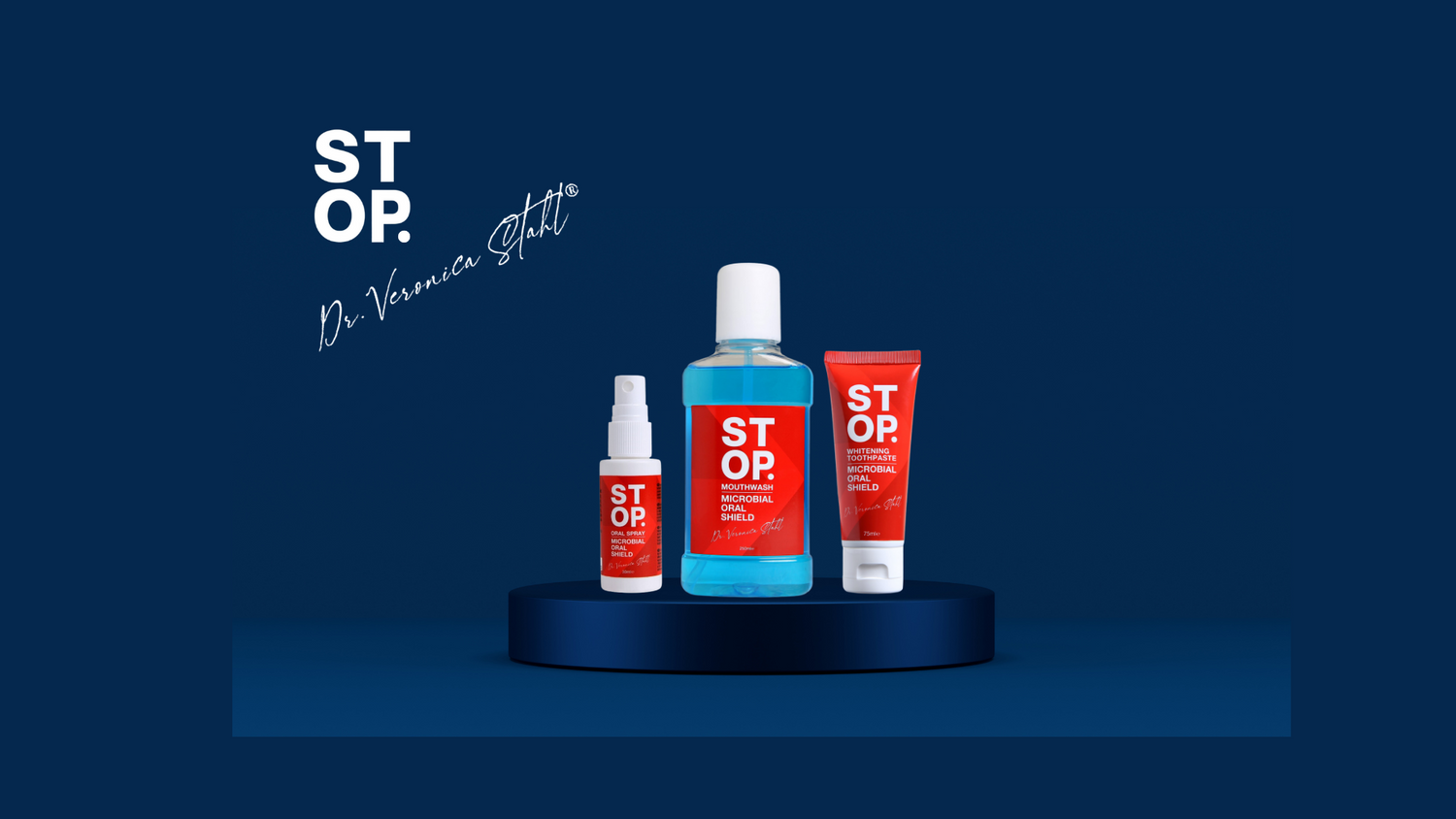
Stop Oral Care offers a fluoride-free product line formulated with hemp and Dead Sea minerals, including the STOP Protective & Whitening Toothpaste at 12,99 €, the STOP Mouthwash at 20,00 €, and the STOP Protective Oral Spray at 11,99 €. Each product is designed for daily maintenance rather than as a substitute for therapeutic treatment when a dentist has identified a specific clinical need.

These products may suit readers with sensitive teeth or gums who are looking for a natural, fluoride-free routine backed by ingredient-level research rather than vague wellness claims. Someone who oil pulls occasionally for its plausible gingival benefit, but wants a dependable daily rinse the rest of the week, is a reasonable fit for this kind of formulation.
- Fluoride-free formulation built around natural ingredients rather than conventional antiseptic actives.
- Designed for gum health, sensitivity, and daily plaque maintenance rather than short-term clinical intervention.
- Positioned as a complement to professional dental care, not a replacement for it.
Anyone with diagnosed gingivitis, persistent bleeding, or other active symptoms should still consult a dentist about whether a therapeutic rinse is appropriate before choosing a maintenance product. Readers ready to see the full lineup can visit the Stop Oral Care product page to compare the toothpaste, mouthwash, and oral spray side by side.
Sources
- The effect of oil pulling in comparison with chlorhexidine and other mouthwash interventions in promoting oral health: A systematic review and meta-analysis
- The plaque reducing efficacy of oil pulling with sesame oil: a randomized-controlled clinical study
- Effect of oil pulling with coconut oil to improve dental hygiene and oral health: A systematic review
FAQ
Why don’t dentists recommend oil pulling as standard care?
Dentists generally hold back from recommending oil pulling because the supporting evidence is rated very low in certainty, with most trials being small, short, and inconsistent in their outcome measures, according to a 2024 meta-analysis. Guidance summaries note that research remains insufficient to support oil pulling as a substitute for brushing, flossing, or professional care.
Do I still need mouthwash if I already oil pull?
Yes, oil pulling is not established as a replacement for a complete oral hygiene routine, and it does not address the same range of needs a therapeutic or maintenance mouthwash can cover. Most people benefit from continuing to brush, floss, and use an appropriate rinse alongside oil pulling rather than in place of it.
What are the main disadvantages of oil pulling?
The main drawbacks include the time commitment of several minutes per session, a choking or aspiration risk for young children or anyone with swallowing difficulties, and evidence that remains very low in certainty despite some probable gingival benefit found in a 2024 review. It also does not reliably outperform mouthwash for plaque control specifically.
Why do some dentists advise against long-term mouthwash use?
Long-term use of certain therapeutic mouthwashes, particularly chlorhexidine, is linked to staining, taste alteration, and mucosal irritation, which is why these rinses are typically recommended for short, defined courses rather than indefinite daily use. Cosmetic or natural maintenance rinses generally carry fewer of these restrictions, but a dentist’s guidance should still shape which type fits a given situation.
Is oil pulling actually effective for gum health?
Oil pulling shows a probable improvement in gingival scores compared with non-chlorhexidine mouthwashes in trials pooled by a 2024 meta-analysis, though the certainty of that evidence is rated very low. It is best treated as a possible adjunct rather than a proven treatment for gum disease.