

Many people believe bacteria in the mouth are harmful invaders to eliminate at all costs. This misconception overlooks a crucial truth: your mouth hosts millions of microorganisms including beneficial bacteria, fungi, and viruses that form a complex ecosystem essential for oral and systemic health. An imbalanced oral microbiome can trigger dental problems and affect your overall wellness in surprising ways. This guide explains what oral microbiome balance means, why it matters for your health, and how you can naturally maintain it using science-backed strategies.
Table of Contents
- Understanding The Oral Microbiome: What It Is And Why It Matters
- What Causes Oral Microbiome Imbalance And Its Impacts
- How To Maintain And Restore Oral Microbiome Balance Naturally
- Emerging Technologies And The Future Of Oral Microbiome Care
- Explore Natural Oral Care Solutions
- Frequently Asked Questions
Key takeaways
| Point | Details |
|---|---|
| Complex ecosystem | The oral microbiome contains thousands of species that protect against disease and support immune function. |
| Dysbiosis consequences | Imbalance leads to cavities, gum disease, and can influence systemic conditions like heart disease and diabetes. |
| Balance factors | Diet, hygiene practices, smoking, and antibiotic use all impact your oral microbial community. |
| Natural restoration | Probiotics, polyphenol-rich foods, and gentle oral care help restore healthy balance. |
| Future innovations | Emerging therapies including bacteriophages and microbiome profiling enable personalized oral care. |
Understanding the oral microbiome: What it is and why it matters
Your mouth harbors one of the most diverse microbial communities in your body. The human oral microbiota includes 37 phyla and over 1,000 genera, creating an ecosystem as complex as a rainforest. These microorganisms colonize every surface in your mouth, forming biofilms on teeth, gums, tongue, and cheeks that constantly interact with your body.
This microbial community performs essential functions beyond what most people realize. The oral microbiome begins the digestive process by breaking down food components and producing enzymes. It also trains and modulates your immune system, teaching it to distinguish between harmless microbes and genuine threats. When balanced, this ecosystem creates a protective barrier that prevents harmful bacteria from gaining a foothold.
The relationship between your oral microbiome and overall health extends far beyond your mouth. Research shows these microbes influence inflammation levels throughout your body and communicate with your gut microbiome through the oral-gut axis. A healthy oral microbial balance supports cardiovascular health, metabolic function, and even cognitive performance.
Key functions of a balanced oral microbiome include:
- Competing with pathogenic bacteria for resources and space
- Producing antimicrobial compounds that inhibit harmful species
- Maintaining optimal pH levels that protect tooth enamel
- Supporting immune system development and regulation
- Breaking down dietary components and producing beneficial metabolites
Understanding this complexity helps explain why aggressive antimicrobial approaches often backfire. When you eliminate all bacteria indiscriminately, you remove the beneficial species that naturally keep harmful ones in check. This creates an opportunity for pathogens to colonize and multiply without competition.
The biofilm structure itself plays a protective role when properly balanced. These organized communities communicate through chemical signals, coordinate their activities, and create microenvironments that support diverse species. Disrupting this structure without considering its beneficial functions can lead to long-term imbalance.
Maintaining this delicate ecosystem requires understanding what supports beneficial microbes and what threatens their survival. The choices you make daily about diet, oral hygiene products, and lifestyle habits directly influence which species thrive in your mouth.
What causes oral microbiome imbalance and its impacts
Dysbiosis, the technical term for microbial imbalance, occurs when harmful bacteria outnumber beneficial species or when overall microbial diversity decreases. Multiple factors can trigger this shift, creating conditions where pathogenic bacteria flourish while helpful microbes struggle to survive.
Diet plays a massive role in shaping your oral microbiome composition. Frequent sugar consumption feeds acid-producing bacteria like Streptococcus mutans, which create an acidic environment that erodes enamel and favors their own growth. Processed foods lacking fiber and nutrients fail to support beneficial species that require diverse substrates. Meanwhile, a diet rich in whole foods, vegetables, and polyphenols nourishes protective bacteria.

Smoking dramatically alters the oral microbial landscape by reducing oxygen levels and creating inflammatory conditions. Tobacco use decreases beneficial species while promoting anaerobic pathogens associated with severe gum disease. The chemicals in cigarettes also damage the oral tissues that host and support healthy microbial communities.
Antibiotic use, while sometimes necessary, disrupts oral microbiome balance by killing bacteria indiscriminately. This creates opportunities for resistant strains and opportunistic pathogens to colonize. Frequent antibiotic exposure can lead to long-term changes in microbial composition that persist even after treatment ends.
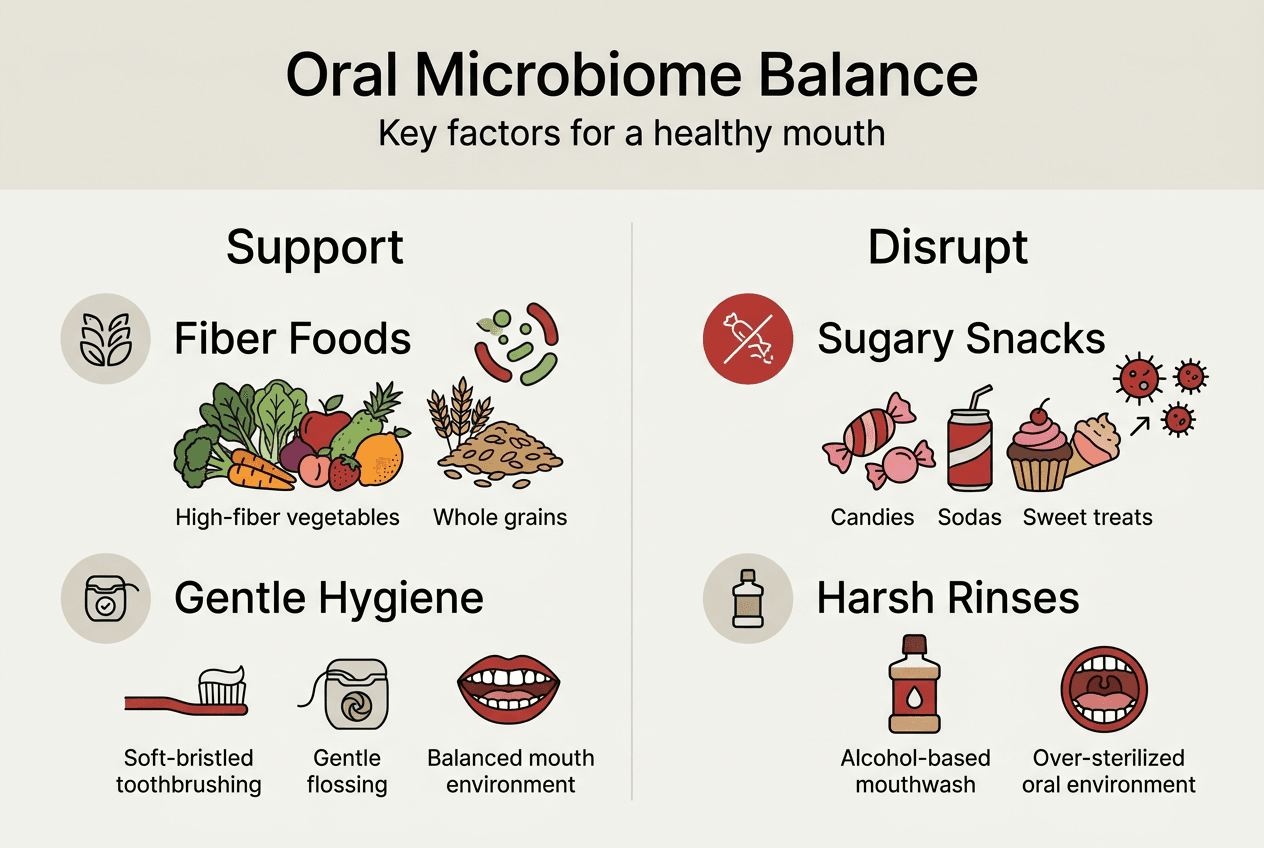
Oral hygiene products themselves can cause dysbiosis when formulated with harsh antimicrobials. Mouthwashes containing chlorhexidine or alcohol kill beneficial bacteria along with harmful ones, reducing overall diversity. This approach treats all bacteria as enemies, ignoring the crucial protective functions of commensal species.
The consequences of dysbiosis extend well beyond cavities and bad breath. Dysbiosis underpins dental caries, periodontal disease and mucosal conditions, creating a cascade of oral health problems. Gum disease caused by imbalanced microbiomes triggers chronic inflammation that damages supporting tissues and can lead to tooth loss.
Systemic health impacts reveal the far-reaching effects of oral dysbiosis. Dysbiosis links to systemic diseases including cardiovascular disease, diabetes, and dementia, highlighting how oral health influences whole-body wellness. Oral pathogens can enter the bloodstream through inflamed gums, triggering inflammatory responses in distant organs.
“The oral microbiome serves as a gateway to the body, and imbalances here can set off inflammatory cascades that affect cardiovascular, metabolic, and cognitive health.”
The oral-gut connection means dysbiosis in your mouth can disrupt your digestive microbiome. Swallowing pathogenic oral bacteria introduces them to your gut environment, where they can alter gut microbial composition and contribute to inflammatory bowel conditions. This bidirectional relationship means supporting pH balance in your mouth benefits your entire digestive system.
Recognizing these causes and impacts empowers you to make informed choices. Small changes in diet, product selection, and hygiene practices can shift your oral microbiome toward a healthier balance over time.
How to maintain and restore oral microbiome balance naturally
Restoring and maintaining a healthy oral microbiome doesn’t require harsh chemicals or extreme measures. Science-backed natural strategies can support beneficial bacteria while gently discouraging harmful species, creating conditions for long-term balance.
-
Adopt a microbiome-friendly diet that nourishes beneficial bacteria. Focus on whole foods rich in fiber, polyphenols, and nutrients while limiting refined sugars and processed foods. Green tea, berries, and dark leafy greens contain compounds that support healthy microbial communities. Fermented foods like yogurt and kefir introduce beneficial bacteria that can colonize oral surfaces.
-
Incorporate oral probiotics specifically formulated for mouth health. Probiotic strains like Streptococcus salivarius reduce plaque and inflammation by competing with pathogenic species and producing antimicrobial compounds. These beneficial bacteria colonize oral surfaces, creating a protective barrier against harmful microbes. Look for products containing well-researched strains proven to survive in the oral environment.
-
Practice gentle oral hygiene that preserves beneficial microbes. Brush twice daily with a soft-bristled brush using fluoride-free toothpaste formulated to support microbial balance. Avoid over-brushing or aggressive scrubbing that damages tissues and disrupts biofilms. Floss daily to remove food particles without destroying beneficial bacterial communities.
-
Choose oral care products wisely to avoid disrupting your microbiome. Skip mouthwashes containing harsh antimicrobials like chlorhexidide or high alcohol concentrations that kill beneficial bacteria indiscriminately. Instead, opt for natural mouthwash remedies containing ingredients like aloe vera, tea tree oil, or salt water that gently support balance.
-
Leverage plant compounds that selectively target harmful bacteria. Natural products such as polyphenols influence biofilm development and support beneficial microbes while inhibiting pathogenic species. Compounds in green tea, cranberries, and certain herbs demonstrate selective antimicrobial activity that preserves microbial diversity.
-
Stay hydrated to support saliva production and oral health. Saliva contains antimicrobial compounds, minerals, and proteins that maintain optimal conditions for beneficial bacteria. Adequate water intake ensures sufficient saliva flow to wash away food particles and neutralize acids.
-
Limit snacking frequency to reduce acid attacks on teeth. Constant eating provides continuous fuel for acid-producing bacteria, keeping pH levels low and favoring pathogenic species. Allow time between meals for your oral pH to recover and beneficial bacteria to restore balance.
Pro Tip: Oil pulling with coconut oil for 10 minutes daily can reduce harmful bacteria while preserving beneficial species, thanks to lauric acid’s selective antimicrobial properties.
These natural approaches work synergistically to create an environment where beneficial bacteria thrive. Consistency matters more than perfection, as your oral microbiome responds to sustained changes in conditions and inputs. Small daily actions compound over time, gradually shifting your microbial composition toward a healthier balance.
Monitoring your progress through regular dental checkups helps track improvements in gum health, cavity rates, and overall oral condition. Many people notice fresher breath, reduced inflammation, and improved gum color within weeks of implementing these strategies.
Emerging technologies and the future of oral microbiome care
The field of oral microbiome research is advancing rapidly, bringing innovative diagnostic tools and therapies that promise to revolutionize dental care. These developments move beyond the one-size-fits-all approach toward personalized interventions based on individual microbial profiles.
Diagnostic innovations now enable early disease detection through saliva analysis. Non-invasive oral microbiome-based biomarkers promise early disease detection by identifying microbial signatures associated with cavities, gum disease, and even systemic conditions before symptoms appear. Simple saliva tests can reveal your unique microbial composition and highlight imbalances requiring attention.
Microbiome profiling services are becoming accessible to consumers, providing detailed reports on oral bacterial composition. These profiles identify which beneficial species you harbor and which pathogenic bacteria may pose risks. Armed with this information, you can tailor your oral care routine to address specific imbalances.
Therapeutic advances offer targeted approaches to restore balance without destroying beneficial microbes. Bacteriophages and postbiotics offer promising microbiome-modulating therapies by selectively targeting harmful bacteria while leaving beneficial species intact. Bacteriophages are viruses that infect specific bacterial strains, providing precision tools to eliminate pathogens without collateral damage.
Postbiotics represent another frontier in oral microbiome care. These beneficial compounds produced by probiotic bacteria can be delivered directly to oral surfaces, providing protective effects without requiring live bacteria to colonize. Postbiotic formulations offer stability advantages over traditional probiotics while still supporting microbial balance.
| Traditional Approach | Microbiome-Focused Approach |
|---|---|
| Kill all bacteria indiscriminately | Support beneficial species, selectively target pathogens |
| One-size-fits-all products | Personalized care based on microbial profile |
| Reactive treatment of disease | Proactive balance maintenance and early detection |
| Focus solely on oral symptoms | Address oral-systemic health connections |
Artificial intelligence and machine learning are accelerating microbiome research by analyzing massive datasets to identify patterns linking microbial composition to health outcomes. These tools help researchers understand which bacterial combinations promote health and which predict disease, informing the development of targeted interventions.
Personalized probiotic formulations tailored to individual needs represent the future of preventive oral care. Based on your microbiome profile, customized probiotic blends can introduce species you lack or boost populations of beneficial bacteria already present. This precision approach maximizes effectiveness while minimizing unnecessary interventions.
The integration of oral microbiome care into routine dental practice is gaining momentum. Forward-thinking dentists now consider microbial balance alongside traditional metrics like cavity counts and gum pocket depths. This holistic view recognizes that supporting a healthy microbiome prevents problems more effectively than repeatedly treating symptoms.
Pro Tip: Stay informed about oral health trends to learn when new microbiome-based diagnostics and therapies become available in your area.
These emerging technologies promise to make oral care more effective, personalized, and aligned with supporting your body’s natural protective mechanisms. As research continues, expect even more innovative solutions that harness the power of beneficial microbes to maintain oral and systemic health.
Explore natural oral care solutions
Understanding your oral microbiome is just the first step toward better dental health. Putting this knowledge into practice requires products formulated to support microbial balance rather than disrupt it. Stop Oral Care offers a range of natural oral health products designed with your microbiome in mind, combining hemp extracts and Dead Sea minerals to nourish beneficial bacteria while gently discouraging harmful species.
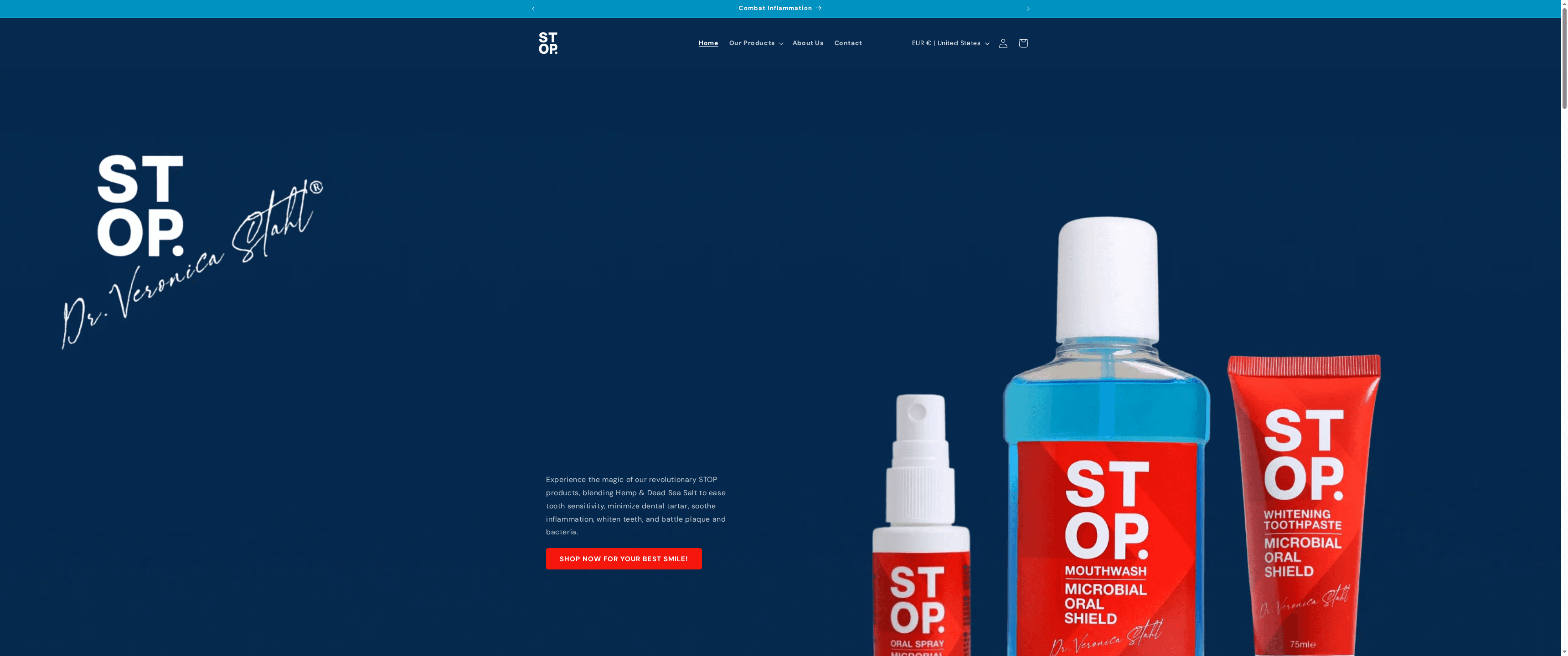
Their fluoride-free formulations avoid harsh antimicrobials that destroy beneficial microbes, instead relying on natural compounds that selectively support oral health. Whether you’re looking for the best toothpaste for oral microbiome balance or the best mouthwash for oral microbiome health, their science-backed options align with maintaining the delicate ecosystem in your mouth. Explore their collection to find products that support both your oral microbiome and overall wellness.
Frequently asked questions
What is the oral microbiome and why is it important?
The oral microbiome consists of billions of microorganisms living in your mouth, including bacteria, fungi, and viruses that form complex communities. These microbes perform essential functions like protecting against pathogens, supporting digestion, and training your immune system. A balanced oral microbiome prevents cavities and gum disease while supporting overall health. Imbalances can lead to oral diseases and contribute to systemic conditions affecting your heart, metabolism, and brain.
How can I naturally maintain a healthy oral microbiome balance?
Maintain balance by eating a diet rich in polyphenols and fiber while limiting sugar and processed foods. Practice gentle oral hygiene with products that preserve beneficial bacteria rather than killing all microbes indiscriminately. Consider oral probiotics containing strains like Streptococcus salivarius that colonize your mouth and compete with harmful bacteria. Stay hydrated to support saliva production, which naturally protects your oral microbiome.
Can an imbalanced oral microbiome affect my overall health?
Yes, oral dysbiosis significantly impacts systemic health beyond your mouth. Imbalanced oral microbiomes contribute to cardiovascular disease, diabetes, rheumatoid arthritis, and cognitive decline through inflammatory pathways. Oral pathogens can enter your bloodstream through inflamed gums, triggering immune responses throughout your body. The oral-gut connection means harmful mouth bacteria can disrupt your digestive microbiome, affecting nutrient absorption and gut health.
What are emerging treatments targeting the oral microbiome?
New therapies include precision probiotics formulated with specific beneficial strains, bacteriophages that selectively eliminate pathogenic bacteria, and postbiotics that deliver protective compounds without live microbes. Microbiome profiling through saliva tests enables personalized care based on your unique bacterial composition. These approaches restore balance rather than simply killing bacteria, supporting long-term oral and systemic health. Non-invasive biomarker tests can detect disease risks early by analyzing microbial signatures.
Recommended
- Role of pH Balance in Oral Hygiene: Protecting Enamel and Microbiome – Stop Oral Care
- Oral microbiome: Why it matters for whole body health – Stop Oral Care
- Discover the Best Toothpaste for Oral Microbiome: 10 Science‑Backed Pi – Stop Oral Care
- 7-Step Oral Hygiene Checklist for Adults Seeking Natural Care – Stop Oral Care
- Complete Dental Restoration Guide for Full Smile Recovery