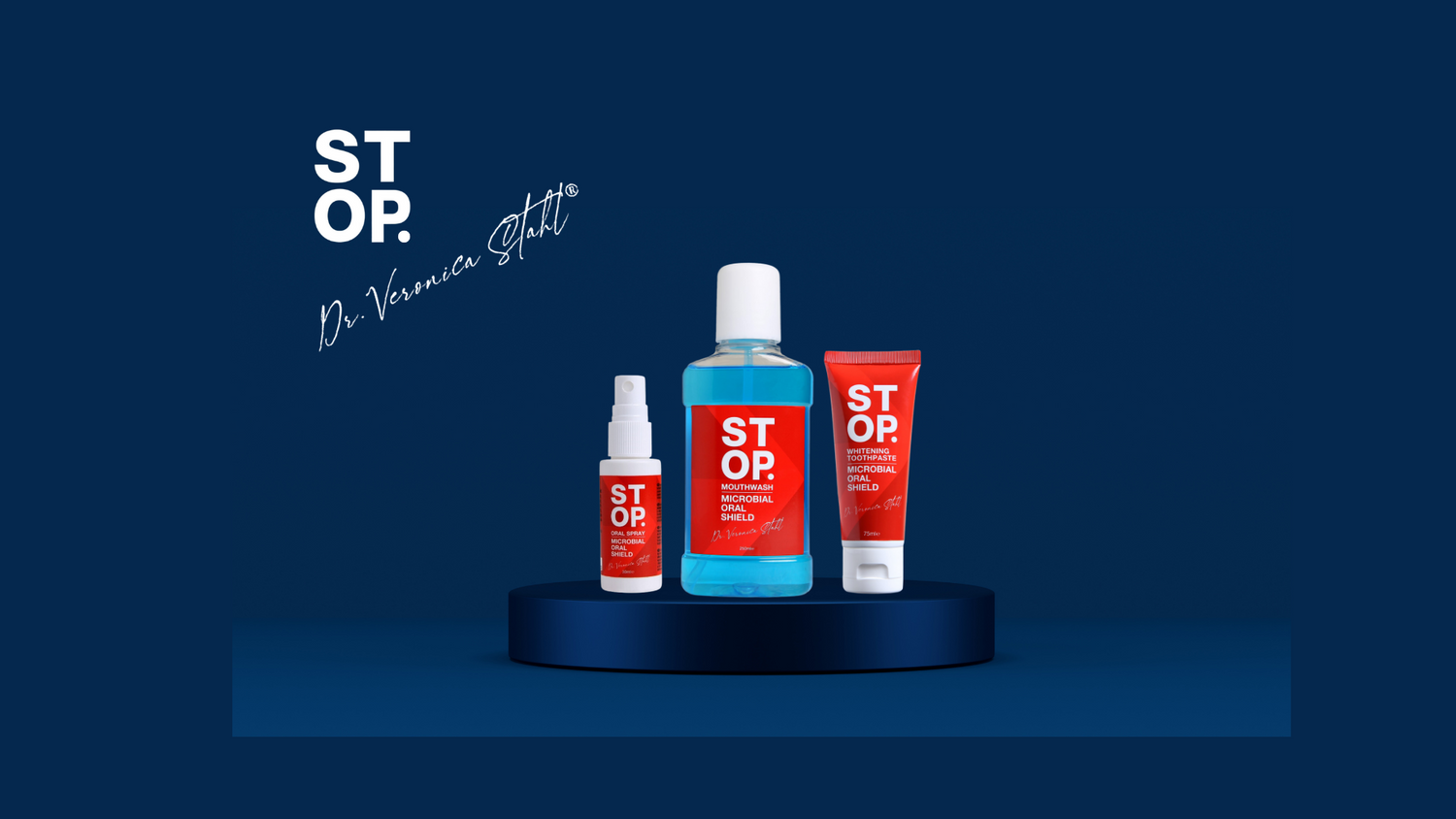


Your mouth hosts over 700 species of bacteria that do far more than protect your teeth. These microorganisms influence everything from your immune system to your brain health through sophisticated biological pathways. Understanding how to nurture this invisible ecosystem can transform not just your smile, but your overall wellness in ways most people never realize.
Table of Contents
- What Is The Oral Microbiome And Why Does It Matter?
- How The Oral Microbiome Influences Systemic Health: The Oral-Gut-Brain Axis
- Understanding Oral Microbiome Imbalance: Causes And Consequences
- Natural Ways To Support And Restore Your Oral Microbiome
- Explore Natural Oral Care Solutions For A Balanced Microbiome
Key takeaways
| Point | Details |
|---|---|
| Systemic impact | Your oral microbiome directly modulates immunity and inflammation throughout your body via the oral-gut axis |
| Disease prevention | Balanced oral bacteria protect against conditions ranging from gum disease to cardiovascular disorders |
| Natural support | Probiotics, polyphenols, and mindful diet choices effectively restore and maintain microbial harmony |
| Disruption risks | Poor hygiene, smoking, harsh antimicrobials, and processed foods trigger dysbiosis with far-reaching consequences |
| Actionable care | Simple daily practices preserving beneficial bacteria offer profound long-term health dividends |
What is the oral microbiome and why does it matter?
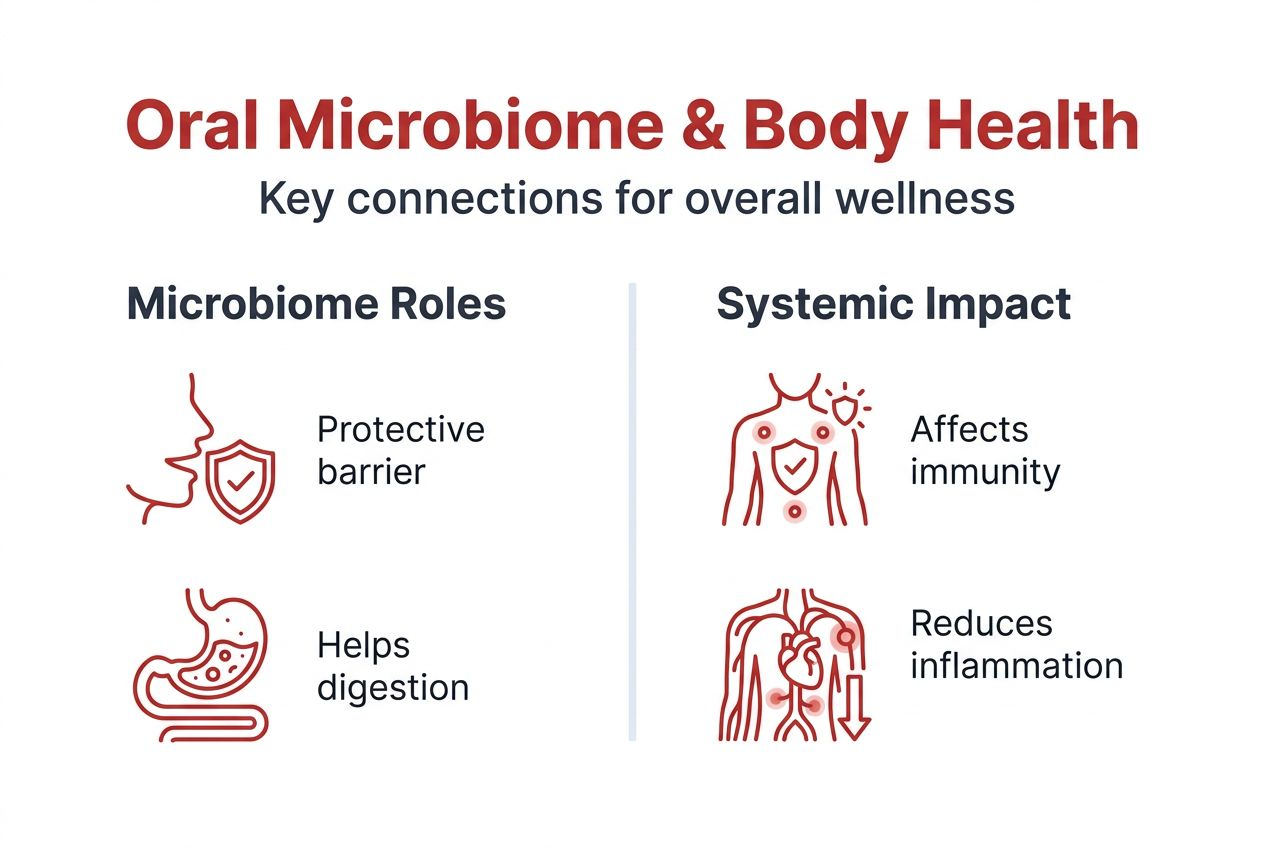
The human oral microbiota is the second-largest microbial community after the gut, including 37 phyla and over 1,000 genera. This complex ecosystem colonizes every surface in your mouth from your tongue to tooth enamel. These microscopic residents form biofilms that create protective barriers against invading pathogens while performing essential biological functions.
Your oral bacteria maintain a delicate symbiotic relationship with your body’s tissues. They help break down food particles, produce vitamins, and generate compounds that regulate local pH levels. This pH balance determines whether harmful acid-producing species or protective neutralizing bacteria dominate your oral environment.
The diversity within your oral microbiome matters tremendously. A healthy mouth contains hundreds of bacterial species working in concert to:
- Shield oral tissues from pathogenic invaders through competitive exclusion
- Modulate immune responses to prevent excessive inflammation
- Maintain epithelial barrier integrity that keeps bacteria from entering bloodstream
- Produce antimicrobial peptides that selectively target harmful microbes
- Aid early digestion through enzymatic breakdown of nutrients
When this microbial balance tilts toward pathogenic dominance, the protective functions collapse. Opportunistic bacteria multiply unchecked, triggering local inflammation that can cascade into systemic health issues. The composition of your oral microbiome reflects your overall health status and predicts disease risk more accurately than many people appreciate.
How the oral microbiome influences systemic health: The oral-gut-brain axis
Oral microbiota modulate systemic immunity via the oral-gut axis through multiple interconnected mechanisms. Every time you swallow, you transport billions of oral bacteria into your digestive tract where they interact with gut microbiota and intestinal immune cells. This constant microbial exchange creates bidirectional communication channels between your mouth and distant organ systems.
The oral-gut axis operates through several key pathways:
- Bacterial translocation across compromised epithelial barriers allows oral pathogens to enter circulation
- Shared inflammatory mediators amplify immune responses across both sites
- Microbial metabolites produced in the mouth influence gut bacterial composition
- Immune cells primed in oral tissues migrate to gut-associated lymphoid tissue
Oral dysbiosis influences distant tissues through immune activation and systemic inflammation that extends beyond the digestive tract. Periodontal pathogens like Porphyromonas gingivalis have been detected in atherosclerotic plaques, arthritic joints, and even brain tissue of Alzheimer’s patients. These bacteria don’t just correlate with disease, they actively participate in pathological processes through multiple mechanisms.
The relationship between oral health and systemic disease represents a fundamental paradigm shift in how we understand preventive medicine and whole-body wellness.
Specific oral bacteria drive distinct systemic conditions. Aggregatibacter actinomycetemcomitans triggers inflammatory arthritis through immune cross-reactivity. Fusobacterium nucleatum promotes colorectal cancer progression. Treponema denticola produces enzymes that degrade the blood-brain barrier. Your saliva either washes away these threats or allows them to establish harmful footholds based on its antimicrobial composition and flow rate.

The emerging research on the gut-brain axis extends to oral microbiota as well. Neurotransmitter production by oral bacteria, inflammatory signaling from periodontal disease, and vagal nerve stimulation all create pathways through which your mouth’s microbial residents influence cognition, mood, and neurological health.
Understanding oral microbiome imbalance: Causes and consequences
Diet, smoking, poor hygiene, and antibiotics disrupt oral microbial balance leading to diseases that extend far beyond cavities and gum inflammation. Modern dietary patterns high in refined sugars and processed carbohydrates selectively feed acid-producing bacteria while starving beneficial species that depend on fiber and complex nutrients.
Major contributors to oral dysbiosis include:
- Frequent consumption of sugary foods and beverages that acidify oral pH
- Tobacco use that depletes oxygen and favors anaerobic pathogens
- Aggressive antiseptic mouthwashes that indiscriminately eliminate beneficial bacteria
- Systemic antibiotic courses that collaterally damage oral microbiota
- Chronic stress and poor sleep that weaken immune surveillance
- Insufficient saliva production from medications or health conditions
Dysbiosis underpins dental caries, periodontal disease, and broader systemic disorders through cascading inflammatory processes. When Streptococcus mutans dominates, it creates acidic conditions that demineralize enamel. When Porphyromonas gingivalis proliferates, it triggers inflammatory responses that destroy gum tissue and underlying bone.
The consequences extend beyond the oral cavity. Imbalanced oral microbiota weaken epithelial barriers, allowing bacterial products and even whole bacteria to enter systemic circulation. This persistent low-grade bacteremia activates immune cells throughout the body, contributing to chronic inflammatory states that accelerate aging and disease progression.
Pro Tip: Many commercial mouthwashes kill good bacteria alongside harmful ones, disrupting the protective biofilm you need. Choose gentle, microbiome-friendly formulas or skip antiseptic rinses entirely unless specifically recommended for active infection.
Recognizing early signs of imbalance helps you intervene before serious damage occurs. Persistent bad breath, bleeding gums, tooth sensitivity, and frequent infections all signal that your oral ecosystem needs rebalancing through targeted natural interventions.
Natural ways to support and restore your oral microbiome
Natural products like polyphenols and alkaloids help sustain a stable and resilient oral microbiome without the collateral damage of synthetic antimicrobials. These plant-derived compounds selectively inhibit pathogenic bacteria while preserving or even promoting beneficial species that maintain oral health.
| Approach | Primary Mechanism | Best For |
|---|---|---|
| Natural antimicrobials | Selective pathogen inhibition | Active infections, prevention |
| Oral probiotics | Beneficial bacteria colonization | Dysbiosis recovery, maintenance |
| Dietary polyphenols | Antioxidant and prebiotic effects | Long-term ecosystem support |
| pH-balancing agents | Environmental optimization | Acid neutralization, remineralization |
Probiotic strains reduce plaque, inflammation, and pathogenic bacteria through competitive exclusion and antimicrobial peptide production. Lactobacillus reuteri, Lactobacillus salivarius, and Streptococcus salivarius K12 have demonstrated clinical efficacy in reducing gingivitis markers and halitosis while improving overall microbial diversity.
Effective natural strategies for microbiome support include:
- Consuming polyphenol-rich foods like green tea, berries, and dark chocolate that feed beneficial bacteria
- Using xylitol as a sugar substitute since it inhibits Streptococcus mutans without harming protective species
- Incorporating prebiotic fibers that selectively nourish health-promoting oral microbiota
- Choosing toothpaste formulated for oral microbiome balance with gentle, natural ingredients
- Selecting mouthwash that supports oral flora rather than decimating it
Dietary choices profoundly shape your oral bacterial community. Fiber-rich vegetables promote alkaline saliva that buffers acids. Fermented foods introduce beneficial bacteria. Omega-3 fatty acids reduce inflammatory responses to periodontal pathogens. Avoiding frequent sugar exposure prevents the acidic pH swings that favor cariogenic species.
Pro Tip: Timing matters when introducing oral probiotics. Take them after brushing at night when bacterial populations are lowest and competition for colonization sites is reduced, giving beneficial strains their best chance to establish.
Consistency trumps intensity in microbiome care. Gentle daily practices that preserve microbial diversity outperform aggressive periodic interventions that create boom-bust cycles of dysbiosis and attempted recovery.
Explore natural oral care solutions for a balanced microbiome
Maintaining oral microbiome health requires more than just knowledge, it demands access to products specifically formulated to work with your body’s natural microbial ecology rather than against it. Natural oral care solutions combine gentle yet effective ingredients that support beneficial bacteria while controlling pathogenic overgrowth.

Our approach emphasizes hemp-derived compounds and Dead Sea minerals that offer antimicrobial benefits without disrupting the delicate bacterial balance your mouth needs. These natural formulations help maintain the optimal pH balance that allows protective species to thrive while creating an inhospitable environment for disease-causing bacteria.
Explore our educational resources to deepen your understanding of microbiome-conscious oral care. Our guide to the best mouthwash for oral microbiome health explains exactly what to look for in products that preserve your mouth’s beneficial bacteria. Making informed choices about your daily oral care routine creates compounding benefits for both local and systemic health.
FAQ
What is the importance of the oral microbiome for overall health?
Your oral microbiome serves as a frontline defense system that prevents pathogenic bacteria from colonizing your mouth and entering your bloodstream. Beyond local protection, these microorganisms communicate with your immune system and influence inflammation levels throughout your entire body. Disrupted oral bacteria balance has been directly linked to cardiovascular disease, diabetes complications, rheumatoid arthritis, and cognitive decline through multiple biological pathways.
Can mouthwash damage my oral microbiome?
Many conventional mouthwashes containing chlorhexidine, cetylpyridinium chloride, or high alcohol concentrations kill beneficial bacteria alongside harmful ones, creating temporary sterility that invites opportunistic pathogens to colonize. This disruption can actually worsen long-term oral health despite short-term improvements in breath or gum appearance. Microbiome-friendly alternatives use selective natural antimicrobials or focus on pH balancing rather than broad-spectrum bacterial elimination.
How do oral probiotics improve microbiome health?
Oral probiotic strains like Lactobacillus reuteri and Streptococcus salivarius K12 colonize oral surfaces and compete with pathogenic bacteria for nutrients and attachment sites. They produce antimicrobial compounds that selectively inhibit harmful species while modulating local immune responses to reduce excessive inflammation. Clinical studies demonstrate measurable reductions in plaque formation, gingival bleeding, and volatile sulfur compounds that cause bad breath.
What dietary changes best support oral microbiome balance?
Reducing sugar and refined carbohydrate consumption removes the primary fuel source for acid-producing bacteria that cause cavities and create inflammatory conditions. Increasing fiber, polyphenols from colorful plants, and omega-3 fatty acids provides nutrients that beneficial bacteria use while promoting anti-inflammatory saliva composition. Fermented foods introduce probiotic bacteria that can colonize oral tissues and compete with pathogenic species.
How long does it take to restore a disrupted oral microbiome?
Microbial communities begin shifting within days of changing oral care practices or diet, but establishing stable beneficial populations typically requires 2-3 months of consistent supportive behaviors. Severe dysbiosis from antibiotic use or chronic disease may need 6-12 months for full ecological recovery. Regular gentle care produces more sustainable results than aggressive interventions that create repeated disruption and regrowth cycles.
Does the oral microbiome affect conditions beyond the mouth?
Research has established clear mechanistic links between oral dysbiosis and systemic diseases including atherosclerosis, where periodontal pathogens are found in arterial plaques. Rheumatoid arthritis shows immune cross-reactivity with oral bacteria. Alzheimer’s disease correlates with chronic periodontal infection. Pregnancy complications and premature birth associate with maternal gingival inflammation, demonstrating how oral health influences outcomes throughout the body.
Recommended
- The Best Mouthwash for Oral Microbiome: Top Picks That Support Healthy – Stop Oral Care
- Discover the Best Toothpaste for Oral Microbiome: 10 Science‑Backed Pi – Stop Oral Care
- A Comprehensive Guide to Choosing the Right Oral Microbiome Mouthwash – Stop Oral Care
- Role of pH Balance in Oral Hygiene: Protecting Enamel and Microbiome – Stop Oral Care