

TL;DR:
- Oral microflora is a community of over 700 microbial species that regulate dental and systemic health. Disrupting this balance through poor diet, smoking, or antibiotics can lead to disease and systemic inflammation. Supporting beneficial bacteria with targeted probiotics and gentle hygiene preserves oral health and overall well-being.
Oral microflora is defined as the complex ecological community of microorganisms inhabiting the human mouth, including bacteria, fungi, viruses, archaea, and protozoa, that collectively regulate dental hygiene, immune defense, and systemic wellness. The oral cavity hosts over 700 microbial species across distinct niches including teeth, tongue, gingival sulcus, and palate. These organisms do not exist passively. They form structured biofilms, regulate local pH, produce antimicrobial compounds, and train the mucosal immune system. Understanding what microflora in oral health actually does shifts the conversation from eliminating bacteria to managing the balance between beneficial and harmful species. That distinction has direct consequences for gum health, cavity prevention, and conditions far beyond the mouth.
What is microflora in oral health and how does it function?
The oral microbiome is composed of several distinct microbial groups, each with defined roles in maintaining oral homeostasis. Commensal bacteria such as Streptococcus and Veillonella dominate healthy oral communities. Fungi, primarily Candida species, viruses including bacteriophages, and methanogenic archaea complete the ecosystem. The oral cavity functions as an integrated host-microbiome-immune ecosystem where beneficial microbes provide colonization resistance against pathogens.

Microbial adherence to oral surfaces is the foundation of this system. Bacteria attach to tooth enamel, epithelial cells, and each other in spatially organized biofilms shaped by local environmental conditions. These biofilms are not random accumulations. Oral microbial communities adhere in precise spatial patterns, and disrupting these patterns non-selectively can harm health-promoting bacteria. This is why indiscriminate antimicrobial use carries real ecological risk.
Key functions of a balanced oral microbiome include:
- Colonization resistance: Commensal species compete with pathogens for adhesion sites and nutrients, physically blocking harmful organisms from establishing themselves.
- pH regulation: Species like Veillonella metabolize lactic acid produced by other bacteria, preventing the acidic conditions that drive enamel demineralization.
- Bacteriocin production: Many commensal strains release bacteriocins, narrow-spectrum antimicrobial peptides that selectively suppress competing pathogens.
- Immune system education: Oral microbes continuously interact with mucosal immune cells, calibrating inflammatory responses and tolerance thresholds.
- Nutrient metabolism: Microbial communities assist in converting dietary nitrates to nitric oxide, which supports vascular function and salivary chemistry.
Pro Tip: Rinsing with plain water after meals supports microbial pH recovery without disrupting beneficial biofilm communities the way antiseptic rinses can.
How does oral microflora affect gum disease and systemic health?
Oral dysbiosis, the disruption of normal microbial balance, is directly associated with dental caries, periodontitis, and oral mucosal inflammation. Oral microbiota imbalances are also linked to systemic diseases including cardiovascular disease and colorectal cancer. The connection is not coincidental. Dysbiotic oral communities generate inflammatory signals and compromise epithelial barriers, allowing microbial products to enter circulation.
The oral-gut axis represents one of the most significant mechanisms through which oral bacteria affect distant organs. Oral microbes translocate to the gut via swallowing and the bloodstream, influencing gut microbiome composition and systemic immune responses. This translocation disrupts epithelial barriers and modulates immune function in ways that contribute to inflammatory bowel diseases, rheumatoid arthritis, and metabolic disorders.
The table below summarizes established associations between oral microbial imbalance and systemic conditions:
| Systemic Condition | Oral Microbial Connection |
|---|---|
| Cardiovascular disease | Periodontal pathogens enter bloodstream, promoting arterial inflammation |
| Colorectal cancer | Fusobacterium nucleatum from oral dysbiosis detected in tumor tissue |
| Rheumatoid arthritis | Periodontal bacteria trigger cross-reactive immune responses |
| Inflammatory bowel disease | Oral microbial translocation disrupts gut epithelial integrity |
| Type 2 diabetes | Bidirectional relationship with periodontitis via systemic inflammation |
“Maintaining oral microbial eubiosis is a promising but underrecognized approach to mitigate systemic low-grade inflammation. The mouth is not an isolated organ. Its microbial community directly shapes immune tone across the entire body.”
The impact of oral bacteria on systemic inflammation is now supported by substantial clinical evidence. Treating the oral microbiome as a systemic health variable, not just a dental concern, reflects the current scientific consensus.
What factors disrupt the microbial balance in the mouth?
Oral microbial equilibrium is sensitive to both behavioral and physiological variables. High-sugar diets, smoking, antibiotic use, and systemic disease all disrupt oral microbial community structure and function. Each factor operates through a distinct mechanism, and their combined effect accelerates dysbiosis.
The following factors represent the most clinically significant disruptors of oral microbial balance:
- High-sugar diet: Fermentable carbohydrates feed acid-producing bacteria like Streptococcus mutans, shifting community composition toward cariogenic species and lowering plaque pH below the critical threshold for enamel dissolution.
- Tobacco use: Smoking reduces oxygen levels in the gingival sulcus, favoring anaerobic periodontal pathogens. It also impairs salivary flow and mucosal immune defenses.
- Alcohol consumption: Frequent alcohol use alters salivary composition, reduces microbial diversity, and increases the relative abundance of gram-negative pathogens associated with periodontitis.
- Antibiotic therapy: Broad-spectrum antibiotics eliminate beneficial commensal species alongside pathogens, creating ecological vacuums that opportunistic organisms like Candida rapidly fill.
- Aggressive oral hygiene: Excessive hygiene measures that are non-selective can damage beneficial flora, reducing colonization resistance and increasing vulnerability to pathogens.
- Systemic conditions: Diabetes impairs salivary antimicrobial proteins and alters gingival tissue perfusion. Aging reduces salivary flow rate. Immunosuppression removes key regulatory signals that keep commensal communities stable.
Pro Tip: If you must take antibiotics, ask your clinician about timing a probiotic supplement to begin during or immediately after the course. Specific strains can accelerate commensal recovery.
Ecological stability in oral health requires balancing host immunity, microbial colonization, and salivary defenses simultaneously. Removing any one element without compensating for the others creates conditions for dysbiosis.
How can you restore and support a healthy oral microbiome?
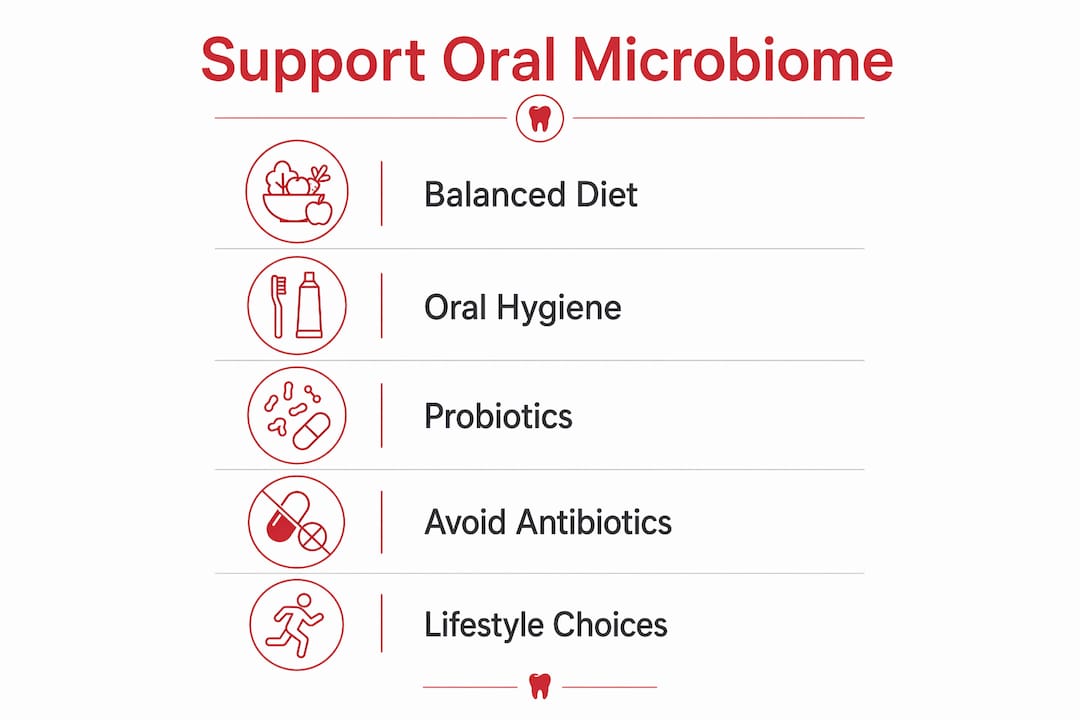
Restoring oral microbial balance requires targeted strategies that support commensal species without creating conditions for pathogen overgrowth. The evidence base for several approaches is now substantial enough to guide clinical and personal practice.
Probiotic supplementation
Oral probiotics restore eubiosis by competing with pathogens, modulating inflammation, and supporting mucosal barrier function. Strains from the Lactobacillus and Bifidobacterium genera have demonstrated the most consistent clinical results. Probiotic supplementation using specific strains reduces harmful cariogenic bacteria and improves oral environmental factors including plaque pH and salivary buffering capacity. Strain selection and dosage determine outcomes. A general probiotic product is not equivalent to a clinically validated oral strain.
Oral hygiene practices that preserve microbial balance
The goal of oral hygiene is not sterility. It is selective reduction of pathogenic biofilm while preserving commensal communities. Mechanical cleaning with a soft-bristle brush removes excess plaque without the broad antimicrobial effect of chemical agents. Fluoride-free formulations that avoid triclosan and high-concentration alcohol preserve more of the commensal microbiome. Learning about microbiome-friendly toothpaste options helps identify products that clean effectively without disrupting beneficial bacteria.
Nutrition and lifestyle choices
A diet low in fermentable sugars and rich in fiber, polyphenols, and nitrate-containing vegetables directly supports a diverse oral microbiome. Polyphenols from green tea and berries selectively inhibit cariogenic bacteria while sparing commensals. Adequate hydration maintains salivary flow, which is the primary physical defense against pathogen colonization. Reducing tobacco and alcohol use produces measurable improvements in oral microbial diversity within weeks.
Emerging therapeutic approaches
The following strategies represent the current evidence frontier for oral microbiome support:
- Prebiotics: Dietary substrates that selectively feed beneficial oral bacteria, including arginine-based compounds that promote alkaline-producing species.
- Postbiotics: Bioactive compounds produced by probiotic bacteria, including short-chain fatty acids and bacteriocins, that exert direct antimicrobial and anti-inflammatory effects.
- Host-directed interventions: Approaches targeting the host immune response rather than the microbiome directly, including salivary immunoglobulin support and nitric oxide pathway modulation.
- Precision microbiome therapies: Probiotic and prebiotic interventions must be selected for specific microbial strains and dosages to effectively support commensal flora. Generic supplementation without strain specificity produces inconsistent results.
Understanding the oral microbiome’s role in whole-body health provides the context needed to make these choices purposefully rather than reactively.
Key Takeaways
The oral microbiome is a clinically significant ecosystem whose balance directly determines both dental disease risk and systemic inflammatory status.
| Point | Details |
|---|---|
| Oral microflora composition | Over 700 microbial species form structured biofilms across teeth, tongue, and gingival tissue. |
| Dysbiosis and systemic disease | Oral microbial imbalance is linked to cardiovascular disease, colorectal cancer, and rheumatoid arthritis. |
| Key disruptors | High-sugar diets, tobacco, broad-spectrum antibiotics, and aggressive hygiene all damage commensal communities. |
| Probiotic effectiveness | Strain-specific probiotics reduce cariogenic bacteria and improve salivary buffering in clinical studies. |
| Balance over sterility | Effective oral care preserves beneficial bacteria rather than eliminating all microbial life indiscriminately. |
The case for treating your mouth as an ecosystem, not a sterile field
My perspective on oral microflora has shifted considerably over years of clinical practice and research. The dominant model in conventional dentistry still treats the mouth as a site to be sanitized. Patients are handed alcohol-based rinses and told to eliminate plaque as thoroughly as possible. That model is scientifically outdated.
What I have observed repeatedly is that patients who aggressively over-sanitize their oral environment often present with recurring oral infections, gingival sensitivity, and altered taste perception. These are signs of a disrupted commensal community, not improved hygiene. The ecological balance of oral microbiota depends on salivary defenses, host immunity, and microbial colonization working together. Remove the microbial component indiscriminately and the system becomes vulnerable.
The systemic dimension is what patients most consistently underestimate. Oral dysbiosis is not a localized problem. The oral-gut axis means that what happens in your mouth influences your gut microbiome, your immune tone, and your inflammatory baseline. That connection deserves far more attention in everyday dental conversations.
My practical advice is direct: choose oral care products that clean selectively, not broadly. Incorporate strain-specific oral probiotics if you have recently taken antibiotics or notice recurring gum inflammation. Reduce sugar and increase dietary fiber. And resist the instinct to reach for the strongest antiseptic available every time you notice sensitivity. Balance is the target, not sterility.
— Veronica
Stop-oralcare and the science of microbiome-friendly oral care
Stop-oralcare develops oral health products formulated specifically to support microbial balance rather than disrupt it. The product line, led by Dr. Veronica Stahl, combines hemp-derived compounds and Dead Sea minerals in fluoride-free formulations designed to clean effectively without eliminating the commensal bacteria your mouth depends on.
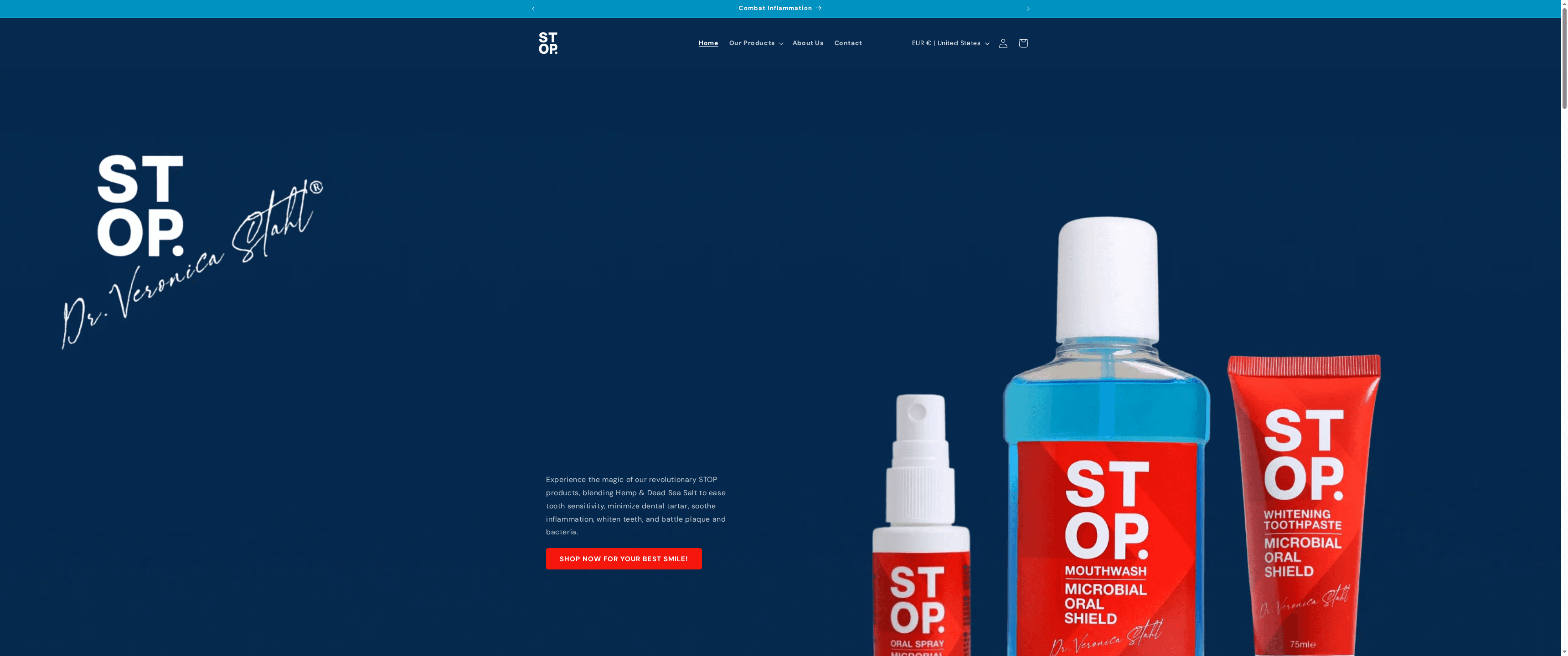
The Stop-oralcare approach is grounded in the same evidence reviewed throughout this article. Products are formulated to reduce pathogenic biofilm while preserving the commensal communities that regulate pH, resist infection, and support mucosal immunity. Readers seeking natural, science-backed alternatives to conventional dental products can explore the full Stop-oralcare product range and the educational resources available on the site.
FAQ
What is oral microflora, exactly?
Oral microflora is the community of over 700 microbial species, including bacteria, fungi, viruses, and archaea, that colonize the mouth and regulate dental and systemic health. These organisms form structured biofilms and perform functions including pH regulation, pathogen resistance, and immune system calibration.
How does oral microflora affect gums?
Disruption of commensal oral bacteria allows periodontal pathogens to dominate gingival biofilm, triggering the inflammatory cascade that causes gingivitis and periodontitis. Maintaining microbial balance directly reduces gum inflammation risk.
What are oral probiotics and do they work?
Oral probiotics are supplements containing specific bacterial strains, primarily from the Lactobacillus and Bifidobacterium genera, that restore commensal communities and reduce pathogenic bacteria. Clinical studies confirm strain-specific reductions in Streptococcus mutans and improved salivary buffering capacity.
Can oral bacteria affect the rest of the body?
Oral bacteria translocate to the gut and bloodstream, influencing systemic immune responses and contributing to conditions including cardiovascular disease, rheumatoid arthritis, and inflammatory bowel disease. The oral-gut axis is a well-documented pathway for this microbial translocation.
Does aggressive brushing harm oral microflora?
Excessive or non-selective oral hygiene measures damage beneficial flora and reduce colonization resistance, increasing susceptibility to opportunistic pathogens. Mechanical cleaning with a soft brush and microbiome-compatible products is the evidence-supported approach.
Recommended
- The Best Mouthwash for Oral Microbiome: Top Picks That Support Healthy – Stop Oral Care
- Oral microbiome: Why it matters for whole body health – Stop Oral Care
- What Is Microbiome-Friendly Toothpaste and Why It Matters – Stop Oral Care
- Discover the Best Toothpaste for Oral Microbiome: 10 Science‑Backed Pi – Stop Oral Care