

TL;DR:
- Microbiome-friendly toothpaste selectively modulates oral bacteria to support oral and systemic health. It shifts biofilm ecology without broadly eradicating beneficial microbes, requiring at least six months of consistent use. Choosing products with validated strains, clinical backing, and targeted ingredients optimizes microbiome preservation and oral health outcomes.
Most people assume that a toothpaste’s job is simple: kill harmful bacteria and clean teeth. This assumption, while understandable, overlooks a critical dimension of oral biology. The mouth harbors over 700 bacterial species, and many of them actively protect oral and systemic health. Microbiome-friendly toothpaste addresses this complexity by targeting harmful microbes while preserving beneficial ones. Understanding what is microbiome-friendly toothpaste, and how it differs from conventional formulations, is the first step toward making genuinely informed oral care decisions.
Table of Contents
- Key takeaways
- The oral microbiome: its role and systemic significance
- How traditional toothpaste formulations affect the oral microbiome
- What makes toothpaste microbiome-friendly
- Choosing and using microbiome-friendly toothpaste effectively
- Emerging directions in microbiome-friendly oral care
- My perspective on microbiome-friendly toothpaste in clinical practice
- Explore microbiome-safe oral care at Stop-oralcare
- FAQ
Key takeaways
| Point | Details |
|---|---|
| Oral microbiome balance matters | Disrupting beneficial bacteria through conventional toothpaste can increase risk of caries and gum disease. |
| Microbiome modulation, not eradication | Microbiome-friendly toothpaste selectively targets harmful bacteria rather than broadly eliminating all microbial life. |
| Zinc and probiotics show evidence | Clinical studies confirm zinc citrate and lactic acid bacteria toothpastes shift microbial communities toward healthier profiles. |
| Sustained use is necessary | Probiotic toothpaste requires at least six months of consistent use to produce meaningful periodontal benefits. |
| Ingredient scrutiny is critical | Strain selection, clinical validation, and ingredient transparency are the most reliable markers of a quality product. |
The oral microbiome: its role and systemic significance
The oral microbiome refers to the community of bacteria, fungi, viruses, and archaea that colonize the mouth, including surfaces of teeth, gingival tissue, the tongue, and oral mucosa. This ecosystem is among the most diverse in the human body, with over 700 bacterial species identified in the oral cavity to date.
A healthy oral microbiome maintains a functional balance between commensal and potentially pathogenic species. When this balance is disrupted, a condition known as dysbiosis, the ecological shift favors species associated with oral disease. Key consequences include:
- Dental caries: Overgrowth of acid-producing bacteria like Streptococcus mutans demineralizes enamel.
- Gingivitis and periodontitis: Dysbiotic subgingival biofilm drives inflammatory responses in gingival tissue.
- Halitosis: Imbalanced communities produce volatile sulfur compounds as metabolic byproducts.
- Systemic disease associations: Oral dysbiosis has been linked to cardiovascular disease, diabetes, and adverse pregnancy outcomes.
“The oral cavity serves as both a gateway and a mirror to systemic health. Maintaining microbial equilibrium within it is not merely a cosmetic concern but a clinically significant health objective.”
This systemic dimension explains why the conversation around microbiome-safe oral care has expanded well beyond cavity prevention. The mouth and gut are connected through the gastrointestinal tract, and oral bacteria that are swallowed can colonize or disrupt the gut microbiome. Toothpaste for gut health is not merely a marketing concept; it reflects genuine mechanistic pathways between oral and gastrointestinal microbial communities.
How traditional toothpaste formulations affect the oral microbiome
Understanding the limitations of conventional toothpaste requires examining how these products interact with oral bacteria at a mechanistic level.
- Mechanical biofilm disruption: The primary function of any toothpaste is physical. Mild abrasives and surfactants dislodge plaque from tooth surfaces. This physical disruption affects all bacteria indiscriminately, beneficial and harmful alike.
- Fluoride’s selective role: Contrary to widespread belief, fluoride primarily strengthens enamel by promoting remineralization rather than killing bacteria directly. It inhibits the enzymatic processes that acid-producing bacteria use to damage enamel, which means it exerts a metabolic effect on certain harmful species without broadly eliminating the microbiome.
- Antibacterial agents: Many conventional toothpastes contain broad-spectrum antimicrobials such as triclosan, chlorhexidine, or cetylpyridinium chloride (CPC). These agents reduce total bacterial load, but their specificity is limited. They reduce harmful species and beneficial ones with comparable efficiency.
- Surfactants and detergents: Sodium lauryl sulfate (SLS), commonly used to create foam, can disrupt mucosal membranes and alter the adhesion properties of both pathogenic and commensal bacteria.
A 2025 Scientific Reports study demonstrates that daily toothpaste use changes plaque microbiome composition and metabolic function, confirming that routine brushing is not a neutral act from a microbial ecology standpoint. The type and formulation of toothpaste used determines whether those changes support or undermine oral health.
On the fluoride question specifically, the American Dental Association recommends twice-daily fluoride brushing as reducing tooth decay by approximately 25%. Fluoride remains a defensible ingredient from a microbiome perspective because its antibacterial mechanism is narrow and targeted rather than systemic. A 2025 pilot trial involving 60 patients found that CPC and cymenol toothpaste showed no significant detrimental effects on subgingival microbiome diversity after six weeks of use, indicating that not all antibacterial formulations cause equal ecological disruption.
The practical implication is that the risk to the oral microbiome from conventional toothpaste is real but variable, depending heavily on specific active ingredients rather than the category as a whole.
What makes toothpaste microbiome-friendly
The defining characteristic of microbiome-friendly toothpaste is its intent and mechanism: modulation of the oral microbial community rather than indiscriminate bacterial eradication. Products in this category work by modifying biofilm structure and bacterial metabolism, shifting ecological balance without broadly depleting microbial diversity.
Several active ingredient classes have accumulated meaningful clinical evidence:
| Ingredient class | Mechanism | Evidence level |
|---|---|---|
| Zinc citrate | Reduces glycolysis; shifts species abundance toward health-associated taxa | Randomized controlled trial (2025) |
| Lactic acid bacteria (e.g., L. paracasei) | Competitive exclusion of pathogens; immune modulation | Systematic review (2025) |
| Prebiotics (e.g., inulin, fructooligosaccharides) | Selectively feeds beneficial commensals | Emerging clinical data |
| Arginine | Raises plaque pH; disrupts cariogenic niche | Multiple RCTs |
| Plant-derived antimicrobials (e.g., hemp-derived compounds) | Targeted suppression of periodontal pathogens | Preclinical and early clinical |
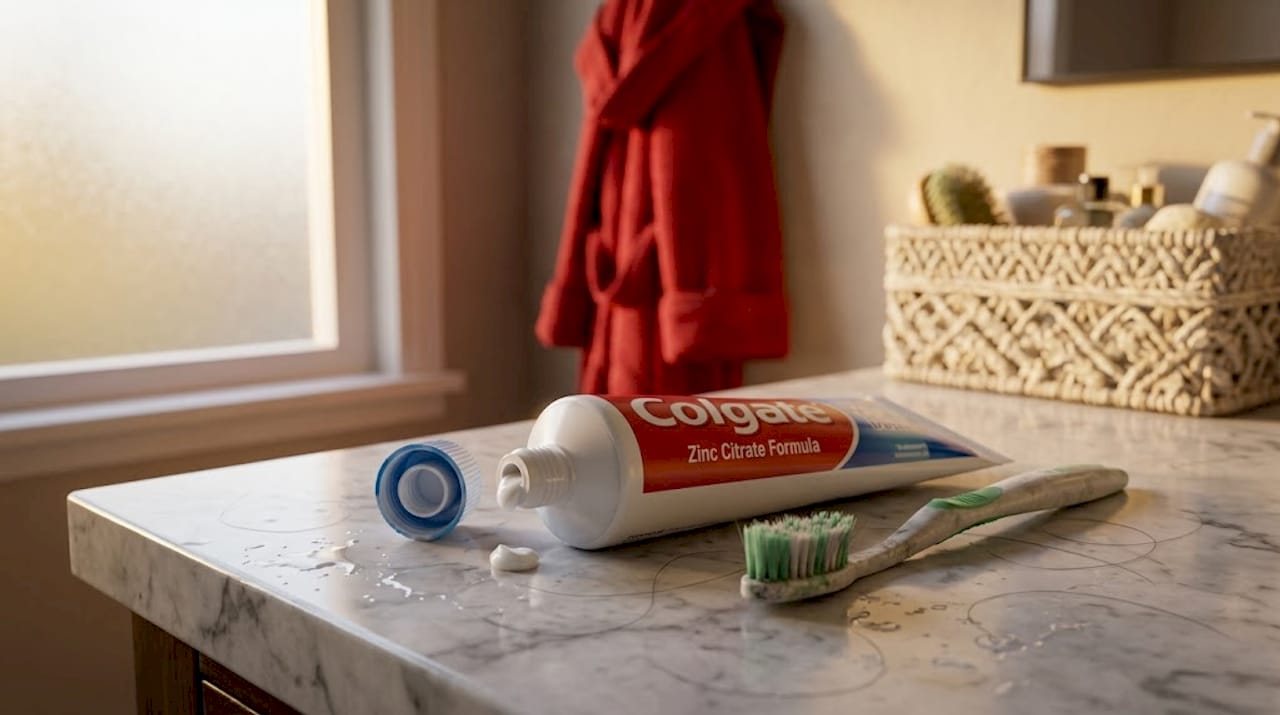
A six-week randomized double-blind trial with 115 participants found that zinc citrate toothpaste modulates species abundance, reducing bacteria associated with periodontitis while increasing taxa linked to gingival health. Crucially, this was achieved without reducing total microbial diversity, which is the defining outcome that separates microbiome modulation from microbiome suppression.
For probiotic formulations, the best probiotic toothpaste category is growing rapidly, but product quality varies considerably. A 2025 systematic review found consistent plaque control and gingival benefits from Lactobacillus paracasei strain toothpaste, with notable caveats: heterogeneity across studies was substantial, and meaningful periodontal outcomes required treatment durations of at least six months. For readers interested in the prebiotic dimension of this category, Stop-oralcare’s resource on prebiotic oral care provides a useful mechanistic overview.
Pro Tip: When evaluating any microbiome-friendly toothpaste, look for published clinical trial data on the specific strain or ingredient at the specific concentration used in the product. General claims about “probiotic bacteria” without strain-level specificity offer little predictive value.
The benefits of microbiome toothpaste, when formulated with validated ingredients, extend beyond oral health. Reduced oral dysbiosis may lower the burden of pathogenic bacteria entering the gastrointestinal tract, with potential downstream effects on gut microbial composition.
Choosing and using microbiome-friendly toothpaste effectively
Selecting a microbiome-safe oral care product requires applying several evaluative criteria rather than relying on marketing language alone.
- Demand strain-level specificity: For probiotic products, the genus and species designation (e.g., Lactobacillus paracasei DSMZ 16671) should be disclosed. Generic terms like “probiotic blend” do not allow for independent evidence review.
- Check the clinical evidence base: Products backed by randomized controlled trials with microbiome-specific endpoints are meaningfully different from those supported only by in vitro or animal studies.
- Avoid unnecessarily broad antimicrobials: Formulations relying heavily on chlorhexidine or triclosan for their primary action are categorically less compatible with microbiome preservation than those using targeted modulation ingredients.
- Consider the complete formulation: Surfactants, preservatives, and artificial sweeteners can independently alter mucosal environment. A product may carry a probiotic strain and still contain ingredients that undermine its effectiveness.
- Review for ingredient transparency: Microbiome-focused brands should disclose the concentration and source of active ingredients, not only list them.
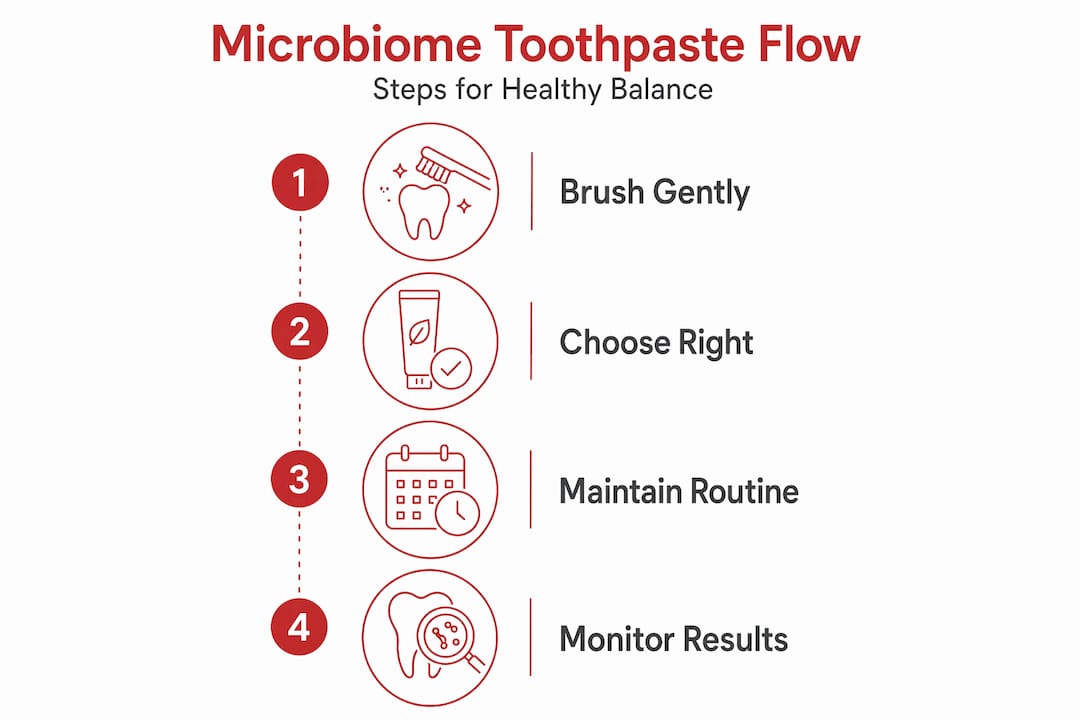
Sustained use is not optional for this category. Probiotic toothpaste benefits are dose and duration dependent, with short-term use producing inconsistent results across studies. Plan a minimum six-month evaluation period before drawing conclusions about efficacy.
Brushing technique also matters. Disrupting biofilm effectively requires two minutes of systematic brushing twice daily. Combining microbiome-friendly toothpaste with daily flossing and plaque control addresses biofilm in interproximal areas where toothpaste contact is minimal.
Pro Tip: Diet directly shapes the oral microbiome. Reducing fermentable carbohydrates limits the substrate available to cariogenic bacteria, compounding the effects of microbiome-modulating toothpaste and creating conditions that favor commensal species.
Emerging directions in microbiome-friendly oral care
The field of microbiome-targeted oral care is advancing at a pace that warrants attention from both clinicians and health-conscious consumers.
| Research direction | Current status | Anticipated impact |
|---|---|---|
| Metagenomics-guided product design | Active research phase | Personalized microbiome-targeted formulations |
| Bacteriophage-based biofilm control | Preclinical studies | Highly specific pathogen suppression |
| Postbiotic oral care | Early clinical trials | Microbiome benefits without live bacteria viability constraints |
| Oral-gut microbiome axis studies | Ongoing cohort studies | Validation of toothpaste for gut health claims |
| AI-assisted strain screening | Emerging | Faster identification of clinically effective probiotic strains |
Evidence-based evaluation of next-generation products will require clinical studies measuring microbiome endpoints over durations that reflect real-world brushing habits rather than short-term laboratory protocols. The integration of metagenomics allows researchers to track community-level changes with far greater resolution than culture-based methods permitted, which will improve both the specificity of product claims and regulatory accountability. For readers seeking a structured overview of how evidence standards apply to oral care decisions, Stop-oralcare’s resource on evidence-based oral hygiene outlines the relevant evaluative framework in accessible terms.
My perspective on microbiome-friendly toothpaste in clinical practice
I have reviewed a substantial body of clinical literature on microbiome modulation in oral care, and I find that the most persistent barrier to progress is not the science. It is the reflexive overvaluation of antibacterial potency as a proxy for oral care quality.
In my assessment, the field has long conflated “kills more bacteria” with “better for your mouth.” That conflation is not supported by the evidence. The zinc citrate randomized trial data demonstrate clearly that reducing specific taxa selectively, without collapsing overall microbial diversity, produces better gingival outcomes than broad-spectrum suppression. This is the direction clinical practice should prioritize.
Where I urge caution is with probiotic toothpaste marketing that overpromises short-term results. The systematic evidence on probiotic toothpaste is genuinely promising but unambiguous about one thing: benefits are gradual, strain-dependent, and contingent on sustained oral hygiene practices. Patients who switch to a probiotic toothpaste and abandon flossing or reduce brushing frequency will not see the outcomes the clinical literature describes. The toothpaste is one variable in a complex ecological system, not a standalone solution.
My recommendation is to apply the same rigor to toothpaste selection that you would apply to any evidence-based health decision. Review the ingredient list, identify the clinical backing for each active compound, and commit to a sufficient evaluation period before drawing conclusions.
— Veronica
Explore microbiome-safe oral care at Stop-oralcare
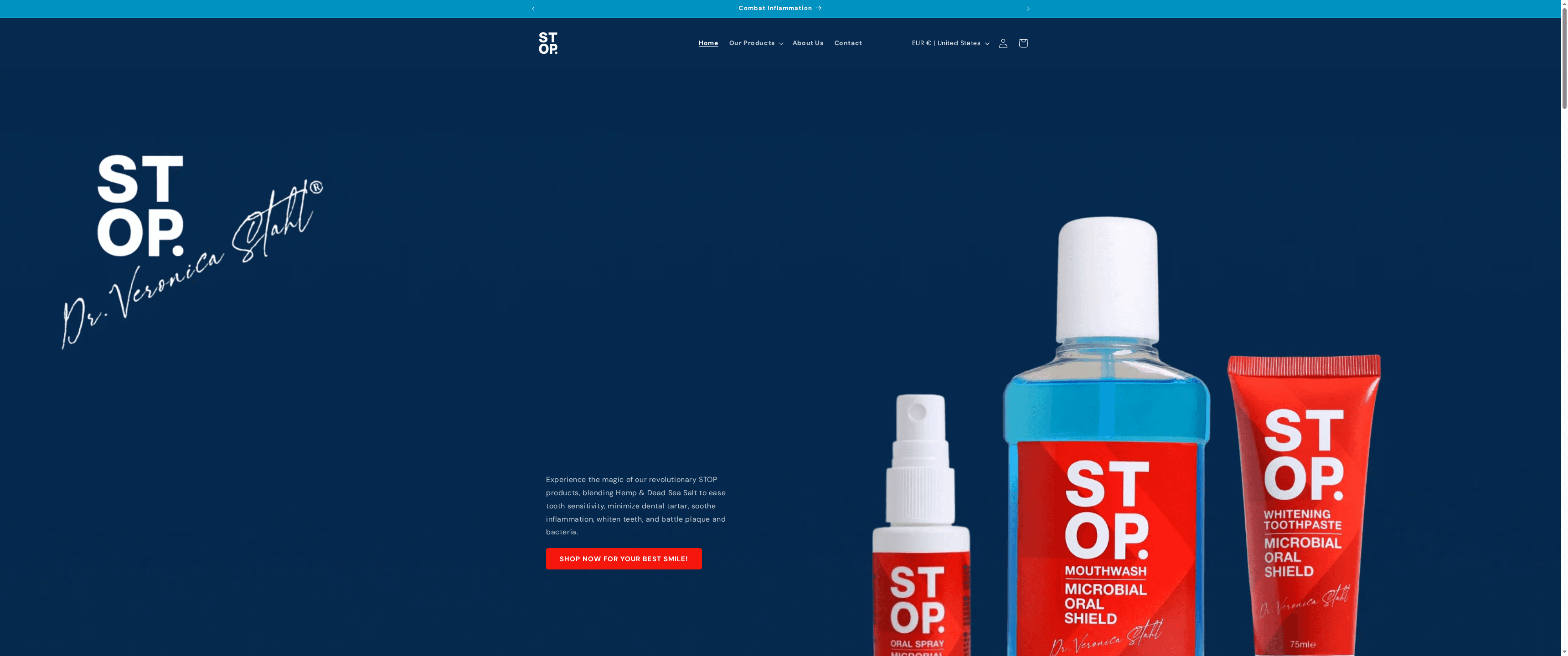
Stop-oralcare was founded on the principle that effective oral care does not require broad-spectrum chemical aggression. The product line developed under Dr. Veronica Stahl incorporates evidence-informed, naturally derived ingredients, including hemp-derived compounds and Dead Sea minerals, formulated with the oral microbiome in mind. These are fluoride-free options designed for consumers who want to support bacterial balance rather than disrupt it. Readers who want to apply the selection criteria outlined in this article can explore science-backed toothpaste picks curated specifically for microbiome health. For those ready to examine the full product range, the Stop-oralcare natural oral care products are available for review and purchase directly on the site.
FAQ
What is microbiome-friendly toothpaste?
Microbiome-friendly toothpaste is a formulation designed to modulate the oral microbial community by selectively targeting harmful bacteria while preserving beneficial species, rather than broadly eliminating all bacterial life. Ingredients such as zinc citrate, probiotic strains, and prebiotics are used to shift microbial ecology toward health-associated profiles.
How does microbiome-friendly toothpaste differ from regular toothpaste?
Conventional toothpaste disrupts plaque biofilm mechanically and may use broad-spectrum antibacterials that reduce total bacterial populations without selectivity. Microbiome-friendly formulations use targeted active ingredients that alter bacterial metabolism, substrate availability, or competitive dynamics to favor commensal species.
How long does it take for probiotic toothpaste to work?
Clinical evidence from a 2025 systematic review indicates that meaningful periodontal benefits from lactic acid bacteria toothpaste require at least six months of sustained daily use. Short-term effects on plaque and gingival inflammation are more consistent but less pronounced.
Is fluoride toothpaste harmful to the oral microbiome?
Fluoride does not kill bacteria directly. It strengthens enamel through remineralization and inhibits certain acid-producing metabolic pathways, making it one of the less microbiome-disruptive conventional ingredients. The ADA continues to recommend fluoride-containing toothpaste for anti-caries protection.
What ingredients should I look for when choosing microbiome-friendly toothpaste?
Prioritize products with zinc citrate, clinically validated probiotic strains identified at the species level (such as Lactobacillus paracasei), or prebiotic compounds. Look for transparency regarding ingredient concentration and supporting clinical trial data measuring microbiome-specific outcomes rather than general antimicrobial efficacy.
Recommended
- Discover the Best Toothpaste for Oral Microbiome: 10 Science‑Backed Pi – Stop Oral Care
- Why non-foaming toothpaste matters for healthy smiles – Stop Oral Care
- Oral microbiome: Why it matters for whole body health – Stop Oral Care
- A Comprehensive Guide to Choosing the Right Oral Microbiome Mouthwash – Stop Oral Care