

TL;DR:
- Sustainable packaging in oral care involves using recyclable, mono-material, or refillable formats to reduce environmental harm. Consumer behavior and regulatory mandates drive adoption, with recycling success depending heavily on proper disposal practices. Industry growth relies on product material innovation aligning with consumer education and sustainable practices.
Sustainable packaging in oral care is defined as the use of materials and design strategies that reduce environmental harm across a product’s full lifecycle, from raw material extraction through disposal. The role of sustainable packaging in oral care has moved beyond ethical preference. Regulatory mandates like the EU Packaging and Packaging Waste Regulation (PPWR), combined with measurable consumer demand from Gen Z and Millennial segments, have made it a primary commercial driver. The sustainable oral care packaging market is growing 3–5 times faster than conventional packaging. That growth rate signals a structural shift, not a trend.
How does sustainable packaging impact the environment and waste reduction in oral care?
Eco-friendly dental product packaging reduces environmental harm through three mechanisms: material substitution, design simplification, and end-of-life recyclability. Each mechanism addresses a different stage of the packaging lifecycle.
Material substitution replaces multi-layer laminates with single-polymer alternatives. Traditional toothpaste tubes combine polyethylene, aluminum foil, and adhesive layers. Separating those materials at a recycling facility is technically impractical. Mono-material HDPE (high-density polyethylene) tubes eliminate that problem by using one polymer throughout.
Design simplification reduces total material weight and the number of components. Fewer components mean fewer contamination risks and lower carbon output during manufacturing. Aluminum tubes take this further because aluminum is infinitely recyclable, provided tube gauge and sealing are precisely controlled to prevent cracking and leakage.
End-of-life recyclability depends heavily on consumer behavior. Contaminated toothpaste residue in uncleaned tubes blocks recycling streams, even when the tube material itself is technically recyclable. This is the most underreported barrier in the biodegradable oral care packaging conversation.
Key material categories currently in use include:
- Mono-material HDPE tubes: Fully recyclable in standard streams; the current industry benchmark for toothpaste.
- Post-consumer recycled (PCR) plastics: Reduce virgin plastic demand but require quality controls to maintain barrier performance.
- Aluminum tubes: Infinitely recyclable; require precise manufacturing to avoid structural failure.
- Bioplastics: Plant-derived and compostable under industrial conditions; not suitable for standard home composting.
- Paperboard and cardboard: Effective for secondary packaging like boxes; limited use for primary product contact.
Pro Tip: Squeeze tubes completely empty and rinse with warm water before placing them in recycling. Residual toothpaste is the primary contamination source that causes otherwise recyclable tubes to be rejected at sorting facilities.
Life-cycle carbon footprint analyses show that logistical complexity in refill programs can offset packaging-related emission reductions depending on supply chain efficiency. A refillable system with long-distance shipping may produce more carbon than a locally manufactured single-use recyclable tube. The full lifecycle must be evaluated, not just the packaging material in isolation.
What market trends and consumer behaviors are driving sustainable packaging adoption?
Consumer demand is the most direct commercial pressure on oral care brands to adopt eco-friendly packaging. 49% of Gen Z and 47% of Millennials are willing to pay a premium for sustainably packaged oral care products. That willingness to pay translates directly into margin expansion for brands that invest in certified sustainable materials.
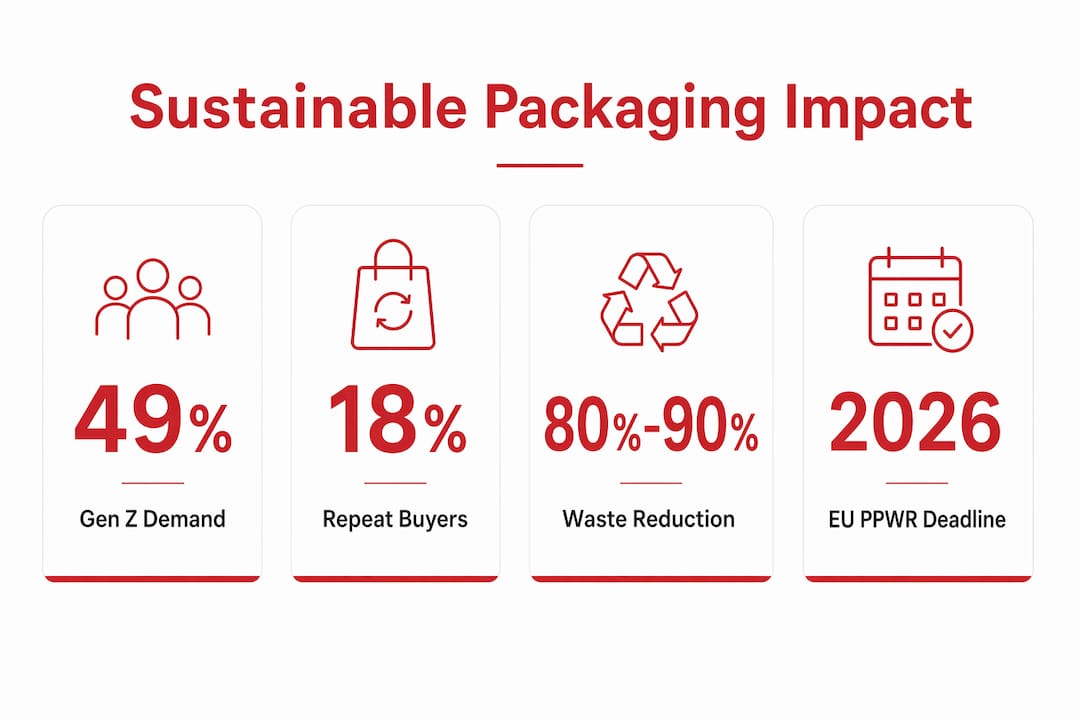
The commercial case strengthens further when repeat purchase behavior is measured. Sustainability-focused buyers show 18–25% higher repeat purchase rates and 2.3 times higher lifetime value than conventional buyers. Higher lifetime value means the upfront cost of sustainable material transitions is recoverable over a shorter customer relationship.
The “halo effect” of eco-friendly packaging also raises perceived product quality. Consumers associate sustainable packaging with cleaner formulations, better ingredient sourcing, and greater brand accountability. This perception shift enhances brand loyalty independent of the product formula itself. Brands investing in certifiable sustainable materials create higher consumer switching costs and justify pricing premiums, making sustainability a direct revenue driver rather than a cost center.
Demographic trends point to sustained growth in this segment. Gen Z is entering peak purchasing years. Millennials already represent the largest share of premium oral care spending. Both cohorts rank environmental responsibility among their top three brand selection criteria. Brands that delay sustainable packaging transitions risk losing these segments to competitors who have already made the shift.
The role of eco-packaging in oral care also extends to retail shelf performance. Retailers including major pharmacy chains and natural grocery networks now apply sustainability criteria to shelf placement decisions. Packaging certification from bodies like the Forest Stewardship Council (FSC) or compliance with ISO 14021 environmental claims standards directly affects distribution access.
What materials and technologies are most effective for sustainable oral care packaging?
Material selection for sustainable oral care packaging requires balancing recyclability, barrier performance, and regulatory compliance. No single material meets every requirement perfectly. The choice depends on the product format, distribution conditions, and target market regulations.

Aluminum vs. mono-material HDPE
Aluminum tubes are infinitely recyclable and carry strong consumer recognition as a premium, eco-conscious material. The trade-off is manufacturing precision. Thin-gauge aluminum risks cracking under mechanical stress, which compromises seal integrity and product stability. Brands using aluminum must invest in tighter quality controls throughout production.
Mono-material HDPE tubes are the current industry standard for recyclable toothpaste packaging. HDPE is accepted in most municipal recycling programs globally. It provides adequate barrier protection for standard toothpaste formulations and is compatible with high-speed filling lines. The limitation is that HDPE does not offer the same oxygen or moisture barrier as multi-layer laminates, which can affect shelf life for sensitive formulations.
PCR plastics and bioplastics
Post-consumer recycled plastics reduce virgin material demand and support circular economy principles. PCR content of 30–50% is now achievable in tube manufacturing without significant performance loss. Bioplastics derived from sugarcane or corn starch are compostable under industrial conditions but require dedicated composting infrastructure that most consumers do not have access to.
Regulatory compliance: EU PPWR 2026
The EU PPWR mandates recyclable packaging starting in august 2026, requiring brands to eliminate mixed laminates and meet minimum recycled content thresholds. This regulation directly eliminates the traditional multi-layer toothpaste tube from the European market. Brands selling into the EU must complete material transitions before that deadline or face distribution restrictions.
Pro Tip: When evaluating sustainable packaging claims, look for third-party certification from recognized bodies like the How2Recycle program or European RecyClass. Self-declared recyclability claims without independent verification are not reliable indicators of actual recyclability in your local waste stream.
For professionals reviewing sustainable oral care practices, the material transition timeline is now a compliance issue, not only a brand positioning decision. Brands that treated sustainability as optional marketing copy before 2024 are now facing mandatory reformulation of their packaging supply chains.
What practical steps can consumers and brands take to support eco-friendly packaging?
Both consumers and brands have specific, measurable actions available to accelerate the adoption of sustainable oral care packaging. The steps differ by role but reinforce each other when applied together.
For consumers:
- Choose products in mono-material or aluminum packaging. Check the packaging label for How2Recycle or RecyClass certification before purchasing. These marks indicate the packaging has been independently verified as recyclable in standard streams.
- Rinse and empty tubes before recycling. Residual product is the primary cause of tube rejection at sorting facilities. A 30-second rinse significantly improves recyclability outcomes.
- Consider refillable or concentrated formats. Subscription refill models reduce packaging waste by 80–90% compared to single-use formats. Concentrated tablets or powders eliminate the tube entirely.
- Read ingredient and packaging transparency disclosures. Brands that publish lifecycle assessments or material sourcing data are demonstrating accountability beyond marketing claims.
- Support brands with verifiable sustainability commitments. Purchasing decisions signal market demand. Consistent consumer preference for certified eco-friendly dental products accelerates industry-wide adoption.
For brands and manufacturers:
- Audit the full packaging portfolio against EU PPWR 2026 requirements. Mixed laminates must be phased out. Begin supplier qualification for mono-material alternatives immediately.
- Publish material transparency reports. Consumers and retail partners increasingly require documentation of recycled content percentages, carbon footprint data, and end-of-life recyclability rates.
- Invest in consumer education at the point of sale. Recycling behavior is the weakest link in the sustainable packaging chain. On-pack instructions and QR codes linking to disposal guidance improve actual recycling rates.
- Pilot refillable or concentrated product formats. The 80–90% waste reduction from refill programs represents a significant sustainability gain and a differentiated market position.
- Engage with take-back programs. Partnering with established collection networks closes the loop on packaging recovery and provides verifiable data for sustainability reporting.
Recycling infrastructure remains uneven across markets. A packaging format that is recyclable in Germany may not be accepted in rural United States collection programs. Brands operating across multiple markets must account for local infrastructure gaps when making recyclability claims. Overstating recyclability damages consumer trust and exposes brands to regulatory scrutiny under ISO 14021 and FTC Green Guides standards.
For consumers seeking guidance on eco-friendly oral hygiene choices, the most reliable approach is to prioritize certified packaging over self-declared claims and to treat refillable formats as the highest-impact option currently available. Research on how sustainable packaging influences patient retention in oral health contexts confirms that transparency and certification are the two factors most strongly associated with sustained consumer loyalty.
Key Takeaways
Sustainable packaging in oral care is now a regulatory requirement and a commercial advantage, not an optional brand position.
| Point | Details |
|---|---|
| Regulatory deadline is fixed | EU PPWR mandates recyclable packaging from august 2026, eliminating mixed laminates from the European market. |
| Consumer demand is measurable | 49% of Gen Z and 47% of Millennials will pay a premium for sustainably packaged oral care products. |
| Lifetime value increases significantly | Eco-conscious buyers show 2.3 times higher lifetime value than conventional buyers, offsetting transition costs. |
| Refillables offer the highest waste reduction | Subscription refill models reduce packaging waste by 80–90% compared to standard single-use formats. |
| Consumer behavior is the critical gap | Even recyclable packaging fails if consumers do not clean tubes before disposal, blocking recycling streams. |
Why the packaging conversation in oral care is more complex than it appears
The industry narrative around sustainable packaging tends to focus on materials. Brands announce mono-material tube transitions, publish recycled content percentages, and earn certification marks. That work matters. But the part of the conversation that receives far less attention is consumer behavior at the point of disposal.
From my perspective as a clinician and researcher in natural oral health, the most significant barrier to realizing the environmental benefits of eco-friendly packaging is not material science. It is the gap between what packaging can do and what consumers actually do with it. A certified recyclable tube that goes into a landfill because the consumer did not know to rinse it is functionally identical to a non-recyclable tube. The environmental outcome is the same.
Brands have a responsibility to close that gap through on-pack education, not just material certification. The oral care category has a unique advantage here: consumers interact with these products twice daily. That frequency creates repeated opportunities to reinforce correct disposal behavior. No other consumer goods category has that level of daily touchpoint access.
The regulatory pressure from EU PPWR 2026 will force material transitions across the industry. That is a necessary and overdue development. But the circular economy in oral care packaging will not function at scale until consumer education matches the pace of material innovation. The two must advance together.
— Veronica
Natural oral care products with sustainability at their core
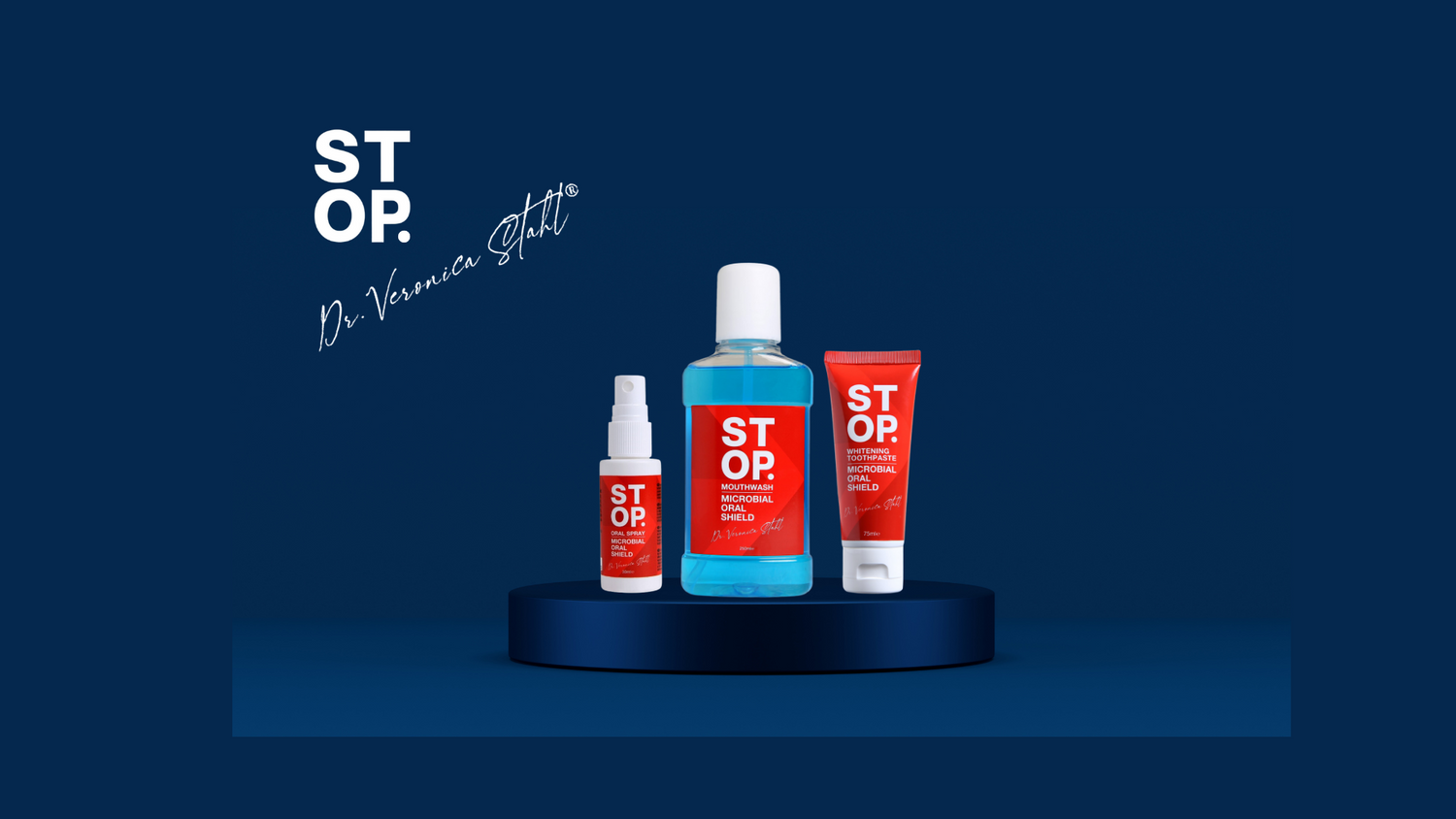
Stop-oralcare formulates its products with natural ingredients, including hemp and Dead Sea minerals, and applies the same evidence-based standards to packaging decisions that it applies to product development.
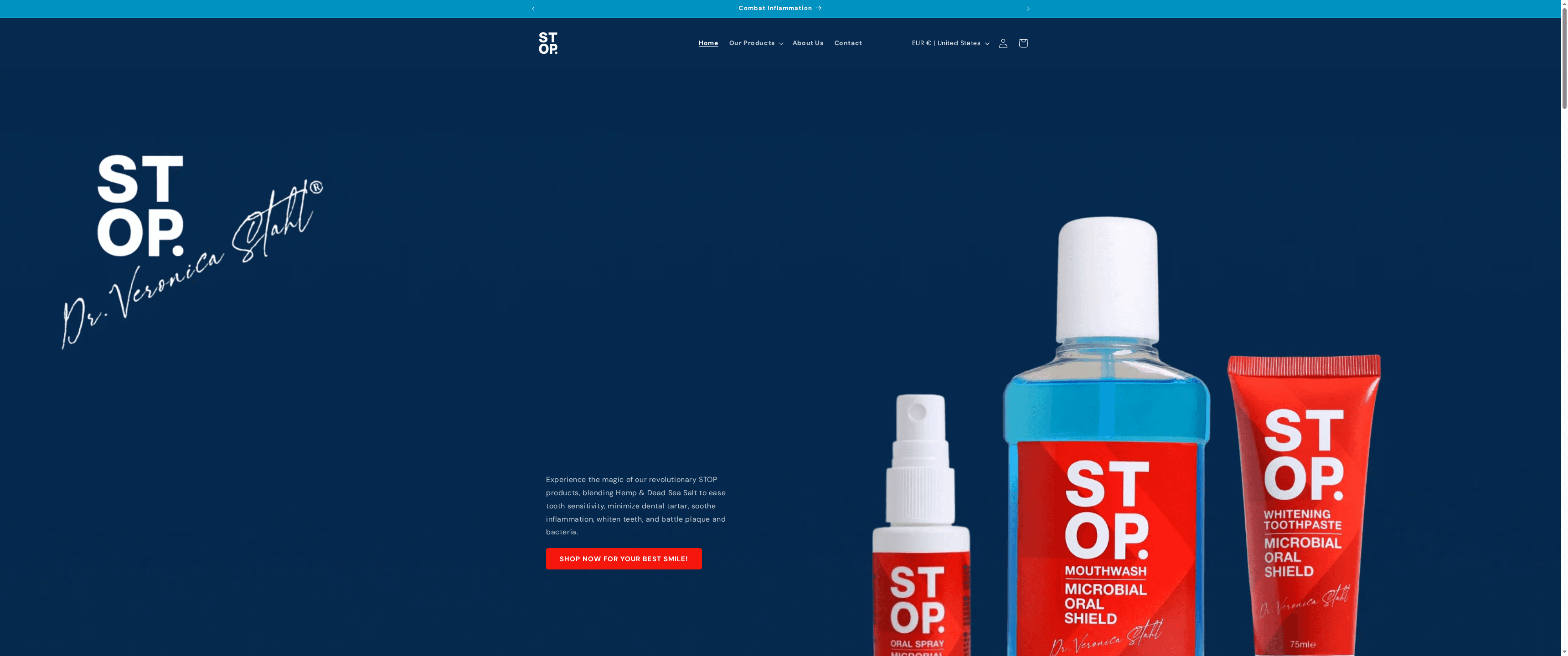
Consumers who prioritize both oral health outcomes and environmental responsibility will find that Stop-oralcare’s product line reflects both commitments. The brand’s approach to natural oral care combines fluoride-free formulations with transparent ingredient sourcing and packaging choices aligned with current sustainability standards. For professionals and consumers seeking oral care products that meet scientific and environmental criteria without compromise, Stop-oralcare provides a documented, research-backed option.
FAQ
What is sustainable packaging in oral care?
Sustainable packaging in oral care uses materials and designs that reduce environmental harm across the full product lifecycle, including recyclable, mono-material, or refillable formats that minimize landfill contribution.
Why does packaging material matter for oral health products?
Packaging material affects both environmental outcomes and product integrity. Barrier performance, seal quality, and material safety all influence whether an oral care product remains stable and uncontaminated from manufacture to use.
What materials are most recyclable for toothpaste tubes?
Mono-material HDPE tubes are currently the most widely recyclable option, accepted in most municipal programs. Aluminum tubes are infinitely recyclable but require precise manufacturing controls to maintain structural integrity.
How do refillable oral care formats reduce waste?
Subscription refill models and concentrated formats reduce packaging waste by 80–90% compared to standard single-use packaging, making them the highest-impact option currently available to consumers.
What does EU PPWR mean for oral care brands?
The EU Packaging and Packaging Waste Regulation, effective august 2026, mandates recyclable packaging and minimum recycled content, requiring brands to eliminate multi-layer laminate tubes from European markets.