

TL;DR:
- Natural oral detox involves natural methods like oil pulling, tongue scraping, and herbal rinses to reduce harmful bacteria and balance the oral microbiome locally. These practices improve gum health, breath, and microbial balance when used consistently, but they do not remove systemic toxins or replace professional dental care. Short-term cleanses cannot sustainably reset the microbiome, and abrasive products like activated charcoal can damage enamel if used excessively.
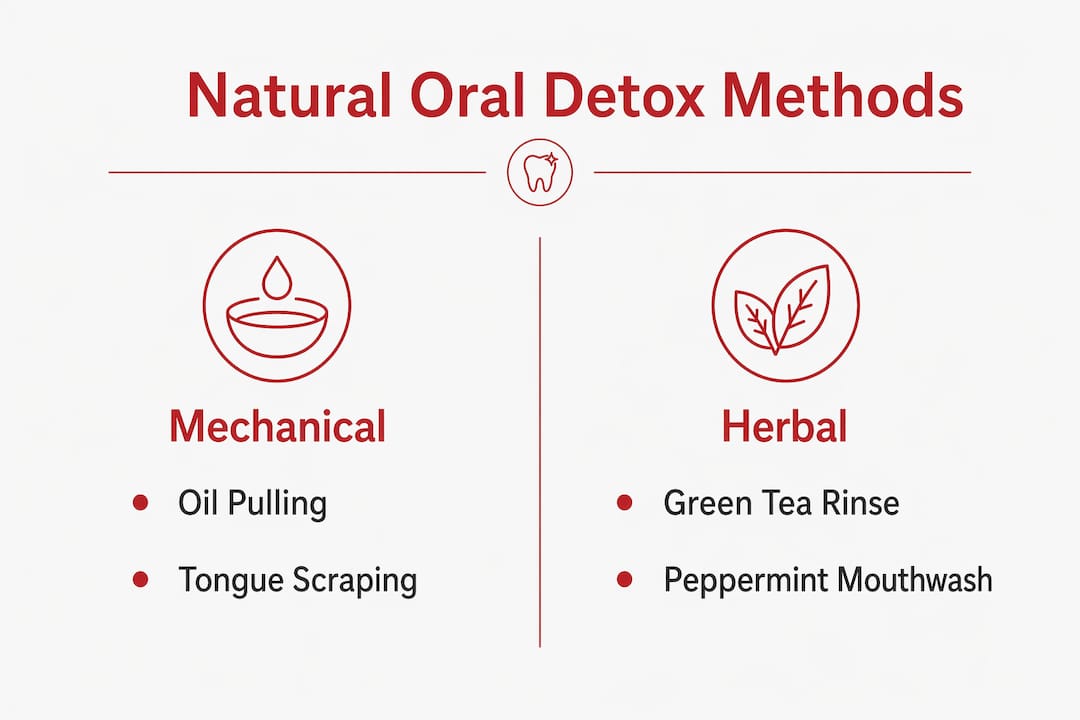
Natural oral detox is defined as the targeted reduction of harmful oral bacteria and the restoration of a balanced oral microbiome using natural methods such as oil pulling, tongue scraping, and herbal rinses. This process operates locally within the mouth. It does not remove systemic toxins from the body. That function belongs to the liver and kidneys. Understanding what is natural oral detox means recognizing it as a supportive oral hygiene practice, not a whole-body cleanse. The clinical evidence behind these methods is growing, and when applied correctly alongside regular brushing and flossing, they offer measurable benefits for gum health, breath quality, and microbial balance.
What does science say about natural oral detox methods?
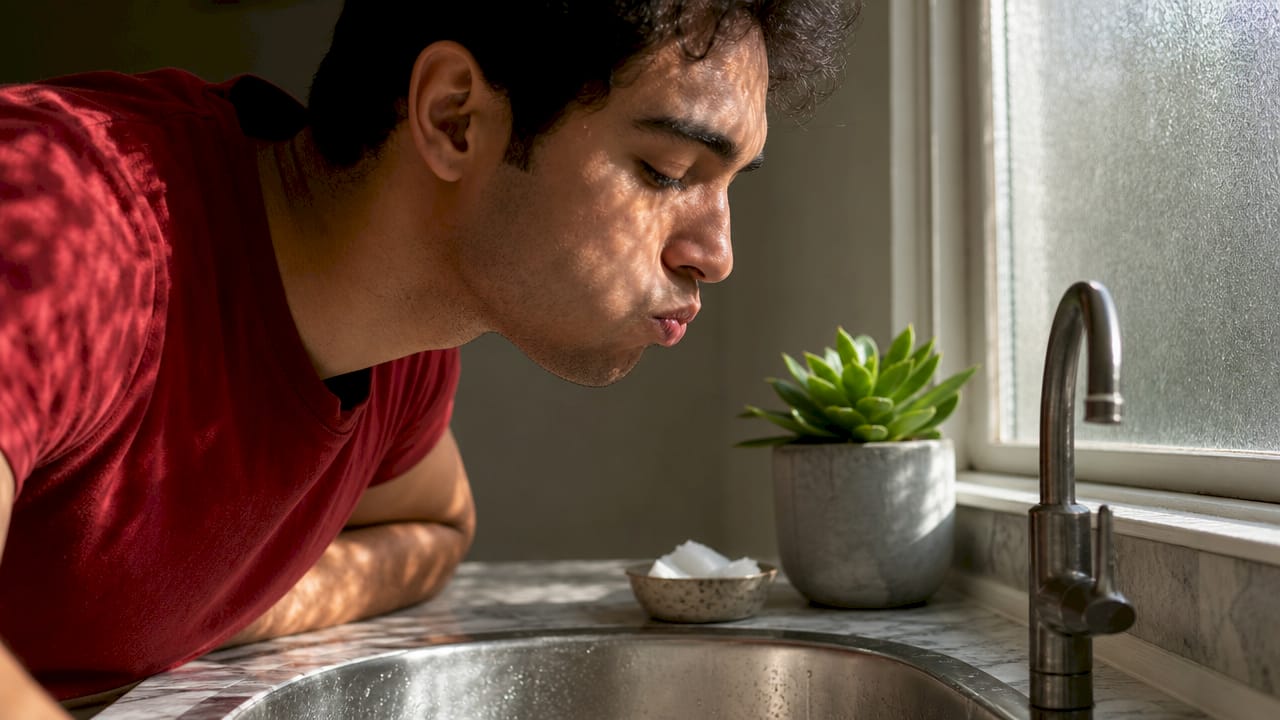
Oil pulling is the most studied natural oral detox technique. Daily oil pulling for 10–20 minutes mechanically reduces pathogenic bacteria like Streptococcus mutans, lowering gum inflammation and plaque accumulation. The mechanism is not mystical. Oil pulling works through saponification, a process in which oil emulsifies oral lipids and physically traps bacteria, which are then expelled when you spit out the oil. This is a mechanical effect, not a chemical or systemic one.
Herbal rinses represent a second category of evidence-supported oral detox methods. Rinses formulated with green tea, peppermint, or neem extract carry documented antibacterial and anti-inflammatory properties. Green tea contains catechins that inhibit bacterial adhesion to tooth surfaces. Peppermint oil disrupts the cell membranes of gram-positive bacteria commonly found in dental plaque.
Tongue scraping removes the soft, bacteria-laden coating that accumulates on the tongue’s surface overnight. This coating, called a biofilm, contributes directly to volatile sulfur compound production, which causes bad breath. Removing it mechanically each morning reduces the bacterial load before it can spread to other oral surfaces.
Key evidence-based points on natural oral detox methods:
- Oil pulling reduces Streptococcus mutans and lowers plaque scores in clinical settings
- Herbal rinses with green tea and peppermint show antibacterial activity against common oral pathogens
- Tongue scraping reduces volatile sulfur compounds, the primary cause of halitosis
- A structured 7-day plan using these combined methods shows measurable improvement in breath and gum health within one week
- No FDA or ADA approval exists for dental detox products; these methods are adjuncts, not replacements for brushing and flossing
Pro Tip: Use cold-pressed coconut or sesame oil for oil pulling. Both have documented antimicrobial properties. Refined or processed oils lack the same active lipid composition.
What are the biggest myths about oral detoxification?
Oral detoxification explained accurately requires confronting several persistent misconceptions. The most common is the claim that oral detox removes toxins from the bloodstream or organs. No peer-reviewed evidence supports this. The mouth’s detox function operates through saliva and oral microbiome balance, affecting local inflammation, not systemic toxin filtration.
The following myths cause the most harm among people seeking natural oral care:
- “Oil pulling detoxifies the blood.” Oil pulling’s effect is purely mechanical. It emulsifies and removes bacteria from oral surfaces. It does not cross mucosal barriers to filter the bloodstream.
- “Activated charcoal toothpaste is a safe detox option.” Activated charcoal can cause permanent enamel damage and increased tooth sensitivity with long-term use. Its abrasive index exceeds safe thresholds for daily use.
- “A one-week oral detox resets your microbiome permanently.” Microbiome balance requires ongoing daily habits. A single short-term cleanse does not produce lasting structural changes in the oral bacterial community.
- “Natural means safe at any dose or frequency.” Overuse of acidic herbal rinses, such as undiluted apple cider vinegar, erodes enamel. Frequency and dilution matter as much as ingredient choice.
- “Oral detox can replace professional dental cleanings.” Natural detox methods are adjuncts. They do not remove calcified tartar, which requires professional scaling.
“Oral health is best maintained by preserving a balanced oral microbiome rather than attempting short-term extreme cleanse ‘detoxes.’ Sustainable daily habits produce results that no single-week protocol can replicate.”
The role of saliva in natural oral cleansing is frequently underestimated. Saliva contains lysozyme, lactoferrin, and immunoglobulin A, all of which actively suppress pathogenic bacteria. Staying well hydrated supports saliva production and is the simplest, most overlooked oral detox strategy available.
How to detox your mouth safely and effectively
A practical natural oral cleanse routine does not require expensive products or complicated protocols. The methods below are supported by clinical evidence and can be integrated into a standard morning hygiene routine.
Daily oil pulling
- Use 1 tablespoon of cold-pressed coconut or sesame oil
- Swish for a full 10–20 minutes to allow proper emulsification
- Do not gargle or swallow the oil; it contains expelled bacteria after pulling
- Spit into a trash can, not the sink, to avoid clogging drains
- Rinse with water, then brush normally
Tongue scraping
- Use a stainless steel or copper tongue scraper each morning before eating or drinking
- Apply gentle, even pressure from the back of the tongue to the tip
- Rinse the scraper between passes
- Two to three passes are sufficient for most people
Herbal rinses
- Brew unsweetened green tea and allow it to cool; use as a rinse for 30–60 seconds after brushing
- Peppermint-based rinses are available in fluoride-free formulations from natural oral care brands
- Avoid rinses with alcohol as the primary base; alcohol dries oral tissues and disrupts microbiome balance
Dietary and hydration support
- Hydrating foods and herbal teas support saliva flow and oral tissue health, reinforcing natural oral detoxification pathways
- Whole foods rich in fiber stimulate saliva production mechanically during chewing
- A whole-foods diet reduces fermentable sugars that feed acid-producing bacteria
Pro Tip: Schedule oil pulling before your morning coffee or breakfast. An empty stomach reduces the risk of nausea and ensures the oil contacts oral surfaces before food residue accumulates.
A 7-day oral detox plan combines all four elements: oil pulling each morning, tongue scraping before breakfast, a green tea rinse after lunch, and increased water intake throughout the day. Holistic dental practitioners report measurable clinical results within one week of consistent application.
Comparing natural oral detox techniques
Each oral detox method targets a different mechanism. Understanding these differences helps you select the right combination for your specific oral health goals.
| Method | Mechanism | Primary benefit | Recommended frequency | Key precaution |
|---|---|---|---|---|
| Oil pulling | Mechanical emulsification of bacteria | Reduces Streptococcus mutans and plaque | Daily, 10–20 minutes | Do not swallow; spit into trash |
| Tongue scraping | Physical removal of surface biofilm | Reduces halitosis-causing sulfur compounds | Daily, 2–3 passes | Use light pressure to avoid tissue irritation |
| Herbal rinses | Antibacterial and anti-inflammatory compounds | Reduces gum inflammation and pathogen adhesion | Once or twice daily | Dilute acidic rinses; avoid alcohol-based formulas |
| Dietary support | Stimulates saliva; reduces fermentable sugar | Supports microbiome balance and tissue health | Ongoing daily habit | Limit citrus frequency to protect enamel |
Combining these methods produces a synergistic effect. Oil pulling reduces the bacterial load first. Tongue scraping removes the surface biofilm. Herbal rinses address residual inflammation. Dietary changes sustain the microbiome environment that makes all three methods more effective over time. Oral detox supports oral health best when combined regularly with mechanical hygiene and dietary habits, not as a periodic cleanse.
The methods most likely to cause harm are those marketed with the strongest detox claims. Activated charcoal products, oil-based whitening strips, and high-abrasive “detox” toothpastes carry the highest risk of enamel erosion. Long-term use of abrasive detox products may cause irreversible enamel erosion, leading to heightened sensitivity requiring restorative intervention. That outcome is the opposite of what any detox protocol should achieve.
Key Takeaways
Natural oral detox reduces harmful oral bacteria and restores microbiome balance through evidence-based methods like oil pulling, tongue scraping, and herbal rinses, used consistently alongside standard dental hygiene.
| Point | Details |
|---|---|
| Definition of oral detox | Natural oral detox targets local bacterial reduction and microbiome balance, not systemic toxin removal. |
| Oil pulling mechanism | Mechanical emulsification removes Streptococcus mutans and plaque; requires 10–20 minutes daily to work. |
| Myth: systemic detox | No clinical evidence supports oral detox removing toxins from the blood or organs. |
| Activated charcoal risk | Long-term use causes irreversible enamel erosion and increased tooth sensitivity. |
| Sustainable approach | Daily habits combining oil pulling, tongue scraping, herbal rinses, and hydration outperform any short-term cleanse. |
My clinical view on what oral detox can and cannot do
Patients frequently arrive with two opposing misconceptions. One group believes natural oral detox is pseudoscience with no clinical value. The other believes a weekly oil-pulling session will undo years of poor oral hygiene. Both positions miss the evidence.
What I have observed consistently is that the people who benefit most from natural oral detox methods are those who treat them as daily maintenance, not periodic interventions. Oil pulling done three times a week produces far less measurable benefit than oil pulling done every morning for 30 days. The microbiome does not respond to occasional disruption. It responds to consistent environmental pressure.
The area where I see the most clinical harm is in the category of abrasive “detox” products. People who switch from standard fluoride toothpaste to high-abrasive activated charcoal formulas in the name of natural care often present within 12–18 months with enamel thinning and sensitivity. The word “natural” does not equal “safe at any frequency.” This distinction matters enormously in clinical practice.
My recommendation is to approach oral detox as a complement to, not a replacement for, professional dental care. Use oil pulling, tongue scraping, and herbal rinses to support your microbiome between appointments. Avoid products that promise dramatic results through abrasion or extreme cleansing. The mouth is not a system that benefits from shock protocols. It benefits from consistency, balance, and evidence-based ingredient choices.
— Veronica
Natural oral care products worth considering
Stop-oralcare formulates fluoride-free dental care products using hemp and Dead Sea minerals, two ingredient categories with documented antibacterial and anti-inflammatory properties. These products are designed to complement the natural oral detox methods described in this article, not replace the mechanical hygiene steps that clinical evidence requires.

If you are building a natural oral cleanse routine and want products that align with the science, Stop-oralcare offers fluoride-free oral care options developed under the guidance of Dr. Veronica Stahl, a specialist in dentistry and natural medicine. The product line includes toothpaste, mouthwash, and oral sprays formulated for people who want effective natural alternatives without compromising on safety or clinical credibility. You can also review the common oral health mistakes that undermine natural care routines before selecting a protocol.
FAQ
What is natural oral detox, exactly?
Natural oral detox is the practice of reducing harmful oral bacteria and restoring microbiome balance using methods like oil pulling, tongue scraping, and herbal rinses. It is a local oral health process, not a systemic detoxification of the body.
Does oil pulling actually remove toxins from the body?
No. Oil pulling works through mechanical emulsification, physically trapping and removing bacteria from oral surfaces. It does not cross mucosal barriers or filter toxins from the bloodstream.
Is activated charcoal toothpaste safe for oral detox?
Activated charcoal toothpaste carries a documented risk of permanent enamel damage and increased tooth sensitivity with long-term use. Dental experts classify it as too abrasive for regular daily use.
How long does a natural oral detox take to show results?
Holistic dental practitioners report measurable improvement in breath quality and gum health within one week of consistent daily application of oil pulling, tongue scraping, and herbal rinses.
Can natural oral detox replace professional dental cleanings?
No. Natural oral detox methods are adjuncts to professional care. They do not remove calcified tartar, which requires professional scaling, and they do not substitute for clinical examination and treatment.