

TL;DR:
- Conventional dental products often contain heavy metal contaminants, synthetic detergents, and preservatives that pose health risks and disrupt the oral microbiome. Natural alternatives like nano-hydroxyapatite and organic toothpastes offer biocompatible, clinically supported options for remineralization and microbiome support. Transitioning requires label reading and switching to formulations with verified ingredients, reducing exposure to toxic chemicals and microplastics.
Conventional dental products are defined by the systematic inclusion of synthetic detergents, industrial preservatives, and measurable heavy metal contaminants that pose documented risks to oral and systemic health. The case for why avoid conventional dental products is grounded in toxicology, microbiology, and environmental science rather than consumer preference alone. Mass-market toothpastes and mouthwashes sold under globally recognized brands routinely contain sodium lauryl sulfate (SLS), parabens, triclosan, titanium dioxide, and propylene glycol. Testing of 51 toothpaste brands published in May 2026 found that 90% contained lead, 65% arsenic, 47% mercury, and 35% cadmium as contaminants. Natural alternatives, including nano-hydroxyapatite (nHAp) formulations and certified organic toothpastes, offer biocompatible options with clinical evidence supporting their effectiveness.
What harmful ingredients are found in conventional dental products?
The risks of conventional toothpaste begin at the ingredient level, where synthetic compounds serve manufacturing convenience rather than oral health outcomes. SLS, the detergent responsible for the foaming action in most commercial toothpastes, is linked to canker sores, gum irritation, and cytotoxicity at the cellular level. This means repeated daily exposure to SLS can compromise the integrity of the oral mucosal lining, the first barrier of immune defense in the mouth.
Parabens, used as preservatives in many conventional formulas, function as endocrine disruptors by mimicking estrogen in the body. Triclosan, once a common antibacterial agent in toothpaste brands including Colgate Total, was banned by the U.S. Food and Drug Administration (FDA) in 2016 for consumer soaps, yet residual concerns about its presence in oral care products persist. Titanium dioxide, added for whitening opacity, and propylene glycol, used as a humectant, carry additional safety questions regarding mucosal absorption and systemic exposure.
The heavy metal contamination data is particularly significant. Testing of 51 toothpaste brands found:
- Lead present in 90% of tested products
- Arsenic detected in 65% of brands
- Mercury identified in 47% of formulations
- Cadmium found in 35% of products
These are not trace amounts from incidental environmental exposure. They represent systemic contamination in products applied to mucosal tissue twice daily, every day. Given that the oral mucosa is highly permeable, the bioavailability of these metals through oral use is a legitimate clinical concern, not a theoretical one.
How do conventional products affect the oral microbiome and systemic health?
The oral microbiome is a complex biofilm community of over 700 bacterial species that regulates local immunity, pH balance, and inflammatory signaling throughout the body. Disrupting this ecosystem with synthetic detergents and antimicrobial agents does not selectively eliminate pathogens. It reduces overall microbial diversity, which is associated with increased susceptibility to periodontal disease, oral candidiasis, and systemic inflammatory conditions.
Holistic dentistry approaches treat the mouth as an ecosystem connected to whole-body health, specifically discouraging products that disrupt microbial balance. This perspective is supported by research linking oral dysbiosis to cardiovascular disease, diabetes, and adverse pregnancy outcomes. The mechanism is direct: a disrupted oral microbiome allows pathogenic bacteria to translocate into the bloodstream via inflamed gingival tissue.
Alcohol-based mouthwashes compound this problem. Alcohol-based mouthwashes disrupt oral microbiome balance, causing dryness and irritation compared to alcohol-free, natural options. Chronic xerostomia (dry mouth) from alcohol exposure reduces salivary flow, which is the mouth’s primary self-cleaning and remineralizing mechanism. The result is a cycle of chemical dependency where conventional products create the conditions that appear to require more conventional products.
Pro Tip: When evaluating a mouthwash, check for ethanol in the first five ingredients. If it appears there, the formula prioritizes antiseptic action over microbiome preservation. Alcohol-free options with xylitol or plant-based antimicrobials support microbial balance without collateral damage.
For readers seeking a deeper understanding of this dynamic, the Stop-oralcare guide on microbiome-friendly toothpaste explains the specific mechanisms by which synthetic chemicals alter microbial ecology.
What are the natural and biocompatible alternatives to conventional products?
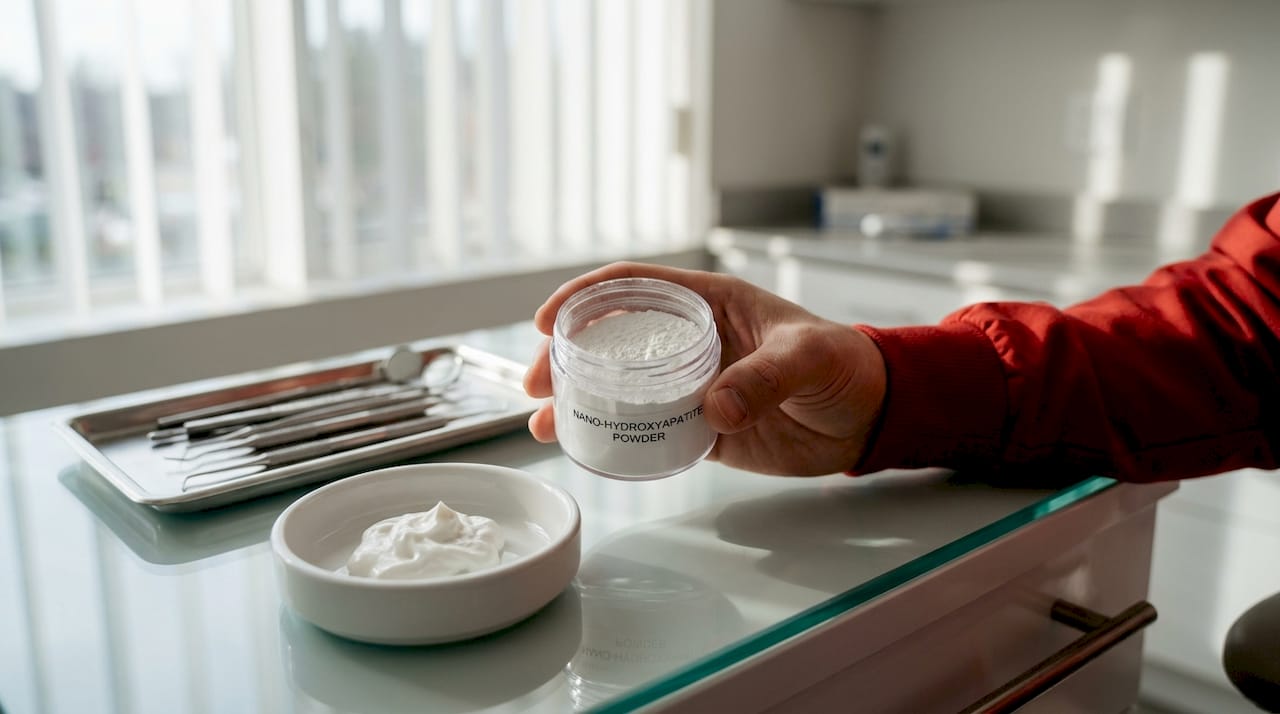
Nano-hydroxyapatite (nHAp) is the most clinically validated natural alternative to fluoride for enamel remineralization. Hydroxyapatite is the primary mineral constituent of human tooth enamel and dentin, making nHAp a biomimetic agent that integrates directly into tooth structure rather than forming a temporary surface coating. A 2026 in vitro study of 96 dentin specimens confirmed that nHAp at ≥10% concentration effectively remineralizes enamel and restores dentin microhardness. This concentration threshold is critical because many commercial nHAp products fall below it, undermining their therapeutic potential regardless of marketing claims.
Fluoride, by contrast, forms a temporary protective layer but does not rebuild lost enamel. Concerns also exist regarding fluoride accumulation in the pineal gland and potential systemic effects from chronic ingestion, particularly in children. Growing interest in non-fluoride remineralization agents such as calcium phosphates and plant polyphenols reflects the demand for biocompatible alternatives among fluoride-sensitive patients.
| Feature | Fluoride toothpaste | Nano-hydroxyapatite (nHAp) toothpaste |
|---|---|---|
| Enamel rebuilding | Surface protection only | Direct biomimetic integration |
| Safety profile | Systemic concerns at high doses | Biocompatible, non-toxic |
| Effective concentration | Standard ADA-recommended levels | Minimum 10% nHAp required |
| Microbiome impact | Neutral to mildly disruptive | Supportive of microbial balance |
| Regulatory status | Widely approved | Approved in EU, Japan, Canada |
Beyond nHAp, organic toothpaste formulations incorporate baking soda (sodium bicarbonate) as a gentle abrasive with documented antibacterial properties, coconut oil for its lauric acid content and antimicrobial activity, and botanical extracts such as neem, myrrh, and green tea polyphenols. These ingredients address plaque control and gingival health without synthetic surfactants or preservatives.
Pro Tip: When selecting a natural toothpaste, verify that nHAp appears at or near the top of the ingredient list and that the product specifies a concentration of at least 10%. A product listing “hydroxyapatite” without concentration data offers no clinical guarantee.
The Stop-oralcare resource on remineralizing toothpaste without fluoride provides a detailed breakdown of biocompatible remineralization approaches for consumers making this transition.
What environmental and health risks come from microplastics in dental products?
Microplastic contamination in oral care is an emerging and underreported concern. Dental materials and products including toothbrush bristles, dental floss coatings, clear aligners, and composite restorations shed micro and nanoplastic debris during routine use and clinical procedures. These particles are small enough to penetrate oral mucosal tissue and enter systemic circulation.
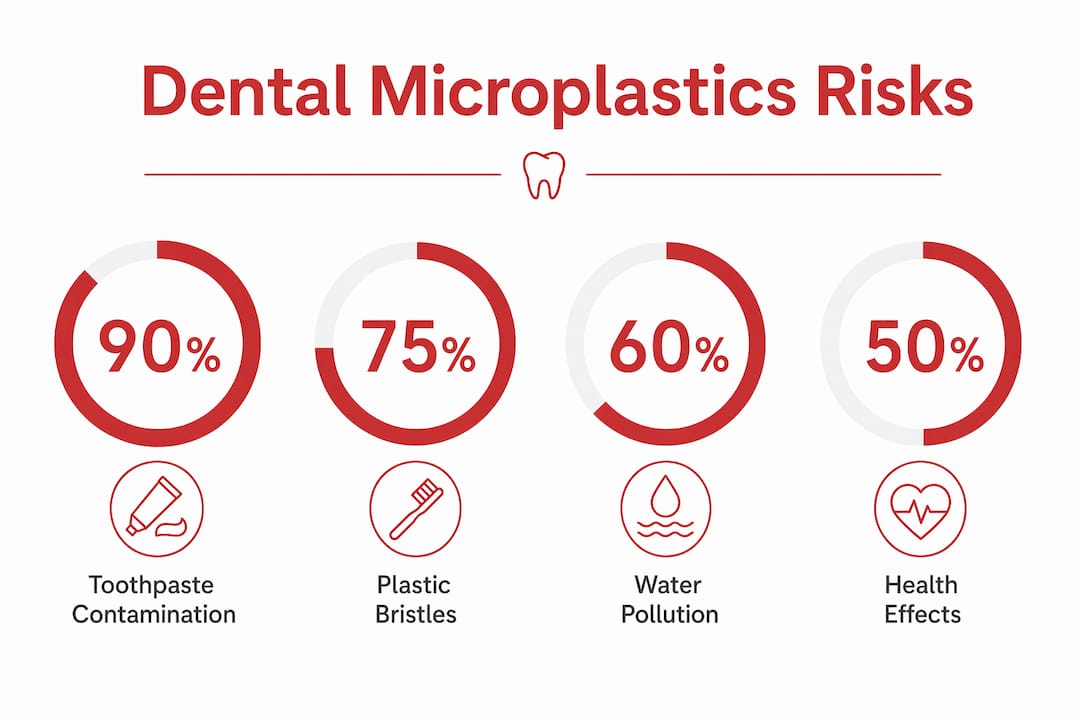
The biological consequences of microplastic exposure in the oral cavity include oxidative stress, localized inflammatory responses, and potential disruption of the oral microbiome. Nanoplastics, defined as particles below 1 micrometer, present the greatest concern because their size allows cellular uptake. Research published in 2025 identified dental materials as a previously underestimated source of nanoplastic exposure in daily life.
| Source | Plastic type | Exposure route |
|---|---|---|
| Toothbrush bristles | Nylon, polyester | Abrasion during brushing |
| Dental floss coatings | PTFE (Teflon) | Direct mucosal contact |
| Clear aligners | Polyurethane, PET | Prolonged oral retention |
| Composite restorations | Bisphenol-A derivatives | Leaching during setting |
Environmental impact extends beyond individual exposure. Microplastics from oral care product waste enter wastewater systems and accumulate in aquatic ecosystems. Regulatory bodies in the European Union have begun restricting intentionally added microplastics in cosmetic and personal care products, a category that includes toothpaste. Consumers who switch to natural alternatives with biodegradable packaging and plastic-free formulations reduce both personal exposure and environmental load simultaneously.
How can you safely transition to non-toxic dental products?
Transitioning to safer oral hygiene options requires systematic label evaluation rather than reliance on marketing terminology. The terms “natural,” “clean,” and “whitening” carry no regulatory definition in the United States, meaning any product can use them regardless of ingredient composition. Effective label reading focuses on identifying specific compounds rather than front-of-package claims.
Red flag ingredients to avoid include:
- Sodium lauryl sulfate (SLS) and sodium laureth sulfate (SLES): synthetic detergents linked to mucosal irritation
- Parabens (methylparaben, propylparaben): endocrine-disrupting preservatives
- Triclosan: antimicrobial agent with documented microbiome disruption
- Artificial sweeteners such as saccharin: unnecessary chemical load with no oral health benefit
- Titanium dioxide: whitening agent with unresolved mucosal absorption data
Certified organic products with short, recognizable ingredient lists are the most reliable starting point. Organizations including the USDA National Organic Program and COSMOS Organic provide third-party certification that verifies ingredient sourcing and formulation standards.
Switching from conventional to natural dental products requires consumer adaptation due to sensory differences, but results in less irritation and supports oral ecosystem health. The most common adjustment is reduced foam. SLS produces the lather consumers associate with cleaning efficacy, but foam volume has no correlation with plaque removal. Natural toothpastes using baking soda or calcium carbonate as abrasives achieve equivalent plaque disruption without the detergent load.
Pro Tip: Allow a two-week adjustment period when switching to a natural toothpaste. During this time, some users notice changes in taste and texture. These sensory shifts reflect the absence of synthetic flavoring agents and surfactants, not reduced effectiveness.
Complementary habits that reinforce the benefits of natural oral care include oil pulling with unrefined coconut oil, tongue scraping to reduce bacterial load, and dietary reduction of fermentable carbohydrates that feed cariogenic bacteria. For product selection guidance, the Stop-oralcare comparison of natural vs. conventional toothpaste provides a structured ingredient-level analysis.
Key takeaways
Conventional dental products contain documented chemical and heavy metal contaminants that disrupt the oral microbiome and systemic health, while biocompatible alternatives including nano-hydroxyapatite formulations and certified organic toothpastes offer clinically supported, safer oral hygiene options.
| Point | Details |
|---|---|
| Heavy metal contamination | 90% of tested toothpaste brands contain lead; arsenic, mercury, and cadmium are also prevalent. |
| SLS and microbiome disruption | Synthetic detergents damage mucosal tissue and reduce oral microbial diversity with daily use. |
| nHAp effectiveness threshold | Nano-hydroxyapatite must reach at least 10% concentration to deliver clinically meaningful enamel remineralization. |
| Microplastic exposure | Toothbrush bristles, floss coatings, and aligners shed nanoplastics that penetrate oral tissue and enter circulation. |
| Transition strategy | Read ingredient labels for SLS, parabens, and triclosan; expect reduced foam but equivalent plaque removal. |
A clinician’s perspective on conventional oral care and its alternatives
Having reviewed the clinical and toxicological literature on conventional dental products for over a decade, I find the heavy metal contamination data published in May 2026 to be the most consequential development in consumer oral care science in recent years. The finding that 90% of tested brands contain lead is not a fringe result from an advocacy organization. It is a systematic finding that demands a recalibration of how clinicians and consumers evaluate product safety.
The historical reliance on fluoride as the singular measure of toothpaste efficacy has narrowed the conversation in ways that have not served patients well. Fluoride addresses one mechanism of caries prevention while the full formulation surrounding it may introduce chemical exposures that undermine oral and systemic health. Nano-hydroxyapatite represents a more physiologically coherent approach because it works with tooth structure rather than around it.
What I observe most consistently in practice is that consumers who transition to biocompatible oral care products report reduced gingival sensitivity, fewer canker sores, and improved mucosal comfort within weeks. These outcomes align with what the science predicts when SLS and alcohol are removed from the daily oral environment. The holistic dentistry framework that treats the mouth as an integrated ecosystem rather than a site for symptom suppression is not a philosophical position. It is the position most consistent with current evidence on the oral-systemic connection.
Ingredient transparency is the non-negotiable standard consumers should demand. A product that cannot disclose its full formulation with concentration data does not meet the bar for informed consent in oral health.
— Veronica
How Stop-oralcare supports your transition to natural oral care
Stop-oralcare formulates its dental care line around the principle that every ingredient must serve a documented biological function without introducing synthetic chemical burden. The product range, developed under the direction of Dr. Veronica Stahl, incorporates nano-hydroxyapatite at clinically effective concentrations alongside hemp-derived compounds and Dead Sea minerals, all without SLS, parabens, triclosan, or artificial preservatives.
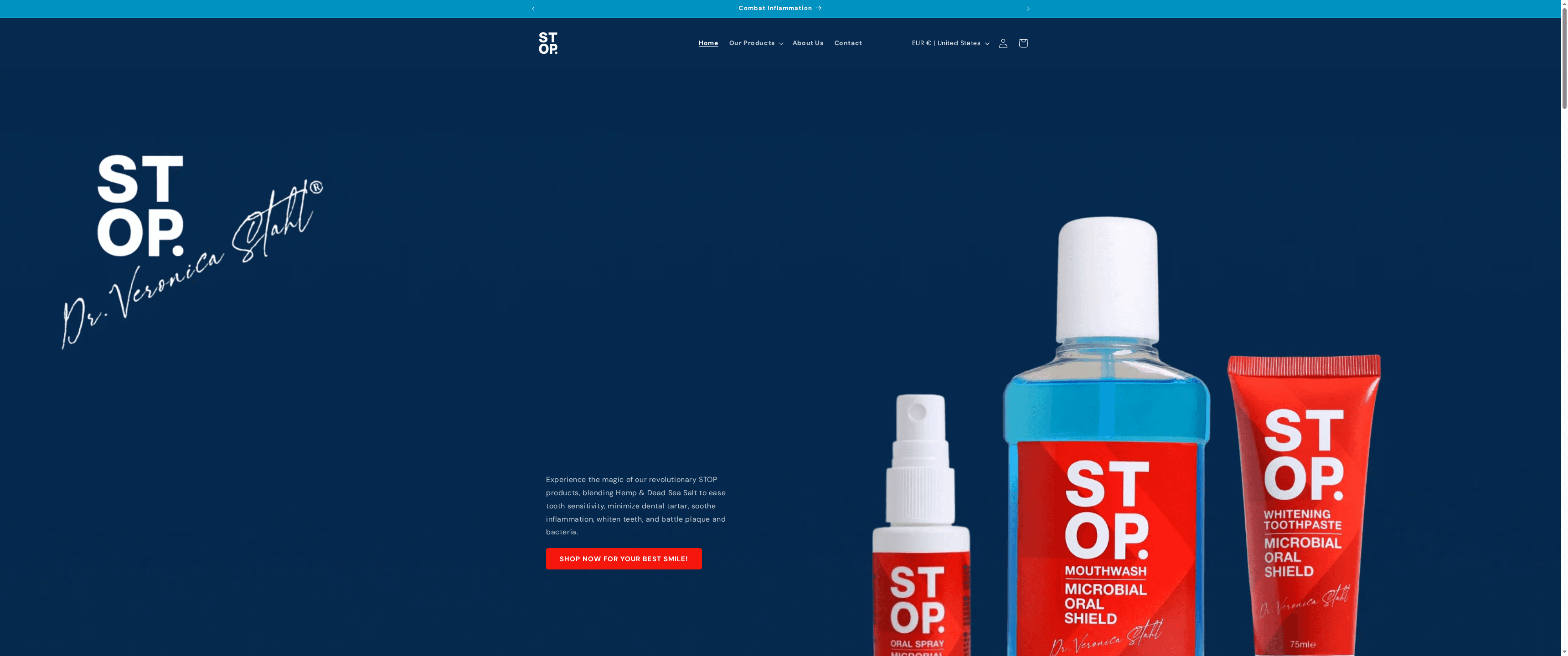
Each formulation is designed to support oral microbiome integrity while delivering measurable remineralization and antimicrobial benefits. For consumers ready to move beyond conventional products, Stop-oralcare offers fluoride-free oral care options that meet the evidence standards outlined in this article. The full product catalog, including toothpaste, mouthwash, and oral sprays, is available for review at stop-oralcare.com, where ingredient transparency is provided for every item in the line.
FAQ
What makes conventional toothpaste potentially harmful?
Conventional toothpaste frequently contains SLS, parabens, triclosan, and heavy metal contaminants including lead and arsenic. Testing of 51 brands found lead in 90% of products, representing a significant daily exposure risk through oral mucosal absorption.
Is nano-hydroxyapatite as effective as fluoride for cavity prevention?
A 2026 in vitro study confirmed that nHAp at concentrations of 10% or higher effectively remineralizes enamel and restores dentin microhardness. Unlike fluoride, nHAp integrates directly into tooth structure and carries no systemic toxicity concerns at standard use levels.
How do I know if a natural toothpaste is genuinely effective?
Verify that the product lists nano-hydroxyapatite at a minimum of 10% concentration, uses a certified organic designation from USDA or COSMOS, and excludes SLS, parabens, and artificial sweeteners. Foam volume is not an indicator of cleaning efficacy.
Do microplastics in dental products pose a real health risk?
Research published in 2025 confirmed that dental materials including toothbrush bristles, floss coatings, and aligners shed micro and nanoplastics during use. These particles can penetrate oral mucosal tissue and trigger oxidative stress and inflammatory responses in oral tissues.
How long does it take to adjust to natural toothpaste?
Most consumers adapt within two weeks. The primary sensory difference is reduced foam due to the absence of SLS. Plaque removal efficacy is equivalent when the natural formulation contains gentle abrasives such as baking soda or calcium carbonate alongside botanical antimicrobial agents.